The 3 Rules for Layering Roman Blinds for Window Depth and Warmth
I remember staring at my first 'grown-up' apartment windows—three identical rectangles with those plastic, dust-collecting mini-blinds. It felt like living in a medical office. I tried floor-length velvet drapes, but they just swallowed the radiator and made the small room feel like a claustrophobic stage set. That is when I discovered that roman blinds for window depth are the secret weapon for anyone who hates the 'flat' look of a basic room but doesn't have the square footage for heavy fabric puddling on the floor.
Quick Takeaways
- Layering adds architectural 'meat' to thin or builder-grade window casings.
- Mix hard textures (wood/metal) with soft fabrics (linen/cotton) to create visual tension.
- Inside-mount the base layer and outside-mount the Roman shade for maximum depth.
- Roman shades use significantly less fabric than drapes, making high-end textiles more affordable.
The Flat Room Problem (And Why Drapes Aren't Always the Answer)
We have all been there: you finish painting, you move the sofa in, and the room still feels... naked. Usually, the culprit is a lack of depth at the window. Many people default to floor-length drapes to fix this, but in a small home or a room with bulky furniture under the window, drapes can be a disaster. They get caught in heater vents, they gather pet hair at the hem, and they physically eat up six inches of floor space on either side of the glass.
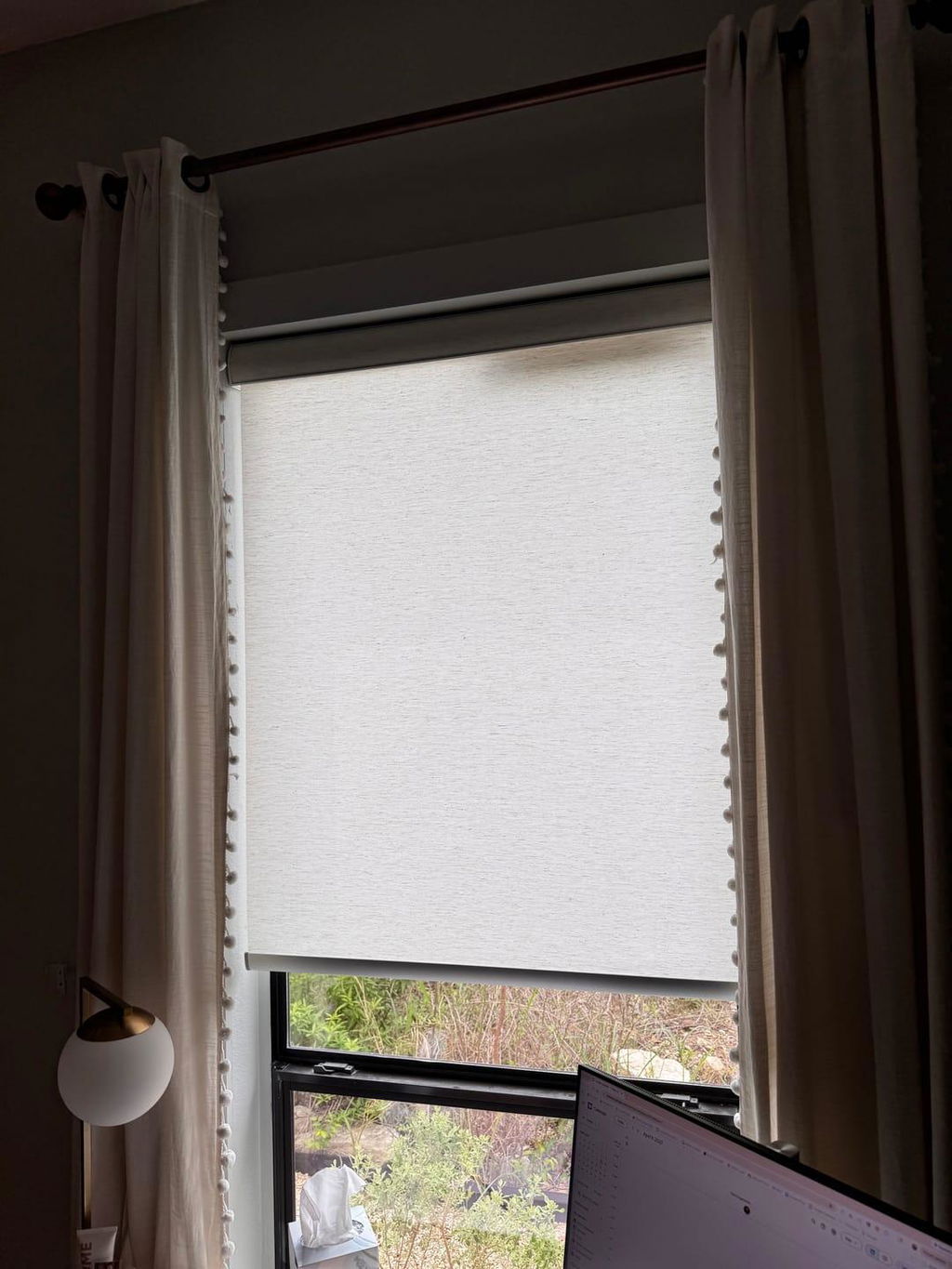
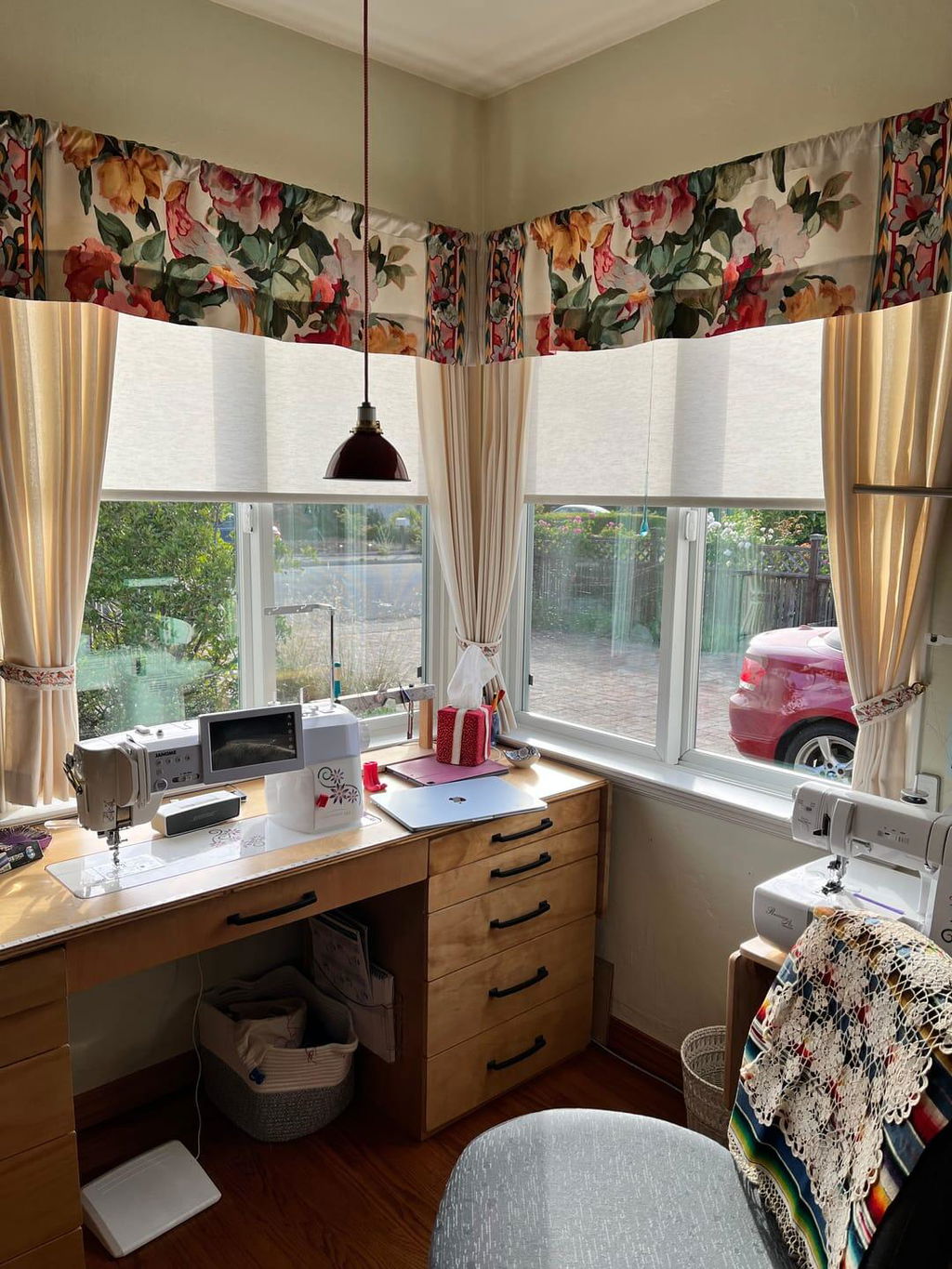
This is where window treatments with roman shades become the superior choice. Instead of drawing the eye down to the floor, you are drawing it to the window frame itself. By layering, you create a 'sandwich' of textures that makes a standard window look like a custom architectural feature. It is about creating volume vertically rather than horizontally.
Hard Meets Soft: Why the Layered Look Actually Works
The secret to a designer-level window is contrast. If you just have a fabric shade, it can look a bit flimsy. If you just have wood blinds, it looks sterile. But when you pair a roman shade with blinds, you get the best of both worlds. I love the look of a crisp, white 2-inch faux wood blind tucked inside the frame, topped with a relaxed-fold Roman shade in a heavy 300 gsm oatmeal linen.
The rigid, horizontal lines of the slats provide a structured 'base,' while the soft, organic folds of the fabric shade break up those hard edges. It is a visual trick that adds immediate warmth. When the sun hits that linen at 4 PM, the fabric glows, but the slats underneath give you the precise light control that fabric alone just can't manage.
Nailing the Bedroom Balance for Sleep and Style
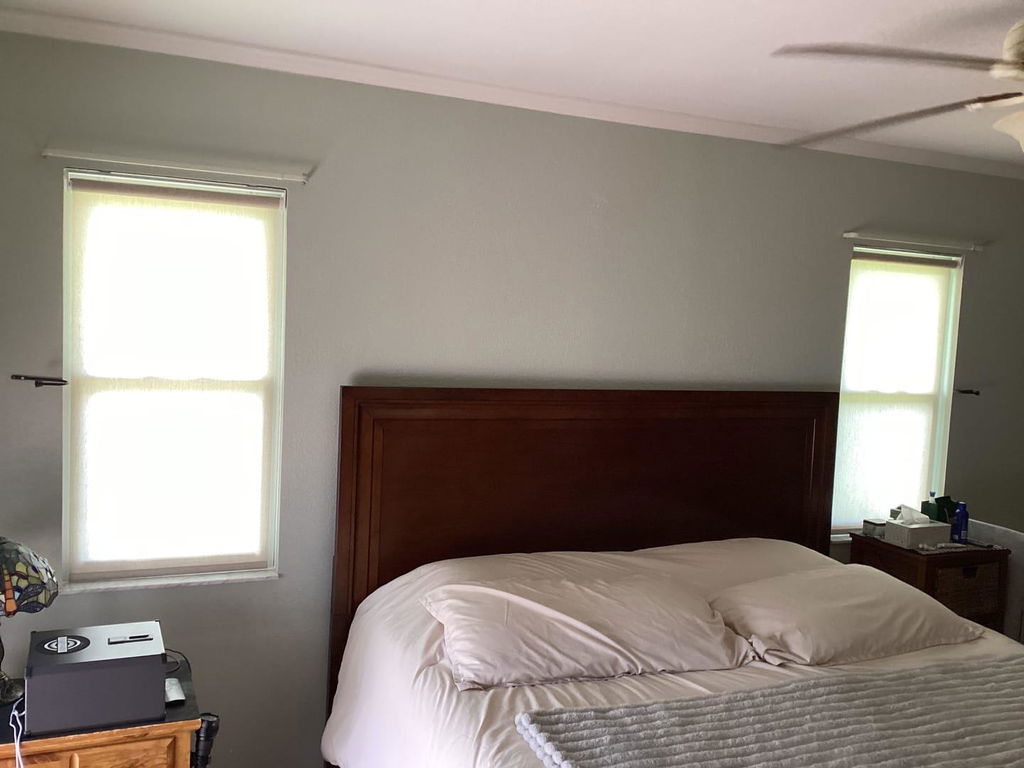
In the bedroom, layering isn't just about looking pretty; it is about survival. We all want that 'boutique hotel' darkness, but a single blackout shade often leaks light around the edges. By using roman bedroom blinds as your outer layer, you can solve this. I recommend a light-filtering wood blind or a cellular shade as your base for daytime privacy, topped with a blackout-lined Roman shade that is mounted a few inches wider than the window frame.
This 'overlap' acts as a light seal, blocking those annoying morning slivers of sun that hit you right in the eyes at 6 AM. Plus, the extra fabric layers provide a surprising amount of sound dampening. If you live on a busy street, that extra layer of 250 gsm cotton duck fabric can be the difference between hearing every car door slam and actually getting a full night's rest.
The Hardware Check: Can Your Window Frames Handle It?
Before you start ordering, you need to get honest with your measuring tape. A dual-layer setup requires space. If you want to inside-mount your base layer (like a wood blind), you typically need at least 2.5 inches of clear casing depth. If your windows are shallow, don't force it—you will end up with blinds that stick out like a sore thumb. Instead, mount the base blind inside and the window roman blinds on the wall above the casing.
This is called an 'outside mount,' and it is a total lifesaver for making small windows look massive. Mount the Roman shade about 4 to 6 inches above the trim and let it hang just low enough to cover the top of the blinds. Before you get the drill out, check out this guide on how to install your shades to ensure you aren't hitting the lintel or stripping your screws. If the mechanisms are too close, they will grind against each other, which is a sound that will haunt your dreams.
Sourcing the Right Fabric Without Losing Your Mind
Fabric choice is where most people panic. My rule? If the room is busy, go for a solid linen with a 'hobbled' fold for texture. If the room is minimalist, a flat-fold shade with a subtle pinstripe adds just enough interest. When you are looking for our collection of Roman shades, pay attention to the lift system. Avoid the cheap, spindly cords that tangle if you look at them wrong. You want a continuous cord loop or a cordless spring motor.
Knowing where to purchase roman shades that actually last is half the battle. Look for retailers that offer swatches first. You need to see how that 'eggshell' white looks against your specific wall paint under LED light versus natural sunlight. A fabric that looks creamy in a showroom can look like dirty dishwater in a north-facing bedroom.
My Final Verdict on the Layered Approach
I once tried to save money by hanging a single, thin polyester Roman shade in my guest room. It looked like a piece of paper taped to the glass. It had no 'soul.' I eventually pulled it down, installed a simple bamboo blind underneath, and re-hung a heavier linen shade over it. The difference was night and day—it went from 'rental' to 'custom' for the cost of a single extra blind. If you are still deciding between roman, roller, or cellular, remember that you don't have to choose just one. Layering is the bridge between modern minimalism and traditional comfort. Give it a shot in one room; I promise you won't go back to bare windows.
FAQ
Can I layer a Roman shade over an existing roller shade?
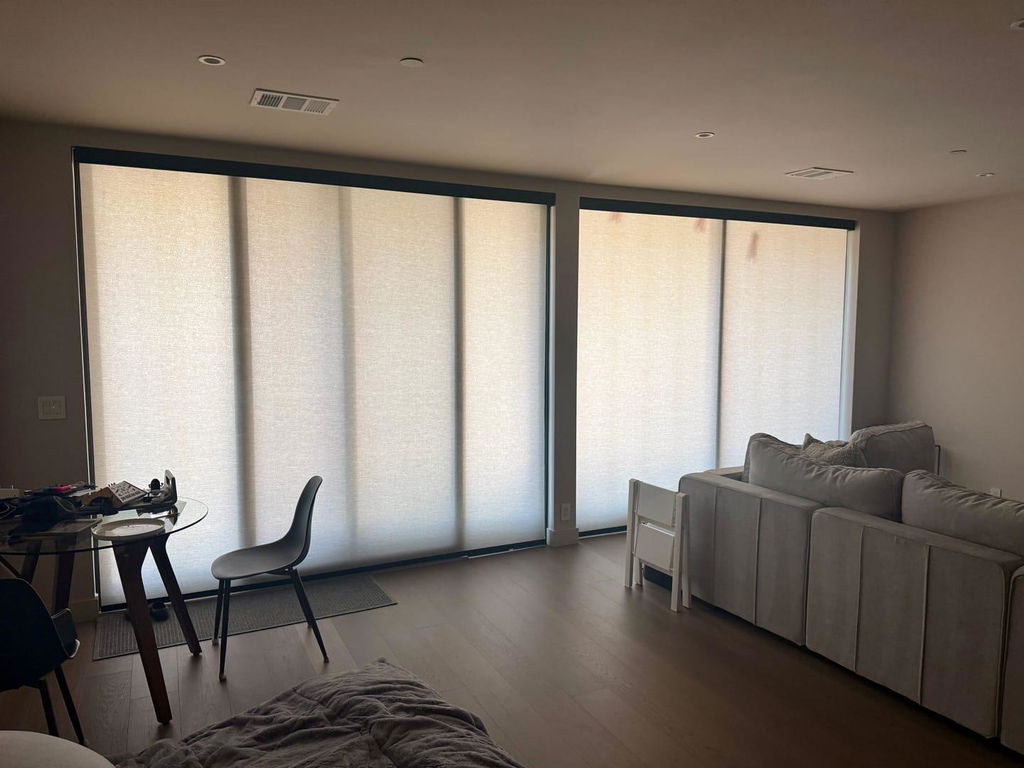
Absolutely. It is actually one of the cleanest looks you can achieve. The roller shade disappears completely when up, and the Roman shade provides the decorative 'valance' look at the top of the window.
Do I need to match the colors of both layers exactly?
Not at all. In fact, it looks better if you don't. Try a natural wood tone for the base and a cream or soft grey for the Roman shade. Just keep the undertones (warm vs. cool) in the same family.
Will layering make my room look smaller?
Actually, it usually makes the room feel larger. By adding depth to the windows, you are creating a sense of 'thick' walls and architectural substance, which makes the space feel more permanent and well-designed.