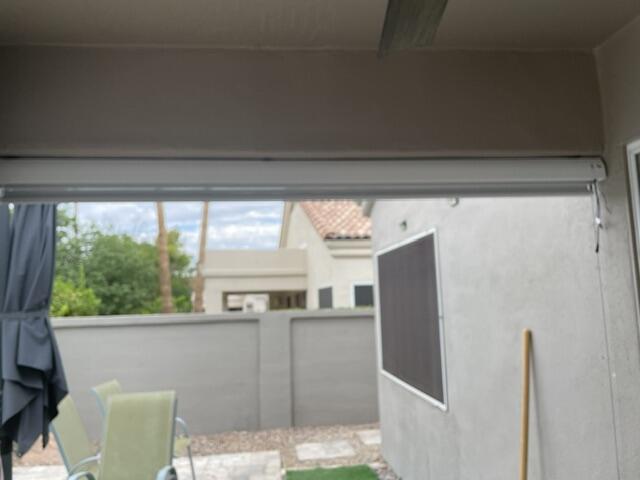
Stop Building Taller Fences—Hang a Patio Sun Shade Screen Instead
I once spent three months and a small fortune on a set of 'ethereal' linen-look outdoor drapes, only to watch them transform into a chaotic, whipping sail during a mild Tuesday breeze. My patio went from a serene retreat to a battleground of tangled fabric and spilled drinks. That was the moment I realized that a proper patio sun shade screen isn't just a luxury—it is the difference between actually using your backyard and just staring at it from the safety of your kitchen window.
Quick Takeaways
- Exterior screens provide privacy without the 'fortress' feel of a tall fence.
- Openness factors (like 5%) allow you to see your garden while blocking the neighbors' view.
- Cable guide systems prevent your shades from becoming kites in the wind.
- Textured fabrics help exterior hardware blend into your home's architecture.
The Backyard Fishbowl (And Why I Hate Tall Privacy Fences)
We have all been there. You finally get the patio furniture exactly where you want it, the outdoor rug is laid, and the fire pit is ready. But as soon as you sit down, you realize you are in a fishbowl. Your neighbor is right there, waving from their second-story window, and suddenly your 'private' oasis feels like a public stage.
The knee-jerk reaction is to call a contractor for an eight-foot fence. Please, don't do that. Massive privacy fences are architectural mood-killers. They block the very cross-breezes that make a July evening tolerable, and they often make a perfectly sized yard feel like a claustrophobic box. A well-placed shade screen acts as a soft architectural boundary. It defines the space without suffocating it, keeping the air moving while keeping prying eyes out.
Why a Patio Sun Shade Screen Beats Flapping Outdoor Drapes
I love the look of outdoor sheers in a magazine, but in real life? They are a high-maintenance nightmare. I have spent too many afternoons untangling wet fabric from thorny rose bushes. If you live anywhere that experiences more than a light zephyr, you need something with structural integrity. Unlike curtains that move on a rod, a heavy-duty outdoor shades system is fixed at the top and often secured at the bottom.
When you install a proper window shade screen outdoor application, you are getting a tensioned surface. It stays taut. It looks clean. It doesn't end up in your guacamole. Most importantly, exterior-grade solar fabrics are designed to withstand UV rays without rotting or molding—something your 'outdoor-rated' polyester curtains will rarely do after a full season of rain and sun exposure.
Finding the Sweet Spot With Exterior Privacy Shades
The biggest mistake people make is choosing the wrong 'openness' factor. This is the percentage of the fabric that is actually holes. A 1% openness is almost a solid wall—great for total privacy, but you lose your view. A 10% openness is fantastic for airflow but doesn't do much to hide your messy patio table from the street.
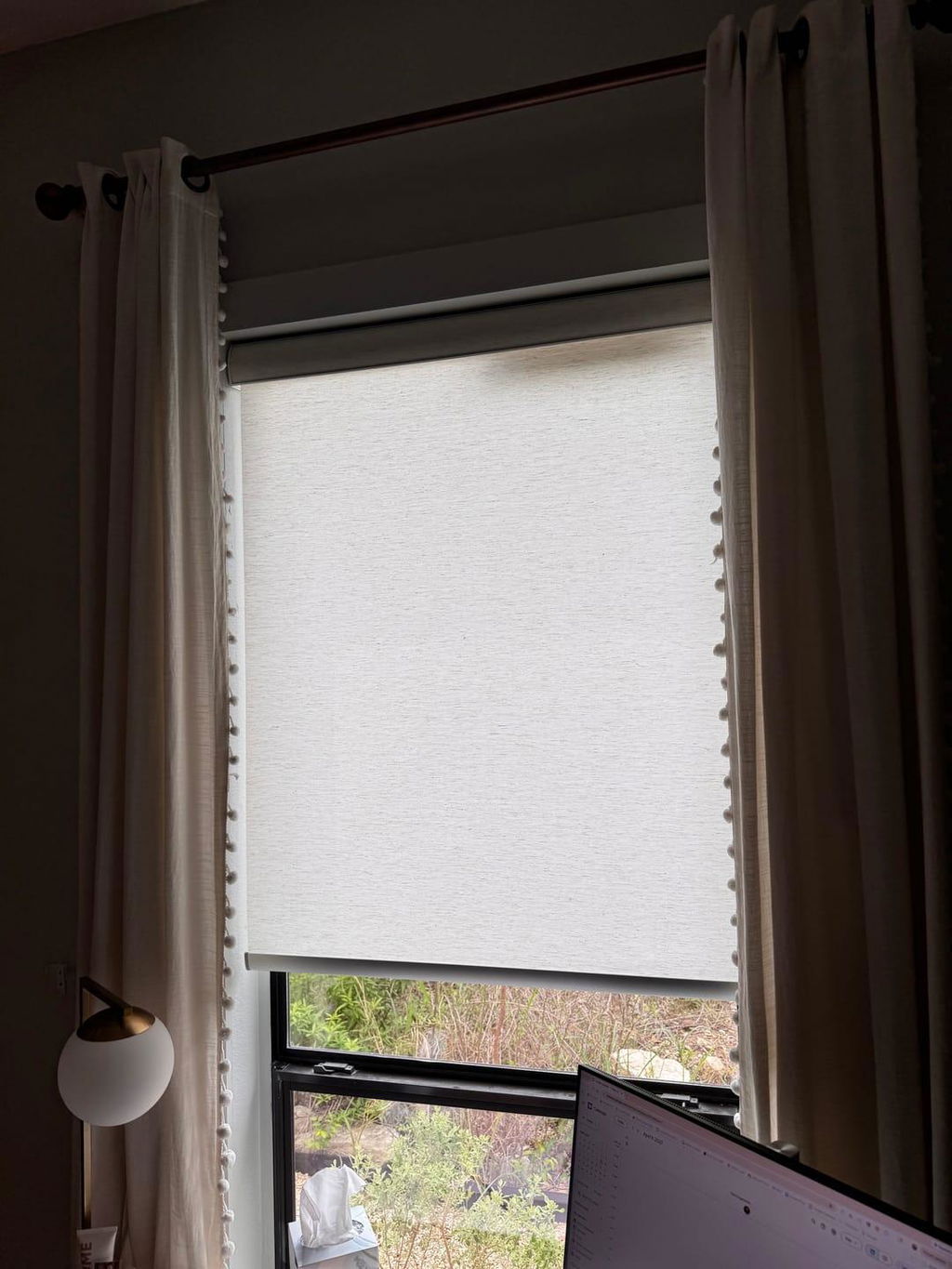
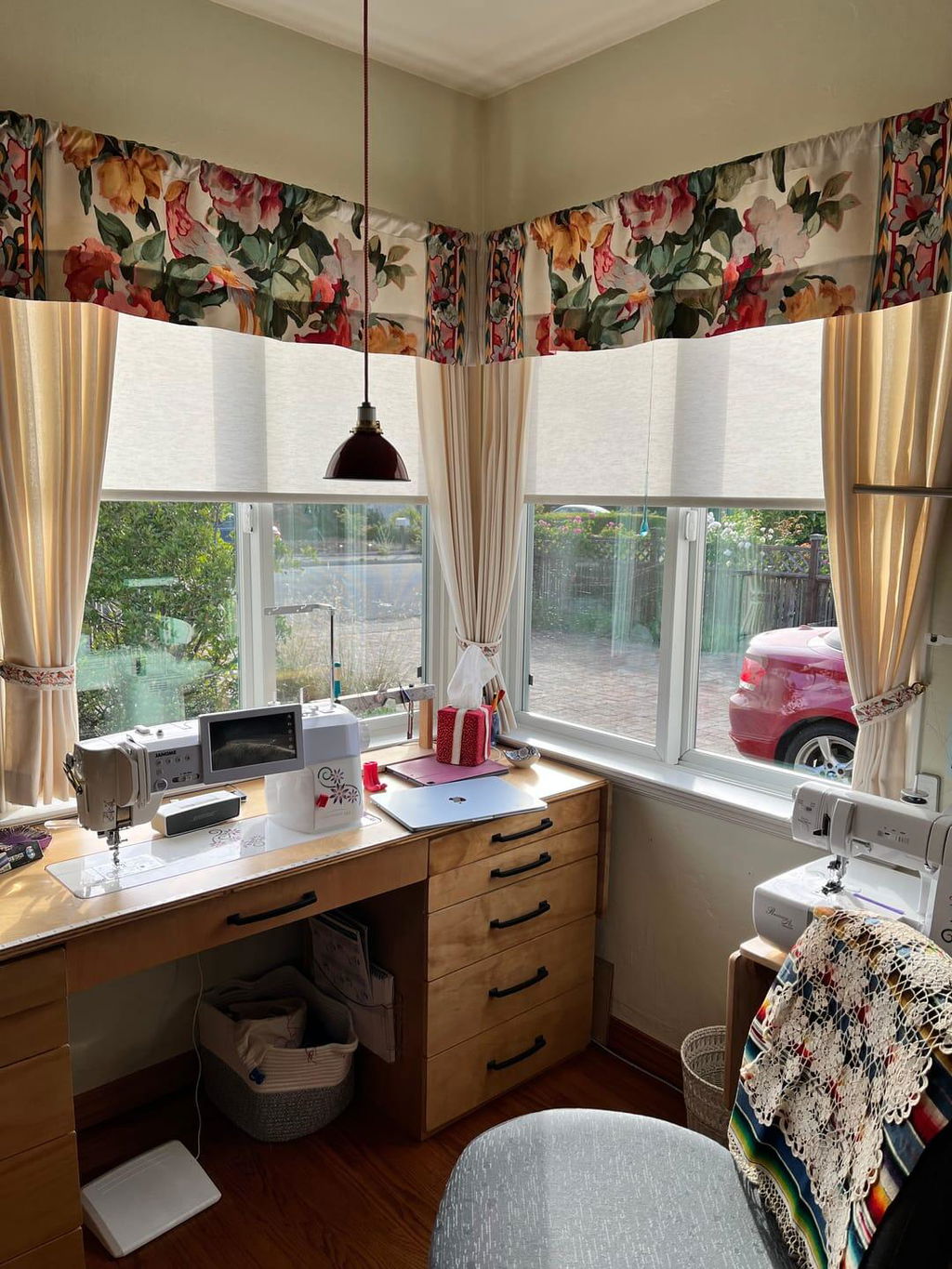
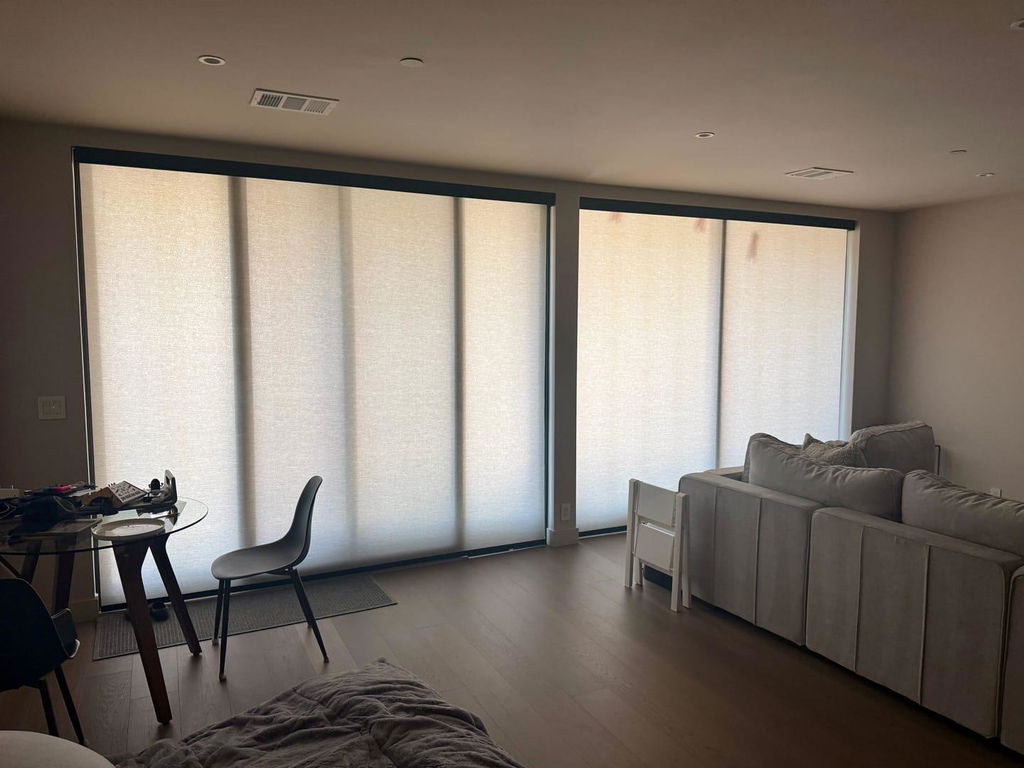
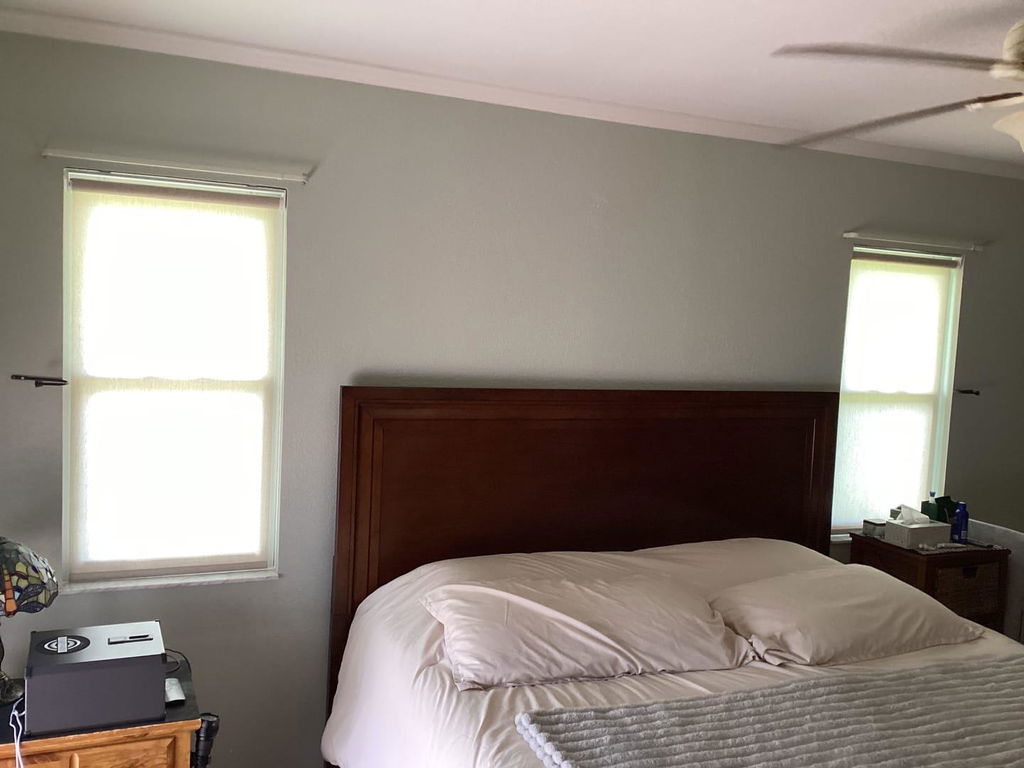
In my experience, outdoor shades with a 5% openness are the sweet spot. It creates a beautiful optical illusion: from the inside looking out, you can still see the green of your lawn and the shape of your trees. But from the outside looking in, the mesh reflects light in a way that makes the surface look opaque. It is also the most effective way of blocking harsh late-afternoon glare. If you have ever had to squint through a 4 PM happy hour because the sun is bouncing off your neighbor's white siding, you know exactly why this matters.
How to Mount Sunscreen Blinds Outdoor for Maximum Stability
The number one fear I hear from homeowners is: 'Won't it just rip off the house in a storm?' Not if you mount it correctly. For exterior privacy shades, you cannot just rely on the top bracket. You need a lockdown system. I always recommend cable guides—thin stainless steel wires that run vertically from the headbox to the floor. The hem bar of the shade slides along these cables, meaning it can't swing outward.
If cables feel too 'industrial' for your porch, look for bungee tie-downs. These simple loops anchor the bottom bar to your deck or railing posts. It gives the screen just enough flex to handle a gust without putting 200 pounds of pressure on your mounting screws. Always use stainless steel hardware; anything else will leave ugly rust streaks on your siding within six months.
Mounting Tricks to Make the Hardware Disappear
Nothing ruins a high-end exterior like a bulky aluminum box slapped haphazardly onto a beautiful wooden pergola. To make your sunscreen blinds outdoor look built-in, color-match your hardware to your trim, not the fabric. If your house has black window frames, get black brackets. If you have white soffits, go with white.
Texture is your best friend here. I tend to avoid the flat, shiny vinyl finishes. Instead, I look for textured outdoor fabrics that have a bit of a heathered or twill look. These materials catch the light differently and look much more like an interior design element than a piece of industrial equipment. If you are mounting to a porch ceiling, try to 'pocket' the shade behind a decorative trim board so the roll is completely hidden when retracted.
Personal Experience: The 'Measure Once, Cry Twice' Lesson
I once installed a 12-foot wide motorized shade on a client's lanai and forgot to account for the thickness of the decorative stone veneer on the columns. I had measured the rough opening, not the finished surface. When I went to click the shade into the brackets, it was exactly three-quarters of an inch too wide. I had to shim the brackets out with custom-painted wood blocks, and I've never felt more like an amateur. The lesson? Always measure at the exact height where the brackets will sit, and check for any protruding trim or masonry that might get in the way of the fabric's path.
Frequently Asked Questions
Can I leave my outdoor shades down in a storm?
Most manufacturers recommend retracting them if winds exceed 25-30 mph. While the fabric is tough, the wind load on a large shade can put immense pressure on your home's siding or the shade's motor.
Will people be able to see inside my patio at night?
Yes. Privacy shades work based on light balance. During the day, it's brighter outside, so the screen looks opaque from the street. At night, if you have bright lights on your patio, the effect reverses. If you need 24/7 privacy, look for a 1% openness factor or a dual-shade system.
How do I clean an exterior sun shade?
Forget the dry cleaner. Use a garden hose and a soft brush with a mild soap like Dawn. Avoid pressure washers, as the high-intensity stream can actually distort the weave of the solar fabric.