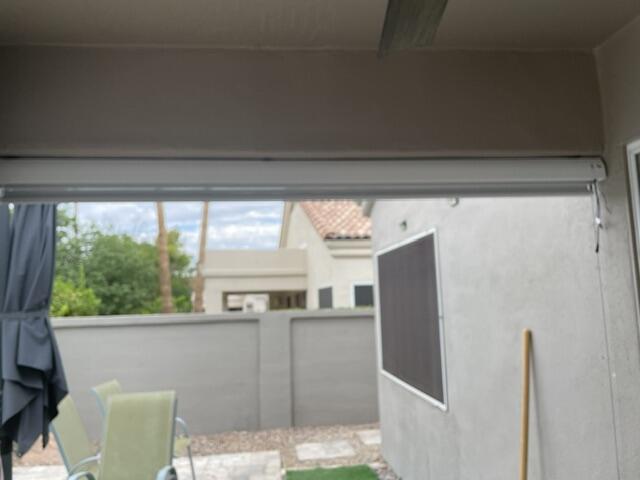
I Stopped Avoiding My Patio at 4 PM (Exterior Sun Screen Shades Fixed It)
I spent three months sourcing the perfect teak sectional and a performance-weave rug, only to realize by mid-July that my backyard was basically a microwave from 4:00 to 7:00 PM. The glare was so aggressive I found myself squinting at my book while sweat pooled in places I would rather not mention. It felt like a massive design failure to have this beautiful 'outdoor room' that sat empty during the prime cocktail hour.
exterior sun screen shades were not just a luxury for me; they were the only way to save my investment. I needed a solution that stopped the heat without making my porch look like a commercial smoking area or a budget sunroom. After a few expensive mistakes, I finally found the balance between cooling power and actual style.
Quick Takeaways
- Choose a 5% openness factor to balance heat reduction with backyard visibility.
- Stick to PVC-coated polyester or fiberglass for longevity against UV rays and mildew.
- Mount hardware inside the soffit or ceiling joists for a clean, built-in look.
- Always use cable guides or bungee tie-downs to prevent the 'sail effect' in high winds.
The 4 PM Mass Exodus (Why My Patio Was Failing)
The irony of the modern patio is that we design them for the 'golden hour,' but that is exactly when the sun is at its most punishing angle. I had spent thousands on a space that became a literal no-go zone the moment the sun dipped below the roofline. I was desperately searching for shade blockers outdoor that did not feel like I was putting up a plastic tarp.
It is a common trap. We focus so much on the furniture and the planters that we forget the physics of the space. If you are running inside the moment the shadows get long, your patio is not a living space—it is just a very expensive storage area for outdoor cushions. I needed something that functioned like a high-end interior blind but could survive a thunderstorm.
Aesthetically Pleasing vs. Actually Functional
I initially tried those cheap bamboo patio blinds for outside from a big-box store. Huge mistake. Within one humid week, they started to bow, and after the first heavy rain, they grew a fine layer of gray fuzz. They looked 'boho' for exactly forty-eight hours before they just looked like trash.
Then I considered heavy outdoor cabana shades—those thick, canvas-like curtains you see at resorts. While they look great in a Slim Aarons photo, they completely killed the cross-breeze. It felt like sitting inside a very expensive, very hot tent. I realized I did not want to block the air; I just wanted to filter the light and kill the heat transfer.
The Sweet Spot: Why I Chose Exterior Sun Screen Shades
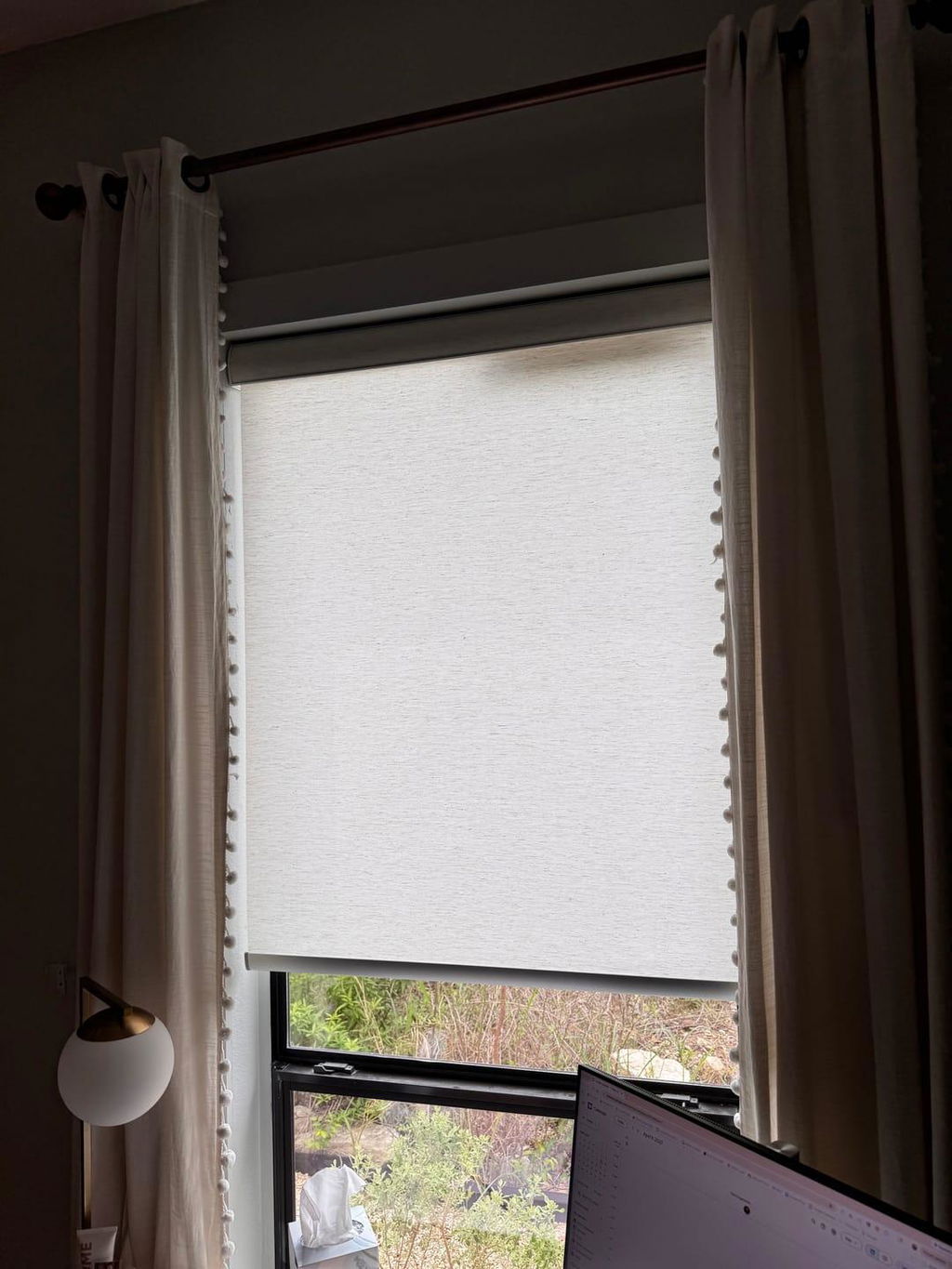
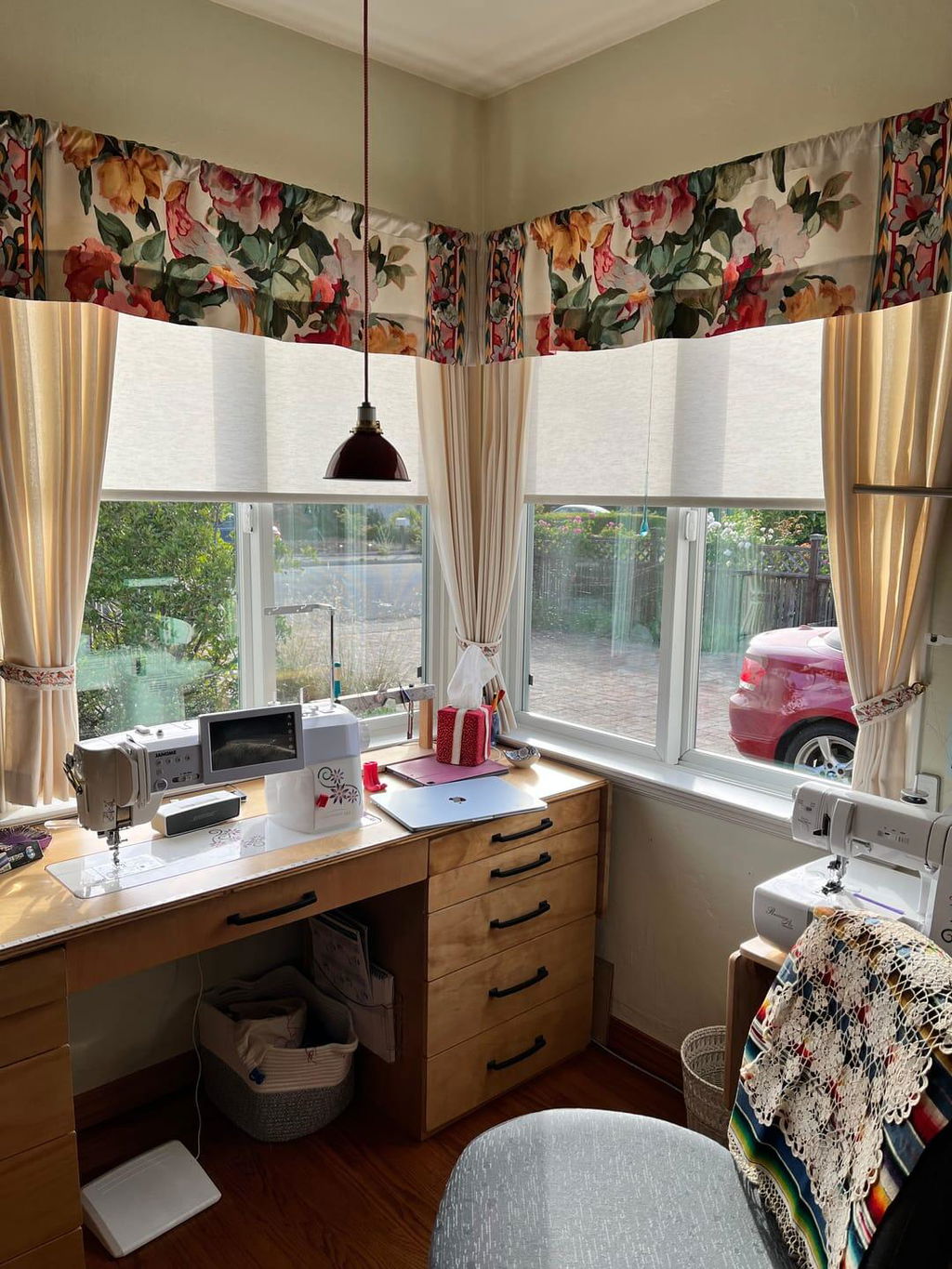
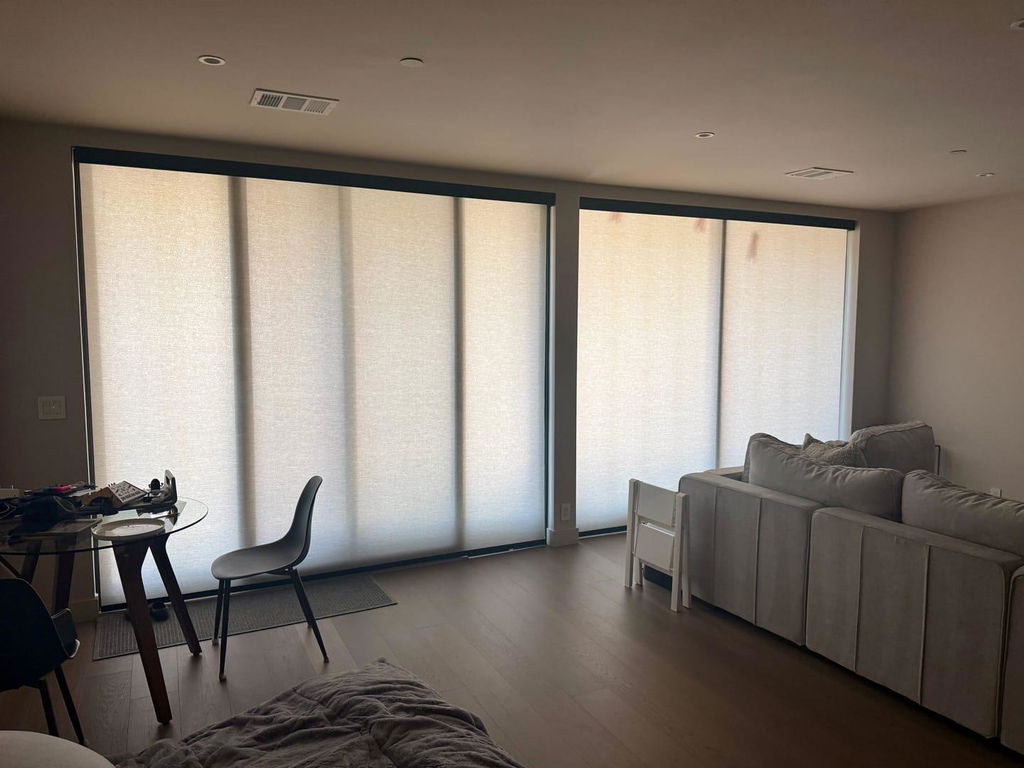
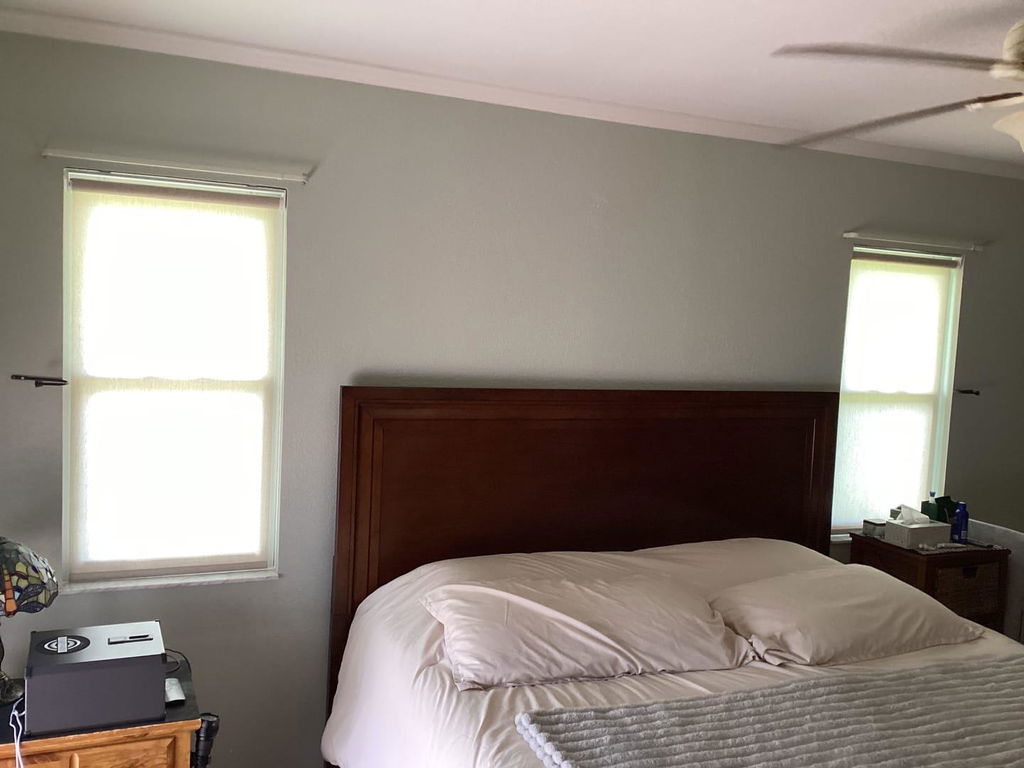
I finally landed on high-performance sun blocking exterior shades. The magic is in the technical weave. I opted for an Outdoor Shades 5 Openness fabric because it cuts 95% of the UV rays but still lets me see the trees and the pool. It is the difference between wearing a blindfold and wearing a really good pair of polarized sunglasses.
Unlike solid vinyl outdoor shades to block sun, these technical fabrics breathe. You get that immediate 10-to-15-degree temperature drop the second you roll them down, but the air still moves through the mesh. You do not feel boxed in, and you do not lose that connection to the garden that is the whole point of being outside in the first place.
How to Hang Them So They Do Not Look Like an Afterthought
If you are browsing Outdoor Shades, pay close attention to the headrail and the mounting depth. To keep outdoor patio hanging shades from looking like a tacky add-on, I mounted mine directly into the ceiling joists of my porch overhang. By choosing a housing color that matched my trim—a matte charcoal—the entire unit virtually disappears when retracted.
I have seen people tack these to the outside of a fascia board, and it always looks a bit 'DIY gone wrong.' If you can, go for an inside mount. It creates a framed, architectural look that feels intentional. I also recommend going wider than the actual opening by about two inches on each side if you are mounting on the face of a post to ensure zero light gaps at the edges.
What About the Wind? (The Flapping Fabric Problem)
There is nothing less relaxing than the rhythmic 'thwack-thwack' of a shade hitting a pillar during a breeze. When looking for sun blocking shades for patio, you absolutely need a lockdown system. I learned the hard way that cheap plastic clips will snap during a summer squall. I had one shade turn into a sail and nearly rip the mounting screws out of the wood.
I eventually upgraded to stainless steel cable guides that keep the hem bar under constant tension. If you are wondering Are Vertical Outdoor Sun Shades Worth It For A Windy Patio, the answer is a resounding yes—but only if they are secured. The cables are nearly invisible but keep the fabric perfectly taut even when the wind picks up.
Don't Buy Until You Check This One Specification
Before you pull the trigger on any patio shades for sale, check the material composition. You want a PVC-coated polyester or a vinyl-coated fiberglass yarn. Do not buy anything that feels like 'fabric' in the traditional sense; it will rot, fade, and hold onto pollen like a magnet. You want a material that is essentially hose-offable.
I personally love a variegated Outdoor Shades Texture because it mimics the look of a high-end woven linen while being totally weather-proof. It is that tiny detail that moves the needle from 'utilitarian' to 'designer.' My shades have survived two seasons of North Carolina humidity and still look as crisp as the day I drilled them in.
FAQ
Can I see through them at night?
It depends on the light. If your patio is brightly lit and the yard is dark, people can see in. During the day, however, they offer excellent daytime privacy while maintaining your view.
Do they help with rain?
They are not umbrellas. They will stop a light mist or a slanted drizzle from soaking your cushions, but they are primarily designed for sun and airflow. Always roll them up during major storms.
How do I clean them?
Keep it simple. Use a soft brush to knock off dry debris, then hit them with a garden hose and mild dish soap. Avoid power washers, which can distort the weave of the mesh.