Sheers vs. Screens for Shade: What Actually Protects Your Furniture
I remember the first time I felt real heartbreak over a piece of furniture. It was a navy velvet armchair I’d saved for three months to buy. I placed it right in the center of a gorgeous, sun-drenched bay window, framed by airy 110 gsm linen sheers that caught the breeze perfectly. Six months later, I moved the chair to clean and realized the back was no longer navy—it was a sickly, sun-bleached lavender. That was the day I stopped pretending that pretty curtains were enough and started looking seriously at screens for shade.
- Sheers are for diffusion and privacy; screens are for actual UV protection.
- A 5% openness factor is the residential sweet spot for views and protection.
- Modern screen shades prevent furniture 'sun-rot' and wood floor warping.
- Layering is the key to making architectural screens feel cozy rather than corporate.
The Sun-Drenched Room Dilemma: Views vs. Fading
We all want that Pinterest-worthy living room where the afternoon light hits the floorboards at just the right angle. But if you have south- or west-facing windows, that 'golden hour' is actually a slow-motion disaster for your home. It’s not just about the heat—though a 90-degree living room is nobody’s idea of a good time—it’s the UV radiation. High-energy light waves literally break down the chemical bonds in fabric dyes and the lignin in your wood floors. If your rugs feel brittle or your sofa looks tired after only a year, the sun is the culprit. You need a barrier that doesn't force you to live in a cave.
Why I Stopped Relying on Linen Sheers for UV Protection
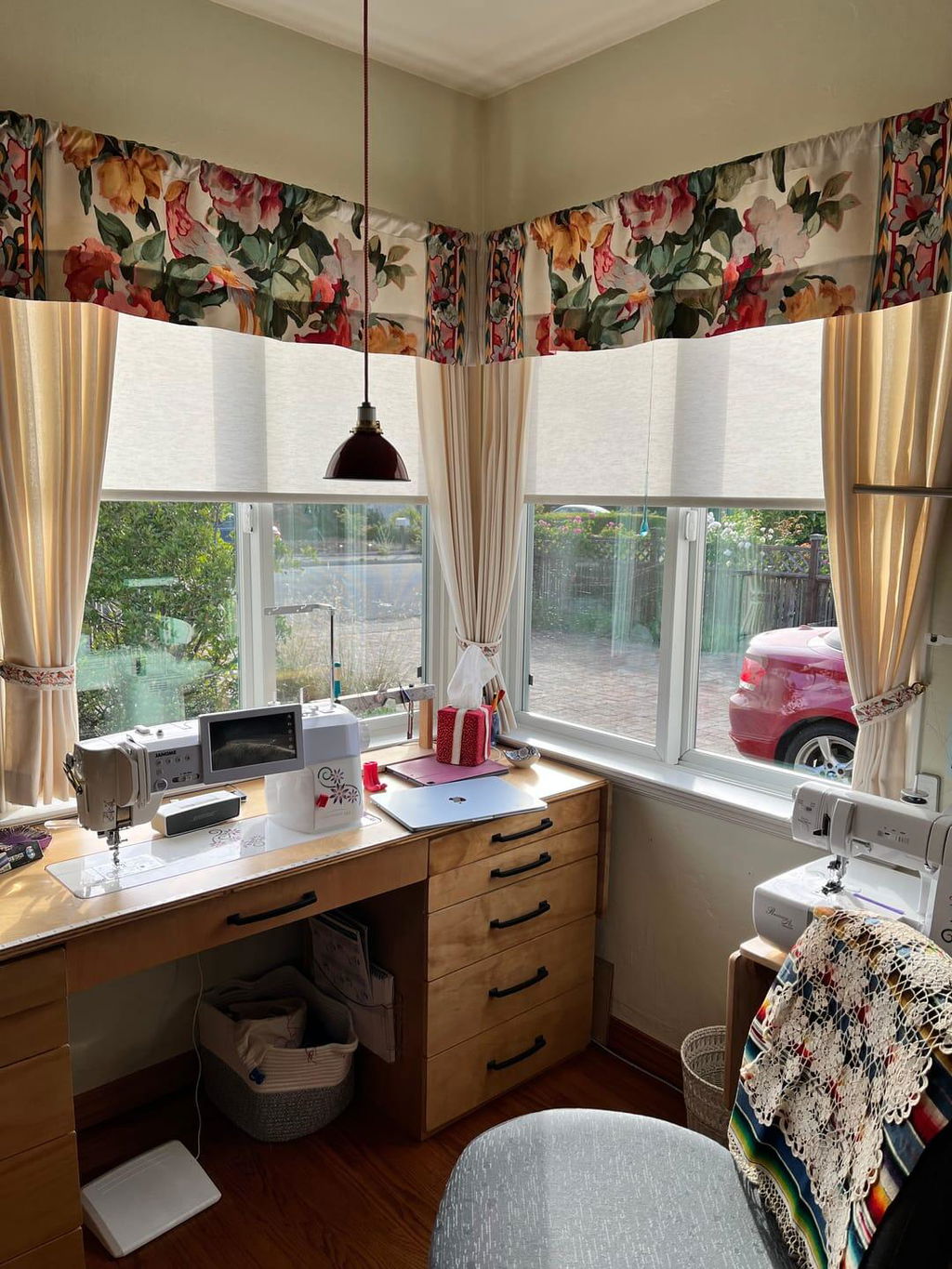
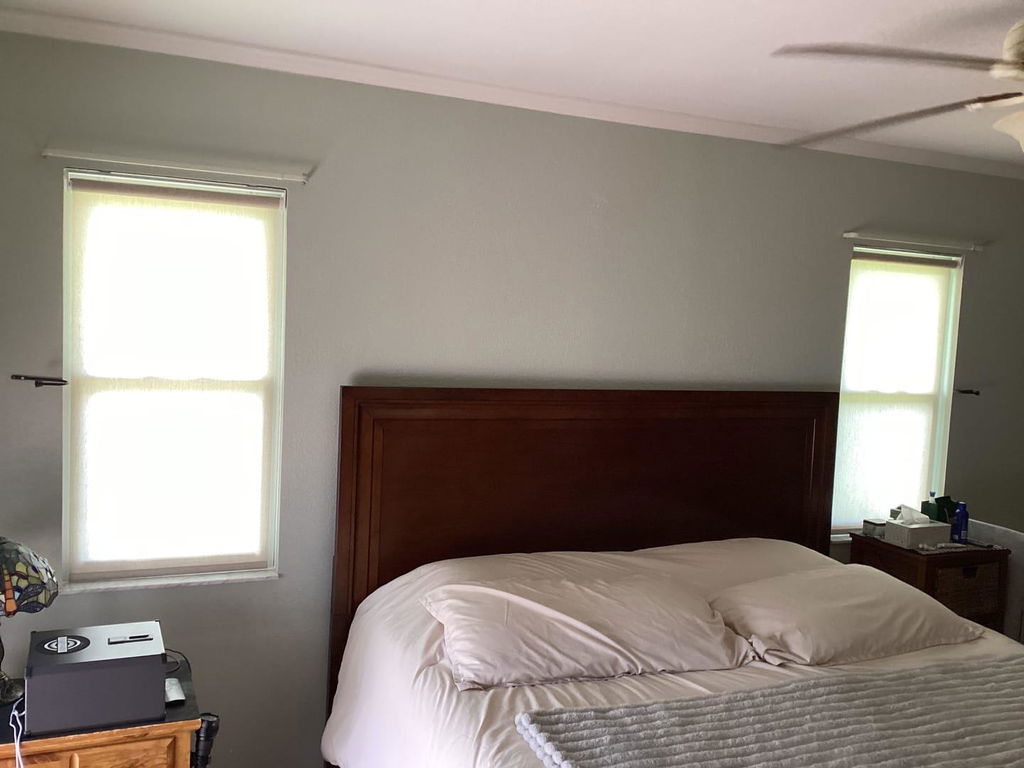
I love a linen sheer. I’ve specified 200 gsm Belgian linen for more clients than I can count because it drapes like a dream and softens the harsh edges of a room. But let’s be honest: sheers are a vibe, not a shield. They scatter light, which helps with glare on your TV, but they don't block the rays that cause fading. This is where a technical screen shade comes in. Unlike fabric, which absorbs and holds heat, these are engineered to reflect it back out the window. If you’re struggling with a bedroom that’s too bright in the morning but you still want that soft look, I always recommend a 2 in 1 shade system. It lets you tuck a high-performance screen behind a blackout roller or a decorative drape, giving you total control over the light throughout the day.
Decoding the Openness Factor (So You Can Actually See Outside)
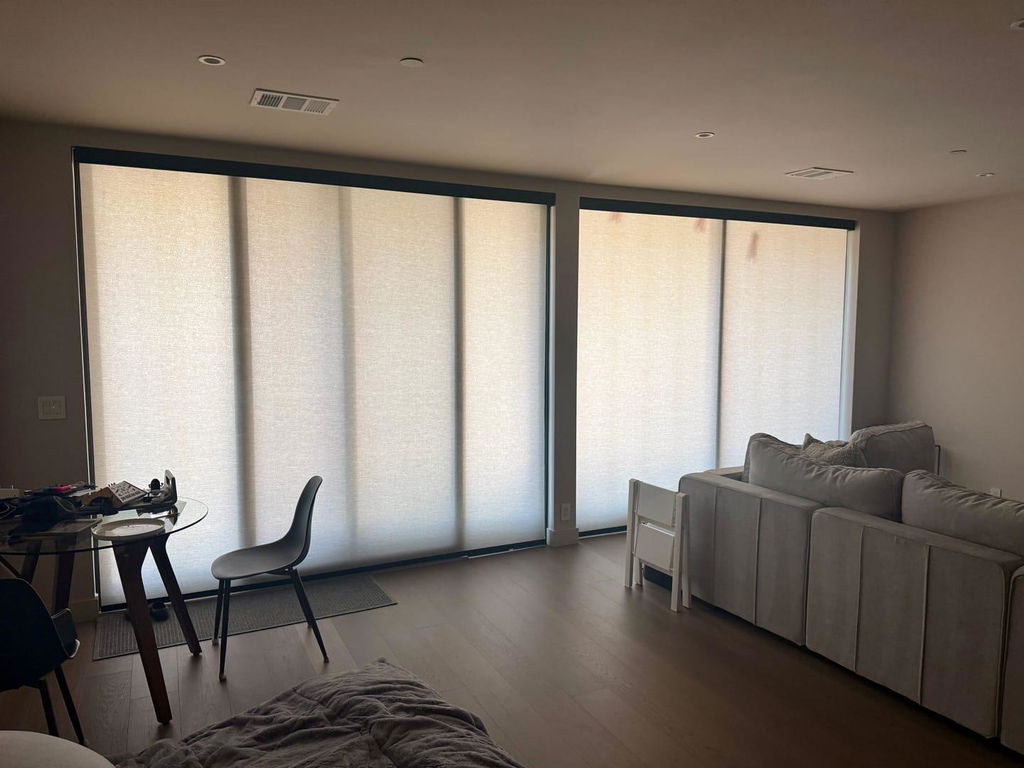
When you start shopping for shade screens, you’ll see 'openness factors' ranging from 1% to 10%. This is just the percentage of the weave that is open to the air. A 1% screen is basically a wall; you won't see much of anything through it, but you'll have maximum privacy. A 10% screen is great for a northern window where the sun isn't as aggressive. For most of my projects, I stick to 5%. It’s the magic number. At 5%, you can still see the silhouette of the trees in your backyard and tell if the mailman is coming, but you’re blocking 95% of the UV rays. It’s the difference between squinting at your laptop all afternoon and actually enjoying your home office.
How to Avoid the Dentist Office Vibe
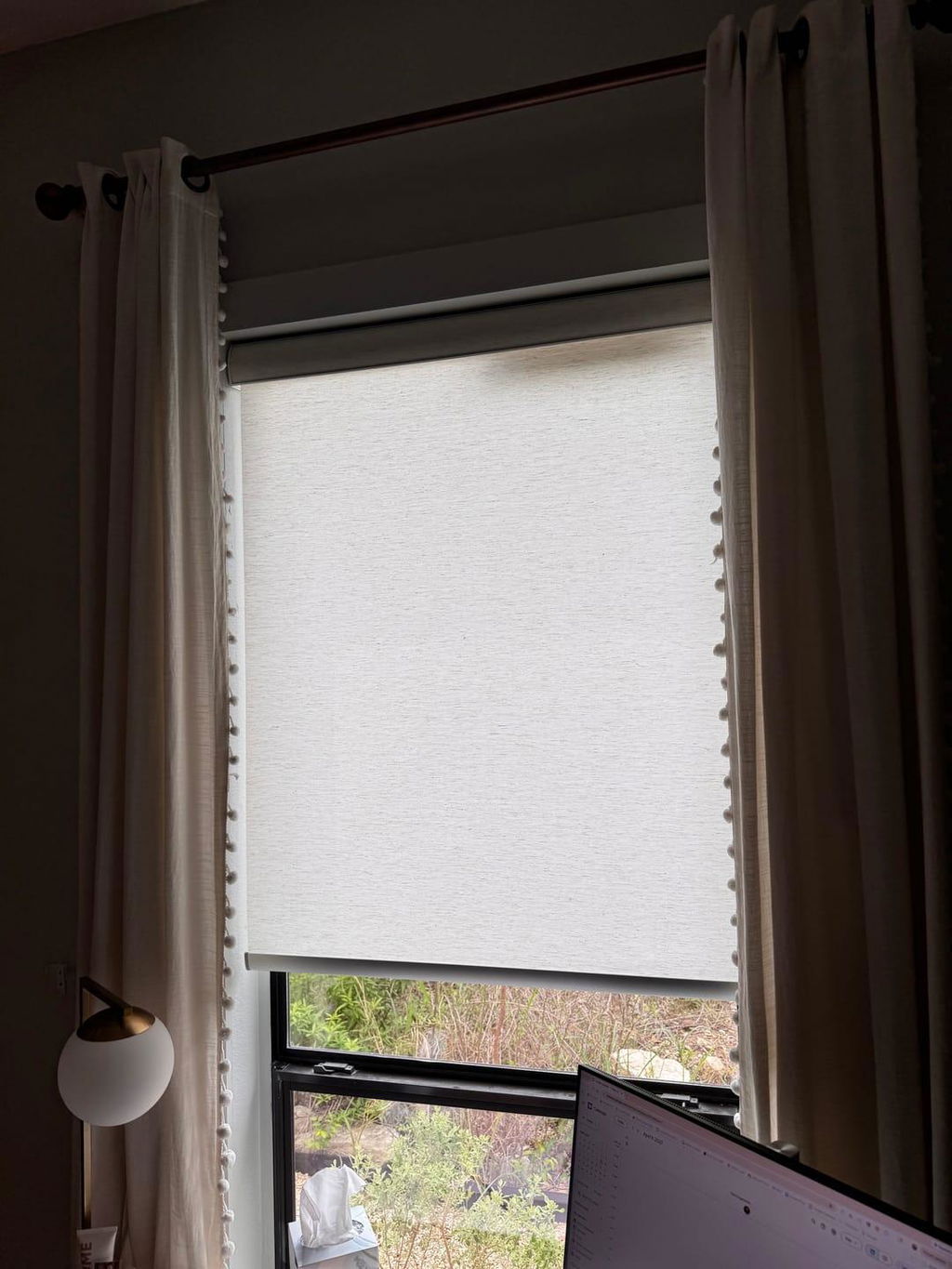
The biggest fear people have with screens is that their living room will suddenly feel like a root canal waiting room. I get it. Flat, grey vinyl screens are a design crime. To avoid this, look for woven textures that mimic natural fibers like jute or grasscloth. Color choice is also huge. A stark white screen shade for windows can bounce too much light and look incredibly clinical. I prefer 'chalk' or 'sand' tones that have a bit of warmth. My personal rule? Always layer. Install your screens inside the window frame for the heavy lifting, then hang stationary drapery panels on a matte black or brass rod at least 6 inches outside the frame. The fabric adds the softness, while the screen does the work.
Taking the Concept Outside: Protecting Your Patio
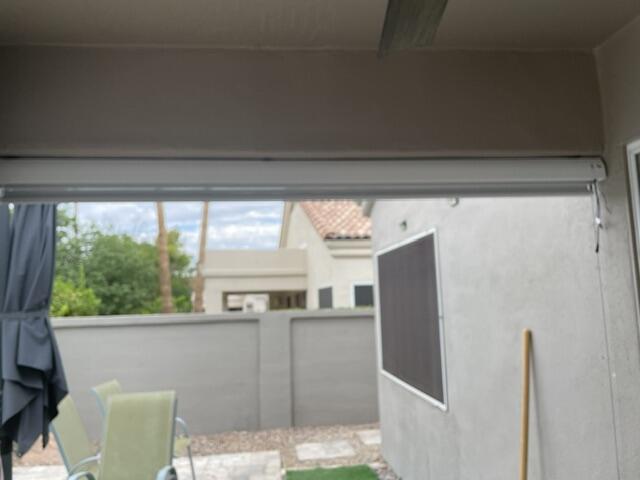
Don't stop at the glass. I once spent a fortune on outdoor cushions covered in 'weather-resistant' fabric, only to have the sun eat through the seams in two seasons. Your patio needs screens for shade just as much as your interiors do. Exterior-grade screens are a massive upgrade over those flimsy umbrellas that fly away in a light breeze. They create a 'cool-down' zone that can drop the temperature on a deck by 15 degrees. It turns a scorching patio into a usable outdoor room where you can actually sit and read a book without getting a tan you didn't ask for.
The Final Verdict on Sun Management
You don't have to choose between a beautiful room and a durable one. By swapping out purely decorative sheers for high-performance screens, you’re essentially buying insurance for your furniture. Before you order, measure your window depth—you need at least 2 inches for a clean inside-mount. Once they’re up, you’ll notice the difference in the air quality and the glare immediately. If you're ready to stop the fade, you should explore all your shade solutions to find the weave and color that actually fits your architecture.
FAQ
Will 5% openness screens give me privacy at night?
Not really. If your lights are on inside and it’s dark outside, people will be able to see silhouettes. For bedrooms or bathrooms, you’ll want to layer them with a secondary shade or heavy drapes.
Can I install screens myself?
Absolutely. Just make sure you have a solid drill and you've checked for metal lintels above the window. If you're mounting into drywall, use heavy-duty anchors; these shades are heavier than they look.
Do dark-colored screens block more sun?
Darker colors are actually better for visibility (they reduce glare better), but lighter colors reflect more heat. If your main goal is staying cool, go light. If you want the best view of the lake, go dark.