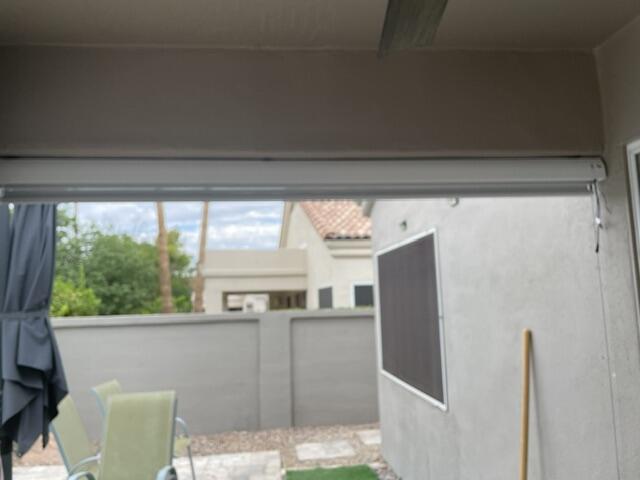
Your Patio Needs Screens for Shade, Not a Flimsy Umbrella
I spent three years chasing a $400 cantilever umbrella around my deck every time a breeze over ten miles per hour rolled through. It was heavy, the base was a massive plastic eyesore, and the navy fabric faded to a sad, dusty purple within a single season. It was only when I stopped trying to fight the sun with a giant polyester mushroom and looked into screens for shade that my outdoor space actually felt like a functional room.
The shift from temporary fixes to architectural solutions changes everything about how you live outside. Instead of staring at a metal pole in the middle of your conversation set, you get a clean, vertical line that disappears when you don't need it. It is the difference between camping on your own porch and actually designing it.
- Screens handle wind far better than umbrellas or loose drapes.
- A 5% openness factor maintains your view while blocking 95% of UV rays.
- PVC-coated polyester reflects heat rather than trapping it against the house.
- Sleek cassettes protect the fabric from the elements when not in use.
The Umbrella Illusion: Why We Keep Getting Patio Shade Wrong
We have this collective habit of buying a massive umbrella because it feels like the 'easy' fix. But umbrellas are fundamentally flawed for serious sun protection. They create a small circle of shade that moves every twenty minutes, forcing you to drag your chair around like a sundial. Plus, they are wind magnets. I can't tell you how many times I've sprinted outside during a surprise thunderstorm to collapse a shaking umbrella before it took flight.
Beyond the safety hazard, they eat up precious square footage. In a tight urban patio or a cozy balcony, that heavy base is a tripping hazard and a furniture-placement killer. When you switch to a screen shade, the footprint is zero. You are using the vertical space—mounting to a header or a beam—leaving your floor clear for that teak coffee table or the oversized planters you actually want to look at.
What Makes a Screen Shade Different From Basic Bug Netting?
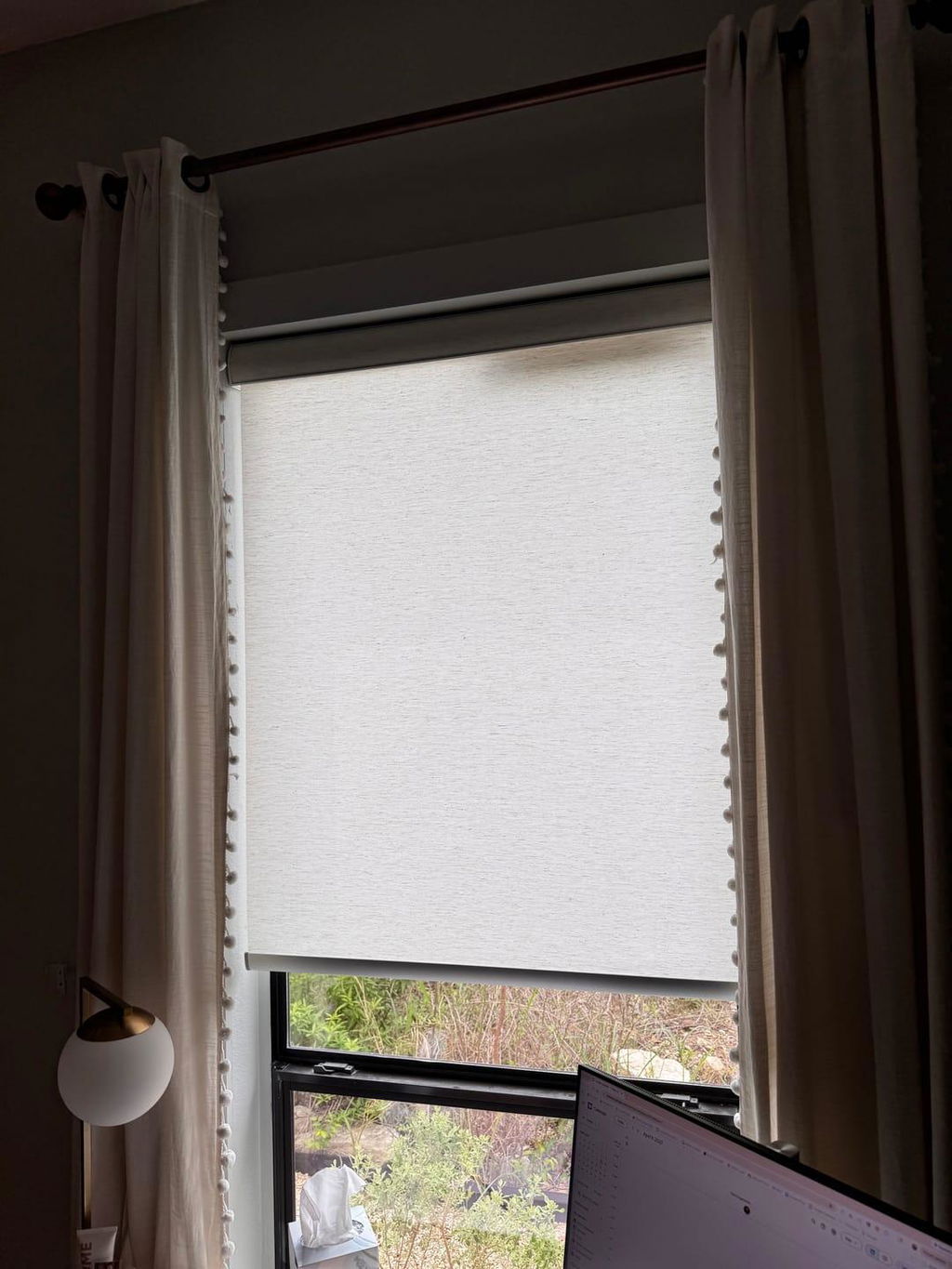
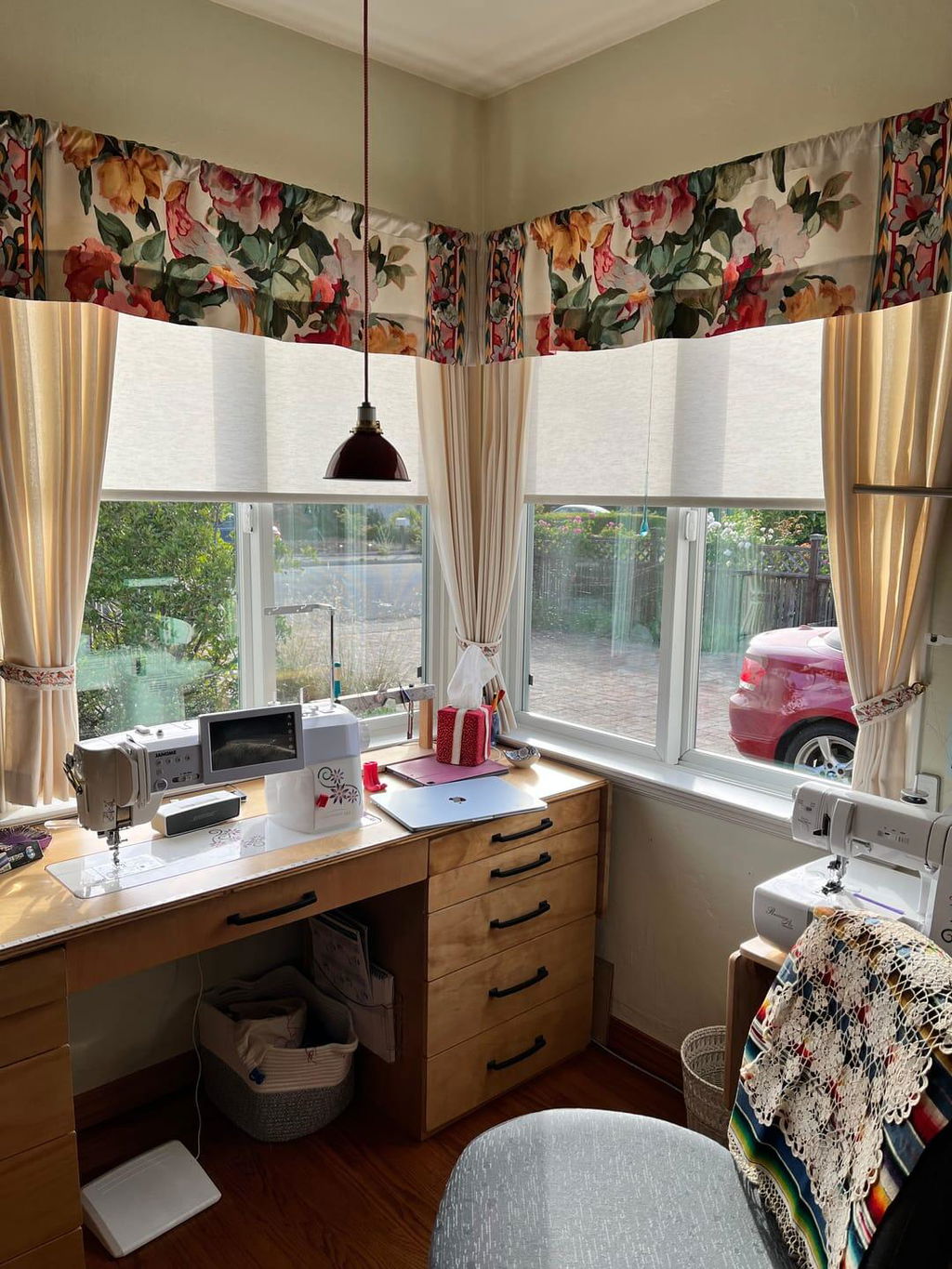
People often confuse technical shade screens with the thin mesh on their screen doors. They aren't even in the same zip code. A high-quality screen shade is usually woven from PVC-coated polyester or a vinyl-coated fiberglass. This isn't just about keeping the gnats away; it is about material science. These fibers are designed to absorb and dissipate solar energy before it reaches your glass doors or your skin.
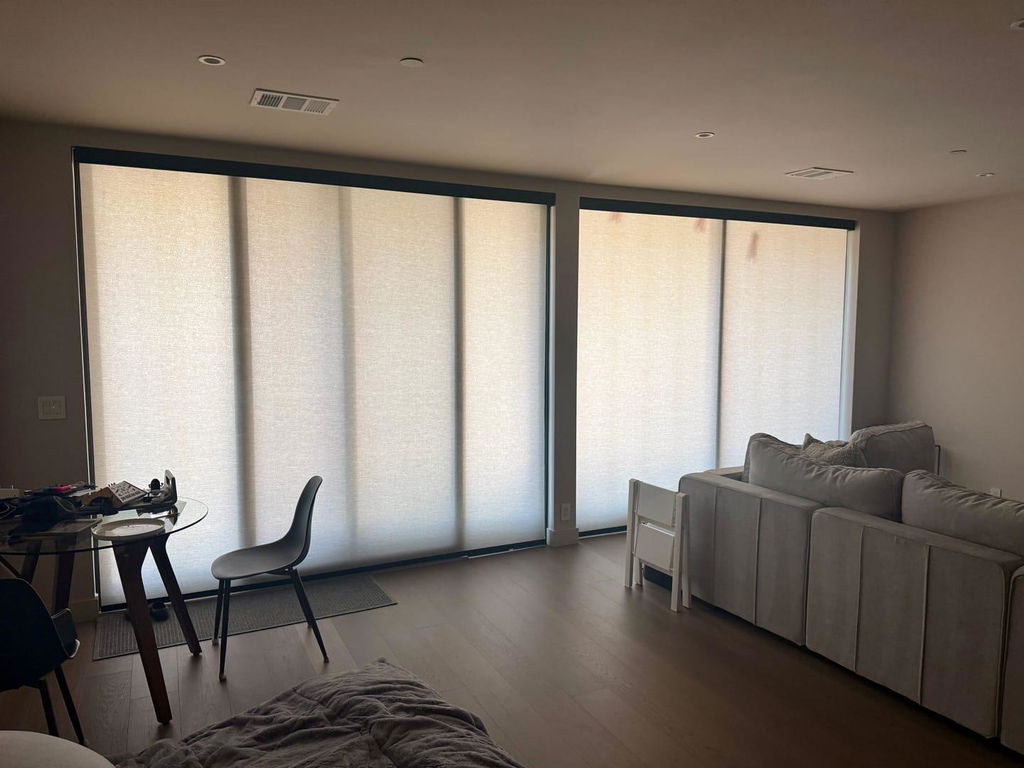
When I am looking at all your shade solutions, I am looking for weight and weave. A 400 gsm (grams per square meter) fabric feels substantial and hangs straight without waving like a flag. It creates a thermal barrier that can actually drop the temperature on your patio by 10 to 15 degrees. It turns a sweltering July afternoon into something that feels like a crisp September morning.
Outdoor Drapes vs Shade Screens: A Battle of the Elements
I love the romance of a white linen cabana drape blowing in the breeze. It looks great in a magazine. In reality? Those drapes become a tangled, mildewed mess within two months. If you live anywhere with humidity or dust, outdoor curtains require constant washing, and they never quite hang the same way twice. They also block the breeze entirely when closed, creating a stagnant pocket of hot air.
Architectural screens are the low-maintenance answer for people who actually want to use their space. They stay taut thanks to weighted bottom bars and side tracks. It is the same logic I use when choosing day night shades for an interior project—you want layers that serve a purpose. A screen provides the 'day' functionality of UV protection and glare reduction without the 'heavy' visual weight of fabric panels that soak up rain and pollen.
The 5 Percent Rule for Balancing Privacy and Airflow
The most common mistake I see is people choosing a 'blackout' outdoor shade. Unless you are trying to turn your porch into a darkroom, you want some openness. The 'openness factor' refers to how tight the weave is. A 1% weave is very tight—great for privacy, but it kills the breeze. A 10% weave is very open—you’ll feel the wind, but you might still be squinting at your book.
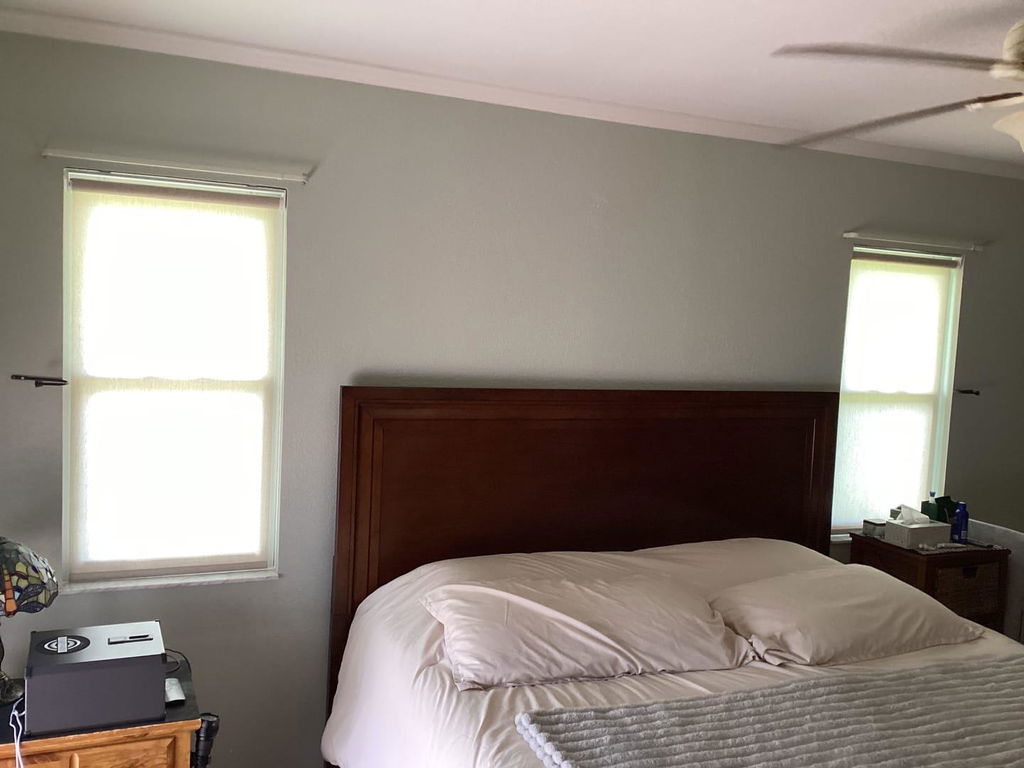
The 5% weave is the designer's 'Goldilocks' zone. At 5%, the mesh is tight enough to block the blinding glare off the pool or the neighbor’s white siding, but it is open enough that you don't lose that indoor-outdoor connection. You can still see the shape of the trees and the color of the garden. From the outside, it provides a nice bit of daytime privacy, but from the inside, it just feels like you’re wearing a pair of really high-end sunglasses.
How to Mount Your Hardware So It Actually Looks Expensive
If you want your shade to look like a custom architectural feature rather than a hardware store afterthought, pay attention to the mounting. I always recommend 'ceiling mounting' into the porch header if possible. This allows the roller cassette to tuck up out of sight. If you have to wall-mount, choose a cassette color that matches your trim exactly—bronze for dark wood, white for vinyl, or silver for modern aluminum.
Hardware stability is the other big one. I learned this the hard way after a cheap shade beat itself to death against my siding during a gusty afternoon. I swapped bungee cords for a crank sun shade and saved my patio from that constant 'thwack-thwack' sound. Use stainless steel cable guides or side tracks to keep the fabric under tension. It makes the whole setup feel permanent and expensive, rather than something you’ll be throwing in a dumpster next year.
My Design Disaster: The Midnight Measurement Fail
I once ordered a set of three custom exterior screens for a client's west-facing sunroom. I was so confident in my measurements that I didn't double-check the 'inside mount' clearance for the mounting brackets. When they arrived at 6 PM on a Friday, we realized the brackets added an extra half-inch that I hadn't accounted for. I spent four hours with a file and a prayer trying to make them fit before a party the next day. The lesson? Always measure the top, middle, and bottom of your opening, and always account for the bracket width, not just the fabric width.
FAQ
Will shade screens block my view?
Not if you choose a dark fabric color. Counterintuitively, dark mesh (charcoal or bronze) is much easier to see through than white or cream mesh, which tends to reflect light back at your eyes and create a 'fog' effect.
Can these screens stay up in the winter?
Yes, most high-end solar screens are rated for year-round use. However, I always recommend retracting them into their cassettes during heavy snow or high-wind storms to prevent the fabric from stretching or the hardware from taking unnecessary stress.
How do I clean them?
Forget the dry cleaners. A garden hose and a soft brush with some mild dish soap are all you need. Since the fabric is usually a non-porous synthetic, dirt and pollen just slide right off. Avoid power washers, as they can blow the weave out of alignment.