Outside or Inside Mount Blinds: Which Looks More Expensive?
I remember staring at a set of custom roman shades sitting on my floor, terrified to drill the first hole. I’d spent weeks debating outside or inside mount blinds for a client’s Victorian brownstone, knowing that one wrong move would either bury her hand-carved mahogany trim or leave a sloppy gap that let the streetlights in at 2 AM. It is the kind of decision that feels technical until you realize it is actually the difference between a room that feels architecturally designed and one that feels like a temporary rental.
- Inside mount celebrates your architecture; outside mount creates it.
- Depth is the ultimate gatekeeper—you need at least 2 inches for most flush mounts.
- Outside mounts are the secret weapon for hiding ugly, builder-grade plastic trim.
- Light leakage is inevitable with inside mounts unless you pair them with drapes.
Why Your Mounting Choice Dictates the Vibe of the Room
The difference between inside and outside mount blinds isn't just about where you stick the screws. It is about how you want the eye to travel across the wall. When you choose an inside mount, you are treating the window like a piece of art set within a frame. It feels tidy, intentional, and architecturally integrated. It is the choice for people who appreciate the 'bones' of their home and want a minimalist, modern profile that doesn't compete with the furniture.
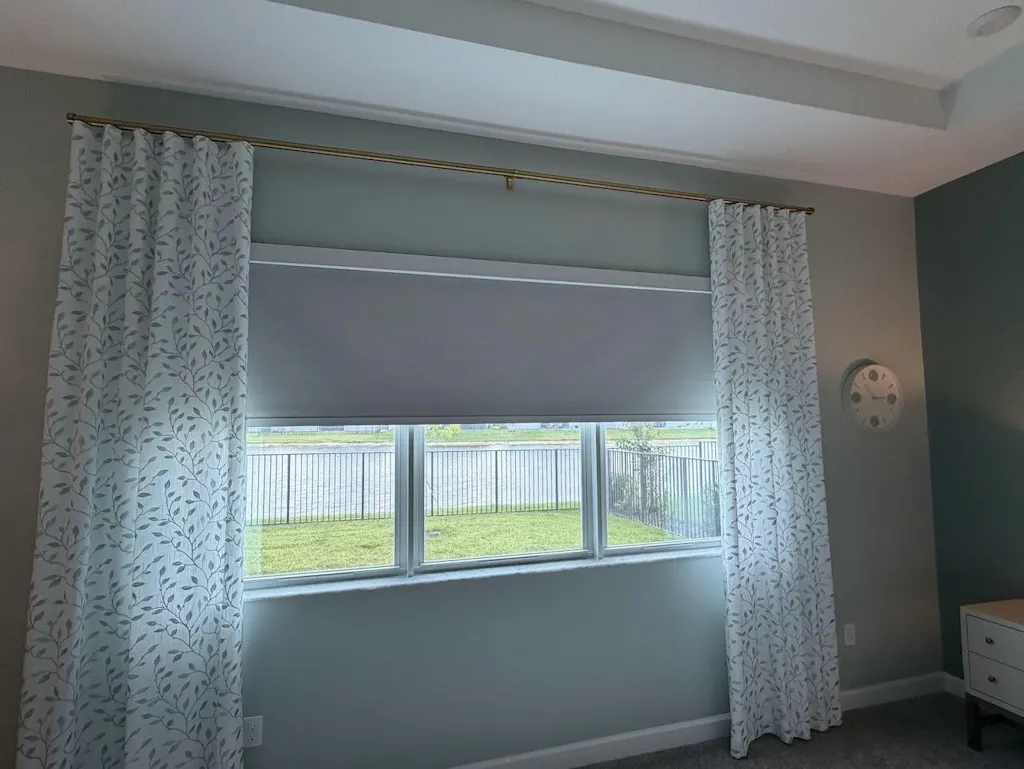
On the flip side, mounting blinds inside or outside changes the perceived scale of the room. An outside mount can act as a piece of architectural makeup. If your windows are small or off-center, hanging shades high and wide can trick the brain into seeing a much grander space. Treating your window shade mounting options as architecture rather than a last-minute hardware store run is how you get that high-end look. I have seen 200 gsm linen blends look like a million bucks just because they were hung four inches above the frame to elongate the wall.
When Inside Mount is the Only Acceptable Answer
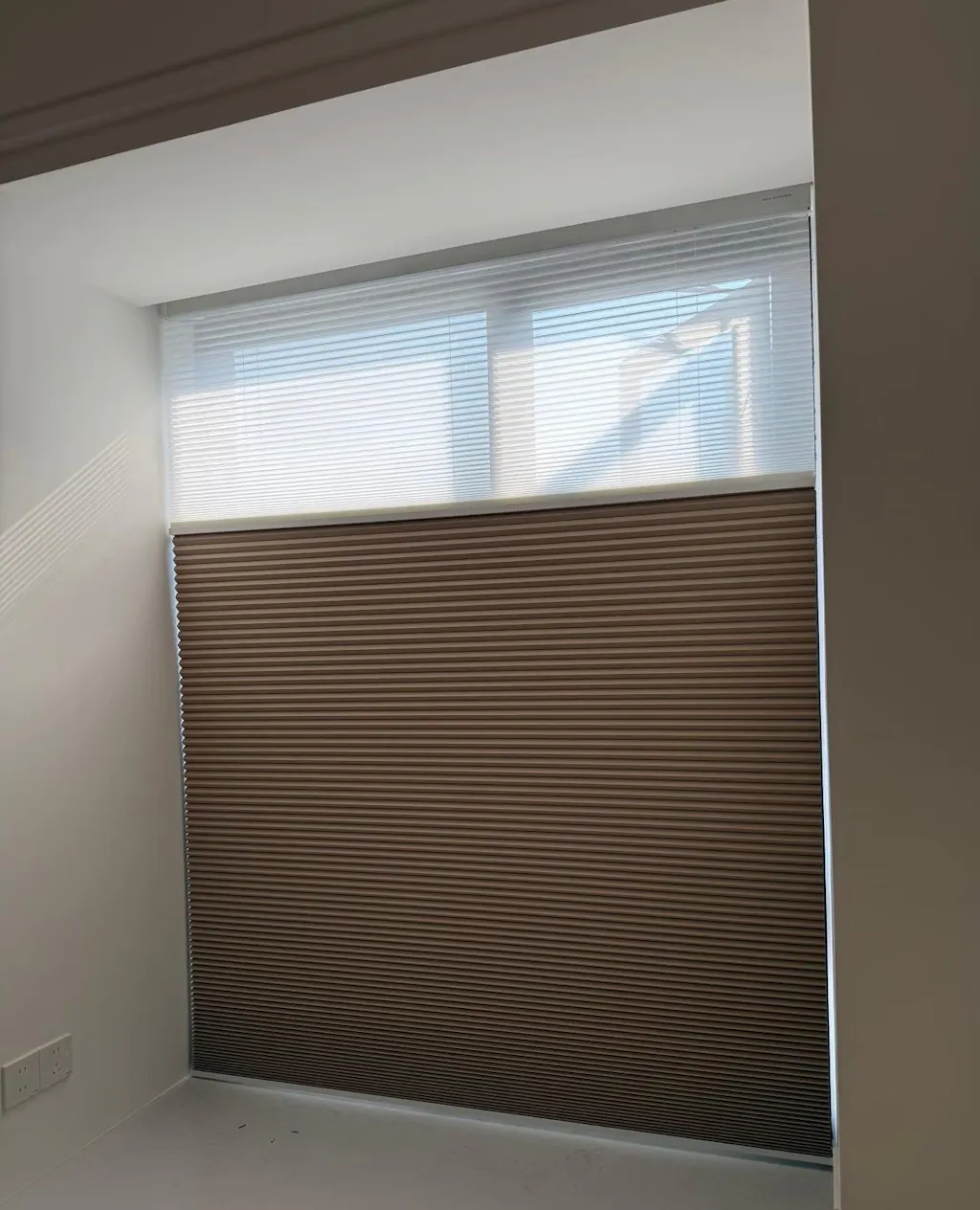
If you have invested in custom millwork or live in a home with deep, historic sills, you want to show that off. Recessing your treatments is the default for luxury interiors because it keeps the profile of the window clean. I often get asked if cellular shades inside or outside mount make a difference in performance. For cellulars, an inside mount is almost always superior because it allows the honeycomb cells to sit flush against the glass, creating a better thermal barrier. This is especially true on a cold October night when you can feel the draft hitting the glass; that tight fit matters.
When you use inside mount roller blinds, you are making a commitment to the window’s existing proportions. It is a sophisticated look that says you don’t need to hide anything. Just ensure you have at least 2 to 3 inches of 'pocket' depth; otherwise, the headrail will poke out past the trim, which is a major design faux pas. If your casing is shallow, inside vs outside mount cellular shades becomes a harder choice, as cellulars need that depth to look intentional rather than stuck-on.
The Dreaded Light Gap (And How to Live With It)
The biggest hurdle with roller shades inside vs outside mount is the light gap. Because the fabric has to be slightly narrower than the roller mechanism, you will always have about an eighth of an inch of light bleeding through the sides. In a nursery or a bedroom where you want pitch-black conditions, this can be a dealbreaker. You have to set your expectations: do you prioritize the clean look of a blind inside or outside window frame? If you need a total blackout, an inside mount alone won't get you there without side channels.
When You Should Actually Fake It With an Outside Mount
There are times when should blinds go inside outside window frame isn't even a question because the window itself is a disaster. Maybe it is a builder-grade unit with skinny plastic trim, or maybe there is no depth at all to mount a bracket. This is where the outside mount shines. By mounting the shade on the wall above the window, you hide the 'ugly' and create a much more dramatic focal point. I love using bamboo shades inside or outside mount for this—mounting a textured wood shade high and wide adds a layer of organic warmth that an inside mount just can't match.
For narrow or awkward windows, window shades inside or outside mount rules favor the outside. You can hang a 40-inch wide shade over a 34-inch window to make it appear substantial. If you are dealing with a shallow sill but want the luxury of light control, motorized dual roller shades mounted outside the frame are a brilliant solution. You get the sheer layer for daytime and the blackout layer for night without overcrowding the window opening. This is my go-to move for primary suites where the sun hits the glass at 6 AM.
Hiding the Hardware So It Doesn't Look Rented
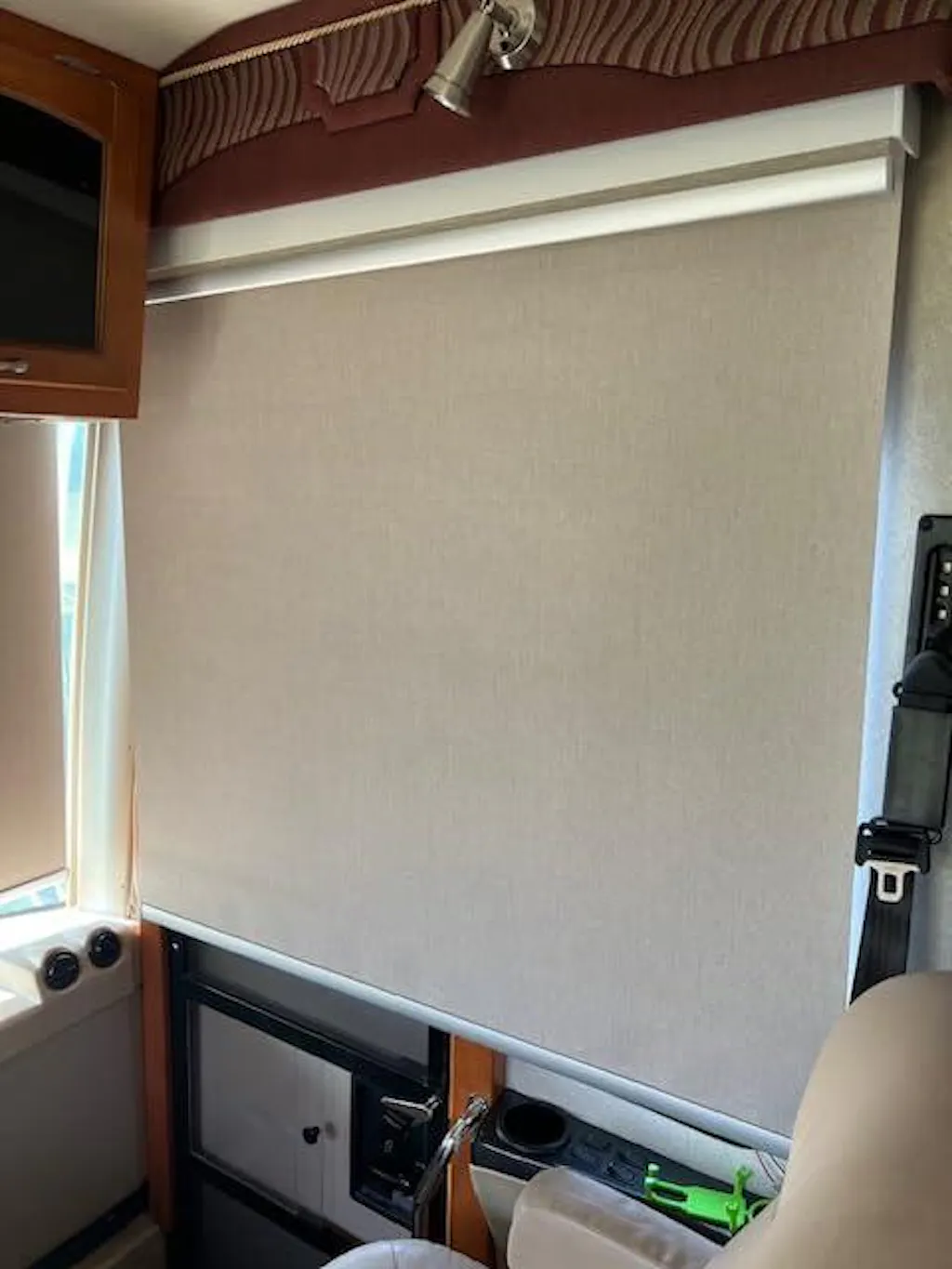
If you go with an outside mount, you have to hide the 'guts.' A naked roller bar sitting on your drywall looks unfinished and, frankly, a bit cheap. I always recommend a fabric-wrapped cassette or a sleek metal fascia to top off the look. It makes the blind look like a permanent part of the wall. When you are weighing which is better inside or outside mount blinds, remember that the outside mount requires that extra 'finished' top to look truly expensive.
How to Handle Tricky Windows, Doors, and Cranks
Real homes have obstacles. If you are asking do roman blinds go inside or outside the window and you have a crank handle for a casement window, the answer is almost always outside. A roman shade needs to hang straight; if it is bumping into a metal handle, it will look lumpy and ruin the silhouette. Similarly, for sliding glass doors, vertical blinds inside or outside mount is a common debate. I prefer outside mounts for sliders to ensure the slats clear the door handle easily without snagging every time you let the dog out.
If you are worried about the technical side of brackets and clearances, a quick look at how to install your shades can save you a massive headache. I have seen many DIYers try to force an inside mount on a door only to realize the blind hits the handle every time they try to lower it. Should blinds be inside or outside mount often comes down to the hardware already living on your window frame.
I once ordered a set of heavy bamboo shades for a sunroom, insisting on an inside mount because I loved the oak frames. I didn't account for the fact that the window wasn't perfectly square—it was off by nearly half an inch from top to bottom. The shades arrived, and they literally wouldn't fit. I ended up having to mount them outside, which I hated at first, but it actually ended up making the low ceilings feel a foot taller. Now, I always measure the width at the top, middle, and bottom before I even look at a catalog.
The Final Verdict: Should Blinds Go Inside or Outside the Window Frame?
So, what is the difference between inside and outside mount blinds when it comes to the final look? It comes down to your priorities. If you have the depth and the trim, go inside for a high-end, tailored look. If you need to hide a 'problem' window or want total blackout, go outside. Roller shades inside or outside mount? Inside for modern, outside for functional drama. Measure twice, drill once, and don't be afraid to break the rules if it makes your windows look better.
FAQ
Is inside mount or outside mount more expensive?
The price for the blinds is usually the same, but outside mounts often require slightly larger dimensions, which can bump up the cost. However, an outside mount can save you the cost of replacing ugly window trim.
Can I change from inside to outside mount later?
Usually not with the same set of blinds. Inside mounts are cut to fit your specific window width, while outside mounts are typically wider than the opening. You would likely need to order a new set.
What is the minimum depth for an inside mount?
Most standard blinds require at least 1 inch for a basic mount and 2 to 3 inches for a 'flush' mount where the blind does not stick out past the casing.