My Cordless Blinds Broke, So I Went Back to Corded Cellular Shades
I remember standing in my sun-drenched living room at 7 AM, trying to gently nudge the bottom rail of my 'premium' cordless shade, only to hear that sickening, metallic twang. The internal spring mechanism didn't just fail; it snapped with the kind of finality that tells you your $300 window treatment is now a very expensive piece of trash. After three years of fighting lopsided drops and tension rods that lost their grit, I did the unthinkable in the modern design world: I went back to corded cellular shades.
- Mechanical reliability: Simple pulleys don't snap like hidden tension springs.
- Ease of use: Reaching over deep furniture is a breeze with a cord.
- Repairability: You can actually restring a corded shade yourself in under thirty minutes.
- Longevity: These shades easily last a decade with basic care and a sturdy cleat.
The Day the Spring Snapped (Again)
There is a specific kind of rage reserved for 'cordless' convenience that stops being convenient. I had spent a small fortune on a sleek, string-free look for my Victorian-era windows, thinking I was modernizing the space. But when that internal spring goes, the shade becomes a permanent blackout curtain or a crooked mess that refuses to stay level. I spent forty minutes with a screwdriver trying to tension a tiny plastic gear before realizing I was fighting a losing battle against planned obsolescence.
The 'lopsided drop' is the ultimate design fail. One side hangs two inches lower than the other, mocking your attempt at a clean aesthetic. After the third unit in my house failed—always just outside the warranty window—I realized that the hidden mechanics of cordless options are their greatest weakness. I missed the tactile, predictable click of a cord lock that actually stays where I put it.
Why I Trust a Simple Pulley System
When you look at the broader category of Cellular Shades, the debate usually centers on light filtration or R-values. But we need to talk about the physics of the lift. A cellular blinds with cord setup uses a basic pulley system that has worked for centuries. It relies on gravity and a manual lock rather than a high-tension spring fighting against the weight of the fabric every second of the day.
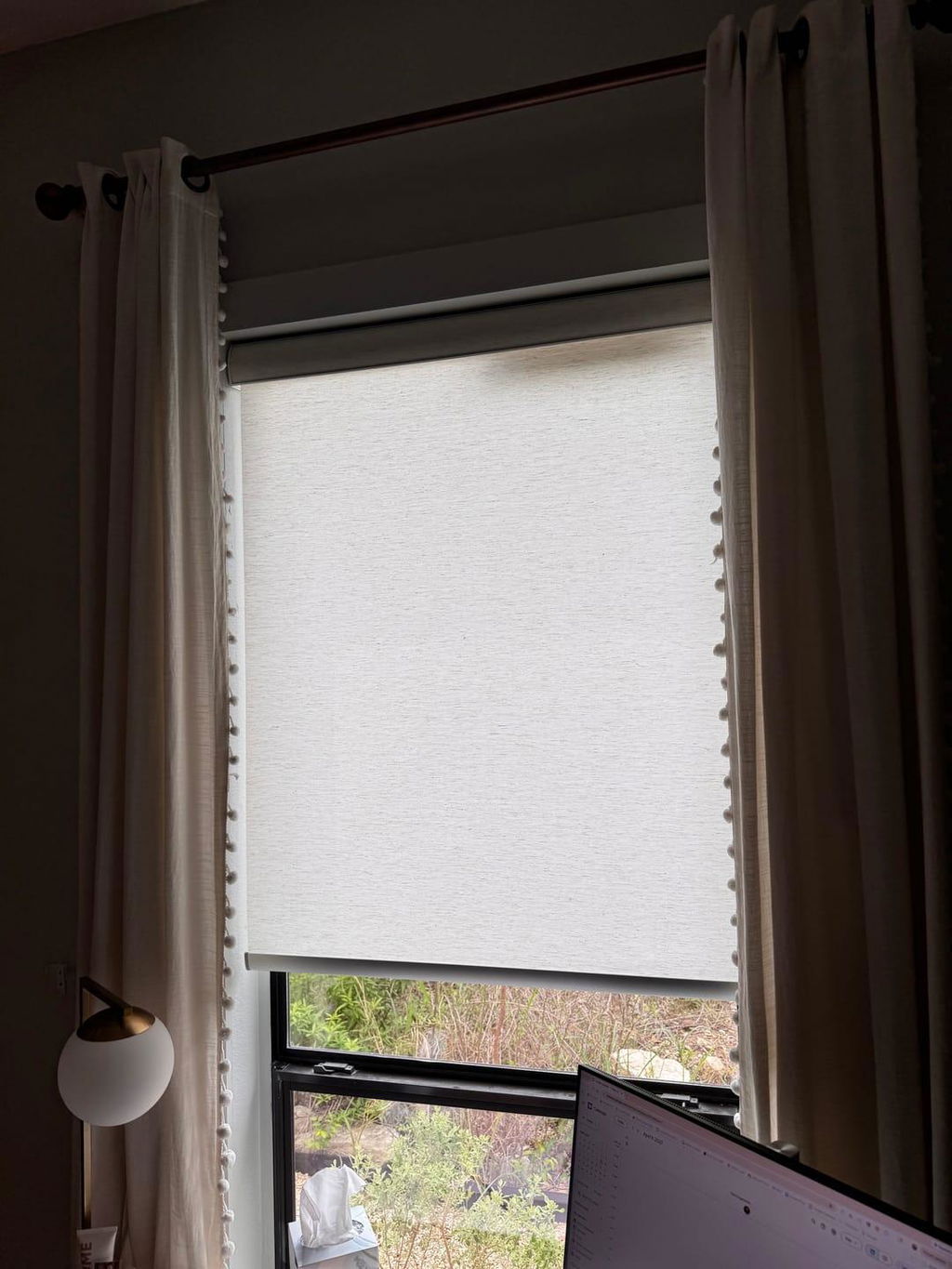
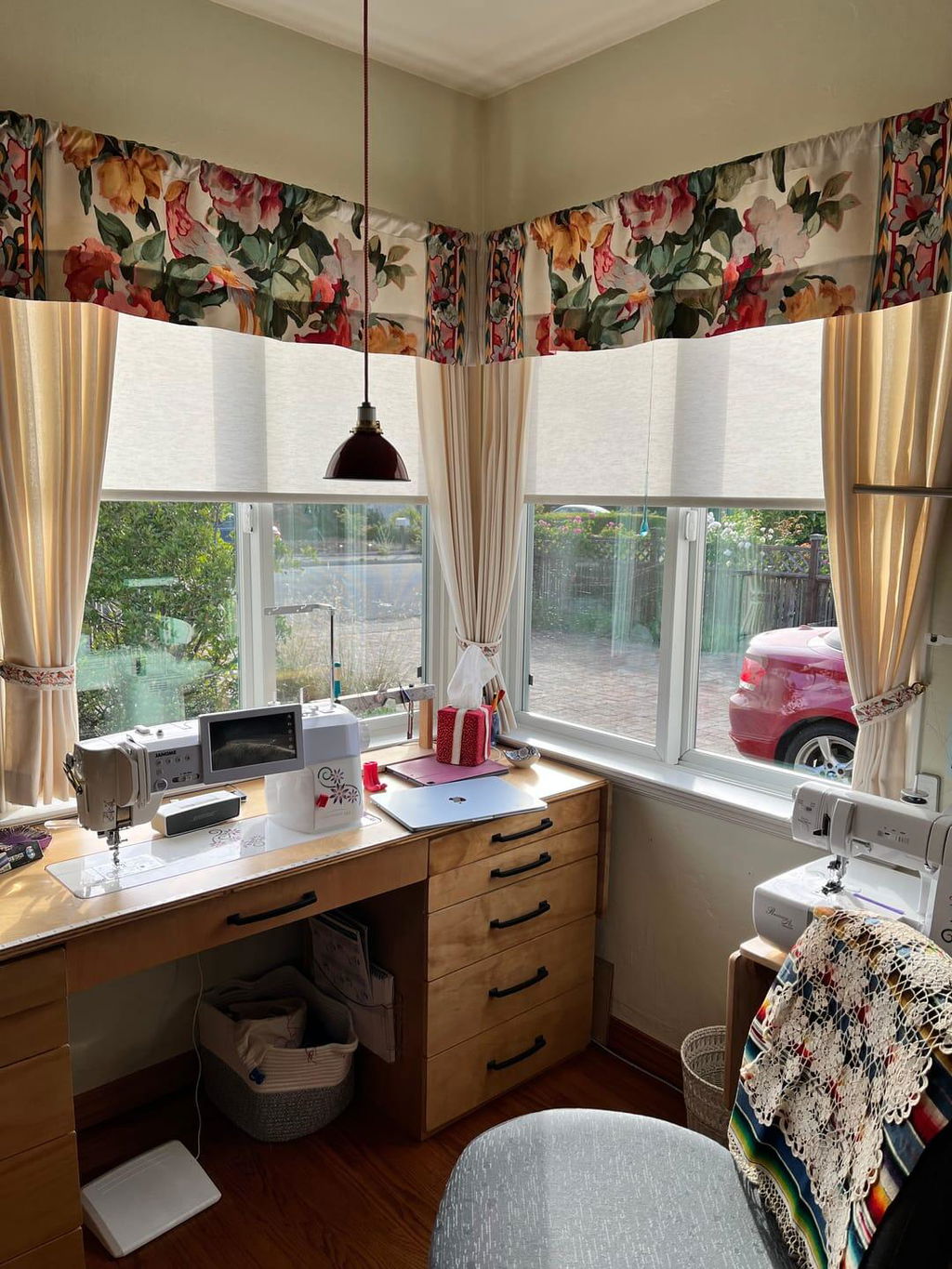
In my guest room, I installed a set of 3/4-inch single cell honeycombs in a soft 'Alabaster' white. The cords are color-matched, and the mechanism is so smooth it feels like butter. There is no guessing if the tension is right or if I have pushed the rail up perfectly level. I pull, it locks, and it stays there until I say otherwise. It is the kind of reliability that makes a house feel functional rather than fragile.
The Repairability Factor No One Talks About
Here is the honest truth: everything breaks eventually. But when a cordless shade fails, it is usually destined for the landfill because those internal canisters are sealed shut. When a cord on my cellular shades with cords frays—usually because my cat decided it was a toy—I don’t panic. I go to the hardware store, grab some 0.9mm lift cord, and restring it myself while listening to a podcast.
I once had a beautiful linen-textured shade that I thought was a goner after a particularly rough move. Because it was a corded system, I was able to take the headrail apart, clear out some dust that had jammed the lock, and it worked as good as new. Try doing that with a spring-loaded cordless unit without losing an eye or a finger. In a world of disposable furniture, I am choosing the version I can actually maintain for the long haul.
When You Actually Need That Pull String
Let’s talk about architectural reality. Not every window is at chest height. In my kitchen, I have a deep farmhouse sink that requires a significant reach to touch the window glass. Attempting to push up a cordless shade while leaning over a sink full of soapy water is a recipe for a pulled muscle or a wet sleeve. Having cellular shades with pull cord means I can operate the light from a comfortable distance without the gymnastics.
The same logic applies to the windows behind my heavy, deep-seated velvet sofa. I do not want to climb onto the cushions every morning just to let the light in. For those truly impossible spots, like the slanted glass in a sunroom or high ceilings, I would skip the manual struggle entirely and look at something like the Canisteo Motorized Skylight Cellular Shades Flex. But for standard windows with a bit of a reach, the cord is king.
But Wait, Are Strings Actually Safe?
The biggest pushback against cellular shades with cords is safety, and it is a valid concern. However, we have moved past the era of long, looping hazards. I manage this by installing heavy-duty metal cord cleats on the window frame, about five feet off the ground. Every time I raise the pleated shades with cords, I wrap the excess string in a neat figure-eight.
It takes three seconds, and it keeps the lines looking tidy. Plus, modern corded systems often come with breakaway tassels that snap apart if any weight is applied to the loop. You get the mechanical longevity of a classic system without the anxiety. It is about being a responsible homeowner—much like how we anchor heavy dressers to the wall or keep detergent pods out of reach.
Making the Final Call for Your Windows
Design is often a trade-off between the 'perfect' photo and the way we actually live. A cordless window looks cleaner in a magazine spread, sure. But in a real home where you are opening and closing shades twice a day, every day, durability wins. I have stopped chasing the stringless ghost and embraced the utility of the cord.
If you are still on the fence about which direction to take, I highly recommend reading up on Why I Constantly Have the Cellular Shades vs Blinds Debate With Clients. It helps to settle on your fabric and style first. But when it comes to the lift? Give me the cord. I would rather have a string to wrap than a broken spring I cannot fix at midnight before guests arrive.
Can I convert my cordless shades to corded?
Generally, no. The headrails are built entirely differently. The cordless versions use a spring motor, while corded versions use a series of pulleys and a cord lock. It is better to buy the right mechanism from the start.
Do corded shades look cluttered?
Only if you let the cords dangle. If you install a sleek brass or matte black cleat and wrap the cord properly, it actually looks quite intentional—like a bit of functional hardware that adds character to the window frame.
Which is better for heavy fabrics?
Corded systems win every time for heavy or extra-wide shades. Springs have a weight limit before they start to fail or 'creep' downward. A cord lock is a physical clamp that doesn't care how much the fabric weighs.