I Tested 5 Systems to Find the Best Motorised Blinds for Luxury Rooms
I remember sitting in my sun-drenched living room last July, squinting at my laptop screen while the glare bounced off a glass coffee table. I didn't want to get up and fiddle with five different cord loops, but I also didn't want my home to look like a Silicon Valley boardroom. Finding the best motorised blinds shouldn't mean sacrificing your aesthetic for a remote control.
Quick Takeaways
- Quiet motors are non-negotiable; if it sounds like a drill, it isn't luxury.
- Look for 'hembar' options that match your fabric for a seamless look.
- Battery-powered units are now sleek enough to avoid bulky external packs.
- Integration with your existing smart hub is better than having five separate apps.
The Problem With Most Smart Window Treatments
Most smart blinds are designed by engineers, not decorators. They focus on the motor torque but forget that a 100% polyester shade with the texture of a plastic tarp looks cheap, no matter how fast it moves. I've seen too many 'best smart blind' contenders that come with massive, chunky headrails that stick out four inches from the wall, ruining the lines of a classic window frame.
The market is flooded with tech-first companies that think automation is a substitute for quality. You get a shade that connects to your Wi-Fi in seconds but features a stiff, synthetic fabric that refuses to hang straight. When you are looking for best automated blinds, you shouldn't have to choose between a 'smart' home and a beautiful one. Those oversized plastic fascias are the enemy of a well-tailored room.
What Actually Makes a Smart Shade Look Expensive?
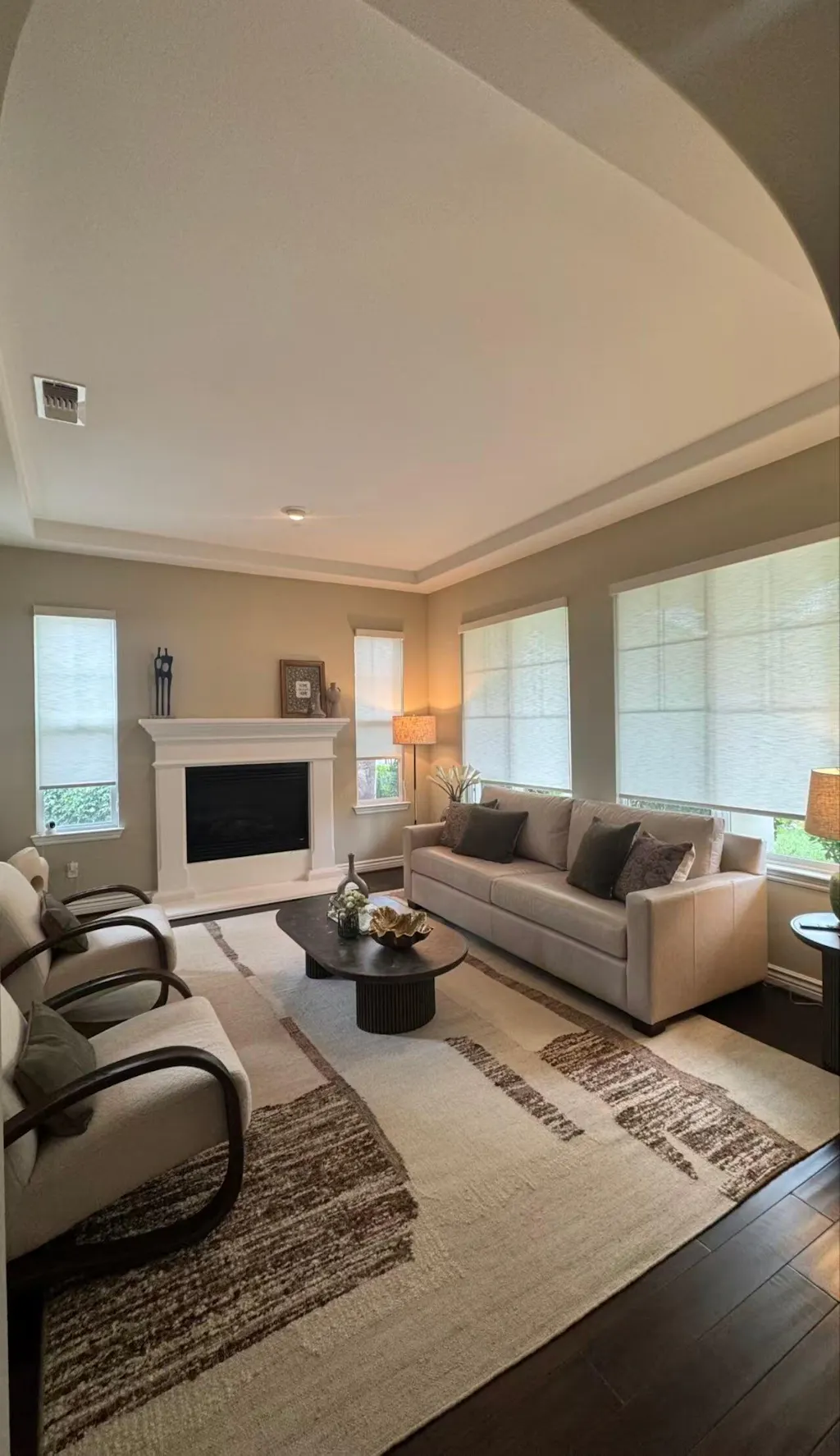
High-end design is about what you don't see. A best motorized window shades setup should feature a low-profile cassette that blends into your trim or disappears into the window recess. I recently switched to Somfy blinds because the grinding sound of a cheap motor is the fastest way to kill a 'quiet luxury' vibe. You want a gentle hum, not a lawnmower waking you up at sunrise.
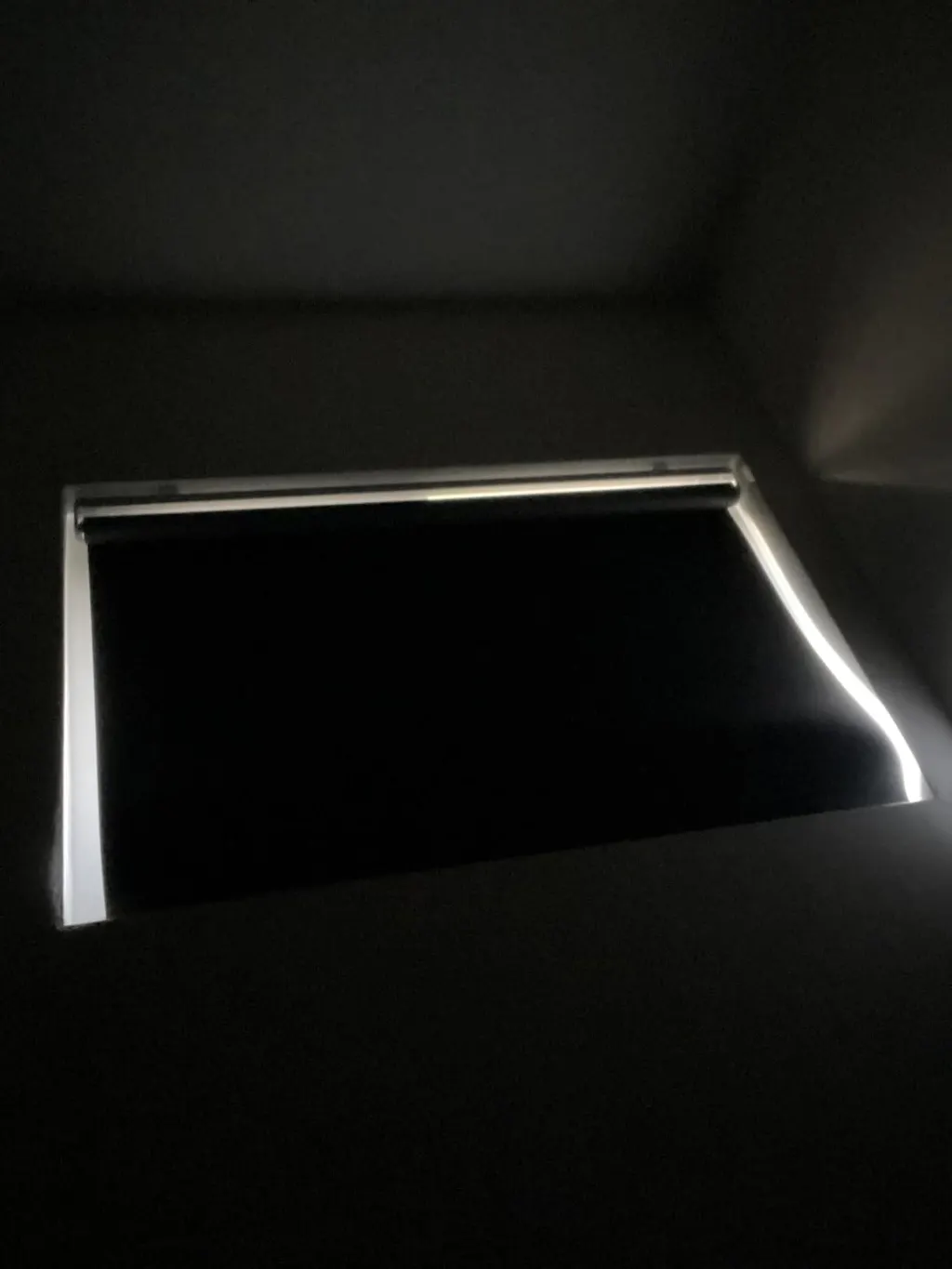
Fabric weight is the second big giveaway. Cheap shades are thin and let light leak through the sides. For a truly custom feel, I look for sleek roller shades that use high-quality weaves or linen-look synthetics that actually have some 'hand' to them. If the shade is too light, it will flutter every time the AC kicks on, which looks incredibly flimsy.
My Strict Criteria for the Best Automated Blinds
I put these systems through a rigorous checklist. First, battery life: I don't want to be charging my windows every three weeks. I look for a minimum of six months on a single charge. Second, the app experience. If the 'best automatic shades' require a degree in computer science to schedule a 7 AM opening, they are a failure in my book.
I also tested how affordable smart blinds stack up against the $3,000 custom quotes. There is a middle ground where you can get reliable Zigbee or Bluetooth motors without the designer markup, provided you are willing to do the mounting yourself. The goal is a system that responds instantly to a voice command or a sunset trigger without a five-second lag.
The Testing Process: Hits, Misses, and the Loud Ones
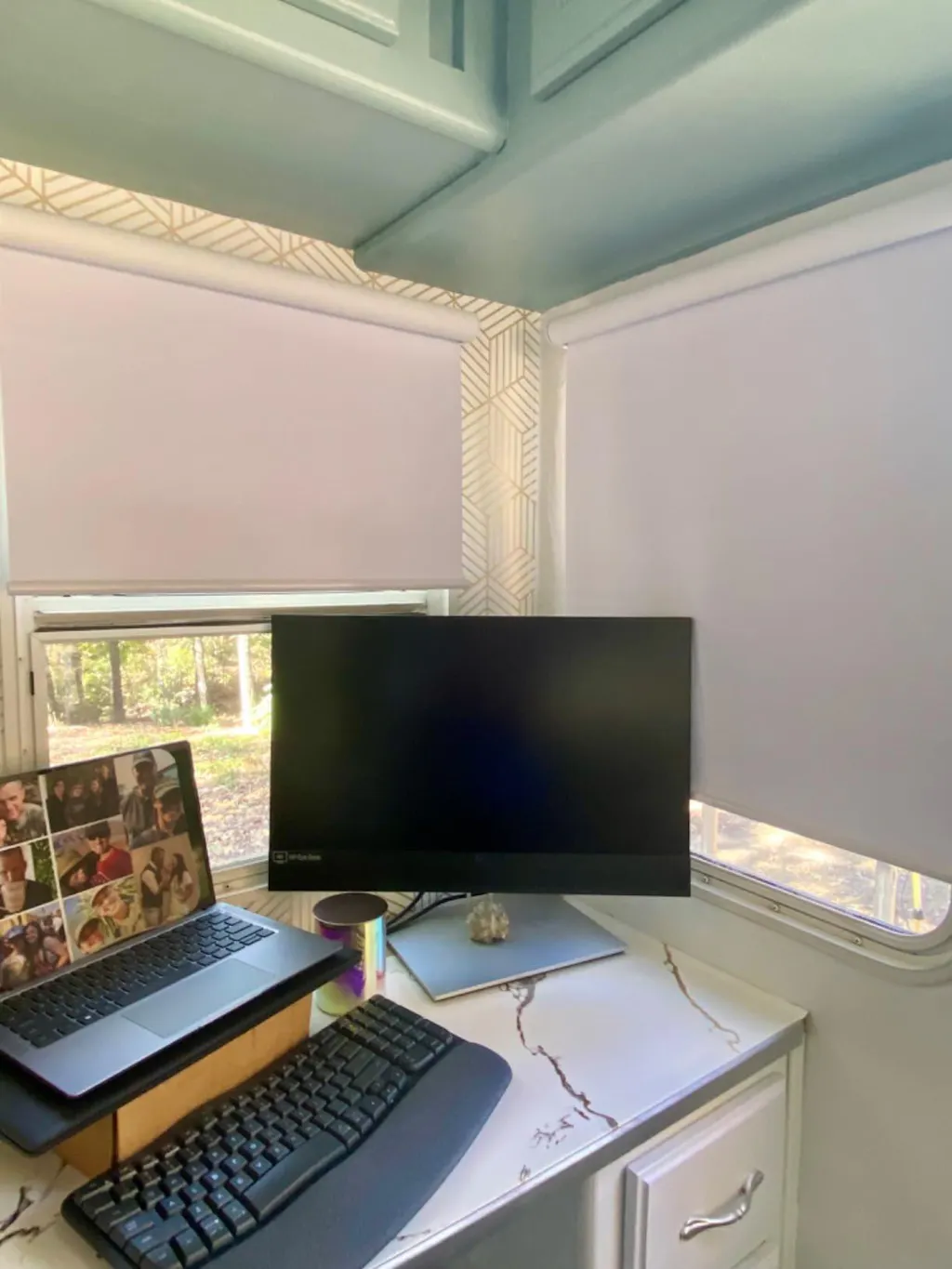
In my living room, I tested motorized dual roller shades. This is the ultimate setup for versatility: a sheer 1% openness screen that cuts glare while I'm working, and a heavy blackout fabric for movie nights. The dual system is heavier, so the motor quality matters even more here to prevent stuttering as it lifts two layers of fabric.
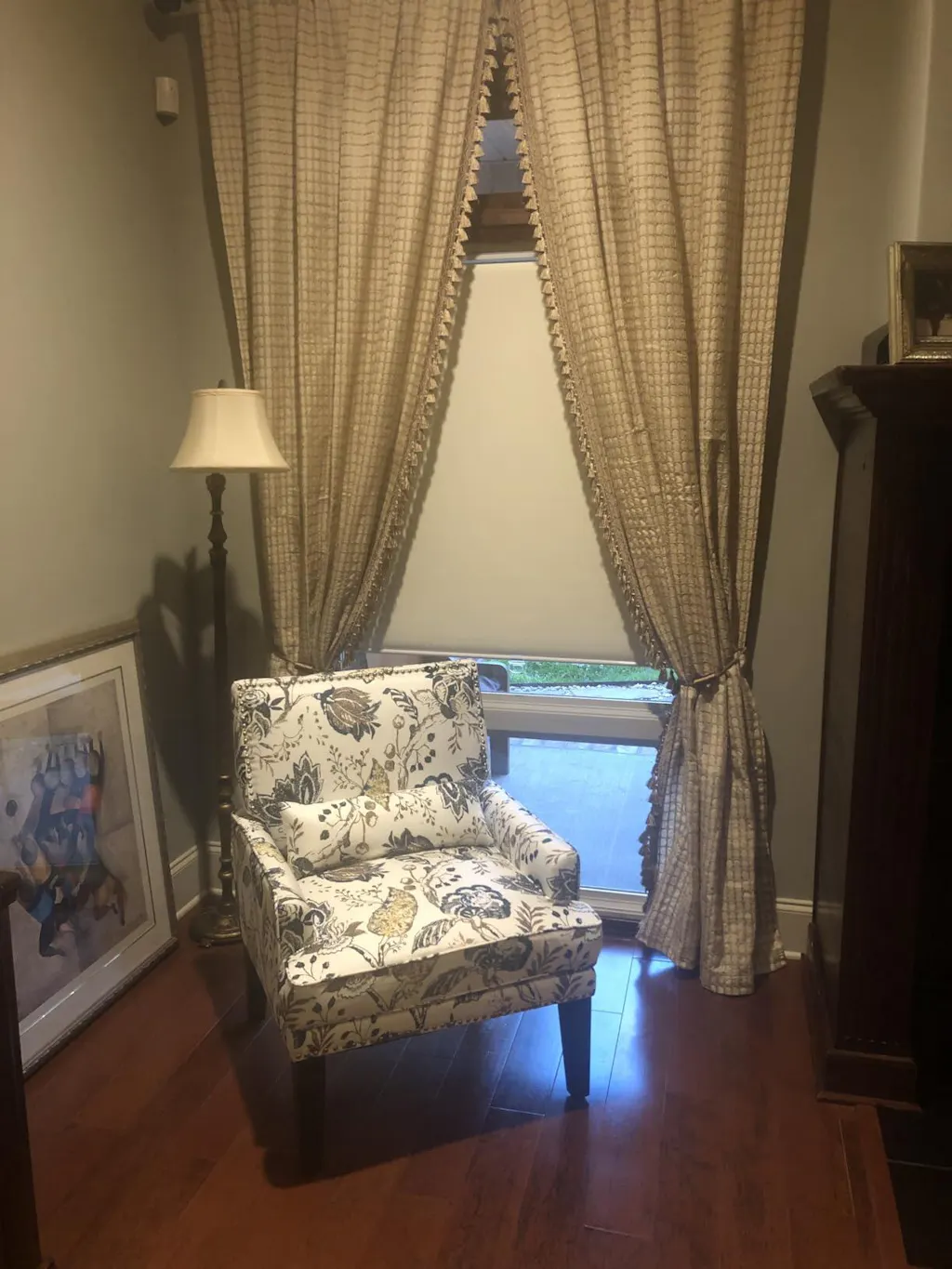
I also tackled the 'impossible' window in my attic office—a slanted glass pane that usually requires a ladder to reach. Using motorized skylight cellular shades was a total shift in how I use that room. No more baking in the 2 PM sun. My motorised blinds review of the cheaper skylight options was less glowing; many struggled with the tension required to keep the fabric from sagging in the middle of the frame.
The Final Verdict: Which System Won Me Over
The winner was the system that didn't require a weekend-long firmware update just to close the shades. Reliability is the ultimate luxury. I've read countless motorized shades reviews where the tech fails after a month, but the top-tier systems I've settled on use robust radio frequencies that don't drop out when your Wi-Fi is spotty.
If you ever lost motorized shade instructions, you know the panic of a shade that has lost its 'limits' and keeps rolling until it bunches up. The best systems have intuitive physical overrides or dead-simple apps that let you reset the top and bottom positions in seconds. After months of motorized window shades reviews, I've found that spending 20% more on a better motor saves 100% of the headache later.
FAQ
Do motorised blinds need to be hardwired?
Not anymore. While hardwiring is great for new builds, modern battery-powered motors are incredibly strong and hidden inside the roller tube. You only need to plug them in to charge once or twice a year.
Can I control my automated shades when I'm not home?
Yes, if you use a smart bridge or hub. This allows you to close your shades from your phone while you're at dinner to make it look like someone is home or to keep the house cool.
Are motorised blinds much louder than manual ones?
The high-end ones are nearly silent—a soft whirring sound. The budget versions can be buzzy and loud. If you are putting them in a bedroom, always check the decibel rating in the motorized shades reviews before buying.