I Swapped Heavy Drapes for Roller Shades Light Filtering (Here's Why)
Last February, I stood in my living room at 3:00 PM and realized I was living in a dusty, velvet-lined cave. I had spent a small fortune on 300 gsm double-width velvet drapes, thinking they would make the space feel 'rich.' Instead, they just ate the light. Every time I wanted a sliver of sun, I had to wrestle with heavy tie-backs, only to expose my entire life to the neighbors walking their dogs. That was the day I finally ordered roller shades light filtering and stopped pretending my house was a 19th-century theater.
Quick Takeaways
- Light filtering fabrics diffuse harsh UV rays into a soft, photographic glow.
- They provide daytime privacy without the 'closed-off' feeling of blackout shades.
- Modern rollers have a slim profile that mounts inside the window frame, saving floor space.
- Neutral tones work best to avoid casting strange color tints on your walls.
The Heavy Drapery Mistake I Kept Making in Living Rooms
For years, I fell for the 'more is more' drapery trap. I’d buy 96-inch panels, hang them four inches above the trim, and let them puddle on the floor. It looks stunning in a high-ceilinged showroom, but in a real-world 12x15 living room with 8-foot ceilings, it’s suffocating. The fabric bulk sits on the edges of the window even when 'open,' effectively shrinking your glass by six inches on each side.
I finally hit a breaking point when I noticed my Fiddle Leaf Fig was dropping leaves because it wasn't getting enough peripheral light. I needed something that stayed out of the way. I wanted the architectural lines of the window frame to actually show, rather than being buried under layers of linen and polyester. Switching to a slim-profile shade immediately made the room feel three feet wider.
What Actually Happens When You Use Light Filtering Roller Blinds?
Choosing the right opacity is where most people panic. You have three main camps: solar shades, blackout shades, and light filtering. Solar shades are great for heat, but they are essentially a mesh screen; at night, with the lights on, they offer zero privacy. Blackout shades are great for sleep, but they are either 'on' or 'off'—there is no middle ground. They turn your living room into a bunker.
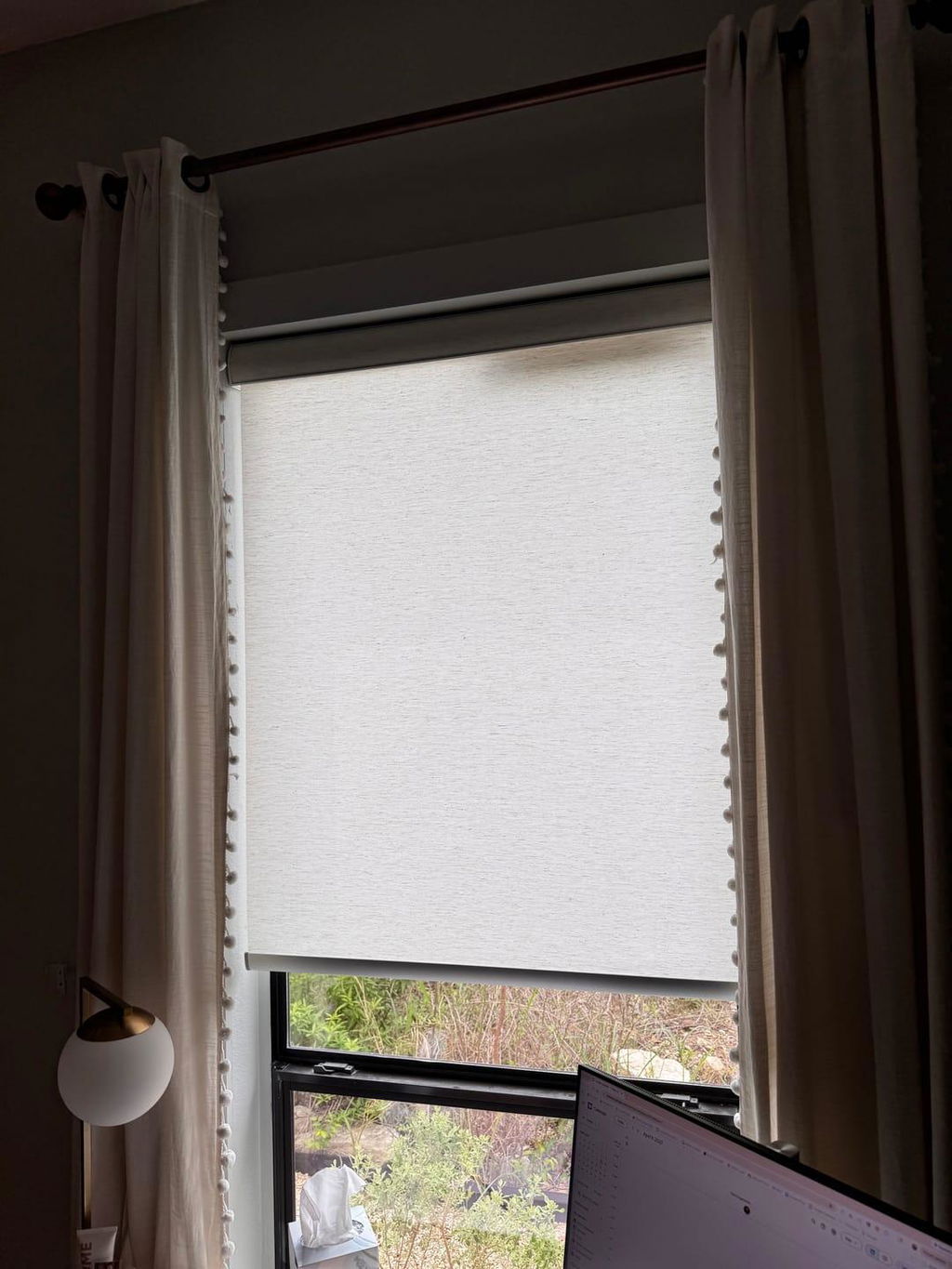
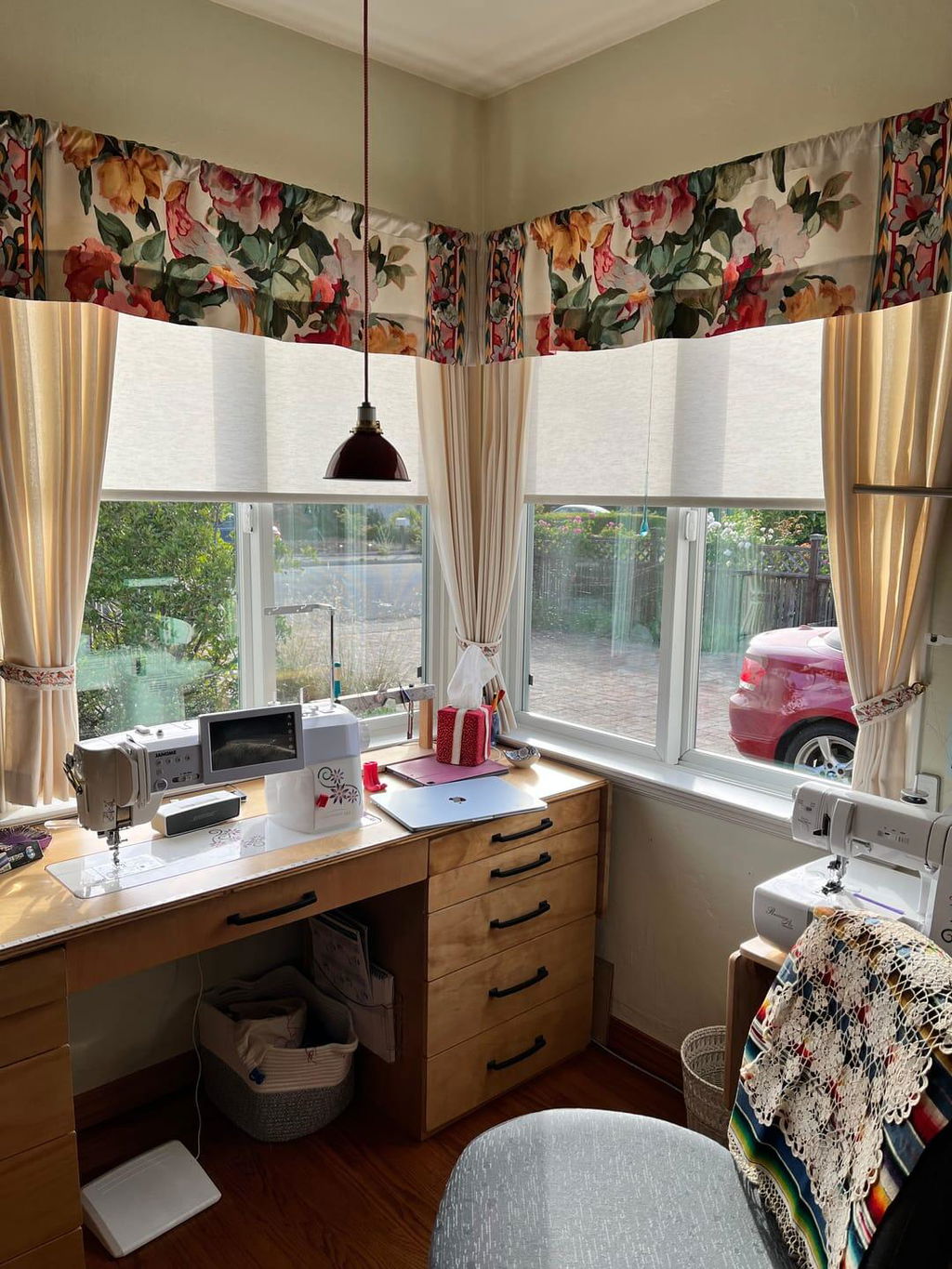
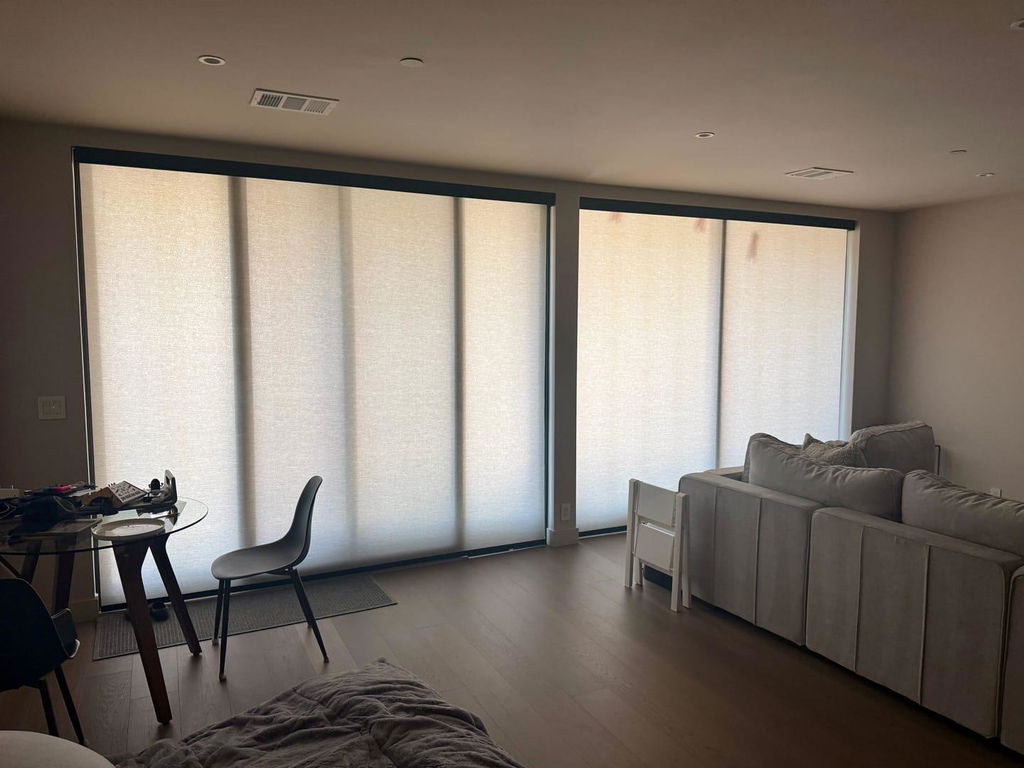
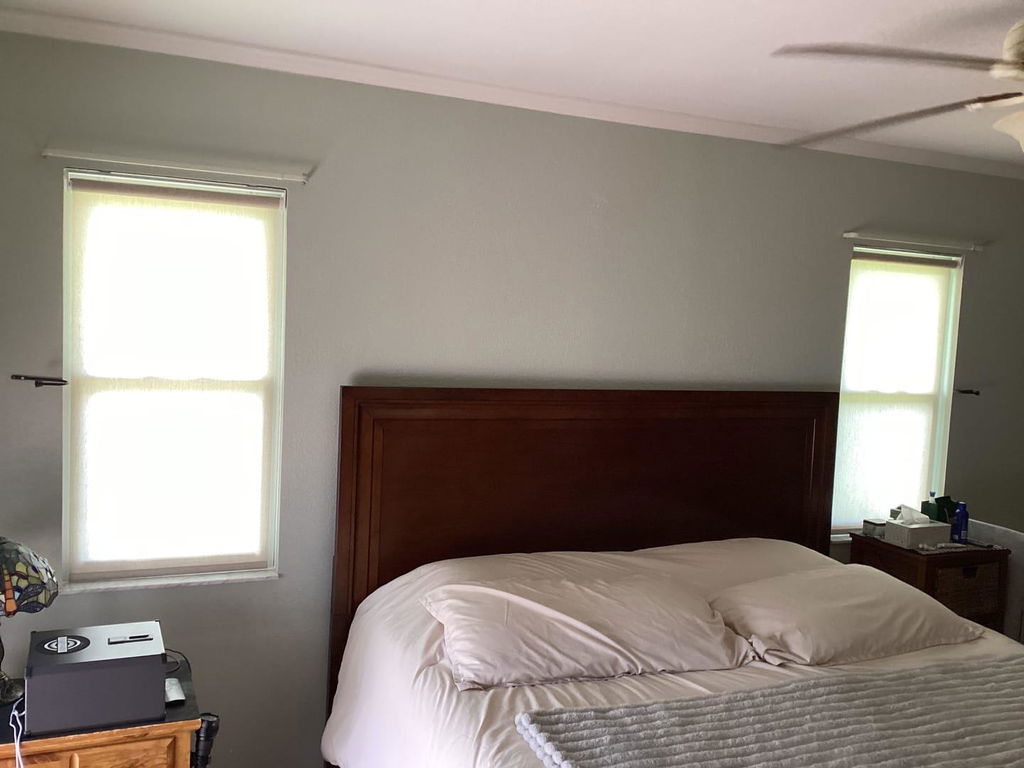
When you install Roller Shades in a light-filtering fabric, you're choosing the 'softbox' effect. Think of it like a professional photographer’s umbrella. It takes that harsh, squint-inducing afternoon sun and spreads it evenly across the room. You lose the glare on your TV and the heat on your skin, but the room stays bright. These light filtering roller blinds act as a permanent filter for your life, making everything from your coffee table to your rug look just a little bit better.
The Nighttime Privacy Test: Can Neighbors See In?
This is the number one question I get: 'If I use roller blinds light filtering, will the guy across the street see me eating popcorn in my pajamas?' The answer depends entirely on the fabric weight and color. During the day, you are invisible. At night, with a 3000K LED lamp on inside, a light-filtering shade will show a soft, blurry silhouette if you are standing right against the window. If you're six feet back on the sofa, you're just a vague shape.
A word of caution on color: I once installed a beautiful terracotta-toned shade in a client's white-walled breakfast nook. The second the sun hit it, the entire room looked like it was on fire—and not in a good way. It’s a common pitfall I’ve seen before, and it’s why I always suggest checking Why Your Light Filtering Roller Shades Make The Room Look Yellow before you commit to a warm-toned fabric. Stick to cool whites or soft greys if you want to keep your paint colors true.
But What If I Need Total Darkness Sometimes?
I’ll be honest: there are days when light filtering isn't enough. If your living room doubles as a guest space or you’re a serious cinephile who needs a pitch-black room for a Saturday afternoon movie, you might feel stuck. I used to tell people they had to layer curtains over their shades, but that just brings back the bulk I was trying to avoid.
The solution I finally landed on for my own media room was the Canisteo Motorized Dual Roller Shades Cordless Custom Double Roller Blinds. It’s a two-in-one system. You have one layer that provides that gorgeous daytime glow and a second, independent blackout layer for when you want to disappear from the world. It’s the ultimate 'no compromises' setup for a multi-use room.
The 3 Rooms Where This Opacity Is Absolutely Non-Negotiable
First: the kitchen. Nobody wants heavy, grease-trapping fabric near a stove. A light-filtering roller provides privacy from the neighbors while you're in your robe making coffee, but it doesn't block the task light you need to chop vegetables. Plus, most synthetic rollers wipe down with a damp cloth—try doing that with a silk drape.
Second: the home office. Screen glare is the enemy of productivity. I spent months tilting my laptop screen at awkward angles to avoid the 2 PM sun. A light-filtering shade kills the reflection on the glass without making me feel like I’m working in a closet. It keeps the 'outdoors' feeling alive while letting me actually see my spreadsheets.
Third: the first-floor bathroom. You need the modesty, but a windowless-feeling bathroom is depressing. These shades allow you to have a bright, airy morning routine without giving the sidewalk a free show. It’s the perfect balance of modesty and aesthetic.
Frequently Asked Questions
Are light filtering shades the same as sheer shades?
Not quite. Sheers are often see-through and offer very little privacy at night. Light filtering fabrics are more opaque; they block the view but let the lumens through. Think of it as the difference between a lace curtain and a frosted glass window.
Can you see through light filtering roller blinds at night?
No, you cannot see clear details. You might see a faint glow or a soft shadow if someone is standing directly in front of a light source, but your privacy remains intact for all standard living situations.
How do I clean them?
Most are made from a polyester or P-PVC blend. A quick vacuum with a brush attachment once a month keeps the dust off. For spots, a damp microfiber cloth with a tiny bit of mild dish soap usually does the trick. Just don't scrub too hard or you might mar the texture.