Why Your Light Filtering Roller Shades Make the Room Look Yellow
I remember the day I finished my living room renovation. I had spent three weeks agonizing over the perfect white paint, finally landing on Chantilly Lace—crisp, clean, and supposedly neutral. I paired it with brand-new white oak floors that cost more than my first car. But the moment I installed my light filtering roller shades and the 3 PM sun hit the windows, my 'perfect' white room turned the color of a sickly yellow egg yolk.
It was a design heartbreak. I had the right paint and the right furniture, but I had completely ignored how the sun interacts with fabric. When you choose light filtering fabric roller shades, you aren't just covering a window; you are installing a massive color filter that dictates the mood of your entire home for eight hours a day.
Quick Takeaways
- Light filtering shades act as giant photography diffusers, spreading light and color throughout the room.
- The undertone of your fabric will be amplified by the sun, often turning 'cream' into 'yellow.'
- Cool-toned whites help neutralize intense, warm afternoon sun.
- Always test your fabric samples at the window during the specific time of day you use the room most.
The Day I Realized My Window Shades Were Tainting My Paint Color
I stood in the center of my living room, clutching a latte and staring at my walls in horror. The crisp, gallery-white vibe I wanted was gone. In its place was a murky, jaundiced glow. I blamed the paint. I blamed the lightbulbs. I even blamed the trees outside.
Then, I raised the shades. Suddenly, the walls were white again. It turns out the 'warm white' fabric I chose was just yellow enough that, when backlit by 2,000 lumens of direct sunlight, it projected a golden hue onto every surface in the room. My expensive white oak floors looked orange. My grey sofa looked muddy. I learned the hard way that window treatments are the largest 'lamp' in your room.
How Light Filtering Fabric Roller Shades Actually Work
Think of your window treatments on a spectrum. Blackout shades are the brick walls—they stop light entirely. Solar shades are the sunglasses—they cut glare but keep the view. Light filtering roller window shades, however, are the softboxes of the interior design world. They are designed to catch the light, hold it, and scatter it evenly across the space.
Most of these shades are made from a polyester or a polyester-linen blend, usually around 200 to 300 gsm. This density is high enough to obscure shapes from the outside but thin enough to let the 'glow' through. Because the light is passing through the fibers rather than bouncing off them, the color of those fibers becomes the color of your room's atmosphere.
The 'Color Cast' Rule: Matching Your Shade to Your Room's Undertones
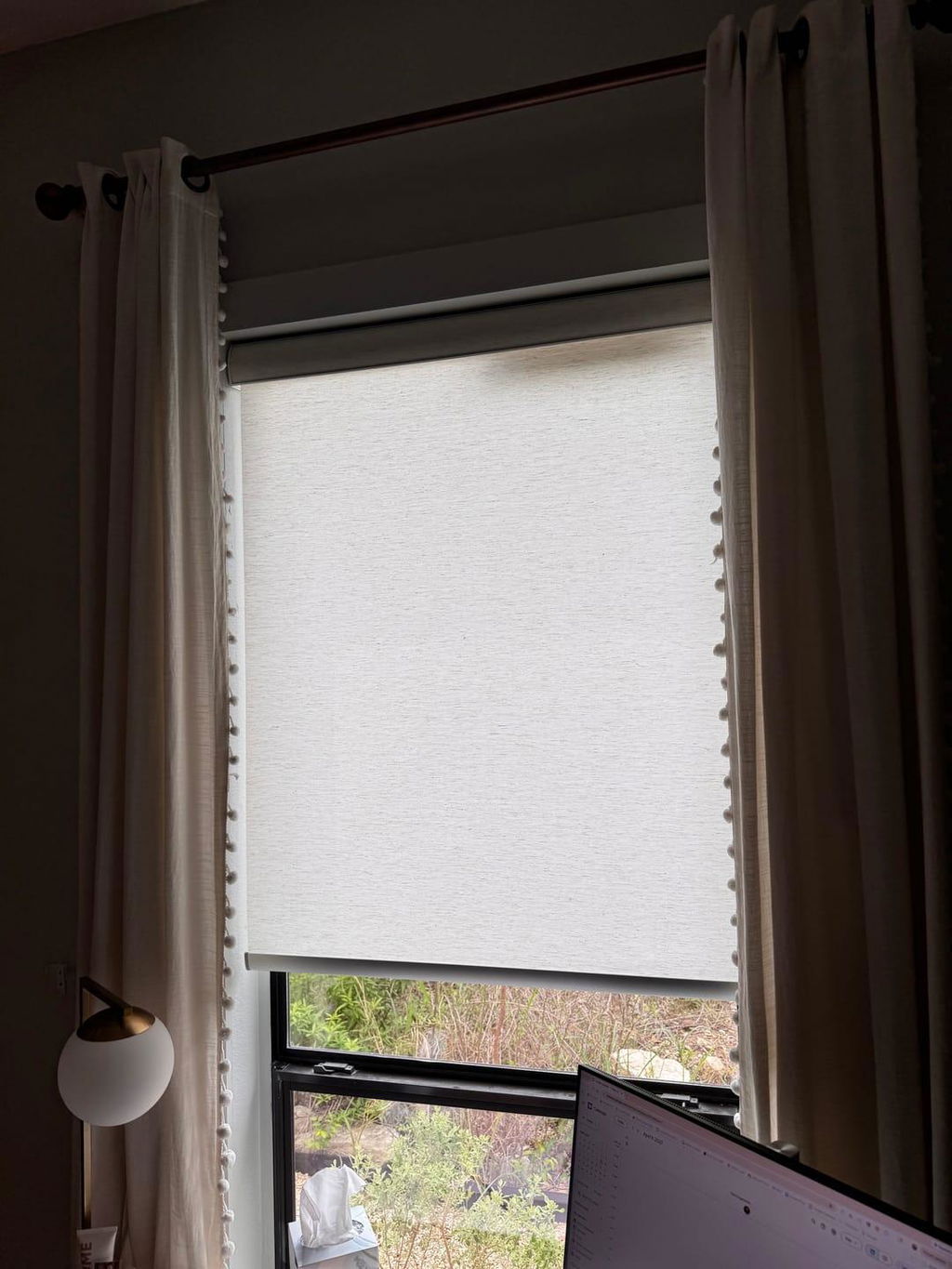
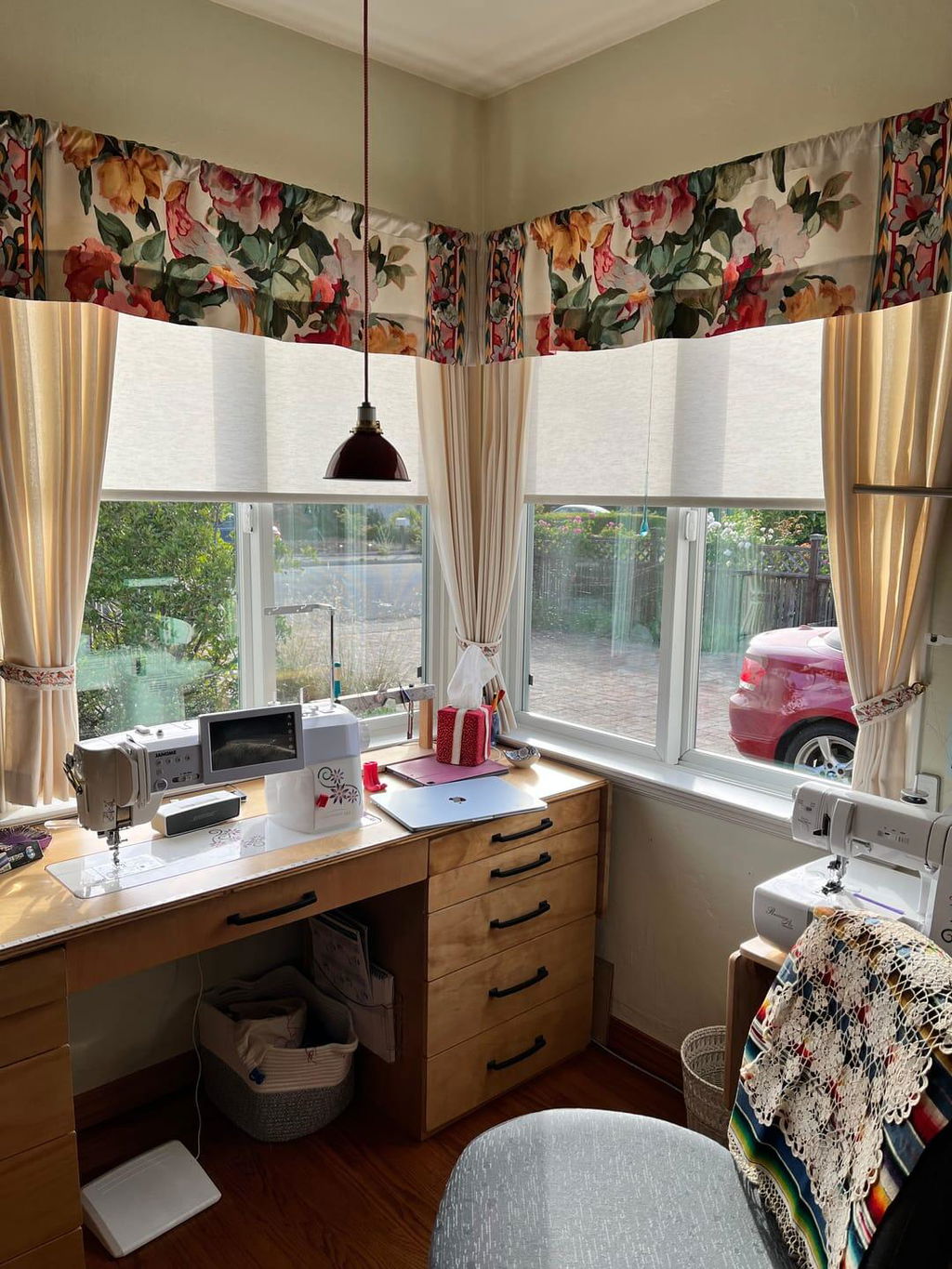
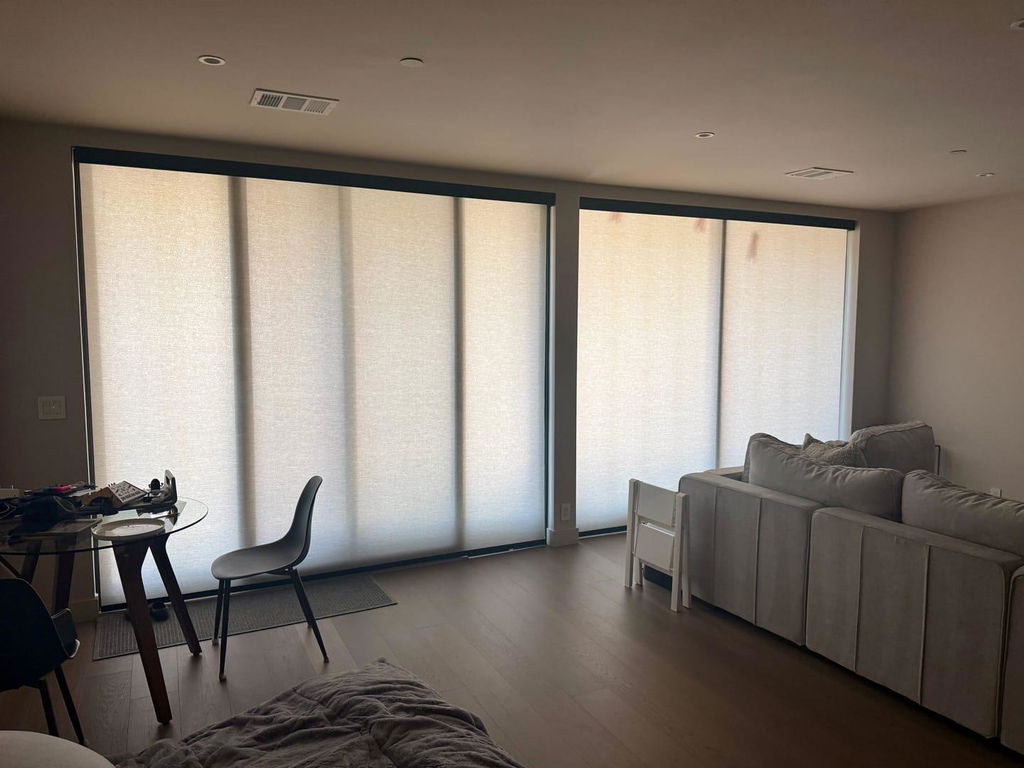
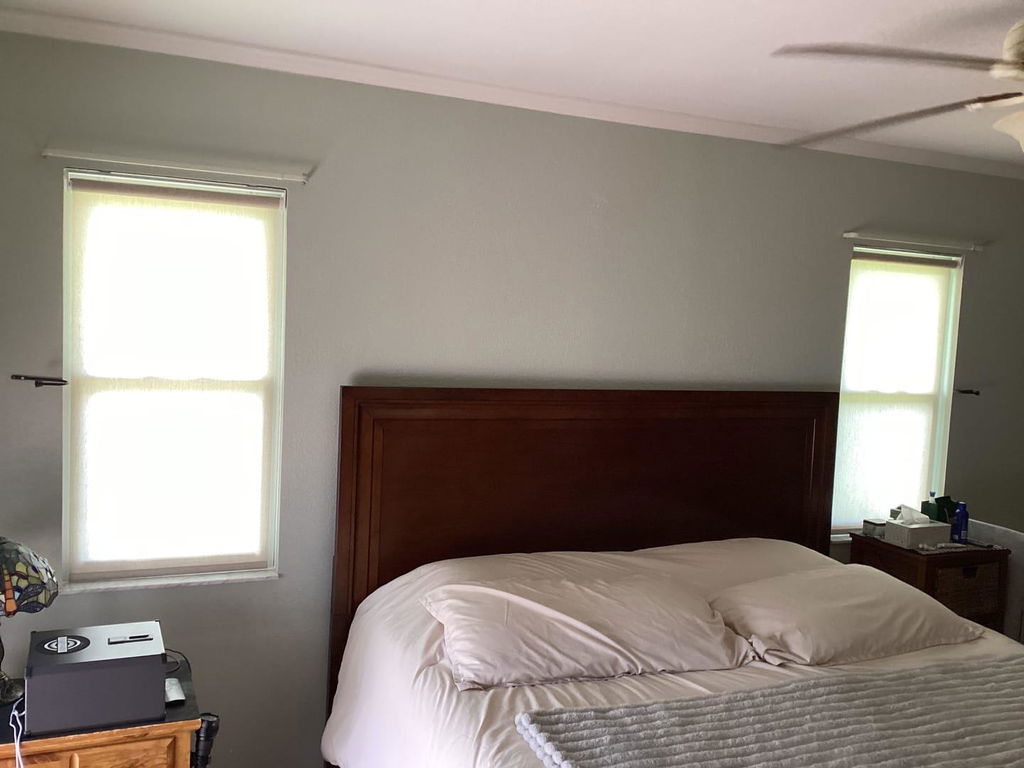
The core lesson of color-casting is simple: sunlight is a projector. If you put a blue filter on a projector, the image is blue. If you put a 'warm beige' shade on a window, your walls become beige. This is why it is vital to browse different roller shades and order physical swatches before committing to a whole house of windows.
If your room has cool undertones—think grey-blues, crisp whites, or marble—you need a shade that leans toward a 'cool white' or a 'stark white.' These have a tiny hint of blue or violet that cancels out the natural yellowing effect of the sun. If you have a traditional space with lots of wood and brick, a natural linen or a soft cream will feel intentional and cozy rather than like a mistake.
White, Cream, or Beige? Picking a Neutral That Doesn't Look Dirty
Choosing a neutral is the hardest part. A bright, 'optical' white can sometimes look cheap and plasticky, like a sheet of PVC, especially if the weave is too tight. On the flip side, a heavy beige can look like old, dirty parchment paper when it’s backlit. It loses its 'linen' charm and just looks dark.
I usually recommend a 'greige' or a 'bone' color. These shades have enough grey to keep the sun from turning the room into a lemon, but enough warmth to keep the space from feeling like a sterile hospital wing. Look for fabrics with a visible weave—a slight 'slub' in the texture—which breaks up the light and makes the color casting feel more organic and less like a solid sheet of tinted plastic.
The Layering Trick for Intense Afternoon Sun
If you have a west-facing window that gets blasted by the sun, a single light-filtering shade might not be enough. You’ll find yourself squinting at your laptop even with the shade down. In these cases, I often suggest a 'dual' approach. You want the glow, but you need the function.
You might wonder if a single fabric is sun blocking enough for a south facing bedroom or a bright home office. Often, the answer is no. This is where motorized dual roller shades become a lifesaver. You can have a sheer, cool-toned fabric for that beautiful daytime diffusion, and a secondary blackout layer that drops down when the heat and glare become too much to handle.
When to Abandon the Soft Glow and Go Full Blackout
As much as I love the ethereal look of diffused light, it’s not for every room. In a nursery or a primary bedroom, that 'soft glow' at 6 AM is just a wake-up call you didn't ask for. Privacy is also a factor. While you can't see through light-filtering shades, you can sometimes see 'shadow puppets' of people inside if the lights are on and it's dark outside.
For those who can't decide, day night shades offer the best of both worlds. You get the aesthetic of the light-filtering fabric during the day, but the ability to shut the world out completely at night. Don't sacrifice your sleep for a paint-matching obsession.
FAQ
Will light filtering shades protect my furniture from fading?
They help significantly by diffusing direct UV rays, but they don't block them entirely. If you have an antique rug in direct sun, you'll still see some fading over several years.
Can people see into my house at night with these shades?
No, they provide privacy. However, they will see a glow from your lights, and if you are standing right against the window, they might see a vague silhouette.
How do I clean light filtering fabric?
Most are 100% polyester. A vacuum with a brush attachment is your best friend. For spots, a damp cloth with very mild soap works, but never rub—you'll pill the fabric.