I Stopped Cranking the AC Thanks to Heat Reflecting Window Blinds
Last July, I found myself sitting in my living room at 3 PM with every light on. Outside, it was a glorious 85 degrees, but I had my heavy, 300 gsm velvet blackout curtains pulled tight because my south-facing windows were turning the room into a literal kiln. I felt like I was living in a dungeon just to keep my thermostat from hitting 80. That is when I realized I was fighting the sun the wrong way, and I finally made the switch to heat reflecting window blinds.
Quick Takeaways
- Blackout curtains keep light out, but heat reflecting blinds actually bounce thermal energy away.
- Modern fabrics avoid the 'shiny' look with neutral, street-side backings.
- Layering technical blinds with linen drapes offers the best of both worlds.
- Dual-roller systems allow for daytime heat rejection and nighttime privacy.
The Cave Effect: Why I Hate Using Blackouts to Cool a Room
We have all been there. You have a room with gorgeous floor-to-ceiling windows, but by mid-afternoon, the solar gain is so intense you have to shut the world out. Using standard blackout drapes to cool a room is what I call the 'Cave Effect.' It is depressing. You lose the view, you lose the natural rhythm of the day, and you end up paying for electricity to light a room that should be flooded with sunshine.
Standard dark fabrics actually absorb heat. If you touch a dark curtain that has been sitting in the sun, it feels hot to the touch. That heat eventually radiates into your room, making your AC work twice as hard. You are essentially trapping a giant radiator against your window glass. It ruins the aesthetic of a breezy, summer home and makes the space feel claustrophobic and heavy.
How Heat Reflecting Window Blinds Actually Work (And No, It is Not Tinfoil)
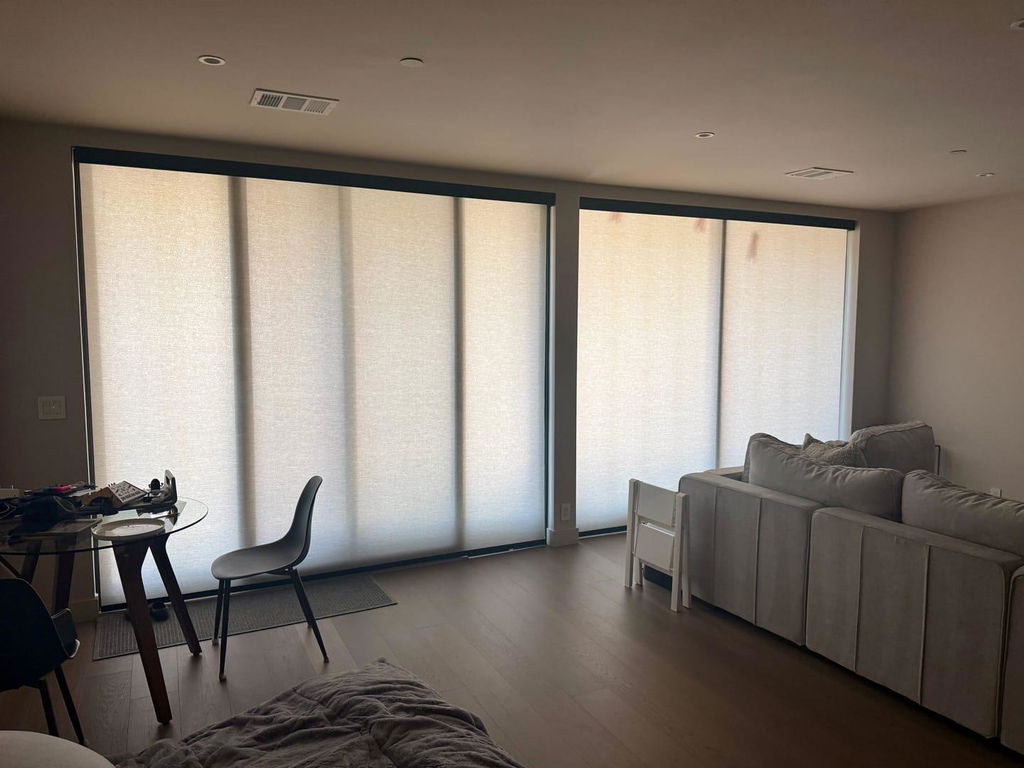
The magic happens through a process called high solar reflectance. Unlike a standard fabric that just blocks light, sleek roller shades engineered for heat rejection use specialized coatings. These materials are designed to bounce short-wave infrared radiation—the stuff that actually carries heat—back out through the glass before it can enter your living space.
When you install heat reflective roller blinds, you are essentially creating a thermal barrier. High-quality reflective blinds for windows are often made from a fiberglass and PVC core or a high-performance polyester. These are not the cheap, crunchy vinyl shades from the big-box stores. They have a refined weave that looks like high-end fabric but performs like a mirror for UV rays. Using reflective shades window treatments can reduce solar heat gain by up to 70% without making your house look like a science experiment.
The Curb Appeal Problem (And How to Avoid the Spaceship Look)
I used to be terrified of reflective window blinds because I didn't want my house to look like it was wrapped in a survival blanket from the street. We have all seen those homes where the windows have a weird, metallic sheen that screams 'I am trying to hide something.' Choosing the wrong backing is a fast track to ruining your curb appeal.
The secret is to look for 'white-to-street' or 'neutral-to-street' backings. Many modern sun reflecting blinds feature a dual-sided weave. The interior side can be a soft charcoal, a warm sand, or a crisp white to match your decor, while the side facing the window is a specialized white or pearlized coating that reflects heat without the glare. This keeps your exterior looking classic and uniform while the technical side does the heavy lifting.
Styling Reflective Window Blinds So They Feel Like Home
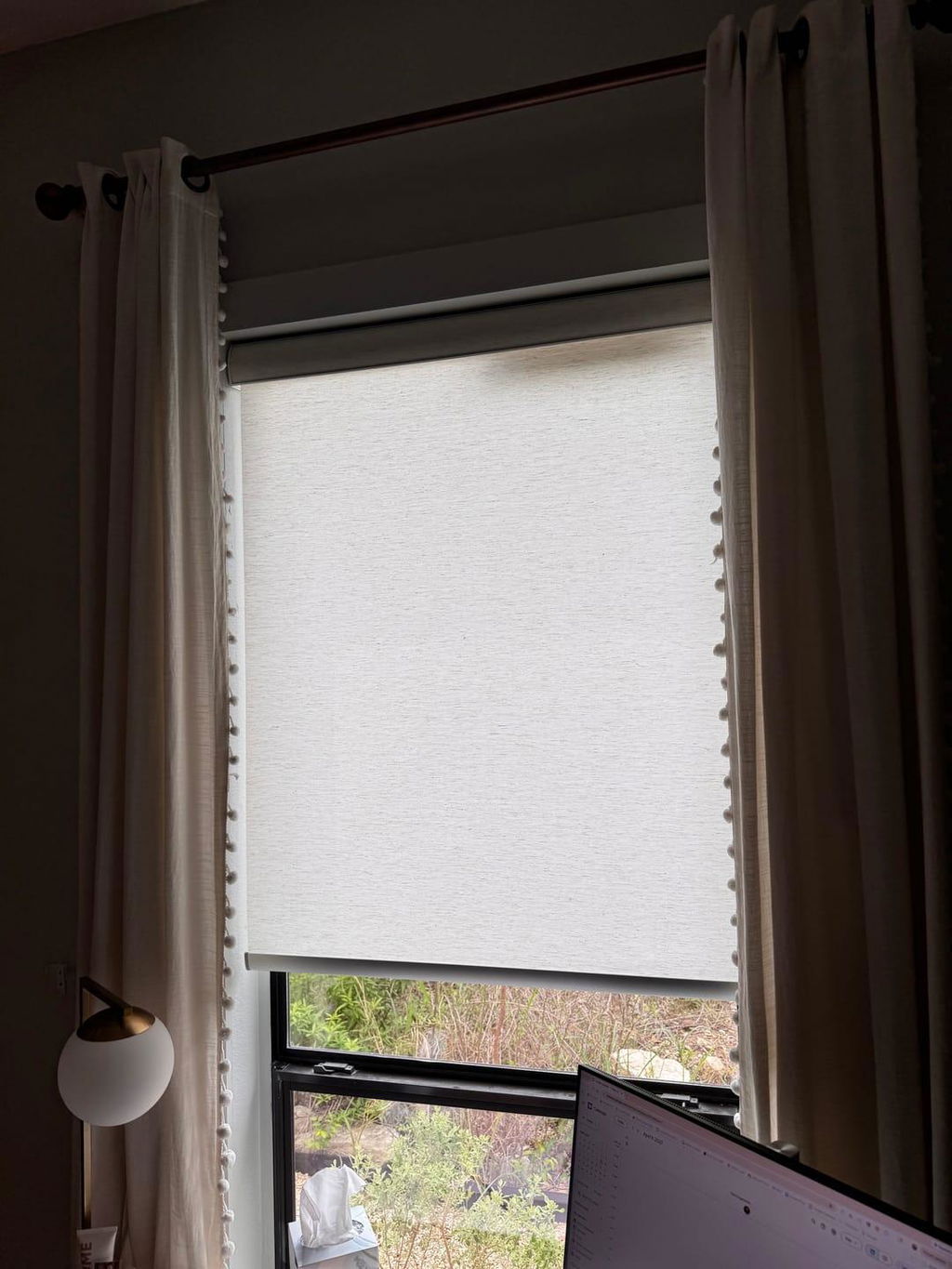
Just because you are using a high-tech blind doesn't mean your room has to look like a laboratory. My favorite way to style these is by layering. I install the heat reflecting blinds inside the window frame for a tight, custom fit. This allows the blind to sit flush against the glass, which is where it is most effective at blocking heat.
Then, I frame the window with decorative drapery panels. I usually go for a 200 gsm linen blend with 2.5x fullness. I hang the rod about 4 to 6 inches above the window trim and let the panels pool slightly on the floor. This adds the texture and softness that a roller blind lacks. During the peak heat of the day, the reflective blinds are down, keeping the room cool, but the linen panels keep the 'designer' look intact. It is the ultimate functional-meets-beautiful setup.
The Ultimate Hack: Pairing Heat Reflective Blinds With Dual Systems
If you have a bedroom or a media room where you need both heat rejection and total darkness at night, a single shade won't cut it. This is where I specify motorized dual roller shades. This system uses two separate rollers on one bracket. The front layer is usually a 1% or 3% openness solar screen that reflects heat but lets you see the trees outside. The back layer is a total blackout fabric for sleep.
For those who want a simpler setup, day night shades offer a similar versatility. You can have a heat reflective layer engaged during the bright afternoon and a privacy layer for the evening. I once installed a manual version of this in a client's sunroom. We used a silver-backed screen for the daytime and a soft white privacy shade for the night. Before the install, the room hit 90 degrees by noon; afterward, it stayed a comfortable 74 without the client even touching the thermostat.
My Honest Experience
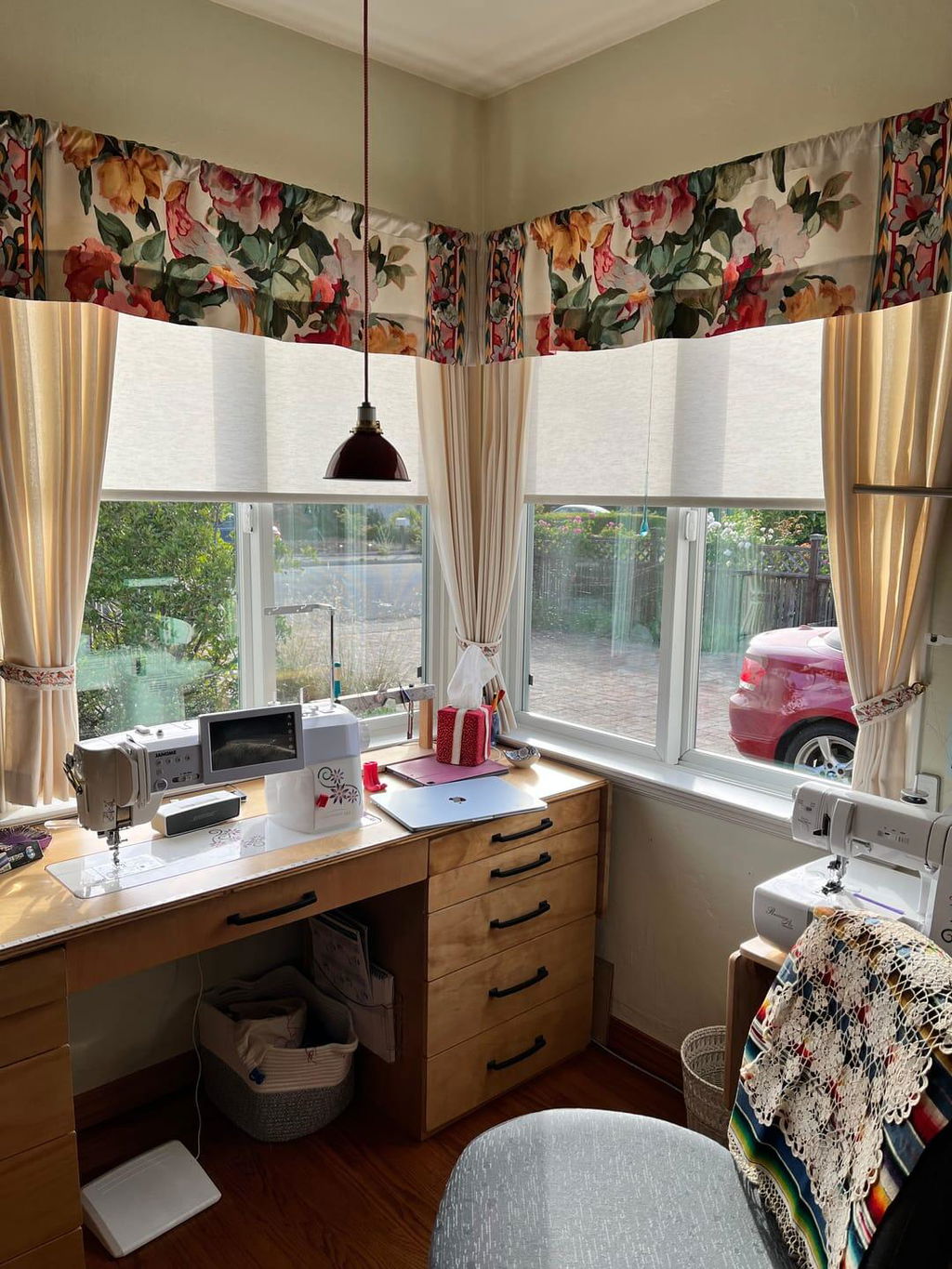
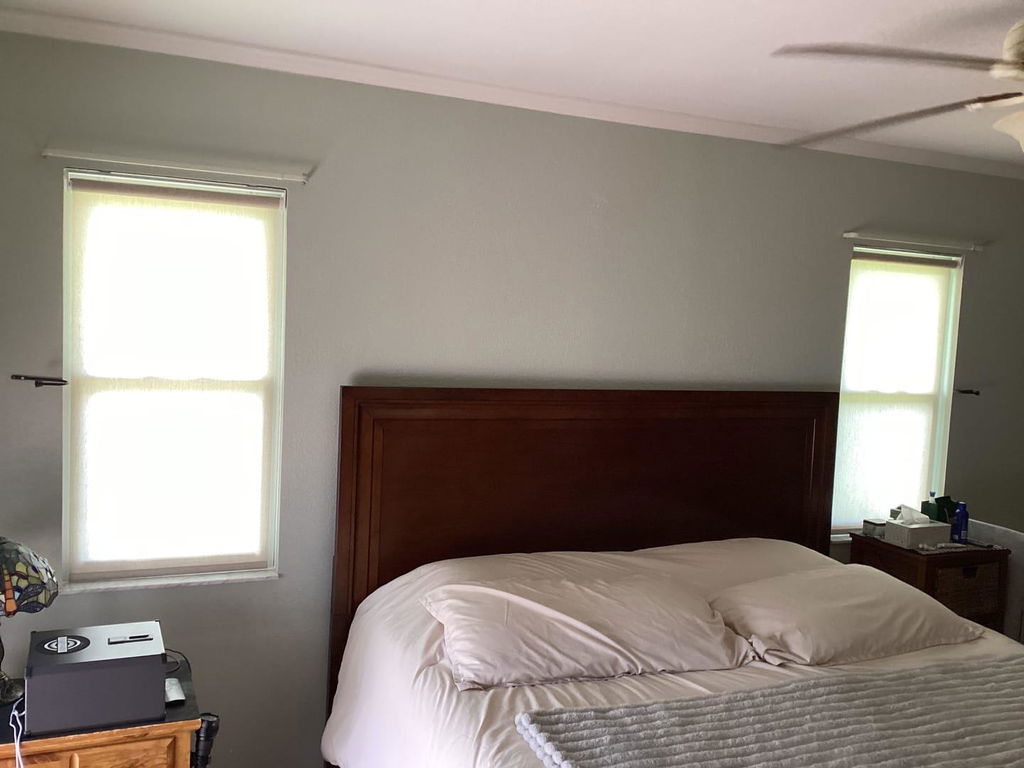
I will be honest: the first time I tried heat reflecting blinds, I measured the 'stack' wrong. I didn't account for the bracket size in a shallow window frame, and the blind stuck out two inches into the room. It looked terrible. I had to remount them outside the frame with a decorative valance. But even with that headache, the temperature difference was immediate. I no longer feel that 'wall of heat' when I walk into my kitchen at 4 PM. It is a small investment that genuinely changed how I use my home.
FAQ
Do heat reflective blinds really work?
Yes. By reflecting infrared light back through the glass, they prevent the greenhouse effect that happens when sunlight hits interior surfaces and turns into heat. You can often feel a 10-15 degree difference near the window.
Can I still see outside with these blinds?
It depends on the openness factor. A 3% or 5% weave allows you to maintain your view while still reflecting a significant amount of heat. If you want total privacy, you would choose a 0% openness (blackout) reflective fabric.
Are they hard to clean?
Not at all. Most heat reflective roller blinds are made from synthetic blends that can be wiped down with a damp cloth and mild soap. Unlike heavy drapes, they don't trap dust and allergens.