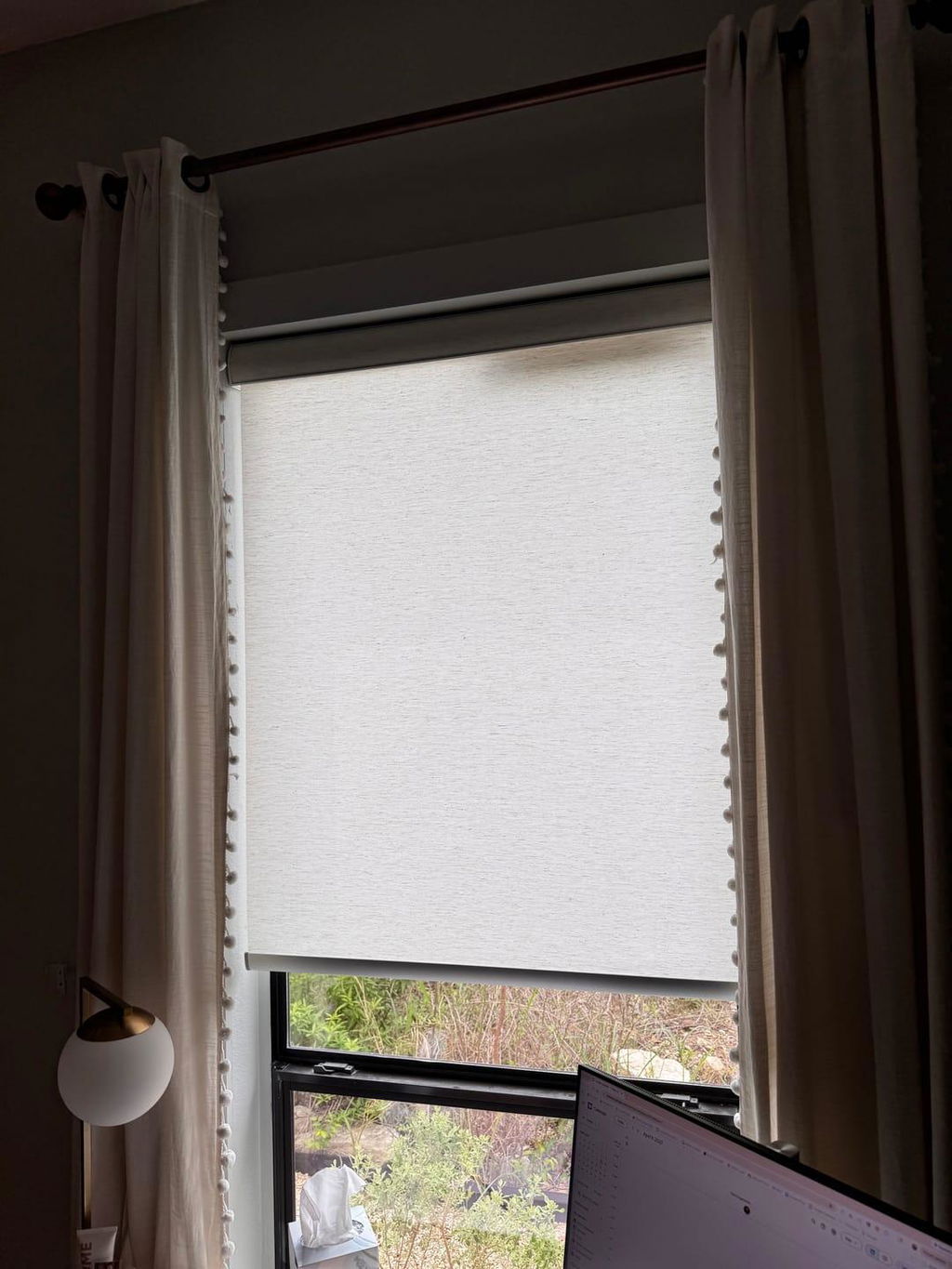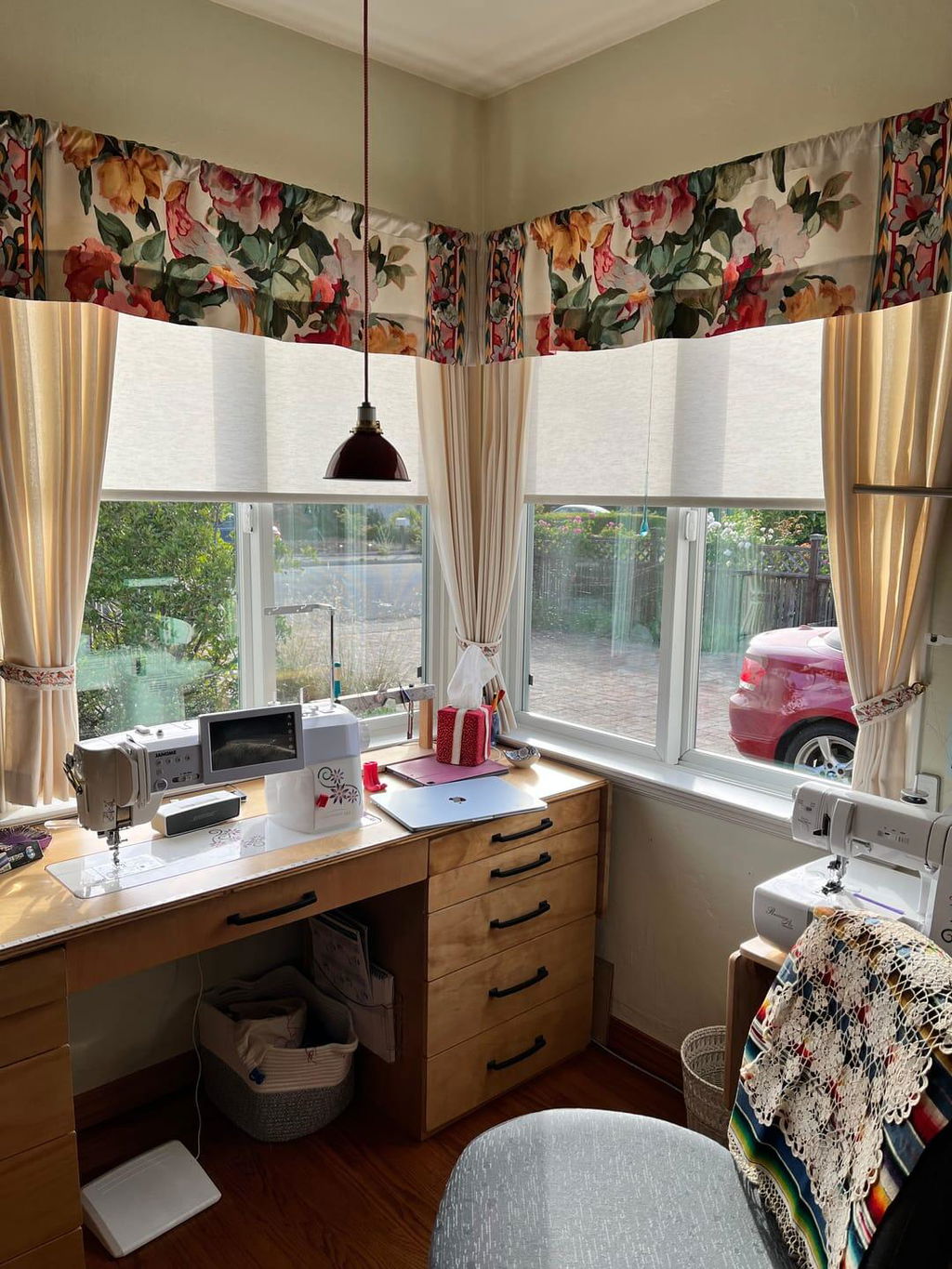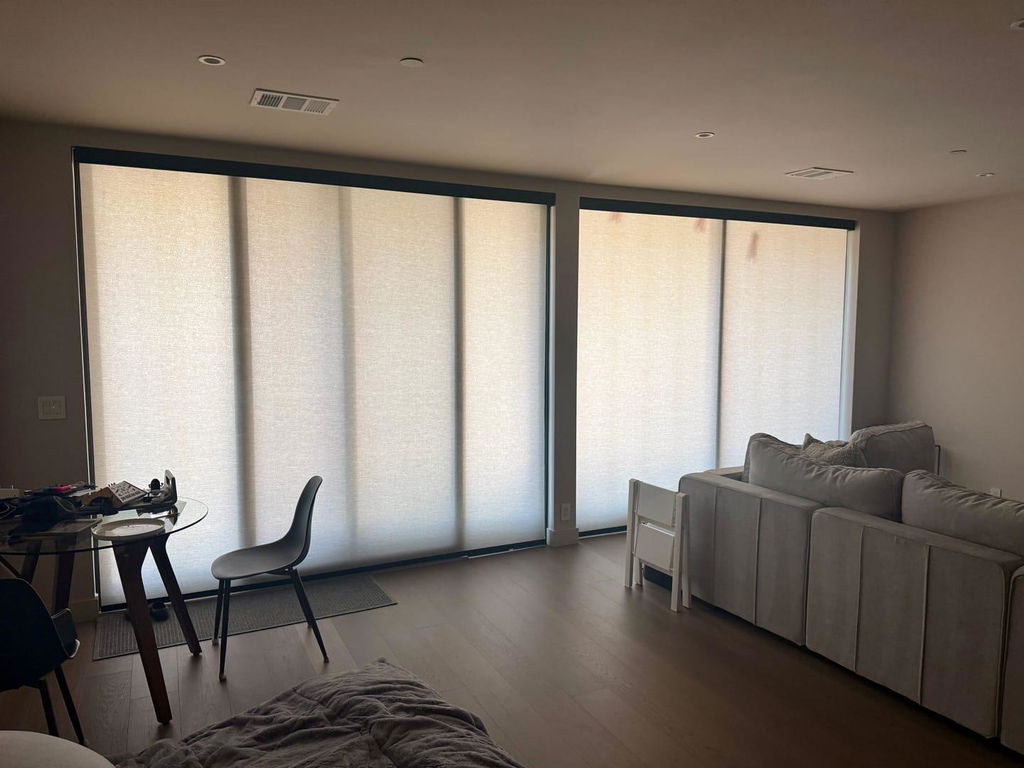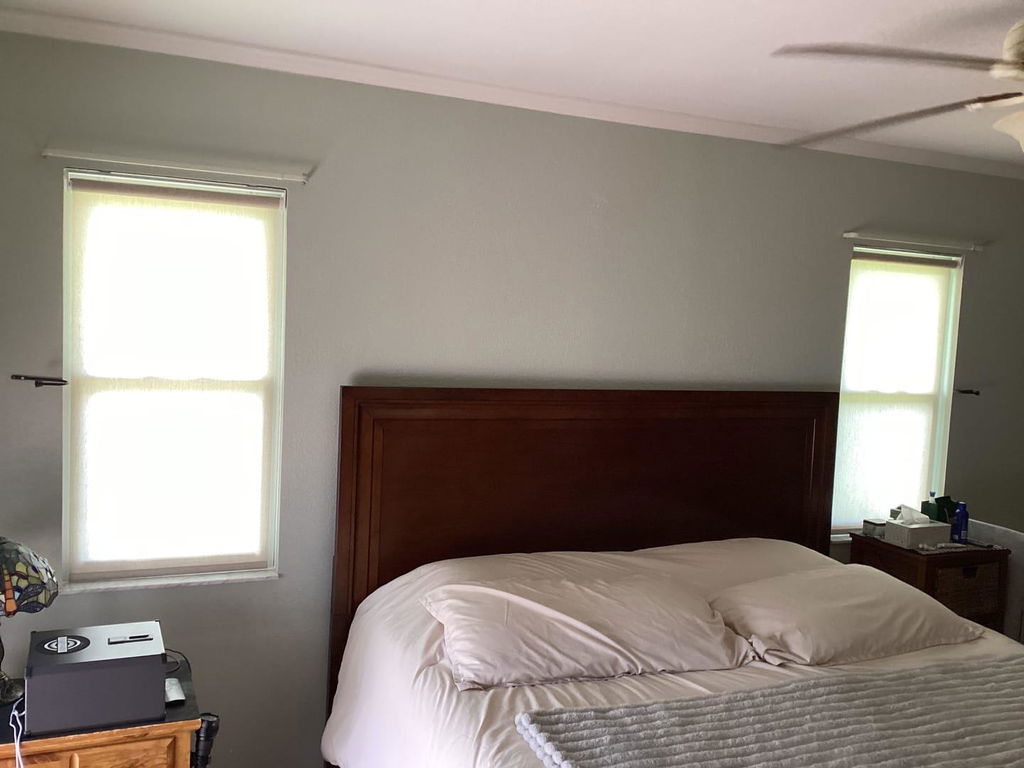
I Stopped Cranking Blinds Mid-Party With Outdoor Sun Shades Motorized
There is a specific kind of panic that sets in when you are mid-story at a dinner party and the sun begins its aggressive descent. One minute you are enjoying a chilled glass of Sauvignon Blanc, and the next, your guest of honor is shielding their eyes with a linen napkin. For years, my solution was a clunky manual wand that lived in the corner of the deck like a forgotten golf club. It was heavy, it was loud, and it required a level of physical exertion that just does not pair well with a silk blouse and a cheese board.
I finally hit my limit last July when a sudden gust of wind caught my half-lowered screen, nearly taking my arm with it as the wand spun wildly. I realized then that my patio deserved better than a outdoor sun shades motorized system’s predecessor. I wanted a space that felt like an extension of my indoor living room—seamless, quiet, and sophisticated. Transitioning to automated exterior treatments was less about being 'high-tech' and more about reclaiming the flow of my evenings.
- Automation is invisible: Lower your shades via remote or app without leaving your seat or pausing the music.
- Preserve the view: Pick the right openness factor to block the heat while keeping your backyard in sight.
- Wind protection: Modern sensors act as a safety net, retracting the fabric before a storm can do damage.
- Hidden aesthetics: Recessed housings and custom fascias ensure the hardware does not look like an industrial afterthought.
The Awkward Mid-Party Shade Crank (And Why I Hated It)
We have all been there. You are hosting six people for a sunset dinner. The lighting is perfect, the vibe is cozy, and then the 7 PM glare hits. It bounces off the glassware and turns the patio into a bright, hot oven. In my old setup, this was the cue for the 'great interruption.' I’d have to stand up, locate the detachable metal wand, hook it into the eyelet of the mechanical sun shade, and start cranking. It sounded like a rusty bicycle chain and took about 40 rotations to cover a single ten-foot span.
Everyone stops talking because they have to. The noise is too much to talk over, and watching someone struggle with a heavy roller is not exactly the height of entertainment. By the time the shade was down, the conversation had shifted from whatever interesting topic we were on to 'Wow, that looks like a lot of work.' It made the patio feel like a utility zone rather than a sanctuary. The manual process was a design flaw that prioritized basic function over the actual experience of living in the space.
How Outdoor Sun Shades Motorized Changed the Flow of My Patio
The first time I used my new outdoor sun shades motorized system during a party, it felt like a magic trick. As the sun dipped below the roofline, I reached for my phone—or the sleek remote I keep in a dedicated teak tray—and tapped a button. The electric exterior blinds hummed into life with a whisper-quiet motor. My guests didn't even notice at first. They just realized the glare was gone and the temperature had dropped ten degrees while we were still discussing the best way to grill peaches.
This level of control makes the transition from bright afternoon to protected evening feel like invisible architectural magic. It allows the patio to remain an open pavilion for as long as possible. Because it is so easy to deploy, I find myself using the space more often. I even found that I Almost Built a Screen Porch Before Finding Outdoor Sun Shades Motorized, simply because these smart outdoor shades do such a phenomenal job of creating a bug-free, shaded environment on demand without the permanent visual weight of a screened enclosure. It’s the ultimate flex for a host who values both hospitality and a clean aesthetic.
Hiding the Hardware: Making Electric Exterior Shades Look Intentional
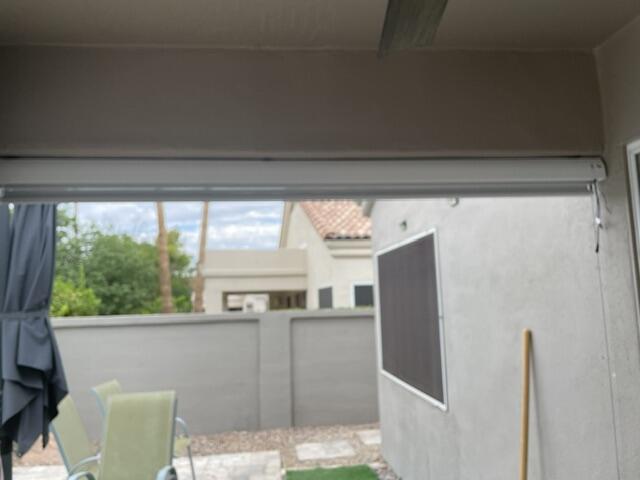
One of my biggest gripes with best motorized outdoor shades is when the hardware looks like a giant, clunky box tacked onto the side of a beautiful home. If you are investing in electric exterior shades, the goal is for the hardware to disappear when the shades are up. I always recommend mounting the roller inside a soffit if you are in the build phase. If you are retrofitting, look for a custom fascia that matches your trim color exactly. I once spent three days hunting for a specific 'Iron Ore' powder-coated finish just to ensure the housing disappeared against my dark siding, and it was worth every second.
When you source from a high-quality collection like these Outdoor Shades, you get options for side tracks or cable guides. Cable guides are my personal favorite for a minimalist look; they are nearly invisible stainless steel wires that keep the hem bar from swinging. If you want a more 'sealed' feel to keep out every single mosquito, side tracks are the way to go. The key is to make the best motorized exterior shades look like they were part of the original blueprint, not a weekend add-on from a big-box store.
Choosing the Right Openness Factor for Electric Sun Screens
Fabric choice is where most people get paralyzed. In the world of electric sun screens, we talk about 'openness factor'—which is basically how much of the weave is open space. If you have a brutal western exposure where the sun feels like a laser beam, you want a 1% to 3% openness. This is a tighter weave that blocks almost all the UV rays. However, be warned: it also limits your view. It feels more like a solid wall than a screen.
For most of my projects, I lean toward a 5% or 10% openness. This is the sweet spot for electric patio curtains or motorized outdoor curtains. It cuts the glare and the heat significantly, but you can still see the kids playing in the pool or the wind moving through the trees. It’s about maintaining that connection to the outdoors. I often tell my clients that Heavy Drapes Ruin Great Windows: Why I Use Motorized Sun Shades because they block the light from the inside; by using a 10% screen on the outside, you stop the heat before it even touches the glass, keeping your interior views crisp and your AC bill manageable.
The Wind Problem: Why Your Smart Outdoor Shades Need Sensors
If there is one thing that will keep you up at night, it is the sound of a 20-mph gust hitting your exterior motorized shades for windows. These shades act like giant sails. If they are left down during a storm, the wind can warp the tracks or even tear the fabric. This is why I consider anemometers—wind sensors—to be a non-negotiable feature for outdoor automatic patio shades. These sensors live on your roof or the shade housing and automatically trigger the motor to retract the shade when wind speeds hit a certain threshold.
I learned this the hard way. I once installed a beautiful set of smart outdoor shades on a coastal property and skipped the sensors to save a few hundred dollars. A summer squall blew in while we were at dinner in town, and I came home to a bent hem bar and a very expensive repair bill. Now, I won't even sign off on a design unless the automation includes a safety override. It turns a potential disaster into a 'set it and forget it' luxury.
Battery vs. Hardwired: What to Know Before You Install
When it comes to powering your motorized retractable patio shades, you have two real paths. Battery-powered motors are fantastic for retrofits, especially on pergolas where running wire is a nightmare. Some even come with a tiny solar panel that keeps the lithium-ion battery topped off. However, if you are doing a full renovation, hardwiring your outdoor motorised blinds is the gold standard. It provides the most consistent torque and allows for faster travel speeds on those larger, heavier spans of fabric.
I usually suggest bringing in an electrician early in the process. Having a dedicated circuit for your exterior shades means you never have to worry about a dead battery right when the sun starts to bite. I once had a client who insisted on solar for a north-facing porch that stayed in the shade all day—the battery died within a week. Always look at your sun exposure before deciding on your power source. Consistency is key to making the automation feel truly effortless.
FAQ
Do motorized shades work in the rain?
They are designed for exterior use, so they can handle moisture, but you shouldn't leave them down in a heavy downpour. The fabric can get heavy and sag. They are primarily for sun and bug protection, not as a waterproof roof.
Can I control them with my voice?
Yes, most modern systems bridge to Alexa or Google Home. There is nothing quite like saying 'Alexa, sunset mode' and watching your entire patio enclose itself while you are carrying a tray of drinks.
How long do the motors actually last?
A high-quality motor should easily last 10 to 15 years with regular use. Most of the issues I see are related to poor installation or wind damage rather than the motor itself failing.
Are they loud?
The best systems are surprisingly quiet. You will hear a low hum, similar to a high-end dishwasher. It is significantly quieter than the clatter of a manual crank or a neighbor's leaf blower.