Heavy Drapes Ruin Great Windows: Why I Use Motorized Sun Shades
I remember the first time I stood in a client’s living room at 4:15 PM, squinting through the brutal glare of a west-facing window. We had just installed these gorgeous, 2.5x fullness linen-blend drapes in a soft oatmeal shade—96-inch drops that pooled perfectly on the white oak floors. But as the sun dipped, the glare off the television was so aggressive we had to yank those heavy panels shut. Suddenly, the stunning view of the valley was gone, replaced by a massive wall of fabric. It felt like a design failure. That’s when I realized motorized sun shades aren't just a tech gimmick; they are a design necessity for anyone who actually wants to live in their home.
Quick Takeaways
- Sun shades preserve your view while cutting UV rays and heat gain by up to 95%.
- Motorization eliminates the 'clunky chain' look and allows for perfectly aligned heights across multiple windows.
- The openness factor (1% to 10%) determines how much of the outdoors you can see when the shade is down.
- Programming shades to drop during peak heat hours protects your furniture and rugs from sun bleaching.
The Tragedy of the Always-Closed Living Room Drapes
We pay a massive premium for homes with oversized windows and natural light. We obsess over the orientation of the house and the quality of the glass. Then, we do something baffling: we suffocate those windows behind thick, heavy drapery. I’ve seen it a hundred times. A homeowner buys a place for the floor-to-ceiling vistas, but because the 4 PM sun turns the living room into a literal kiln, the drapes stay closed from lunch until dinner. You end up living in a dark cave during the most beautiful hours of the day.
The problem with traditional drapes in a high-glare environment is that they are binary—they are either open or closed. When they’re open, you’re blinded. When they’re closed, you’re disconnected from the outside world. I once spec’d a heavy velvet for a client’s library, thinking it would feel cozy. Instead, it felt claustrophobic. Every time we closed them to watch a movie, the room felt like it had shrunk by five feet. It’s a design tragedy to pay for architecture you never get to see.
Moreover, heavy drapes are a magnet for dust and pet hair. If you have a dog that likes to look out the window, those bottom 12 inches of your expensive fabric are going to be a mess within a week. Motorized systems sit tucked away, staying clean and out of the way of paws and vacuum cleaners.
Why We Need to Stop Punishing Good Architecture
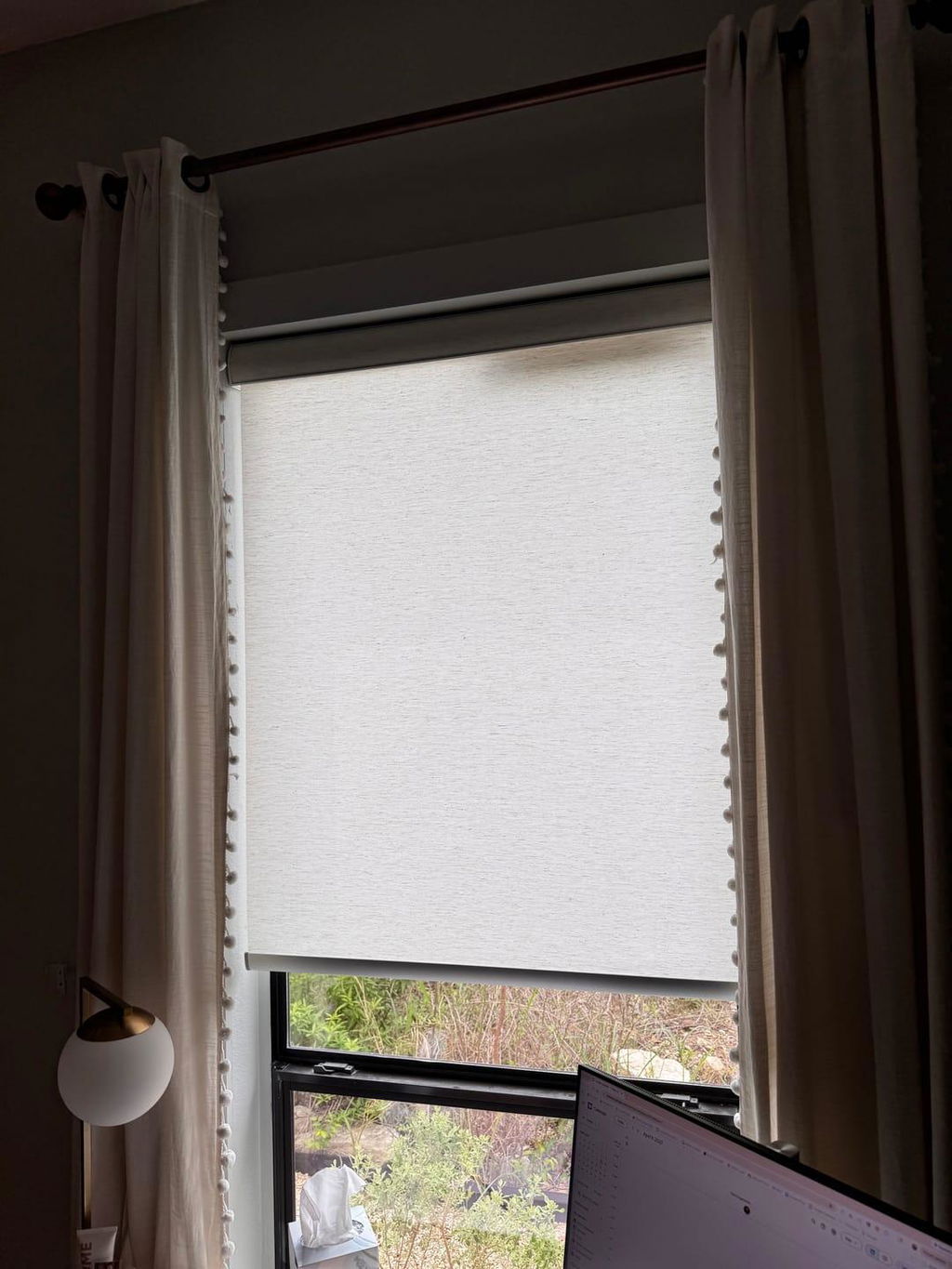
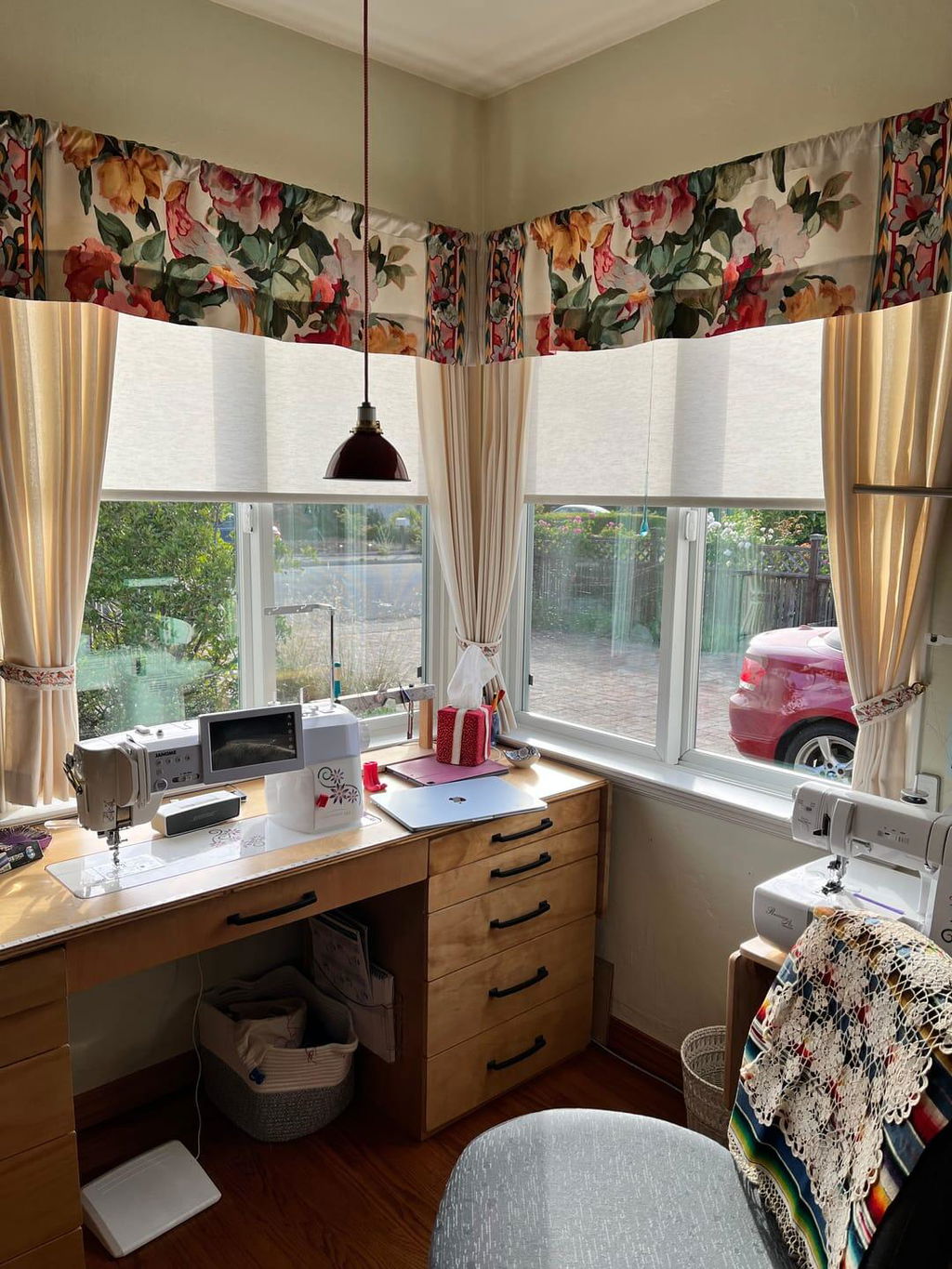
Bulky fabrics have a habit of swallowing window frames. If you have beautiful black steel casements or custom oak trim, the last thing you want to do is hide them behind a foot of fabric stack-back on either side. When you use minimalist treatments, you allow the room to breathe. The eye travels to the horizon line rather than stopping at the edge of a curtain rod. We need to stop blocking your view and start working with the light instead of fighting it.
In open-concept rooms, heavy drapery can feel like a visual roadblock. It breaks the flow between the kitchen and the seating area. I’ve moved toward specifying shades that mount inside the window casing whenever possible. This keeps the architectural lines sharp and clean. It’s about respecting the bones of the house. If the architect intended for that window to be a focal point, don't bury it under three layers of polyester lining.
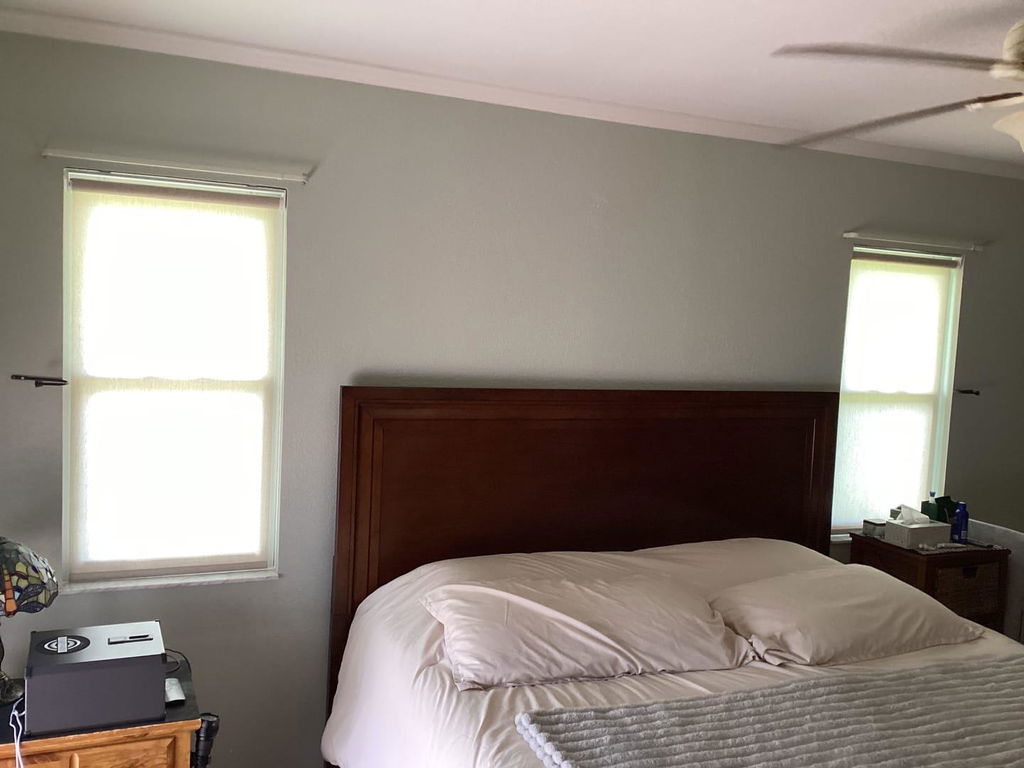
I’ve found that a slim-profile shade actually makes a room feel larger. By keeping the treatment within the frame, you maximize the floor space and the visual 'air' in the room. It’s a cleaner, more modern approach that suits the way we live now—valuing clarity and connection to nature over fussy, traditional swags.
The Minimalist Fix: Upgrading to a Remote Control Sun Shade
Manual solar shades are fine for a small kitchen window, but in a large living space, they are a nightmare. I’ve wrestled with enough clunky metal chains and plastic beads to last a lifetime. They never hang at the same height, the chains get tangled, and if you have a sofa placed in front of the window, you’re basically performing a gymnastic routine just to lower the shade. This is where a remote control sun shade changes the entire experience.
With a motorized system, you get a perfectly level hemline across every window in the room with one tap. No more 'stair-stepping' shades where one is an inch higher than the rest. It removes the cord clutter entirely, which is a massive safety win if you have toddlers or pets, but from a purely aesthetic standpoint, it just looks expensive. It’s the difference between a custom-tailored suit and something off the rack.
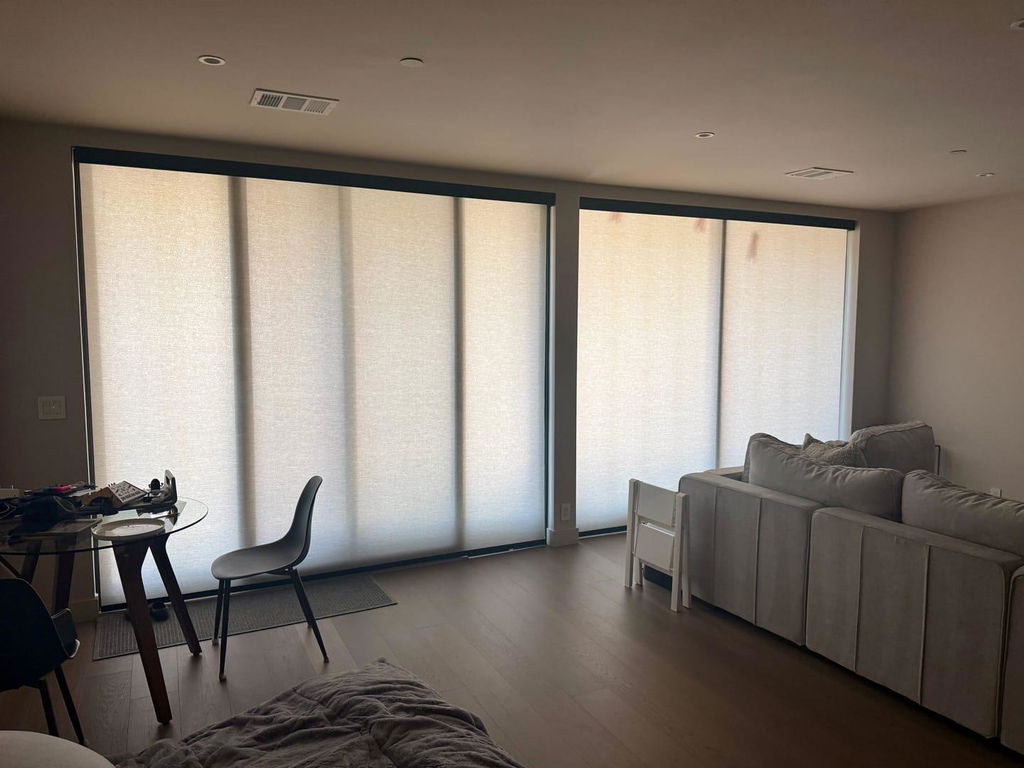
I recently installed a motorized sun shade system in a double-height great room. The windows were twelve feet up. Manual shades weren't even an option unless the owner wanted to keep a ladder in the living room. By using a remote system, we kept the windows looking sleek while giving the owner total control over the light levels from their phone or a wall-mounted switch.
Cracking the Openness Factor Code for Your Windows
When you start looking at solar fabrics, you’ll see 'openness factors' like 1%, 3%, 5%, and 10%. This isn't just technical jargon; it’s the most important decision you’ll make for the room’s vibe. The percentage refers to how much light the weave lets through. A 1% weave is very tight. It’s great if you have a neighbor’s house ten feet away and you want privacy, or if you’re trying to protect a 100-year-old Persian rug from fading. But, you won’t see much of the view through it.
A 5% weave is the 'sweet spot' I usually recommend for living areas. It cuts the glare on your screens and drops the temperature significantly, but you can still see the trees, the sky, and the movement outside. It feels like wearing a high-quality pair of sunglasses for your house. If you have a truly spectacular, isolated view—like a mountain range or the ocean—you might even go to a 10% sun shade motorized option. It’s a very loose weave that barely obscures the view but still takes the 'edge' off the heat.
I once made the mistake of putting a 1% shade in a breakfast nook that faced a beautiful garden. My client hated it. It felt too 'solid' and gray. We swapped it for a 5% charcoal weave, and the difference was night and day. The darker colors actually provide better view-through than lighter colors, which can sometimes create a 'haze' when the sun hits them directly. Always get a sample and hold it up to the glass at the time of day when the sun is strongest.
The Magic of the Mid-Day Drop
The real luxury of automation isn't just the remote; it’s the schedule. You can program your shades to lower exactly when the sun hits that specific angle that usually washes out your computer screen or heats up the leather sofa. There is a quiet luxury in sitting in your kitchen and watching the shades silently descend at 2 PM without you lifting a finger. The house prepares itself for the afternoon heat, keeping the AC from working overtime.
I suggest my clients set their 'mid-day drop' to about 75% of the way down. This blocks the direct sun but keeps the very bottom of the window clear, so you don't feel totally boxed in. It’s about creating an atmosphere. When the shades are down, the light in the room becomes soft and diffused, like a professional photo studio. It’s incredibly flattering for interiors.
I’ve had clients tell me that they finally started using their 'sunroom' again after we motorized the shades. Before, it was a 'dead zone' for four hours a day because it was too hot and bright. Now, it’s their favorite place for an afternoon tea. That’s the power of controlling your environment rather than being a victim of the weather.
Keep the View, Lose the Glare
Transforming a room from a glaring, hot space into a refined, usable sanctuary usually only takes one smart move. By ditching the heavy drapes and opting for a motorized system, you stop fighting your architecture and start enjoying it. You get to keep the view you paid for while losing the headache of heat and glare. It’s the most impactful upgrade you can make to a modern living space.
If you’re tired of living in the dark or squinting through the afternoon, it’s time to rethink your windows. Explore all your shade solutions to find the fabric and openness factor that works for your specific orientation. Your windows—and your eyesight—will thank you.
FAQ
Do motorized shades look like office blinds?
Only if you buy the cheap ones. High-end solar fabrics come in beautiful textures, from linen-looks to sophisticated metallics, that feel very much at home in a high-end residence. The hardware is also much slimmer now, often disappearing into a matching fascia.
What happens if the power goes out?
Most modern systems have a manual override or are battery-powered with long-life charges (think 6-12 months). If you have a hardwired system, they’ll stay in their last position until the power returns. I usually recommend battery for retrofits to avoid cutting into the drywall.
Are they loud?
Not anymore. The motors I spec now are a whisper-quiet hum. You can hear them, but it’s a soft, mechanical sound that’s actually quite satisfying. It’s certainly quieter than the sound of yanking a heavy curtain rod across metal rings.