I Ruined My Expensive Shades (Then Got Motorized Blinds for Windows)
I remember the day my custom Roman shades arrived. They were a heavy-weight Belgian linen in a soft oatmeal, roughly 320 gsm, with a blackout lining that made the bedroom feel like a literal vault. I spent a Saturday morning marking the rod four inches above the trim to cheat the ceiling height, drilling into the studs, and steaming out every last wrinkle. They were perfect. For about six months.
By the following winter, the bottom hem had a permanent, ghostly gray smudge right in the center where I grabbed it every morning. The linen, which started as a crisp rectangle, had begun to sag in the middle, creating a sad 'smile' shape because of the way I yanked the cord. It turns out, my hands were the most destructive thing in the room. I realized that motorized blinds for windows aren't just for people who love gadgets; they are the only way to keep high-end textiles from looking like a gym towel within a year.
- Manual handling transfers skin oils that permanently stain natural fibers like silk and linen.
- Uneven pulling stretches the fabric 'off-grain,' leading to permanent sagging.
- Precise motor control prevents the 'telescoping' effect that frays the edges of the shade.
- Automated schedules protect your furniture and rugs from UV damage while you're at work.
The Slow, Invisible Death of a Manual Shade
We don't think about our hands as being particularly dirty, but even the cleanest skin carries natural oils. Every time you reach out to adjust a manual shade, you're depositing a microscopic layer of oil onto the fabric. In a kitchen, this is a death sentence, as those oils trap airborne grease. In a bedroom, they trap dust. Over a few hundred mornings, that 'clean' white linen develops a dingy thumbprint that no amount of spot-cleaning can truly erase without leaving a water ring.
Then there is the mechanical stress. When you pull a manual cord, you aren't a machine. You pull with varying degrees of force, often at a slight angle. This uneven tension slowly pulls the vertical and horizontal threads of the weave out of square. I’ve seen 96-inch drops lose their shape entirely because the owner always pulled from the right side, causing the left side to 'hike' permanently. Motorized window blinds eliminate this human error. The motor applies the exact same amount of torque to the tube every single time, keeping the fabric under perfectly distributed tension.
By switching to automatic window blinds, you're effectively putting your window treatments behind glass. You get the beauty of the textile without the physical degradation that comes from daily contact. It’s the difference between a vintage dress that’s been worn to ten galas and one that’s been kept in a climate-controlled archive. If you've spent four figures on custom window treatments, touching them is the last thing you should be doing.
Physics Win: Why Electric Blinds for Windows Last Twice as Long
If you’ve ever seen a roller shade that looks 'fuzzy' or frayed on the left or right edge, you’re looking at a victim of telescoping. This happens when the fabric isn't perfectly level on the roll. As it goes up, it shifts to one side, rubbing the delicate edge of the fabric against the mounting bracket. It only takes a few dozen cycles for a $500 shade to start looking like a cat used it as a scratching post.
Manual shades are prone to this because of the 'tug and pray' method. We yank the cord, the fabric wobbles, and it rolls up slightly crooked. High-quality roller shades equipped with internal motors solve this through soft-start and soft-stop technology. The motor begins the rotation slowly, ensuring the fabric is seated correctly before reaching full speed. This precision keeps the fabric centered, preventing that destructive friction against the hardware.
Furthermore, electric blinds for windows often feature obstacle detection. If a stray toy or a piece of furniture is in the way, the motor stops. A manual cord-loop system doesn't have that luxury; you just keep pulling until something snaps or the fabric creases. That controlled, steady movement is what preserves the integrity of the hems and the internal stiffeners that keep the shade looking architectural and sharp.
Layering Power Blinds Without Looking Like a Boardroom
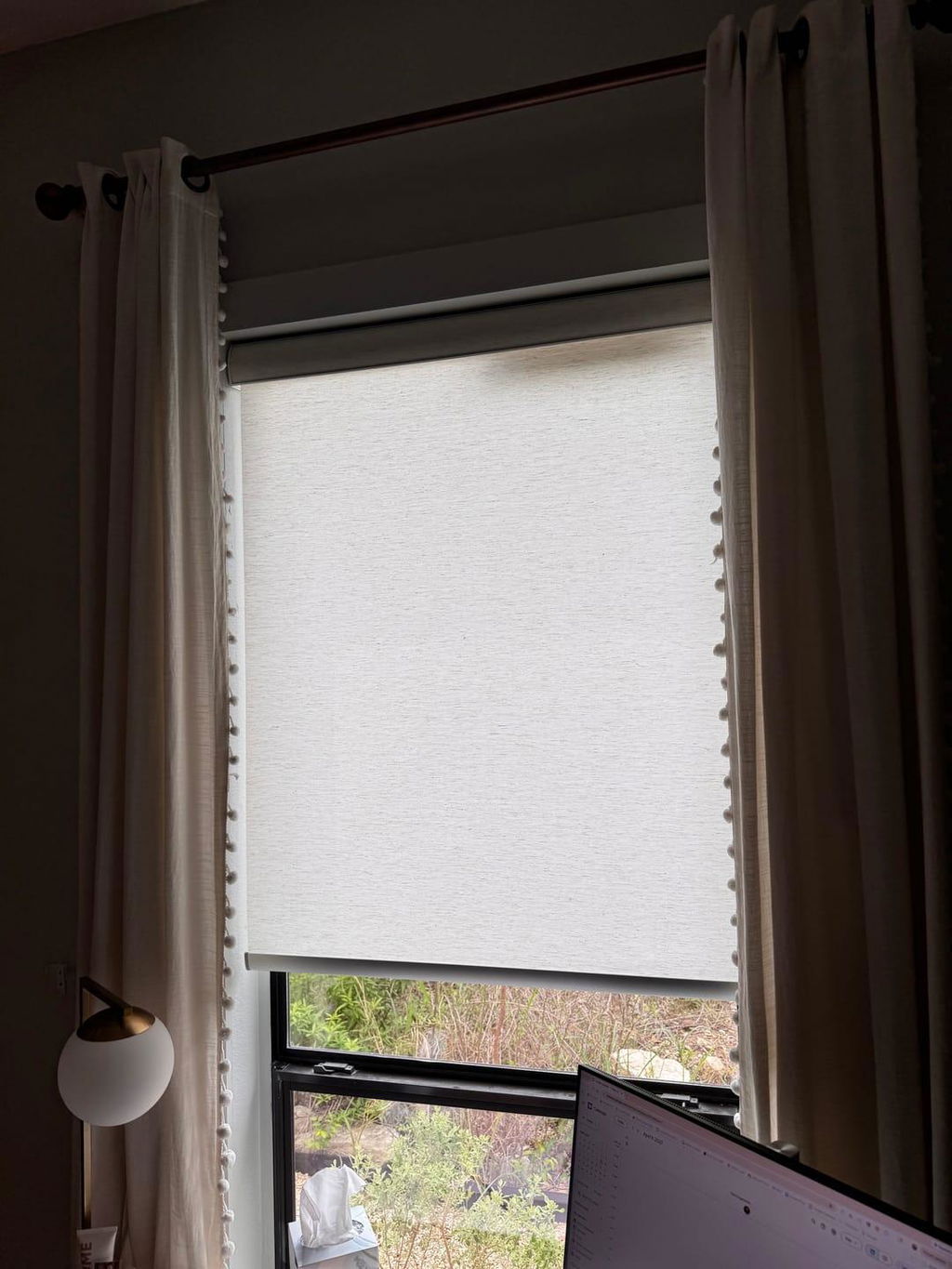
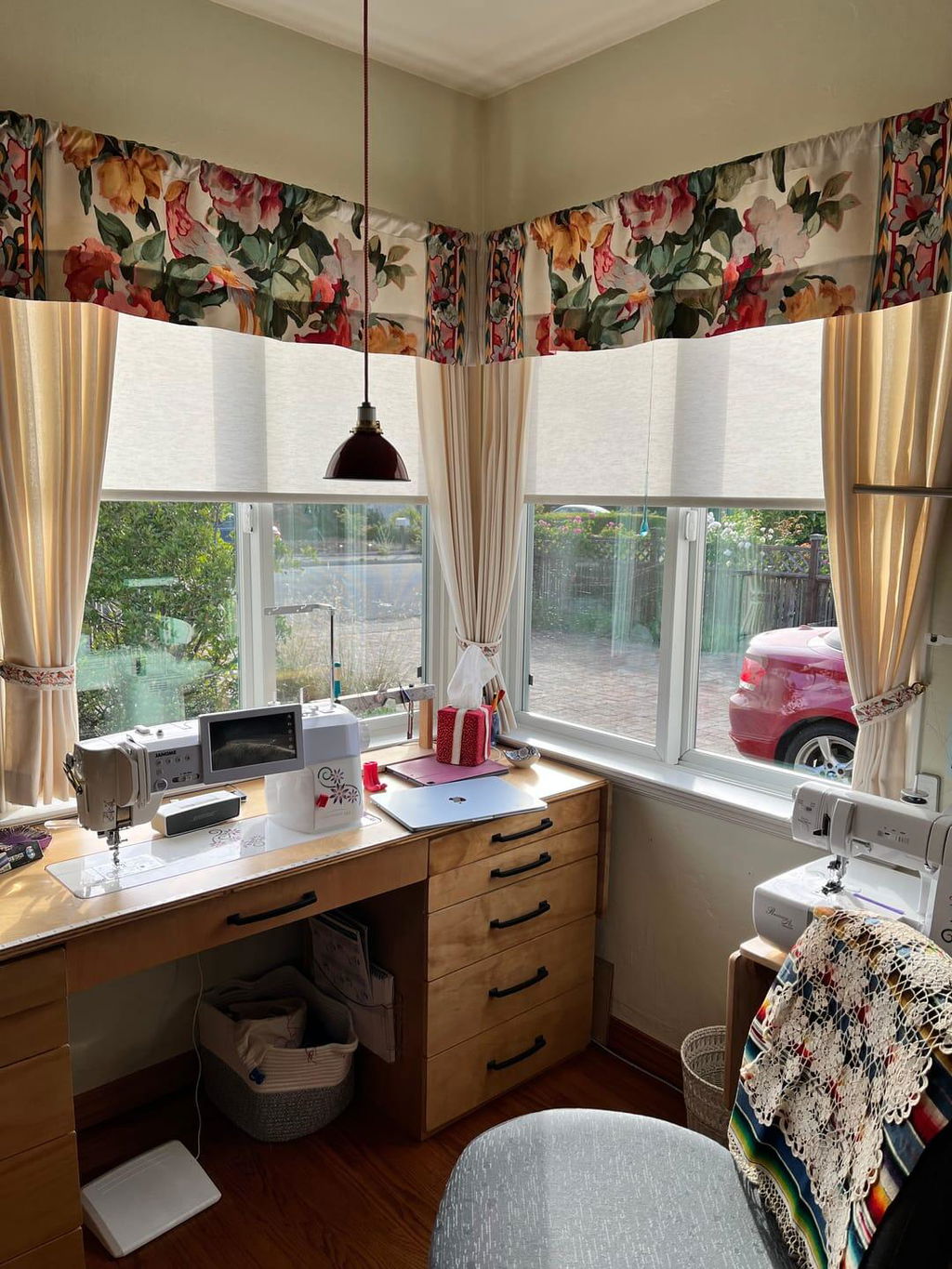
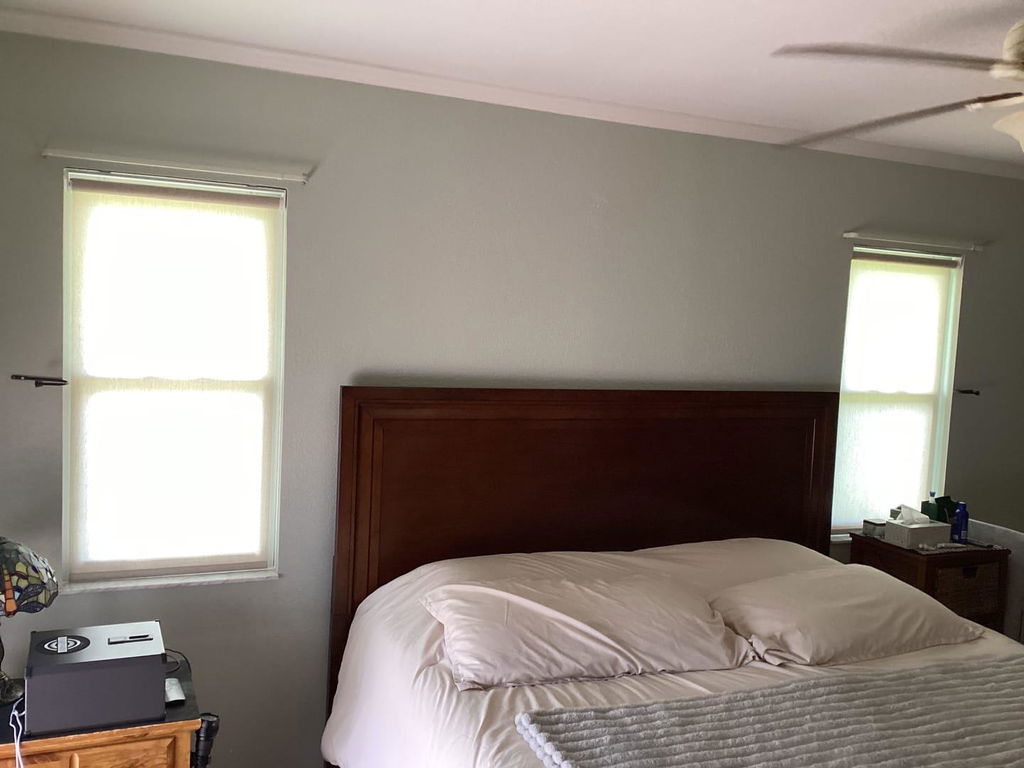
The biggest hurdle for my design clients is the fear that 'automatic' means 'ugly.' They imagine a bulky plastic box that looks like it belongs in a corporate conference room. But the styling has come so far. The trick is in the concealment. I always recommend recessing the mechanical blinds into a ceiling pocket if you're in the middle of a renovation. If you aren't, you can hide the headrail behind a simple, 6-inch upholstered valance or a sleek metal fascia that matches your window trim color.
My favorite way to style these is through layering. I’ll install custom double roller blinds—one layer is a 1% openness solar screen to cut glare during the day, and the second is a heavy blackout fabric for sleep. I then frame the whole window with stationary, non-functional drapery panels on a matte black rod. You get the softness of the drapery and the high-tech functionality of the power blinds, but the 'tech' part is completely hidden behind the fabric folds. It creates a rich, tiered look that feels intentional and cozy.
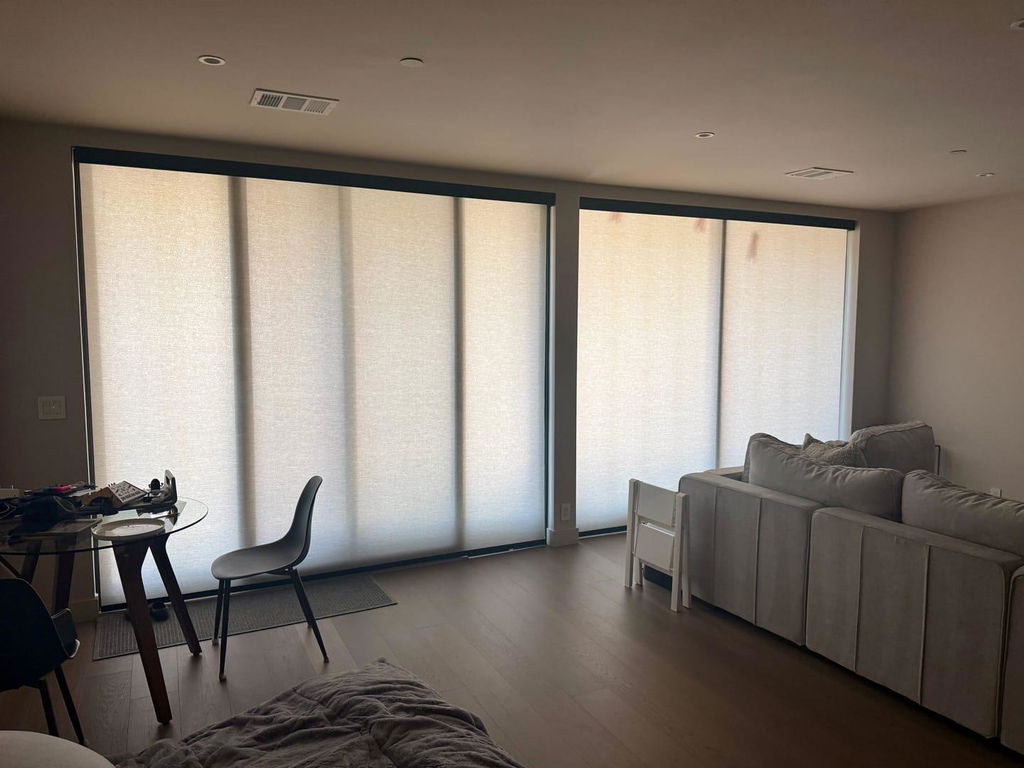
Don't be afraid of the 'click' factor, either. Modern motors are incredibly quiet. You aren't going to hear a grinding mechanical noise; it’s more of a low, premium hum that signals quality. When you have five windows in a row in a primary suite, seeing them all rise in perfect synchronization at 7:00 AM is a design experience that manual cords simply cannot replicate.
Tackling the Impossible Windows
We’ve all had that one window that stays closed for three years because it’s behind a 40-inch deep sectional or positioned over a soaking tub. I once had a client who kept a literal boat hook in her bathroom just to reach the handle on her skylight shade. It’s absurd. This is where motorized skylight cellular shades become a necessity rather than a luxury.
Remote blinds allow you to reclaim your architecture. You can actually enjoy the light from those high, angled windows without needing a ladder or a specialized pole. It changes the way you use your home. Instead of living in a dark room because the 'reach' is too annoying, you press a button and the room opens up. It’s about accessibility and making sure every square inch of your home is functional, regardless of how high the ceilings are or how deep the furniture sits.
Remote Blinds Actually Fix Room Temperatures, Too
Preserving the fabric is the primary goal, but preserving the rest of your room is a massive secondary benefit. We’ve all seen what happens to a vintage Persian rug or a leather armchair when it sits in the direct path of the 3 PM sun for five years—it bleaches out. By the time you notice the fading, the damage is done. Setting your shades on a sun-tracking schedule ensures they lower themselves the moment the UV index hits a certain threshold.
This also has a radical impact on your HVAC bill. During a hot July afternoon, your windows act like radiators. If you aren't home to lower the shades, your AC is fighting a losing battle. The Drafty Window Fix: Why I Switched to Motorized Cellular Blinds explains how this automation creates a thermal barrier that keeps the heat out in the summer and the warmth in during the winter. It’s a holistic approach to home maintenance—you're protecting the fabric of the shades, the color of your floors, and the efficiency of your home all at once.
FAQs About Motorized Window Treatments
Do I need to hire an electrician?
Not necessarily. While hardwired versions are great for new builds, battery-powered motors have become incredibly efficient. Most only need a recharge once or twice a year via a simple USB cable, making them perfect for retrofitting into existing homes without cutting into the drywall.
Can I still move them by hand if the power goes out?
Generally, no. You shouldn't pull on motorized shades as it can damage the motor's gear set. However, battery-powered units work fine during a power outage, and hardwired units often have a manual override or a backup battery option depending on the brand.
Are they compatible with my existing smart home hub?
Most modern systems use Zigbee or Bluetooth protocols that play very nicely with Alexa, Google Home, or Apple HomeKit. You can set 'scenes' so your shades lower automatically when you turn on your TV or go up when your morning alarm goes off.