The Drafty Window Fix: Why I Switched to Motorized Cellular Blinds
I am a sucker for a 1920s bungalow with original wavy glass. There is a soul in those old panes that modern double-glazing just can’t replicate. But last February, sitting in my living room with a wool blanket draped over my shoulders and a literal breeze whistling through the sash, I realized my romanticism was costing me three hundred dollars a month in heating bills. I’d tried the heavy velvet drapes—96-inch panels with 2.5x fullness—but even they couldn’t stop the thermal bleed. That is when I finally caved and installed motorized cellular blinds.
- Thermal Efficiency: The honeycomb structure creates an air pocket that stops heat transfer at the glass.
- Architecture Preservation: Low-profile headrails mean you don’t have to hide your original millwork.
- Smart Automation: Programming shades to drop at sunset ensures you never forget to seal the house.
- Layering Potential: These work best as a functional base layer beneath decorative curtains.
The Beautiful, Freezing Reality of Original Windows
If you live in a house built before 1950, you know the struggle. Those single-pane windows are architectural jewelry, but they have the insulation value of a screen door. For years, I told clients to just ‘deal with it’ for the sake of the aesthetic. I’ve seen people pull out gorgeous heart-pine windows and replace them with vinyl inserts that look like plastic toys, and it breaks my heart every time.
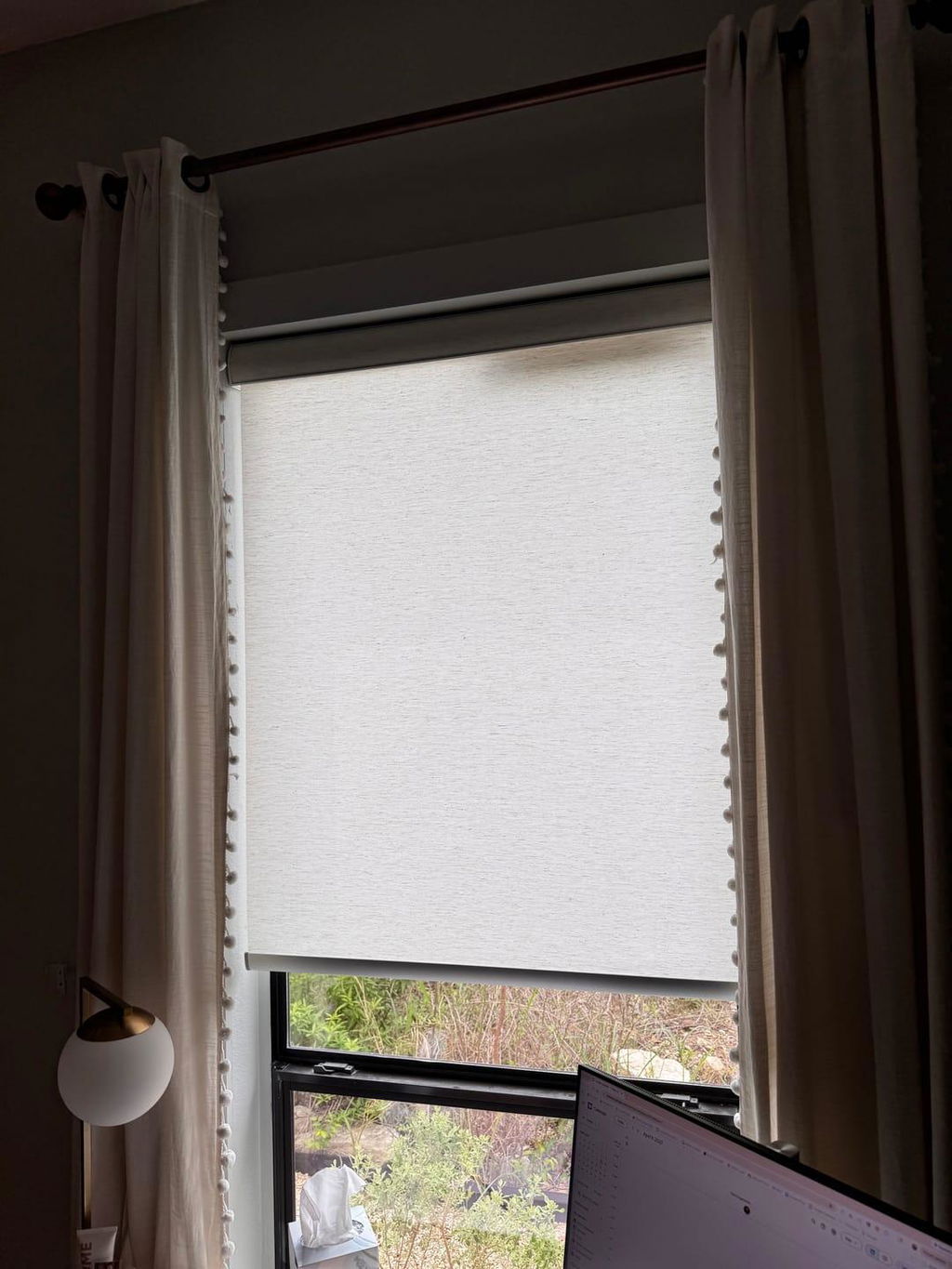
Electric cellular blinds changed my stance on window preservation. Because they can be ordered with a tiny 3/8-inch cell size and a slim headrail, they tuck almost invisibly into the top of your window casing. You get to keep the character of your wood trim while creating a modern thermal break. It is the first time I have found a solution that satisfies my need for historical accuracy and my desire not to see my breath in the kitchen while making coffee.
Why Heavy Drapes Aren't Enough (And Where Honeycomb Tech Comes In)
Physics is a total buzzkill when it comes to interior design. You can hang the heaviest, most expensive 400 gsm velvet curtains, but if they aren't puddled perfectly on the floor and sealed against the wall, the cold air just rolls right off the glass and under the hem. It’s called a convective loop, and it’s the reason your feet stay cold even when the heat is cranking.
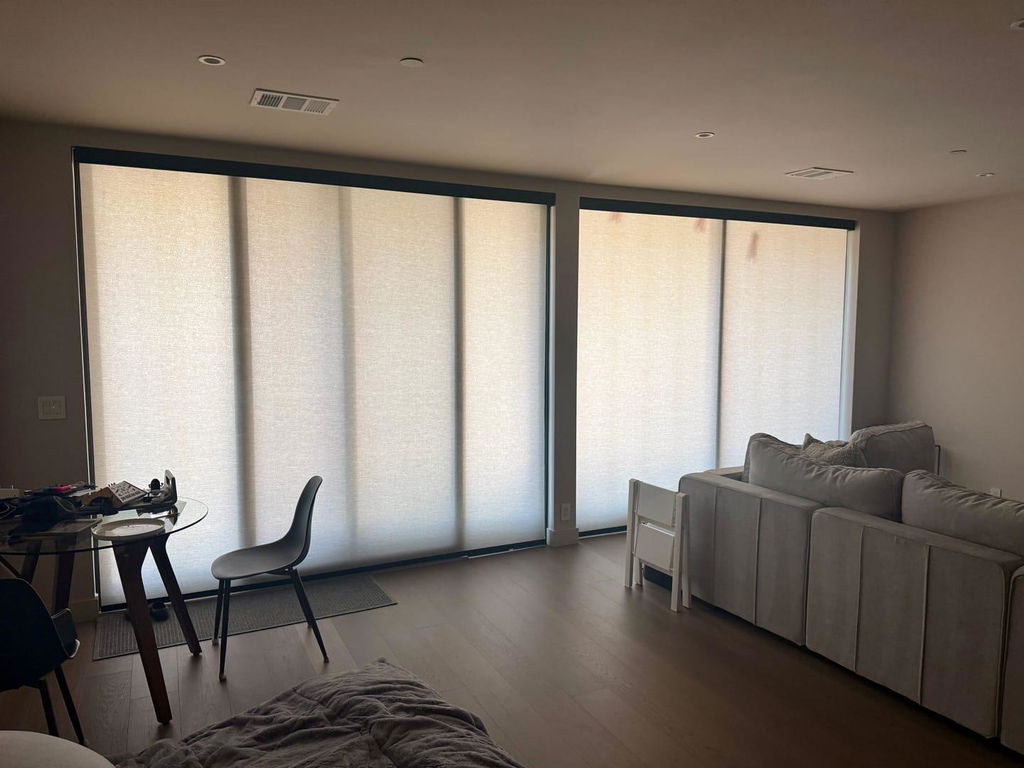
This is why I started recommending Cellular Shades as the workhorse of the window. The hexagonal 'honeycomb' pockets trap air. When the shade is down, that cold air from the window gets stuck in the cells instead of dumping into your lap. Unlike flat roller shades or wood blinds, honeycomb blinds motorized for precision create a much tighter seal against the side channels. It’s a literal wall of air protecting your room’s temperature.
The 'Set It and Forget It' Thermal Barrier
The real magic isn't just the fabric; it's the brain behind it. I used to be the person who forgot to close the blinds until 9 PM, by which time the house was already an icebox. Now, I use a smart hub to automate cellular shades to drop exactly twenty minutes before sunset. By the time the sun is down and the temperature drops, the thermal barrier is already in place.
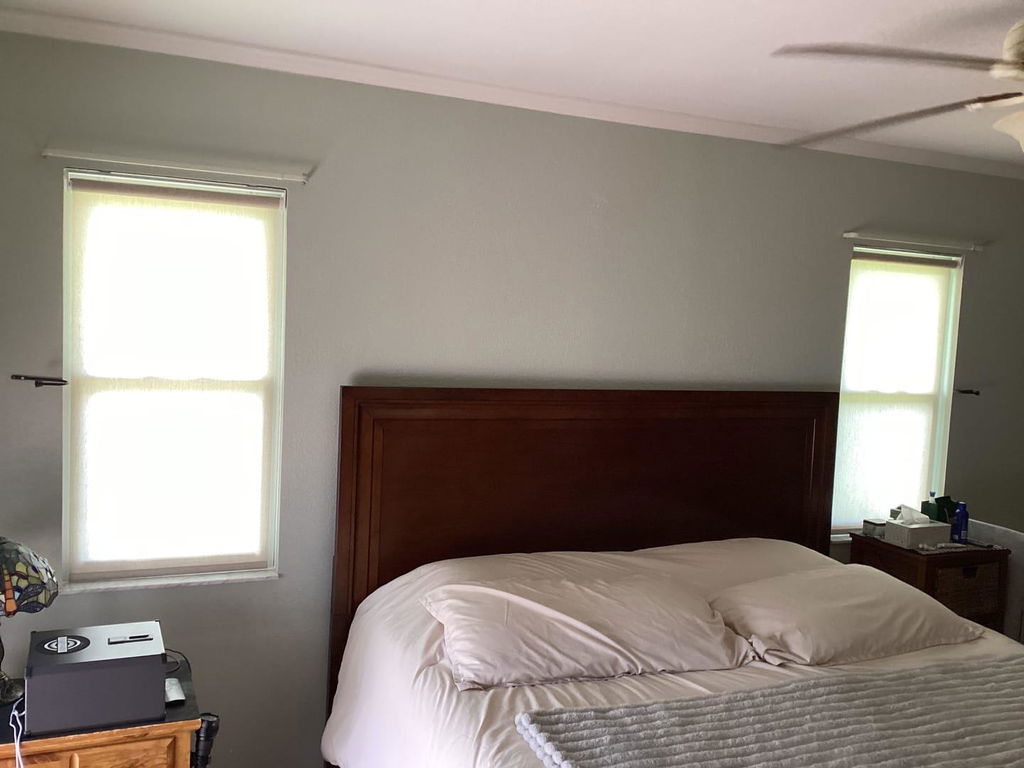
In my primary bedroom, I went with motorized blackout cellular shades. There is nothing quite like hitting a button from under the duvet to let the light in, but the real benefit is the sleep quality. No light leaks, no drafts, and no clunky cords dangling over the nightstand. However, a word of advice: don't skip the setup instructions. I wrote about The Remote Mistake I Made With My Bali Motorized Cellular Shades because I originally paired the channels wrong and ended up with my bedroom shades opening every time I tried to lower the living room ones. It was a comedy of errors that a simple reset fixed.
If you’re worried about them looking too 'techy,' don't be. I’ve found that when you treat them as an architectural element rather than a gadget, they disappear. I actually put together a guide on Why Your Motorized Cellular Blinds Look Basic (And How to Fix It) because most people mount them wrong. The trick is the depth—if you have the room, a deep inside mount is the only way to go.
Tackling the Impossible Drafts: Skylights and Transoms
We need to talk about the heat suck that is a skylight. I love a sun-drenched kitchen, but in the winter, all your expensive warm air is just floating straight up and hitting that cold skylight glass. Manual shades for these are a nightmare—nobody wants to keep a ten-foot pole in their pantry just to close a window.
I finally installed the Canisteo Motorized Skylight Cellular Shades Flex in my studio, and the difference was immediate. It stopped that weird 'falling cold air' feeling you get when standing under a roof window. For the transom windows over my French doors, I used the Canisteo Motorized Tdbu Skylight Cellular Shades Flex. The top-down bottom-up feature is a lifesaver; I can keep the bottom half closed to block the neighbor's fence but leave the top open to see the trees, all via remote control.
My Go-To Styling Rule for Smart Honeycomb Blinds
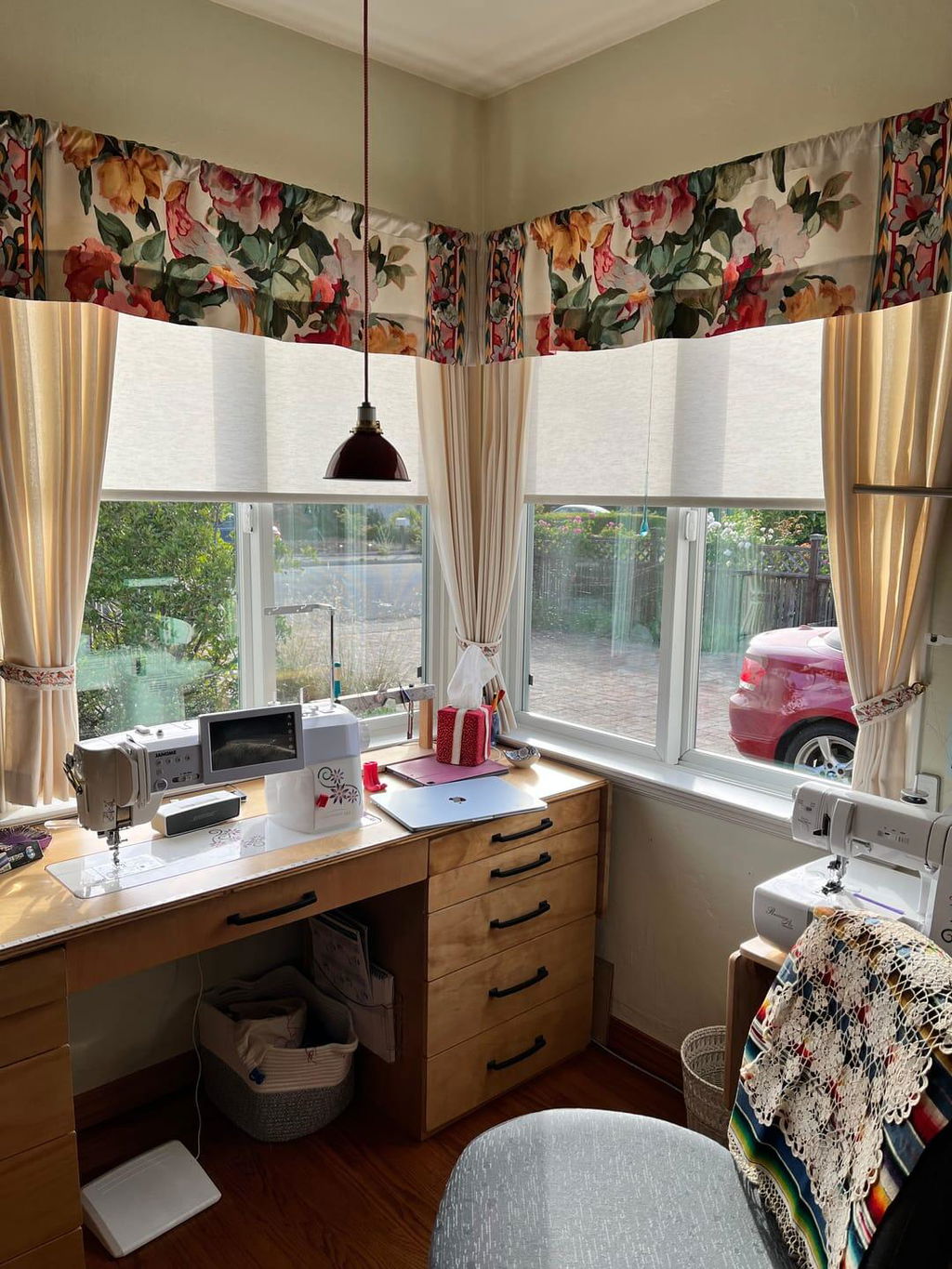
Here is the designer secret: motorized honeycomb window shades are functional, but they aren't always 'the look.' To make them feel high-end, I always layer them. I install the remote cellular shades as an inside mount, tucked as close to the glass as possible. Then, I hang a beautiful brass or matte black rod about 6 inches above the window frame and 10 inches wider on each side.
I use stationary linen panels on the rod. During the day, the cellular shades are raised and completely hidden behind the top of the curtains or the window header. You see the beautiful wood trim and the soft linen. At night, the honeycomb electric blinds glide down to do the heavy lifting of keeping the heat in. It’s the ultimate ‘form meets function’ setup. You get the romantic, airy look of a designer room with the utility of a smart home, and your HVAC system will finally stop working overtime.
Frequently Asked Questions
Are motorized cellular blinds loud?
Most modern motors, especially the lithium-ion rechargeable ones, make a low hum that’s quieter than a microwave. In a bedroom, it’s a gentle whir that you’ll stop noticing after two days.
How long does the battery last on remote control cellular shades?
If you’re opening and closing them once a day, you can usually go 6 to 12 months on a single charge. I just plug mine in overnight once a year, like charging a very large phone.
Can I install a cellular shade motorization kit on my existing blinds?
It’s possible, but honestly, it’s a headache. The tension and weight of the pleats need to be perfectly calibrated for the motor. It is usually better to buy the integrated system to avoid burning out a motor on a DIY job.