I Put a Somfy Drapery Motor on Massive Curtains—Here's the Truth
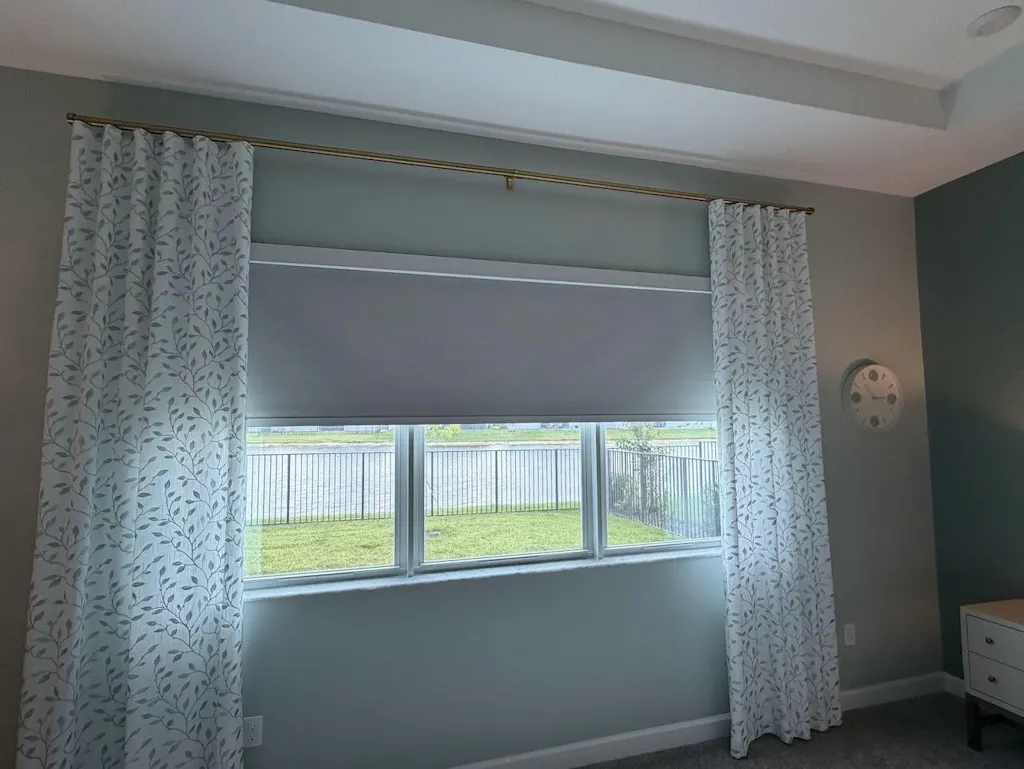
I remember standing in my living room at 7:00 AM, coffee in one hand, wrestling with twelve feet of double-width Belgian linen with the other. My windows are massive—a floor-to-ceiling expanse that makes the room feel like a cathedral but acts like a greenhouse the second the sun hits. Tugging at those heavy, blackout-lined panels every morning was starting to feel like a gym session I didn't sign up for. I wanted that silent, effortless glide you get in a five-star suite in London, not the jerky, stuttering mess of a budget curtain rod.
Quick Takeaways
- The somfy drapery motor handles heavy, interlined fabrics that would fry a standard smart-home motor.
- Expect near-silent operation; the 'swoosh' is more of a whisper than a mechanical hum.
- Professional-grade tracks like the Somfy Glydea prevent the fabric-tugging that eventually ruins delicate pinch pleats.
- Installation requires some planning around power sources, but the aesthetic payoff is unmatched.
The Problem With Covering a Massive Wall of Glass
When we designed this space, the 144-inch span of glass seemed like a dream. Then reality set in. To get proper 2.5x fullness, I was looking at nearly 30 pounds of fabric once you factor in the heavy interlining and the 108-inch drop. Dragging that much weight across a standard rod twice a day isn't just annoying; it's hard on the hardware. I noticed my bracket screws were starting to wiggle, and the constant hand-tugging was leaving oils on the leading edge of my white linen.
I needed automation, but I was terrified of losing the soft, romantic look of traditional drapes. Most smart-home solutions I saw were clunky plastic rods that looked like they belonged in a dorm room. I wanted the tech to be invisible, letting the somfy curtain do the talking while the motor did the heavy lifting behind the scenes.
Why I Kept the Fabric (When Everyone Else Went Sleek)
A few friends suggested I give up on the drapes entirely. They had replaced my bulky drapes with roller shades motorized for a cleaner, more minimalist look. And while I love a sleek shade in a kitchen, this living room has 12-foot ceilings and hardwood floors. It’s an acoustic nightmare. Without the heavy folds of fabric to absorb the sound, every conversation echoed like we were in a subway station.
I needed the texture. I needed the way a 300 gsm linen blend catches the light at 4 PM. Roller shades are functional, but they don't give you that 'enveloping' feeling that a wall of fabric provides. I decided to stick with my drapes, which meant I needed a somfy curtain motor that could actually handle the heft without sounding like a lawnmower.
Enter the Somfy Glydea: The 'Hotel Standard' Track
After hours of deep-diving into forums, I landed on the somfy motorized drapery track. Specifically, the somfy glydea series. If you've ever stayed in a high-end hotel and wondered why the curtains part so perfectly when you flip a bedside switch, this is likely what was behind the valance. It’s the gold standard for a reason.
The somfy glydea track isn't just a motorized rod; it’s a high-torque system designed for continuous use. What sold me was the 'Touch Motion' feature. You can give the fabric a gentle tug, and the somfy motorised curtain track takes over, finishing the movement for you. It’s smooth, it’s consistent, and it doesn't have that cheap, jerky start-and-stop motion that plagues the $99 versions you find on Amazon.
Wait, Does the Weight of the Fabric Actually Matter?
Yes, absolutely. Most people underestimate how much heavy drapery fabric weighs once it's pleated and hung. A standard motor might claim it can pull 10 pounds, but friction on a long track adds up fast. I’ve seen cheap motors stall out halfway across a window because the fabric was just too dense.
The somfy curtain motors are rated for different weight classes. I went with a higher torque model to ensure that even with the added friction of my blackout lining, the motor wouldn't be straining. This is the difference between a motor that lasts two years and one that lasts twenty. If your motor is constantly working at its absolute limit, it’s going to burn out.
Breaking Down the Somfy Curtain Motor Price
Let’s talk about the elephant in the room: the somfy curtain motor price. You are going to pay more for this than a manual rod or a DIY smart-track kit. A full setup for a wide window can easily run between $600 and $1,200 depending on the length of the somfy motorized curtains track and whether you choose battery or hardwired power.
Is it worth it? For me, yes. I look at it as an investment in the longevity of my custom drapery. When you manually pull curtains, you’re putting stress on the pleats and the carrier hooks. Over time, they sag. The somfy electric curtains pull from the top, evenly distributing the weight across the entire somfy drapery track. You’re not just paying for the 'cool factor'; you’re paying to keep your $2,000 drapes looking brand new for a decade.
The Installation Reality: Can You DIY This Track?
I’ll be honest: I tried to DIY the somfy curtains installation. It’s doable, but you need a second pair of hands. Mounting a 12-foot somfy motorized drapery track to the ceiling requires precision. If the track isn't perfectly level, the motor has to work harder against gravity. I ended up using heavy-duty toggle bolts because I couldn't hit a stud every 16 inches along the entire span.
The clever part is how you hide the somfy curtain motors. The track is designed so the motor sits vertically, tucked behind the 'return' of your curtain panel. When the drapes are closed, you can't see it at all. If you’re building new, I highly recommend running a power outlet near the top of the window frame. If not, the battery-powered versions are surprisingly robust, though you’ll have to plug them in to charge every few months.
The Final Verdict on My 'Swooshing' Living Room
Every evening when the sun starts to dip, I hit one button on my remote, and the room transforms. There is something deeply satisfying about watching 12 feet of fabric glide shut in total silence. It has completely changed how we use the room. We actually close the drapes now to watch movies or keep the heat in, whereas before, I’d often leave them open just because I didn't want to deal with the hassle of pulling them.
If you have small windows, this might be overkill. But if you’re dealing with a massive wall of glass and heavy textiles, don't cut corners. The somfy drapery motor is the difference between a project that feels like a DIY hack and one that feels like a luxury home.
FAQ
Can I use my existing curtains with a Somfy track?
Usually, yes. As long as your drapes use standard hooks or carriers, they can be adapted to the Somfy system. However, grommet-top curtains won't work; you need a track-compatible header like a pinch pleat or a ripple fold.
How loud is the motor?
The Glydea range is incredibly quiet. From across the room, you mostly hear the sound of the fabric sliding across the track rather than the motor itself. It’s much quieter than a typical motorized blind or shade.
What happens if the power goes out?
Most Somfy models have a manual override. You can still pull the curtains by hand without damaging the motor. Once the power returns, the motor recalibrates its 'open' and 'closed' positions automatically.