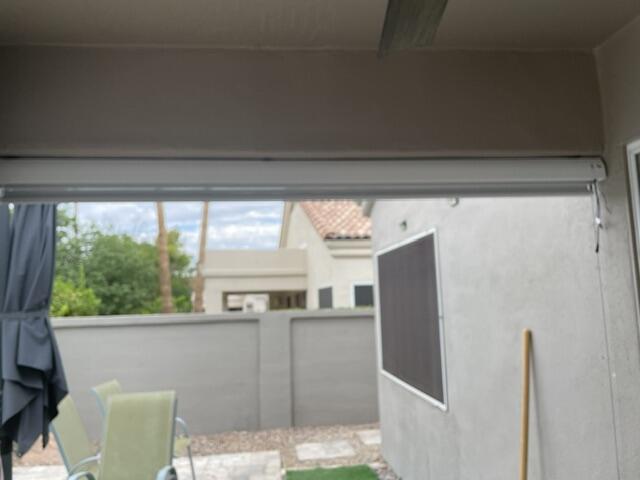
I Needed Privacy Fast: How to Install Tear-to Fit Roller Shade Blinds
I had a houseguest arriving in exactly forty-eight hours, and the guest room window was a literal fishbowl. The custom Roman shades I actually wanted were six weeks out and $300 a pop, and I refused to be the person who tapes a flat bedsheet to the window trim. I needed a fix that looked intentional, worked immediately, and didn't require a degree in mechanical engineering.
I ended up at the local big-box store, staring at a wall of vinyl. I grabbed a how to install tear-to fit roller shade kit because it promised a custom fit without the custom wait time. It felt like a gamble, but with a little styling magic, I managed to make a budget-friendly solution look like a high-end design choice.
Quick Takeaways
- Measure the narrowest part of your window casing for an inside mount.
- The 'tear' works via pre-scored fabric and a perforated cardboard core.
- Discard the included hardware screws for higher-quality wood screws to prevent sagging.
- Layer with linen drapes to hide the utilitarian plastic brackets.
Why I Put a $15 Blind in a Designer Guest Room
Let’s be honest: sometimes the budget or the timeline just doesn't allow for a $500 window treatment. I was skeptical about the mainstays room darkening tear-to-fit roller shade. It’s a $15 piece of vinyl and cardboard. But when you’re staring down a midnight arrival for a friend and the streetlamp outside is bright enough to perform surgery by, you swallow your pride and head to Walmart.
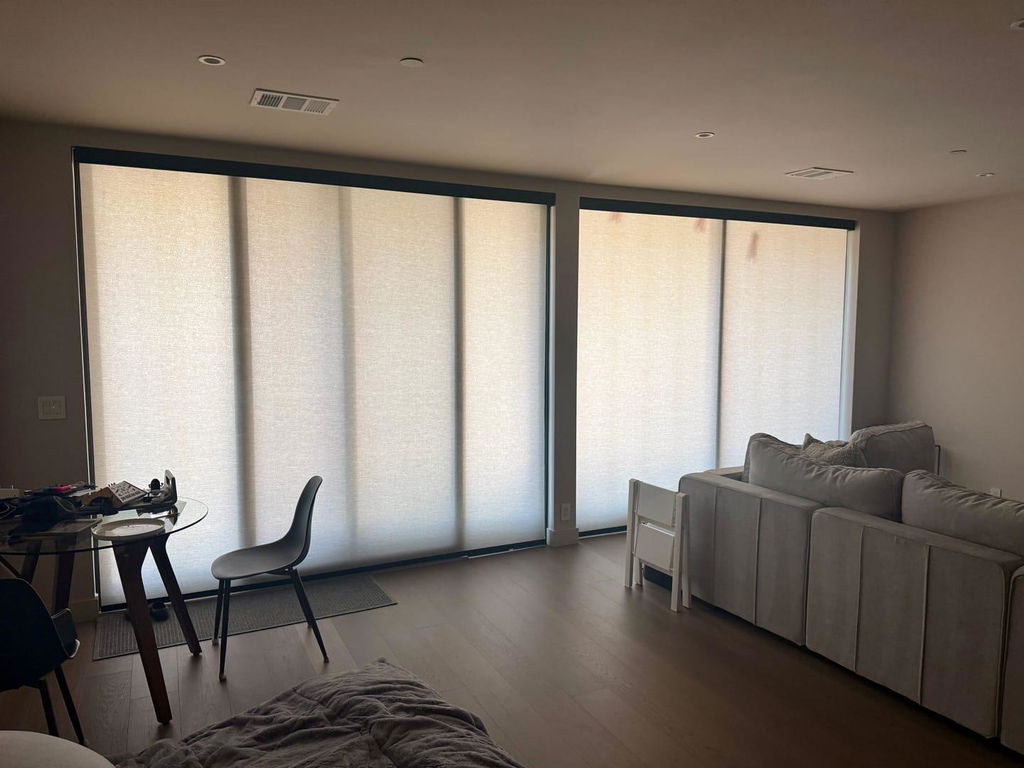
The appeal here is instant gratification. You aren't waiting for a shipping notification or a professional installer. You can walk into the store at 4:00 PM and have a fully darkened room by 4:30 PM. It’s a temporary fix that, if done correctly, can actually stay for years. I’ve found that in secondary bedrooms or home offices, these shades do the heavy lifting of light blocking so your expensive decorative drapes can just sit there and look pretty.
The Tearing Mechanism: How It Actually Works (Without Fraying)
The first time you prepare to 'tear' a blind, your heart will probably be in your throat. It feels like you’re about to ruin a perfectly good product. The shade is constructed with a vinyl or fabric material that is heat-sealed and pre-scored at 1/4-inch or 1/2-inch intervals. The inner tube isn't heavy-duty steel; it’s a reinforced, perforated cardboard core.
To size it, you find the score line that matches your measurement and simply pull. The material peels away in a clean, straight line. No hacksaws, no jagged scissor marks, and no fraying. The trick is to pull with a steady, firm hand. If you hesitate or pull at an angle, you risk a slight ripple in the edge, but generally, the physics of the pre-scored line keeps things remarkably straight. It’s a satisfying, albeit loud, process that solves the 'my window is 33.5 inches but they only sell 36-inch blinds' dilemma.
Step-by-Step: How to Install Tear-to Fit Roller Shade Systems
Even though this is a budget-friendly DIY, you cannot skip the precision. A crooked roller shade is the fastest way to make a room look like a dorm. While the materials are lighter than custom options, the How To Install Your Shades basic principles still apply: level your brackets and double-check your depth.
Measuring the Window (And Doing the Math)
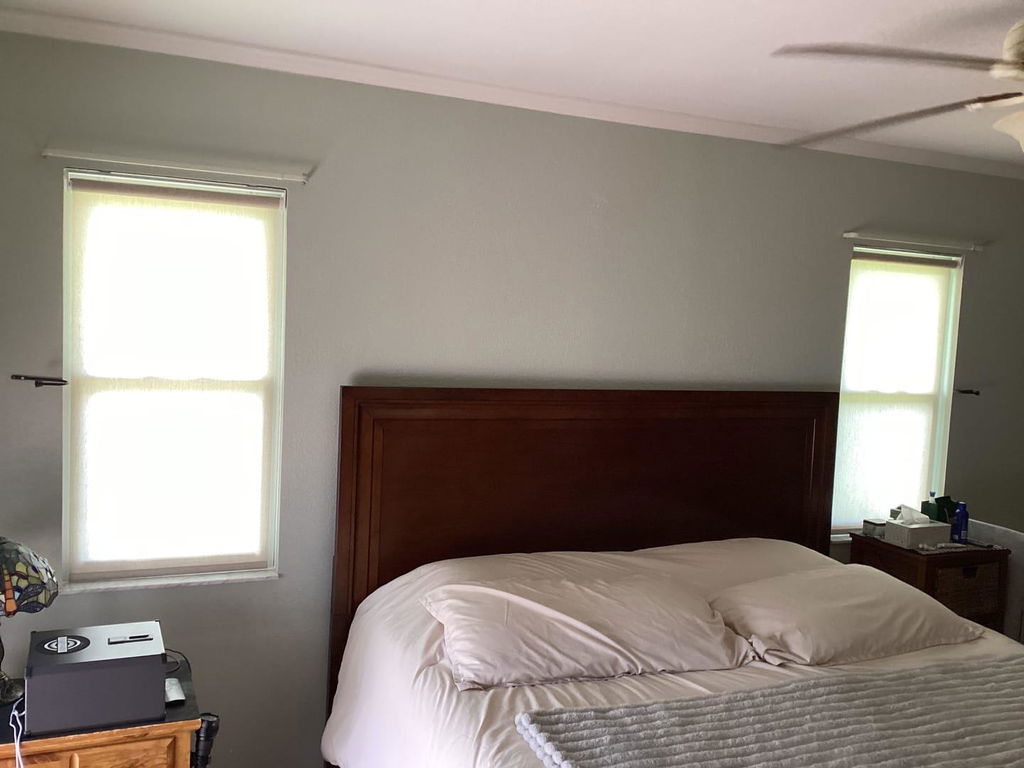
For an inside mount, measure the width of your window at the top, middle, and bottom. Use the narrowest measurement. You want the shade to sit flush within the casing, but you have to account for the tear-to-fit roller shade brackets. Usually, you need to tear the shade to be about 1 inch narrower than the total window width to allow the hardware to fit. I always aim to recess the shade at least two inches deep so the roll doesn't poke out past the trim. For a truly professional look, check out this guide on How to Install a Roller Shade Inside Mount (And Hide the Brackets) to ensure your placement is spot on.
Mounting the Tear-to-Fit Roller Shade Brackets
The hardware that comes with a walmart tear to fit roller shade is functional but basic. It’s usually a pair of stamped metal brackets. One side has a circular hole for the pin, and the other has a 'well' or a slot for the flat tension spear. My biggest piece of advice: throw the included screws in the trash. They are made of soft metal and the heads strip the second they hit a 100-year-old oak window jamb. Use your own 1-inch wood screws. If you’re mounting into drywall, don't even think about skipping the anchors.
Clicking the Shade Into Place
Once your brackets are level and secure, it’s time to mount the roller. Insert the spring-loaded pin side into the circular bracket first. Push the shade toward that bracket to compress the spring, then drop the flat spear on the opposite end into its slot. Give it a few test tugs. If the tension feels off, you might need to manually wind the shade up a few turns before clicking it in to 'prime' the internal spring.
How to Make a Walmart Tear to Fit Roller Shade Look Expensive
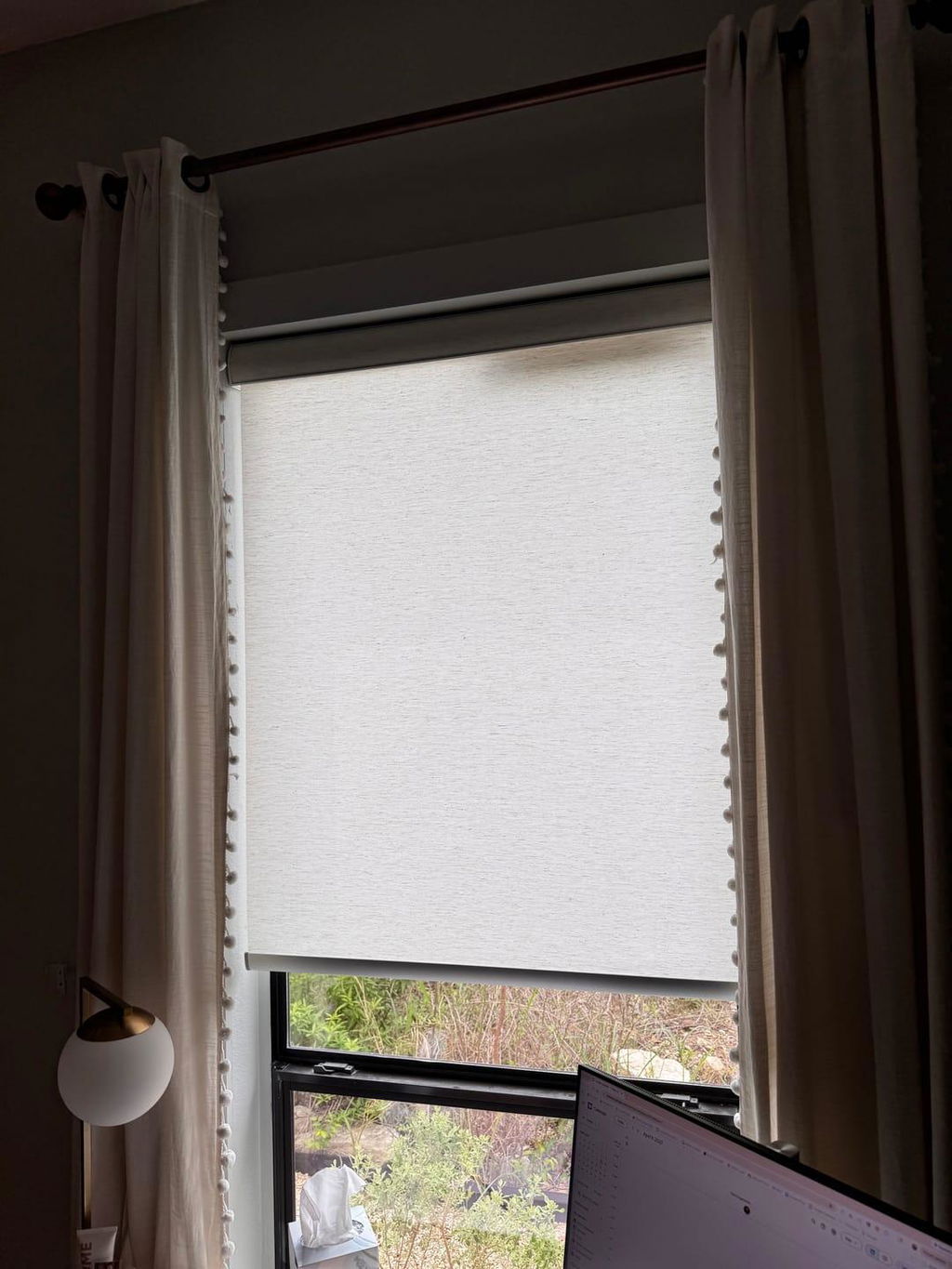
A naked vinyl roller shade is rarely a 'vibe.' To make it look like a designer choice, you have to layer. I paired my room-darkening shade with a set of 200 gsm off-white linen panels hung on a matte black French return rod. By mounting the curtains 'high and wide'—about 6 inches above the frame and 8 inches past the sides—the focus is on the fabric, not the $15 blind underneath.
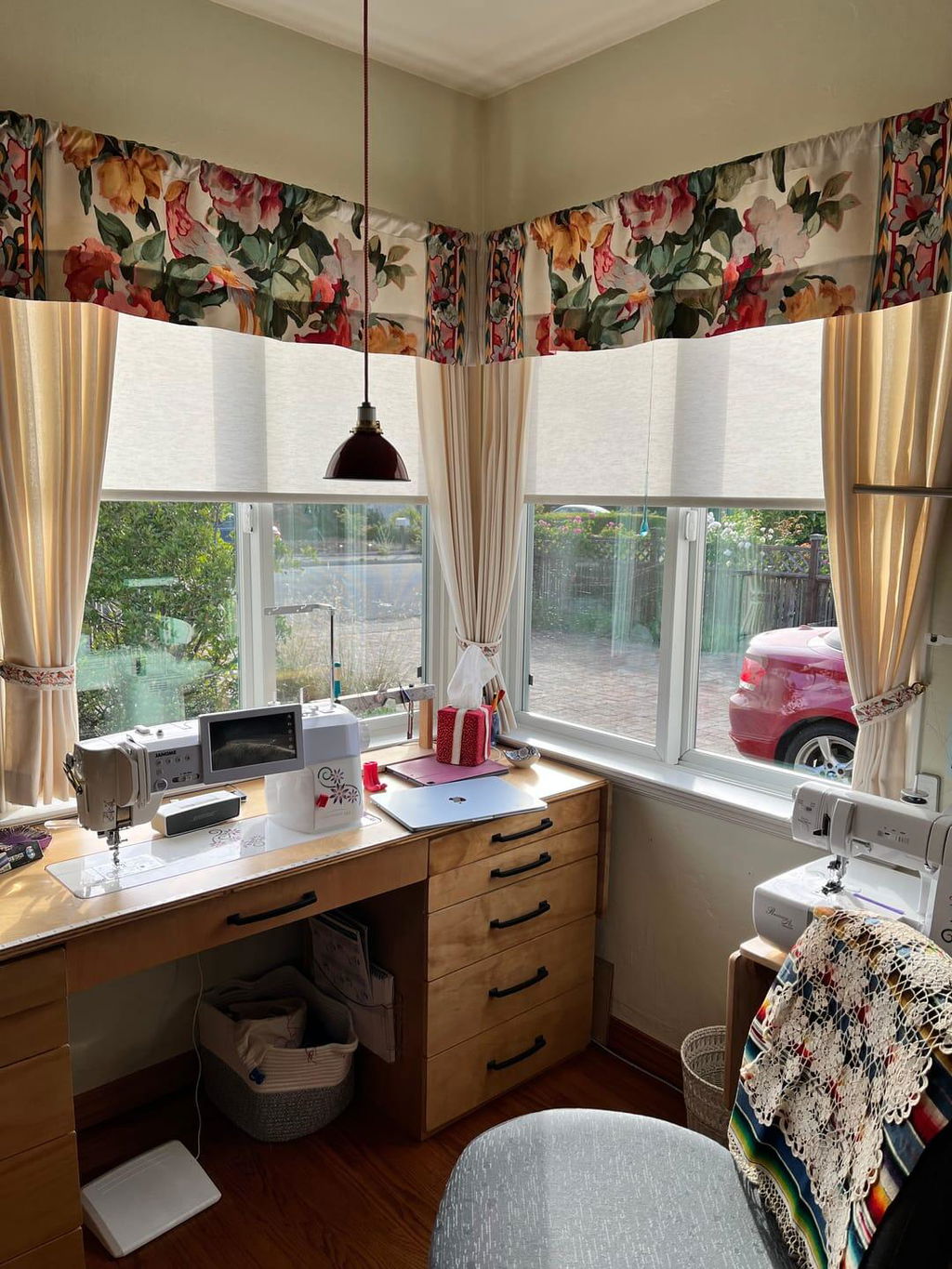
If you don't want drapes, consider a simple DIY fabric valance or a pelmet box. This hides the plastic roller and those utilitarian brackets entirely. If you ended up with an outside mount because your casing was too shallow, you’ll definitely want to see How to Hide an Ugly Roller Shade Mounting Bracket on Outside Mounts. The goal is to let the shade do the work of blocking light while the surrounding 'jewelry' does the aesthetic heavy lifting.
When It's Time to Graduate to Custom
Tear-to-fit shades are a brilliant hack for rentals, guest rooms, or when you're mid-renovation and the budget is tight. They saved my guest room from being a fishbowl, and my friend slept like a rock. However, they aren't forever. The vinyl can yellow over years of UV exposure, and the cardboard core eventually loses its rigidity on very wide windows.
When you're ready for a smoother glide, heavier fabric weights, and a motorization option, it's time to look at permanent Roller Shades. But until then? Don't feel bad about the budget buy. With the right installation and a little styling, no one will ever know you ripped your window treatments to size in the middle of the living room floor.
FAQ
Can I use a saw instead of tearing it?
I wouldn't. The 'tear' system is designed to work with the pre-scored lines. Using a saw on the cardboard core can crush the tube and make it impossible to insert the end caps. Stick to the peel-and-tear method for the cleanest edge.
What if my window is wider than the largest available size?
You can't really 'stretch' these. If your window is wider than the 55-inch or 72-inch max sizes usually found in-store, you'll need to mount two shades side-by-side. Just be prepared for a small light gap in the center where the brackets meet.
How do I clean a vinyl tear-to-fit shade?
A damp microfiber cloth with a tiny bit of dish soap works wonders. Avoid harsh chemicals, which can break down the vinyl coating and make it sticky over time. Since they are so affordable, if they get truly stained, it's often easier to just replace them.