I Hide Pop-In Window Shades Behind Drapes So They Don't Look Rented
I remember standing in the middle of my first 'real' apartment, staring at the gorgeous mahogany window trim and the aggressive 6 AM sun. The landlord was very clear: no drilling into the wood. I spent a week living in a fishbowl before I caved and bought a set of temporary paper pleats. It felt like living in a construction zone. That is when I realized that pop-in window shades aren't the design failure we think they are—it is all about the framing.
- Mount your curtain rod at least 4 inches above the window frame to hide the shade mechanism.
- Opt for 2.5x fullness in your drapery to ensure the fabric looks lush, not skimpy.
- Use heavy linen or velvet fabrics to provide enough visual weight to distract from the shade.
- Always clean the window return with rubbing alcohol before installing a tension mount to prevent slipping.
The Stigma Around No-Drill Window Treatments
Designers usually treat tension-mounted shades like a dirty little secret. We associate them with dorm rooms or that first apartment where you used a bedsheet as a divider. But honestly? I have used them in million-dollar historic brownstones where the plaster walls were so fragile they would have crumbled at the sight of a power drill. They are the ultimate problem-solvers for 'un-drillable' spaces.
Sometimes you just need a placeholder. If you are waiting eight weeks for a custom order to arrive, these shades keep the neighbors from watching you eat cereal in your bathrobe. The trick is to treat them as a functional layer rather than a finished look. They handle the privacy; your textiles handle the soul of the room.
The Golden Rule: Never Let the Header Show
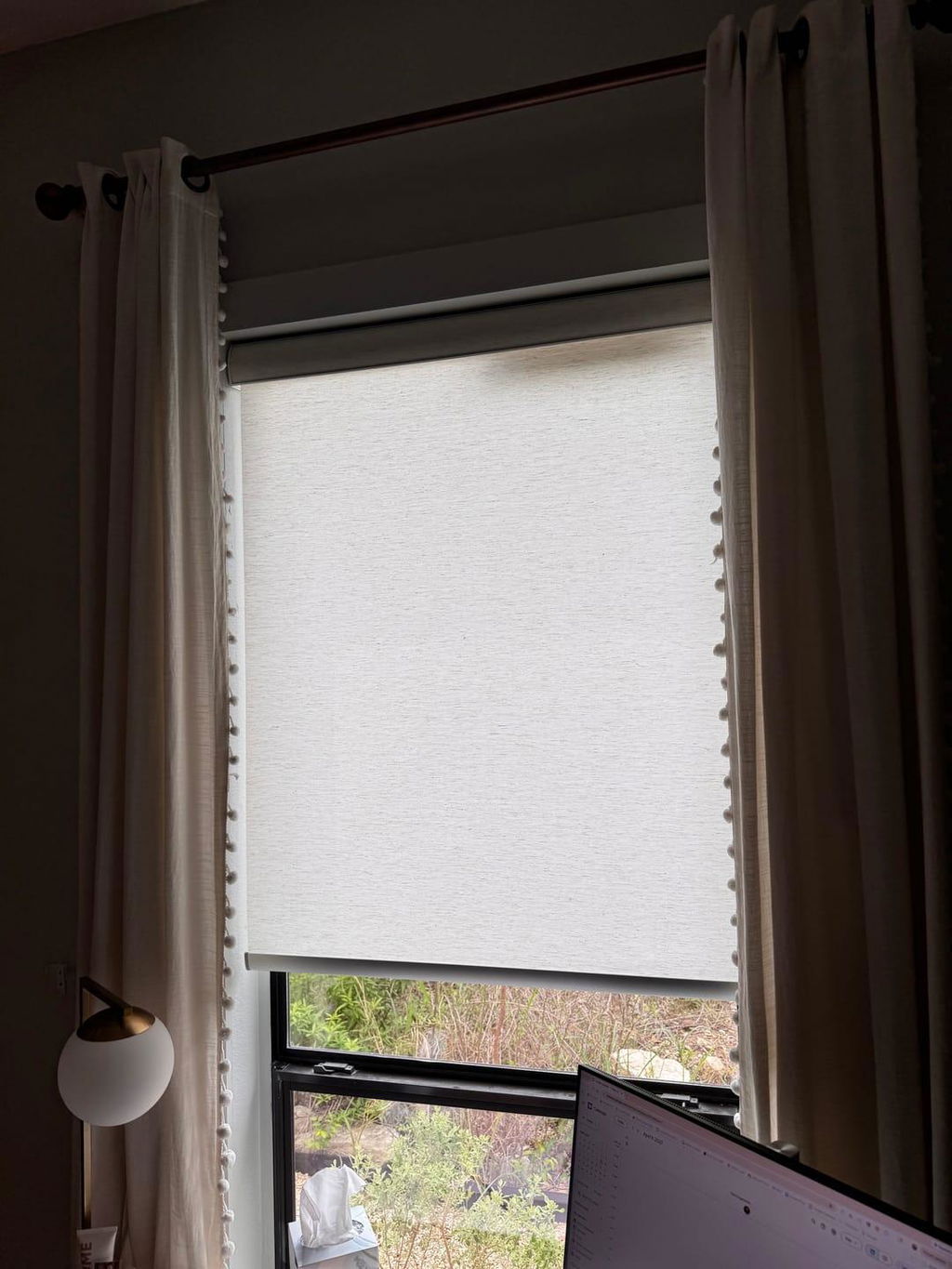
The dead giveaway of a cheap window fix is that clunky white plastic or metal header bar. It screams 'temporary.' To fix this, I always install a high-and-wide drapery rod that sits completely outside the window frame. By hanging your panels 6 inches past the frame on either side, you create a stage that draws the eye away from the window's 'guts.'
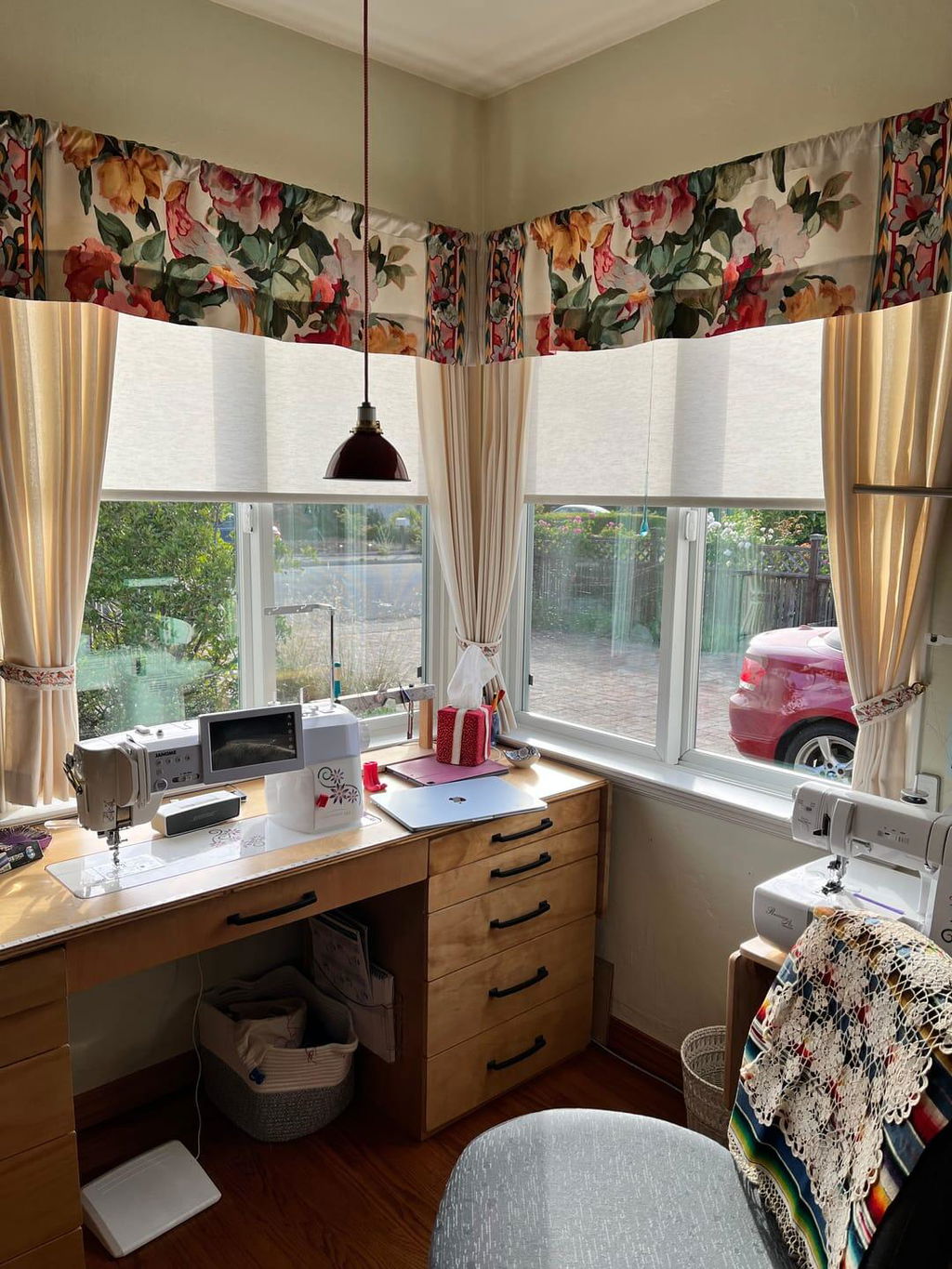
While high-end Roller Shades often come with beautiful fabric-wrapped cassettes that you want people to see, temporary pop-ins have ugly mechanisms that must be hidden. I usually opt for a 1-inch brass rod and let the drapes hang just enough to graze the floor. When the shade is up, it vanishes behind the top of the fabric. When it is down, it just looks like a clean, intentional blackout layer.
Tricky Architecture Where Tension Mounts Actually Win
There are some architectural scenarios where drilling is just a bad idea. Take a newly tiled bathroom, for example. You spent a fortune on Zellige tile; the last thing you want to do is risk cracking a piece just to hang a blind. A tension-mount shade fits perfectly inside the tiled return without a single hole. It is clean, it is safe, and it keeps your warranty intact.
Metal French doors are another nightmare for traditional hardware. If you aren't ready to commit to permanent Day Night Shades, a pop-in version can bridge the gap. It gives you that dual-function privacy during the transition period without leaving permanent scars on the metal. I have used this trick in three different rentals, and it has saved my security deposit every single time.
Fabric Weights That Play Nice With Temporary Shades
Because pop-in shades are often very flat and rigid, you need a drape with some 'oomph' to balance the scale. I swear by a 280 gsm heavy linen blend or a matte velvet. You want something that puddles slightly—maybe a half-inch—on the floor. This softness counters the sharp, utilitarian lines of the shade behind it.
I once made the mistake of layering thin, 100% polyester sheers over a paper pop-in shade. It was a disaster. The light hit the paper shade and made it look like a glowing hospital screen, while the thin sheers did nothing to hide the plastic header. Now, I stick to natural fibers with a bit of tooth. The way a heavy flax-colored linen catches the afternoon sun makes even a $20 shade look like it belongs in a boutique hotel.
When It's Time to Graduate to a Permanent Fix
Let's be real: pop-in shades are not forever. After about 18 months of daily use, the internal springs usually start to fatigue, or the edges of the fabric begin to fray from the constant tension. They are a fantastic bridge, but they aren't the destination. You will know it is time to upgrade when you find yourself having to 'help' the shade stay level every morning.
When that day comes, you can move toward something with real longevity. If you are tired of the manual tug-of-war, I Finally Upgraded To Window Shades Automaticheres The Truth about making the jump to motorized, permanent fixtures. But until then? Don't be afraid of the pop-in. Just buy the good drapes first.
Are pop-in shades safe for all window types?
Generally, yes, but be careful with very old, brittle wooden frames. The tension required to keep the shade up can occasionally stress ancient wood. For modern vinyl or metal frames, they are perfectly safe.
How do I keep them from falling down?
The secret is the prep work. Most people just stick them in. I use a cotton ball soaked in rubbing alcohol to clean the exact spots where the tension pads will sit. Removing the dust and oils ensures the grip actually holds.
Can I use these with sheer curtains?
You can, but the shade will be visible. If you like that look, go for a woven wood pop-in rather than a white plastic one. It adds texture that looks intentional through the sheer fabric.