I Finally Upgraded to Window Shades Automatic—Here's the Truth
I used to be a total purist about my windows. I wanted the tactile click of a brass pull or the heavy, satisfying drag of a velvet drape on a thick rod. To me, window shades automatic sounded like something out of a sterile, glass-walled Silicon Valley office—not my cozy, layered living room where I spent three months hunting for the perfect vintage rug.
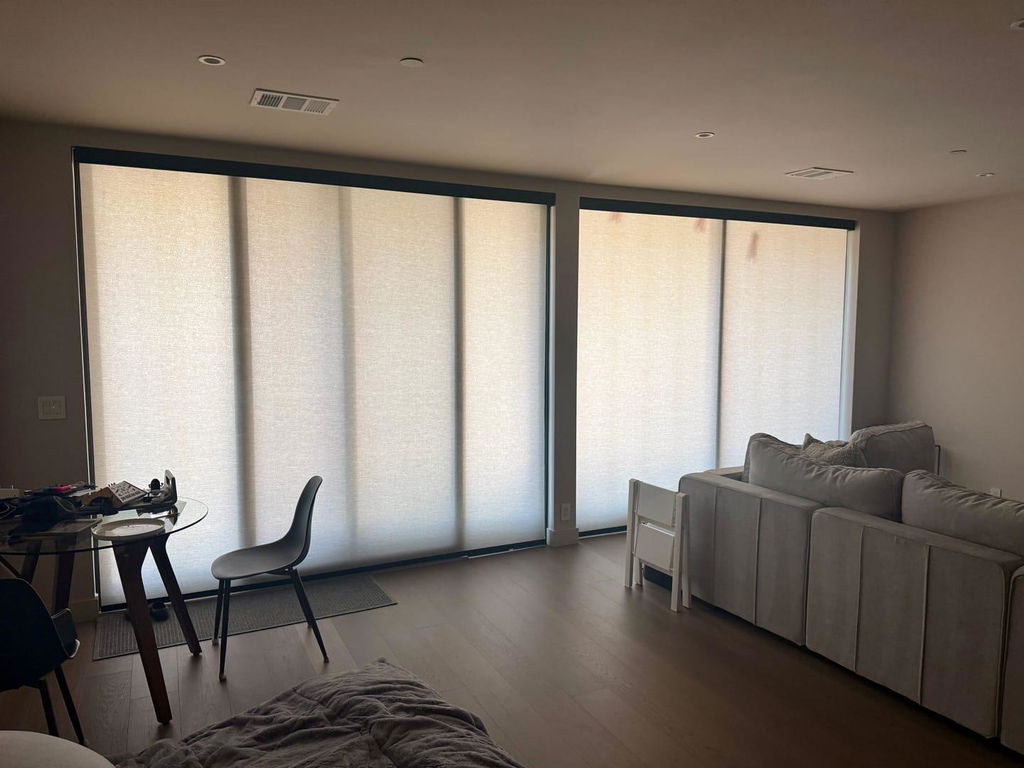
But then I moved into a place with four massive west-facing windows and a skylight that seemed specifically designed to cook my houseplants by noon. Suddenly, the romance of manual adjustments died. I found myself choosing between living in a cave or suffering through a blinding glare that washed out my TV and faded my favorite navy linen armchair.
Quick Takeaways
- Eliminating cords creates a cleaner, more custom architectural look for any window frame.
- Battery-powered motors mean you don't have to hire an electrician or tear into your drywall.
- Automation protects expensive upholstery and rugs from UV damage by scheduling shades to close during peak sun.
- Remote control window blinds are a necessity, not a luxury, for high ceilings and furniture-blocked windows.
Confession: I Hated the Idea of 'Smart' Window Treatments
I’ll admit it: I had a massive bias against anything labeled 'smart' for my home. I pictured bulky, buzzing motors and those hideous gray plastic remotes that look like they belong to a 1994 VCR. I worried that motorization for blinds would strip away the soul of my design, replacing soft textures with mechanical coldness.
The reality is that motorized window shades and blinds have come a long way from the clunky office versions. Modern systems are discreet, with motors small enough to tuck inside a standard 2-inch headrail. You can get them in everything from a 5% openness solar screen to a heavy-weight 300 gsm linen weave. It turns out, electric window blinds don't make your house look like a tech lab; they just make it look like you have your life together.
The Cord Clutter Problem I Didn't Realize I Had
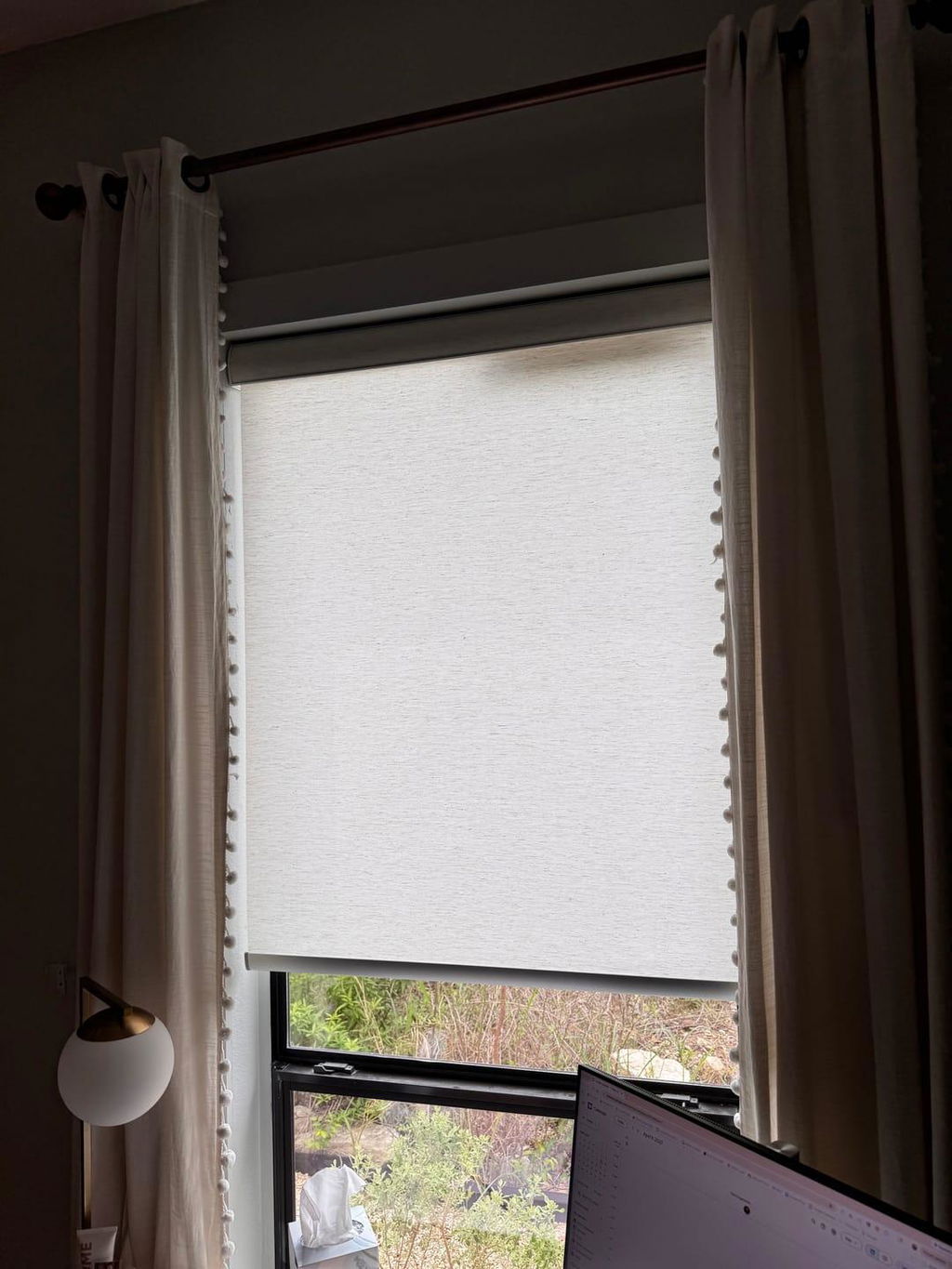
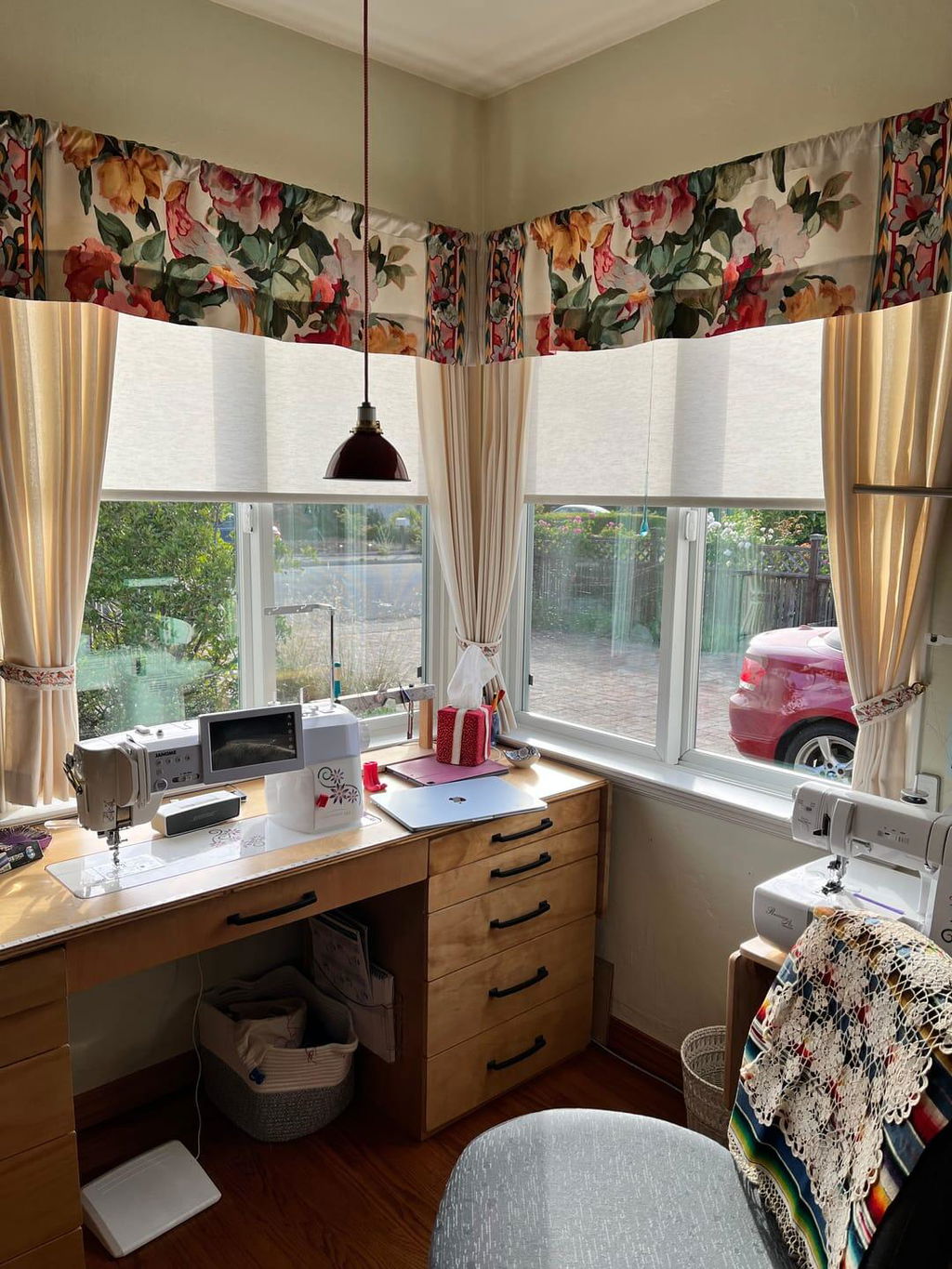
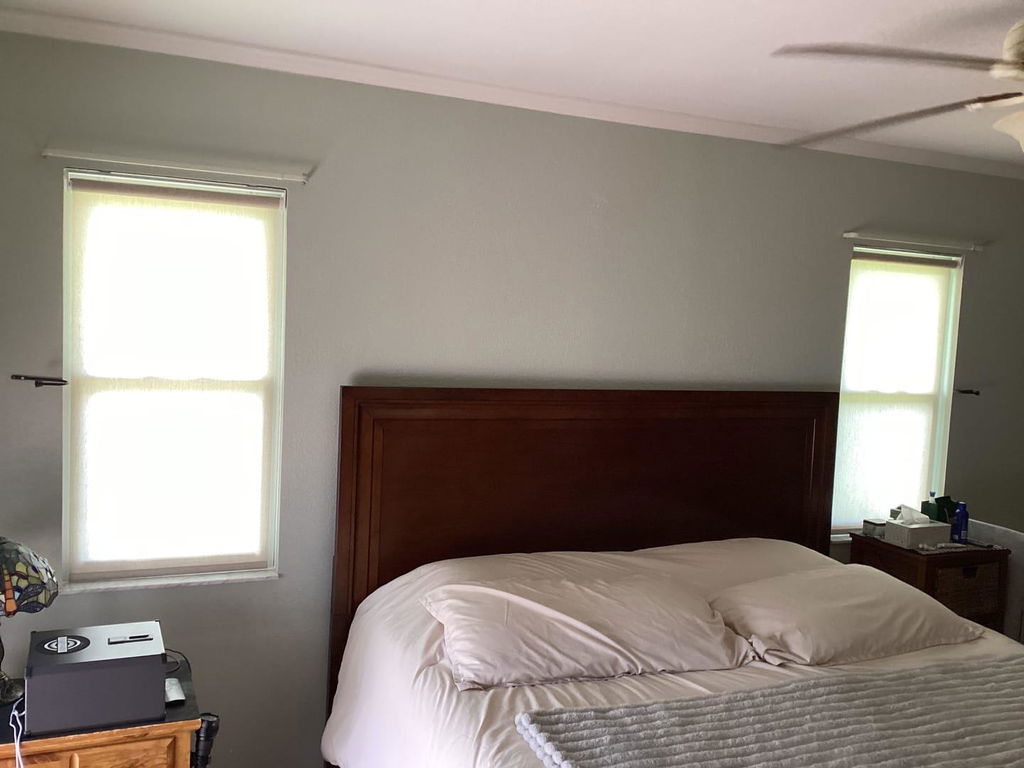
We spend so much time obsessing over paint swatches and crown molding, yet we ignore the messy tangle of nylon strings hanging off our windows. Those cords are visual static. Once I swapped my old corded Romans for sleek custom roller shades, the whole room felt wider. The window frames finally looked like part of the architecture rather than just a place to hang hardware.
Using a remote roller shade means the lines of your window stay perfectly crisp. There is no uneven hem because you pulled the left string harder than the right. When you use a remote control window shade, the bottom rail stops at the exact same millimeter every single time. That level of precision is what makes a room feel high-end and custom-tailored.
Hard-to-Reach Windows Are a Design Nightmare
If you have a window behind a deep sectional or a bathtub, you know the struggle. You either leave the shade closed 24/7, or you perform a dangerous balancing act every morning. I had a skylight that was basically a portal to the sun, and I avoided it for a year because I didn't want a 10-foot pole leaning in the corner of my bedroom.
Installing motorized skylight cellular shades was the turning point. Being able to toggle the light from my phone while still in bed changed the entire utility of the room. Remote control blinds for high windows aren't about being lazy; they are about actually using the light you paid for when you bought the house. No more dusty poles or awkward reaching.
Battery vs. Hardwired: What I Wish I Knew First
When I first looked into an electric blind system, I thought I’d have to hire a contractor to run wires through my studs. That is a myth. For most retrofits, battery powered window blinds are the gold standard. Modern lithium-ion batteries are rechargeable and hidden inside the roller tube. I usually only have to plug mine into a micro-USB charger once or twice a year.
If you are doing a full 'down to the studs' renovation, sure, go for a low voltage hardwired setup. But for the rest of us, something like the Canisteo motorized dual roller shades is the way to go. You get a blackout layer for movie night and a sheer layer for daytime privacy, all running on a quiet battery motor that installs with two simple brackets. It took me longer to level my gallery wall than it did to hang these.
The Unexpected Perks (Beyond Just Being Lazy)
The real magic of automatic window coverings is the scheduling. I have mine set to close at 2 PM when the sun hits my velvet sofa. Before I had window shades electric, I’d come home to find the fabric hot to the touch and slowly losing its pigment. Now, the house protects itself while I’m at work.
You can also find clever energy saving tips that involve syncing your shades with a smart home hub. In the winter, I use insulating cellular shades that stay open during the day to let the sun warm the floorboards and snap shut at sunset to trap that heat. It’s a passive way to lower your utility bills without even thinking about it.
Are They Actually Worth the Splurge?
I’ll be honest: window shades automatic are an investment. You are going to pay more than you would for a basic corded shade from a big-box store. But after living with them, I can’t go back. The lack of cords makes the room safer for my cat, the fabric stays cleaner because I’m not touching it with oily hands, and the 'wow' factor when the whole room transforms at the touch of a button is undeniable.
If you’re on a budget, start with the 'problem' windows—the high ones or the ones you adjust most often. Once you experience the convenience of a remote control window shade, you’ll find yourself eyeing every other window in the house. It’s the one tech upgrade that actually makes a home feel more peaceful, not more complicated.
FAQ
Do motorized shades make a lot of noise?
Most modern motors are surprisingly quiet—think of a soft, low hum rather than a grinding noise. In a room with a TV or conversation, you’ll barely notice them moving. The higher-end brands are almost completely silent.
How long do the batteries actually last?
It depends on the size of the shade and how often you move it, but for a standard window moved twice a day, you can expect 6 to 12 months on a single charge. Most use a simple USB cable to recharge.
What happens if I lose the remote?
Most systems can be paired with a smartphone app or a smart home hub like Alexa or Google Home. I always keep a physical remote mounted to the wall near the light switch so it never disappears into the sofa cushions.