I Hate Smart Home Tech, But Auto Blackout Shades Changed My Mind
I spent three years trying to make heavy velvet drapes work in my bedroom. I bought the 100-inch drops, I pinned them, I steamed them until my hands were pruned, and I spent a fortune on heavy-duty rods. But no matter what I did, they looked like stage curtains for a very sad, very dusty play. They were stiff, they never quite closed in the middle without a binder clip, and they made my 12x12 bedroom feel like a padded cell. That is when I finally caved and looked into auto blackout shades.
Quick Takeaways
- Motorized shades provide a tighter light seal than even the heaviest drapes.
- Modern hardware is slim enough to hide behind a standard valance or inside a shallow window frame.
- Automated scheduling is a legitimate tool for fixing a broken sleep cycle.
- Layering with natural textiles like linen is the secret to keeping the room feeling 'homey' rather than high-tech.
My Beef With Heavy Blackout Drapes
Traditional blackout curtains are a design lie. We are told they provide a hotel-quality sleep experience, but in reality, they are usually made of a stiff, polyester-heavy fabric that refuses to drape elegantly. If you want 2.5x fullness on a standard window, you end up with a massive stack of fabric on either side that eats up your natural light during the day.
Then there is the dust. Those deep folds are magnets for allergens, and unless you are taking them down to dry clean every three months, they just sit there looking heavy and stagnant. In a smaller bedroom, that visual weight is suffocating. I wanted my windows to feel architectural and clean, not like they were wearing a winter coat in July.
Enter Auto Blackout Shades (And My Initial Skepticism)
I am the person who still uses a physical planner and thinks 'smart' fridges are a solution looking for a problem. My initial hesitation with an automatic blackout shade was the 'clunk' factor. I imagined loud, grinding motors and giant, ugly battery packs velcroed to my window casing. I did not want my sanctuary to look like a server room.
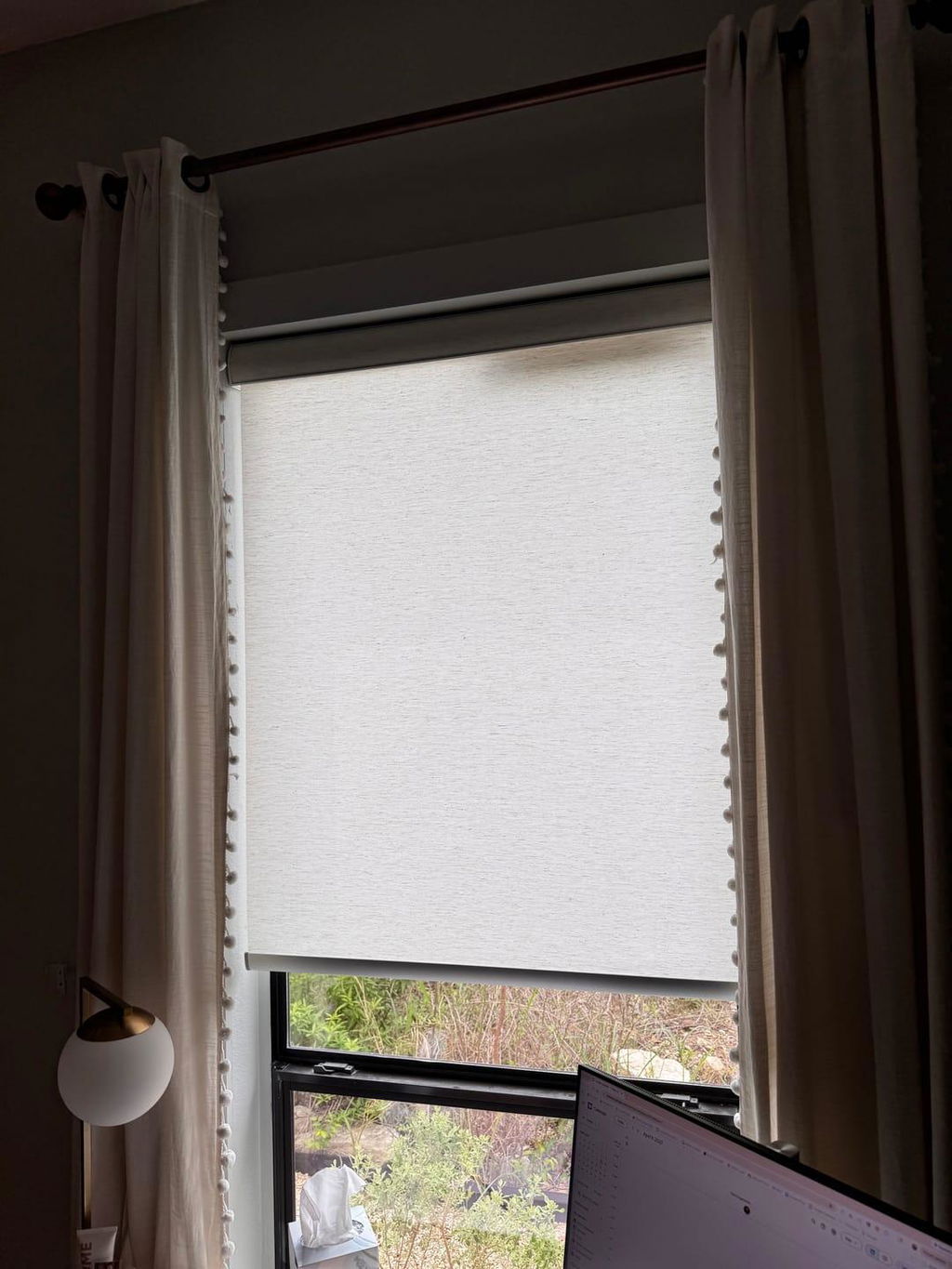
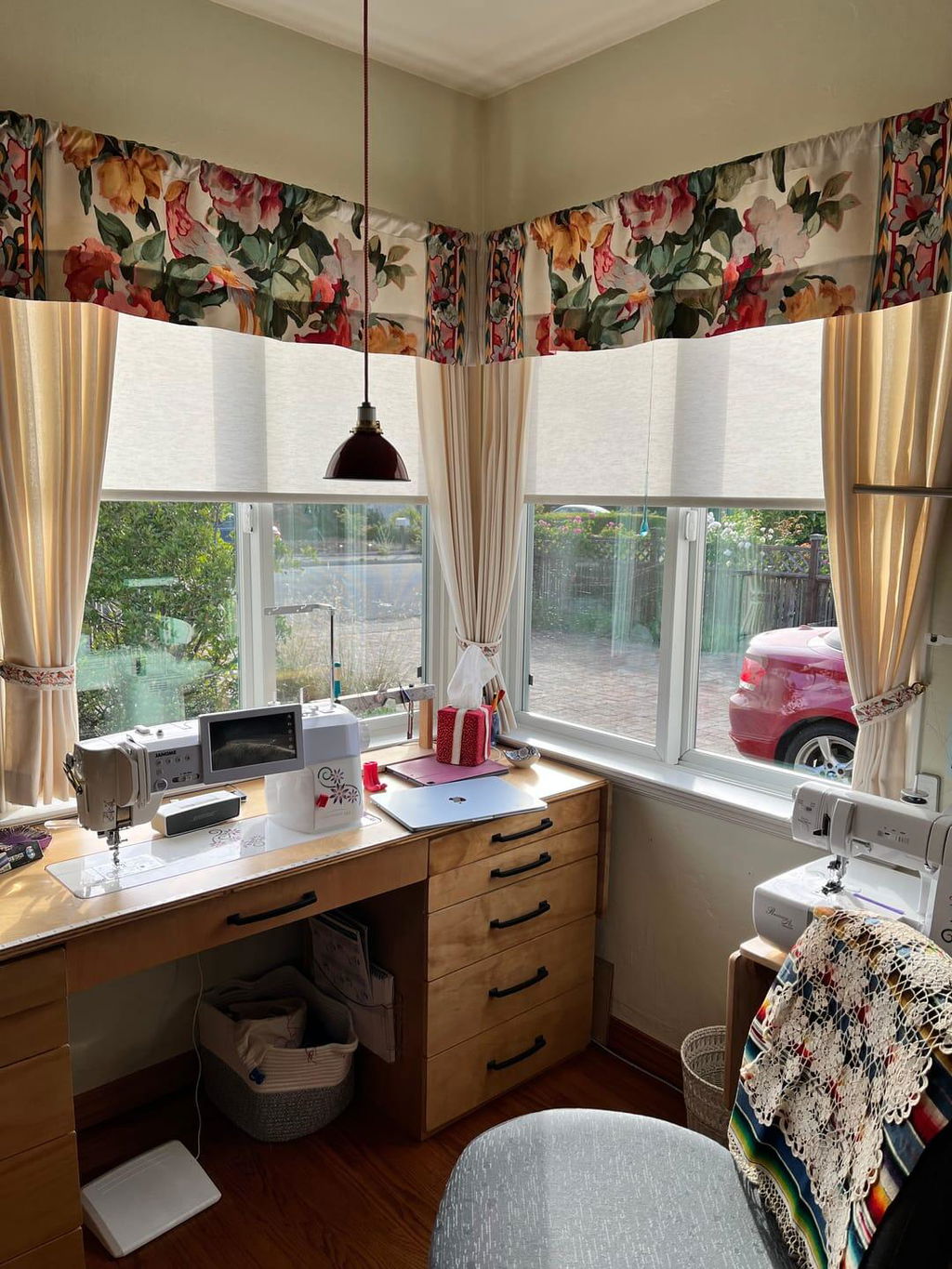
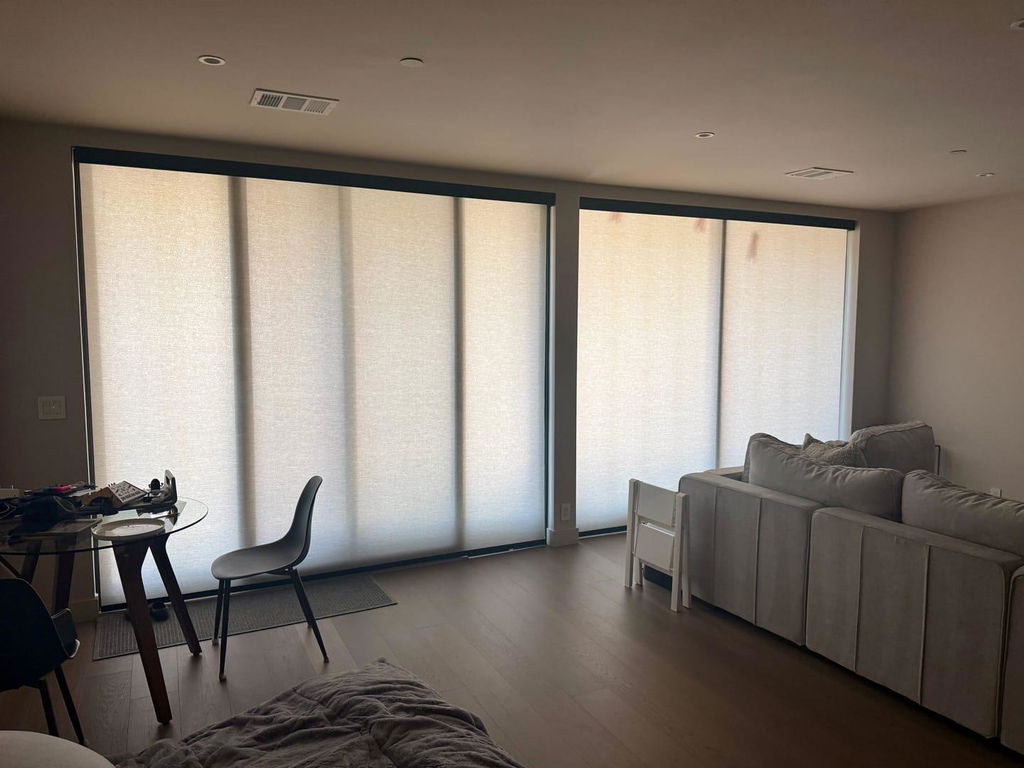
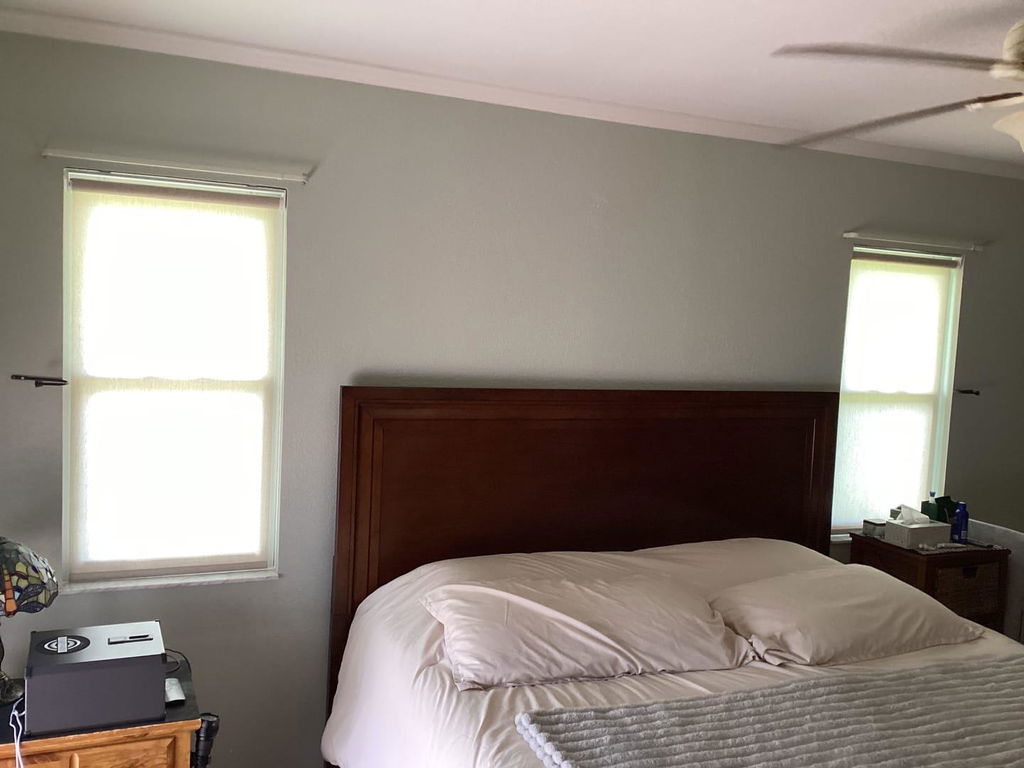
However, the new generation of motorized blackout shades for windows is surprisingly discreet. When you move from traditional fabrics to high-performance blackout room darkening materials, the profile drops significantly. I opted for a motorized blackout roller shade with a slim cassette that tucks right into the top of the frame. It is invisible when open, and when it is closed, it creates a flat, matte surface that actually highlights the window's proportions rather than hiding them.
Waking Up to Sunlight (Without Getting Out of Bed)
The real shift happened when I stopped using a remote and started using a timer. There is something incredibly jarring about an alarm clock screaming at you in a pitch-black room. By setting my automated blackout shades to rise 15 minutes before my alarm, I started waking up to actual, filtered sunlight. It felt human. It felt like I was living in a Nancy Meyers movie instead of a basement.
I eventually tested the Canisteo Motorized Zebra Shades 60 Blackout Luxe in my guest room, and the ability to toggle between light-filtering and full blackout with a single tap on a smartphone is addictive. You do not realize how much you resent getting out of a warm bed to fix a 'light leak' until you can just solve it with a button from under the duvet.
How I Layered Them So They Do Not Look Like a Hotel Room
The biggest mistake people make with electric blackout blinds is leaving them 'naked.' If you just install a motorized roller shade and call it a day, the room can feel a bit sterile—like a high-end dentist's office. My rule for window styling is simple: hardware for function, fabric for soul.
I installed my motorized blackout blinds for windows as an inside mount, sitting as close to the glass as possible to minimize side-light gaps. Then, I hung a simple brass rod about 6 inches above the frame and 10 inches wider on each side. I used sheer, off-white linen panels with a 102-inch drop so they just barely kiss the floor. I hid blackout roller shades motorized behind my sheer linen drapes, and the result is a window that looks soft and organic but performs like a high-tech fortress when I need to sleep. You get the texture of the linen during the day and the total darkness of the electric blackout shades at night.
Are Remote Control Room Darkening Shades Actually Worth the Cost?
I will be honest: the upfront cost of smart blackout blinds is higher than a pair of off-the-shelf panels from a big-box store. You are paying for the motor, the lithium-ion battery, and the precision of the cut. But I look at it this way: I spent years buying 'decent' curtains that I eventually hated and replaced. I wasted money on rods that sagged and liners that cracked in the sun.
Investing in remote control blinds blackout was a one-and-done decision. I haven't touched my window treatments in two years because they just work. The battery only needs a charge every six months via a simple USB cable, and the sleep quality I get in a truly dark room is worth every penny. If you are a light sleeper or a design nerd who hates clutter, this is the one piece of tech you won't regret.
FAQ
Do motorized blackout shades need to be hardwired?
Not anymore. Most modern versions use rechargeable lithium-ion batteries that last for months. You just plug a charging cable into the headrail twice a year. No electrician required.
Are they loud when they open and close?
Most high-quality motorized blackout window shades emit a low hum, similar to a quiet electric toothbrush. It is rarely loud enough to wake a sleeping partner, especially if you use the 'slow-start' feature many apps offer.
Can I still use my existing curtains with them?
Absolutely. In fact, layering is recommended. As long as you have enough depth in your window frame for an inside mount, your curtains can hang freely in front of the shade hardware.