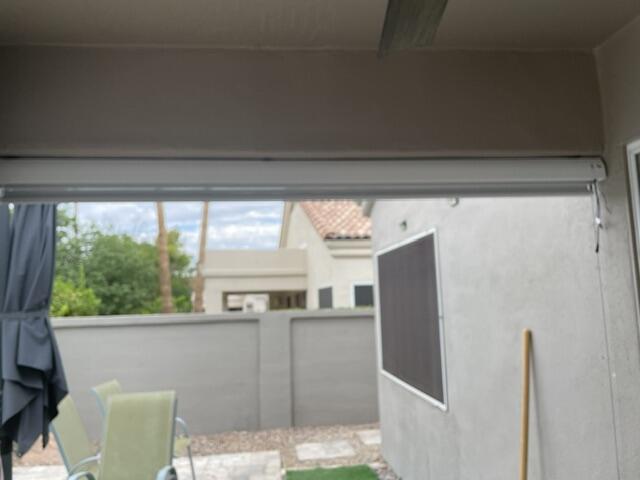
I Hate Light Bleed: Why Blackout Shades Hunter Douglas Won Me Over
I have spent an embarrassing amount of money on curtains that promised the world but delivered a dusky, depressing purple glow instead of actual darkness. I remember one specific July morning, 5:15 AM, when the sun sliced through the gap between my rod and the ceiling like a laser beam aimed directly at my forehead. I had three layers of heavy velvet up there, and it still felt like I was sleeping in a greenhouse. That was the day I realized that blackout shades hunter douglas weren't just a luxury—they were a necessity for my sanity.
- The 'Light Halo' is real and drapes alone cannot fix it.
- Side channels are the only way to achieve 100% light blockage.
- Fabric texture matters—avoid the shiny vinyl look at all costs.
- Prioritize the primary bedroom for high-end systems; save on guest rooms.
The 'Room Darkening' Lie We All Fall For
We need to talk about the term 'room darkening.' In the industry, it is a polite way of saying 'it will be slightly less bright, but you will still see your furniture.' Most hunter douglas blackout shades are marketed with precision, but many homeowners buy off-the-shelf options thinking they will get total darkness. They won't. You can buy the thickest fabric in the world, but if the light leaks around the edges, your brain still knows it is morning.
I once tried to hack my way to darkness using Velcro strips and black electrical tape in a rental. It was a disaster. The tape melted in the afternoon sun, leaving a sticky residue on the white trim, and the Velcro eventually pulled the paint off. It looked like a DIY horror show. True room darkening shades hunter douglas are about the engineering of the hardware, not just the opacity of the material.
The Dreaded Light Halo (And Why Side Channels Matter)
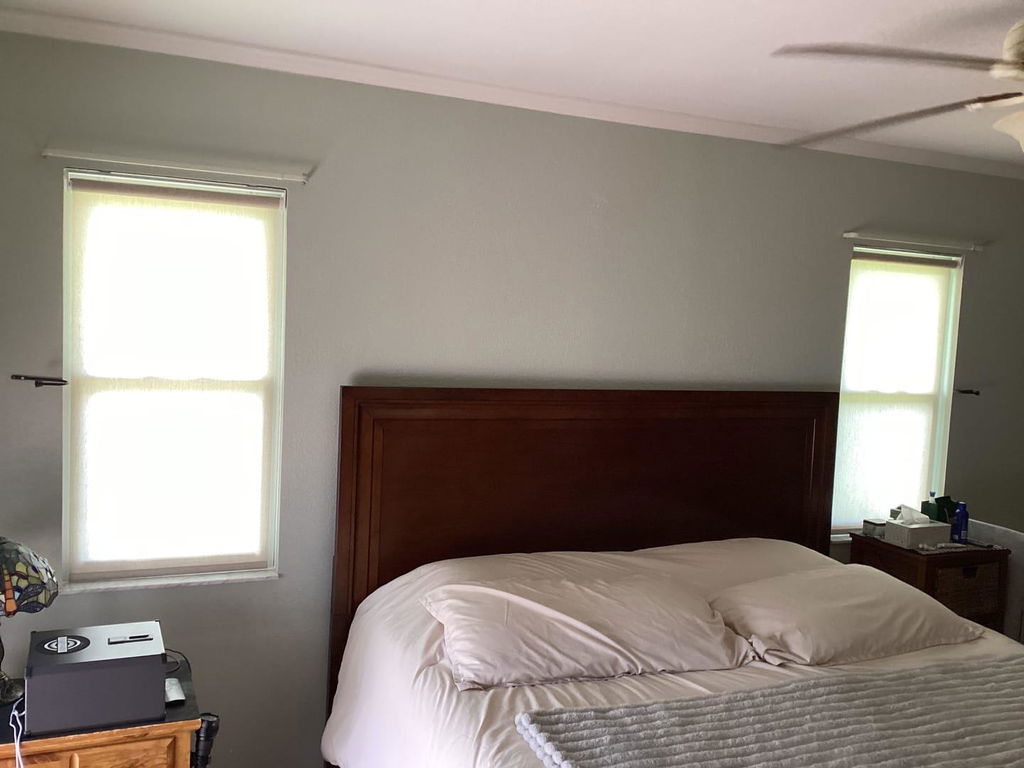
If you have ever installed standard roller shades, you know the gap. Because the fabric has to clear the brackets, there is always a half-inch of space on either side where the sun pours in. This is the 'halo effect.' It is the reason you wake up at dawn even with the blinds down. The hunter douglas blockout system solves this with physical U-shaped tracks that the fabric slides into. It literally traps the light.
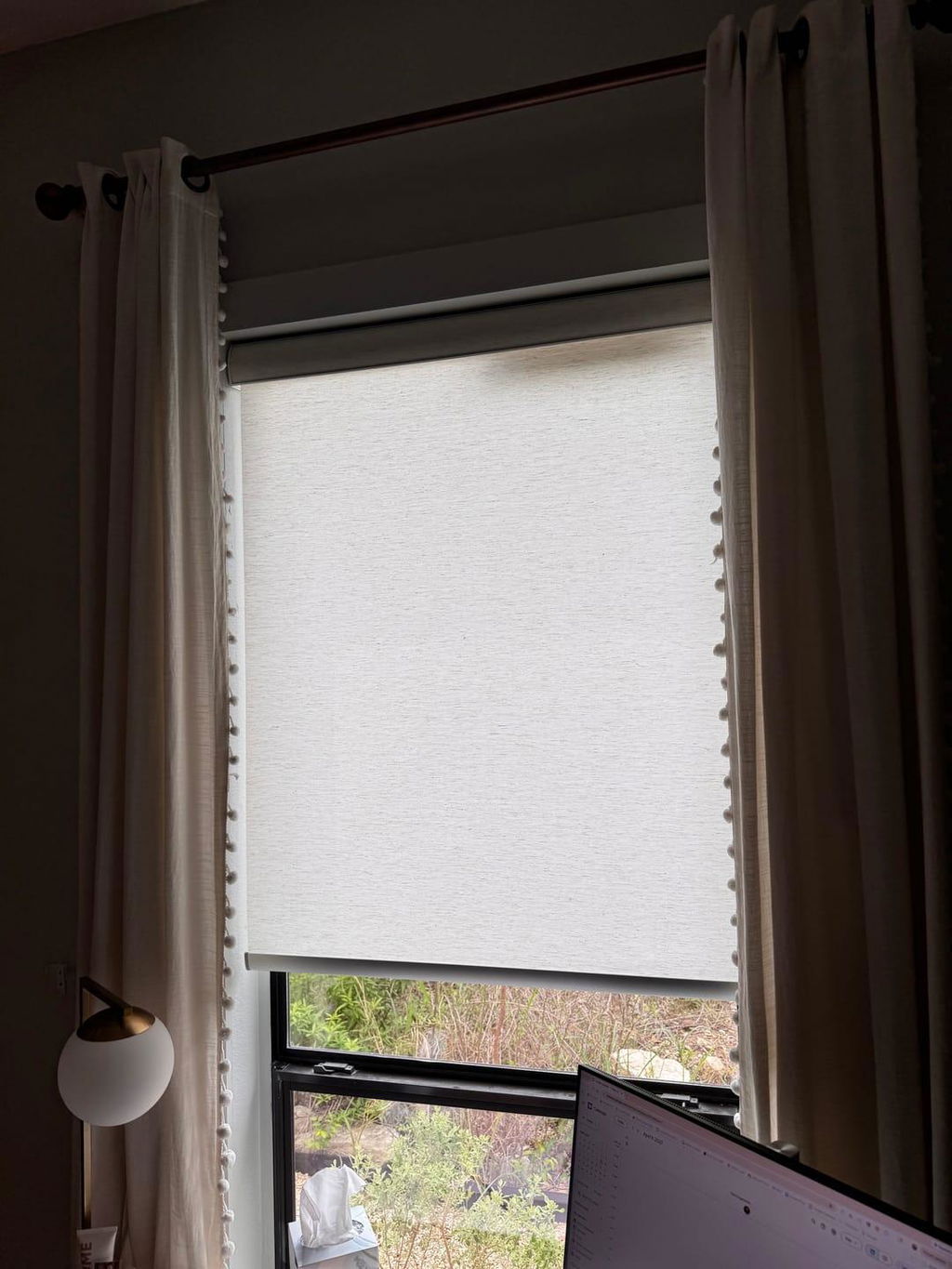
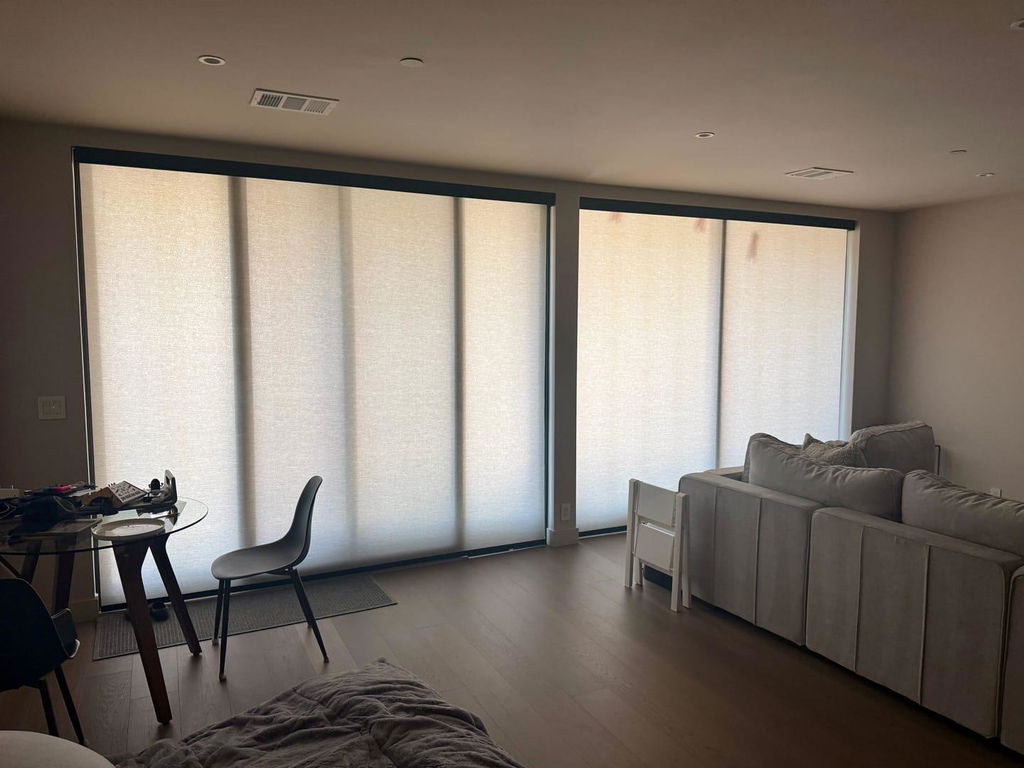
When I first saw the hunter douglas blackout roller shades with the SideTrack feature, I was skeptical. I thought it would look too industrial, like a darkroom for developing film. But the tracks are slim and color-matched to the window frame. They disappear. By physically sealing the perimeter, blackout blinds hunter douglas eliminate that annoying perimeter glow that even the heaviest drapes fail to stop.
Avoiding the Stiff, Plastic Hotel Look
The biggest fear with hunter douglas blackout roller blinds is that they will look like a cheap shower curtain or a mid-range airport motel. To avoid this, you have to be obsessive about the face fabric. I always look for a matte finish with a slight weave—think a 250 gsm faux-linen or a tight basketweave. You want a fabric that has some soul to it when the light hits it from the inside of the room.
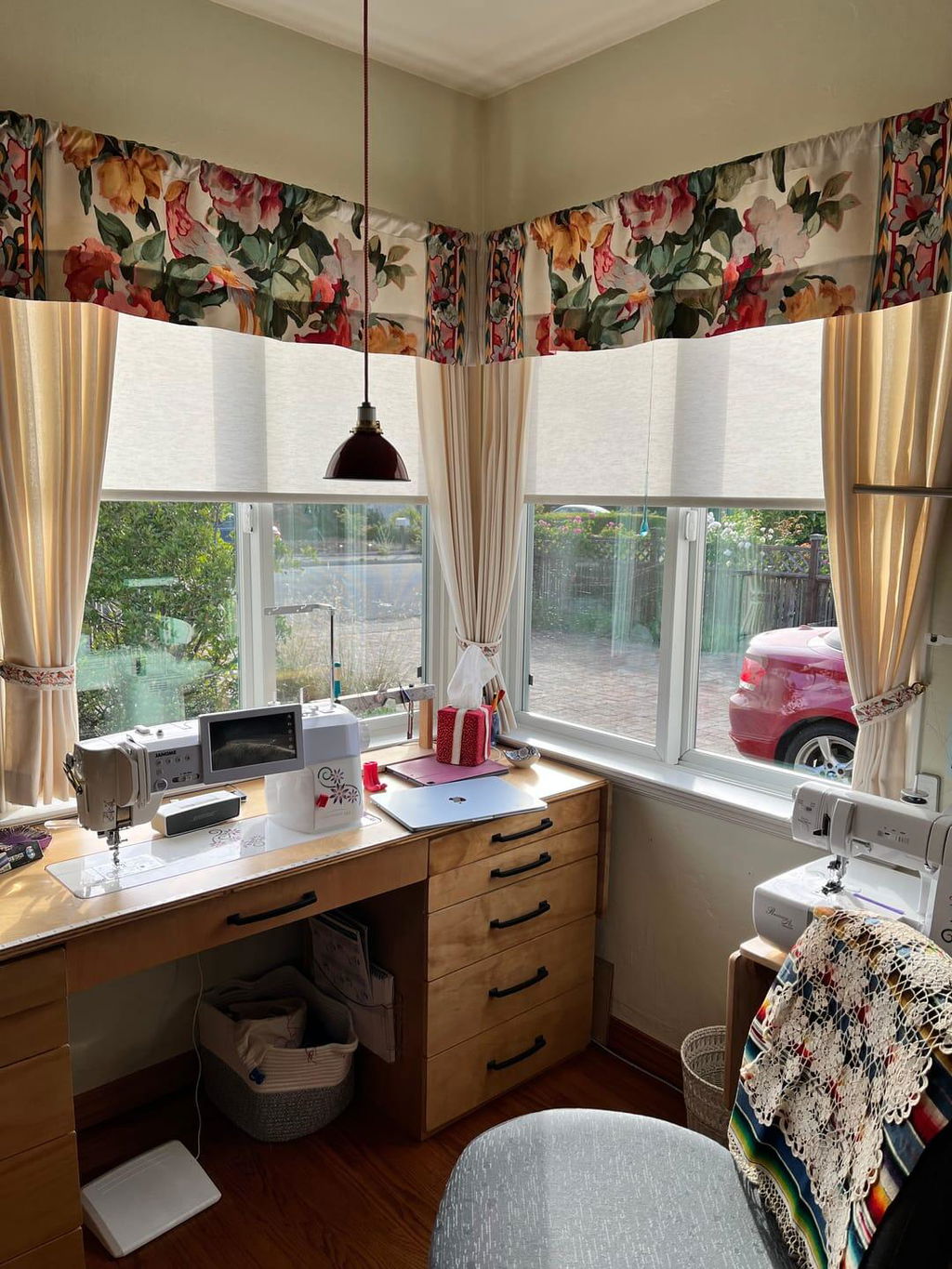
I usually suggest you style blackout roller shades without the motel look by layering them. Install the blackout shade inside the mount for function, then hang a pair of floor-to-ceiling linen-blend drapes on a matte black rod outside the frame. The drapes soften the hard edges of the hunter douglas pull down shades, while the shades do the heavy lifting of keeping the room pitch black.
When to Splurge vs. When to Save
Let's be real: outfitting an entire house with hunter douglas blackout systems is a massive investment. You don't need it in the kitchen, and you probably don't need it in the living room unless it's a dedicated media space. I save my budget for the primary bedroom and the nursery. Those are the high-stakes zones where sleep quality translates directly to your quality of life.
For guest rooms or a home office where 'dark enough' is fine, I often pivot to cut-to size blackout roller shades. They give you a clean, custom look without the premium price tag of a full side-channel system. It allows you to put the money where it actually matters—your own sleep sanctuary. Hunter douglas roller shades blackout are the gold standard, but a smart designer knows when to mix high and low.
My Final Verdict on the Premium Upgrade
Is the price tag for hunter douglas blackout blinds worth it? If you are a light sleeper or someone who works night shifts, the answer is a hard yes. I spent years trying to save money with 'blackout' liners and tension rods, only to end up frustrated. The first night I slept with a proper side-channel system, I slept until 9:00 AM on a Saturday. That alone was worth every penny of the upgrade.
The difference is in the details—the way the motor hums quietly, the way the fabric stays perfectly taut, and the absolute lack of light bleed. It makes the room feel finished and intentional. If you are tired of waking up with the sun, stop buying more curtains and start looking at the hardware.
FAQ
Are blackout shades the same as room darkening?
Not quite. Room darkening reduces light significantly, but 'blackout' is a specific category designed to block 99% to 100% of light. Hunter Douglas systems with side channels are true blackout solutions.
Can I install these myself?
While you can, I recommend professional measurement for side-channel systems. If the track is off by even an eighth of an inch, you might get light leakage, which defeats the whole purpose of the investment.
Do blackout shades help with noise?
While they aren't soundproof, the thick, multi-layered fabric of these shades and the sealed side channels do provide a noticeable dampening effect on outside street noise.