How I Style Select Blinds Blackout Roller Shades Without the Motel Look
I remember the first night in my current bedroom. I had spent six months choosing the perfect shade of 'greige' for the walls and sourcing a vintage burl wood dresser, only to be jolted awake at 5:15 AM by a beam of sunlight that felt like a laser to the retinas. It was the kind of morning that makes you realize pretty linen curtains are useless if they don't actually function. I immediately ordered select blinds blackout roller shades because I value my sleep more than my pride, but I was terrified I’d end up with a room that felt like a cut-rate conference center.
Quick Takeaways
- Never install a blackout shade as your only window treatment; always layer it with softer textures.
- Use an inside mount to keep the profile slim, but overlap with drapes to kill the 'halo effect' of light.
- Hide the mechanical roll with a matching cassette or a custom fabric valance.
- Mix materials by pairing a utility blackout shade with a decorative woven top layer.
The Vinyl Projector Screen Problem in Bedrooms
The problem with high-performance light blocking is that the materials are inherently utilitarian. They are often stiff, slightly shiny, and have all the soul of a projector screen in a high school basement. When you install a basic white blackout shade on its own, it sucks the warmth right out of a room. It creates a flat, dead surface that reflects sound and looks incredibly cheap against high-thread-count bedding.
I’ve written before about How Select Blinds Blackout Roller Shades Saved My West Facing Bedroom, but the functional win is only half the battle. If you don't address the texture, you’re essentially sleeping in a very dark, very sterile box. The goal is to get that cave-like darkness without sacrificing the cozy, residential feel that makes a bedroom a sanctuary.
Why I Never Let a Blackout Shade Stand Alone
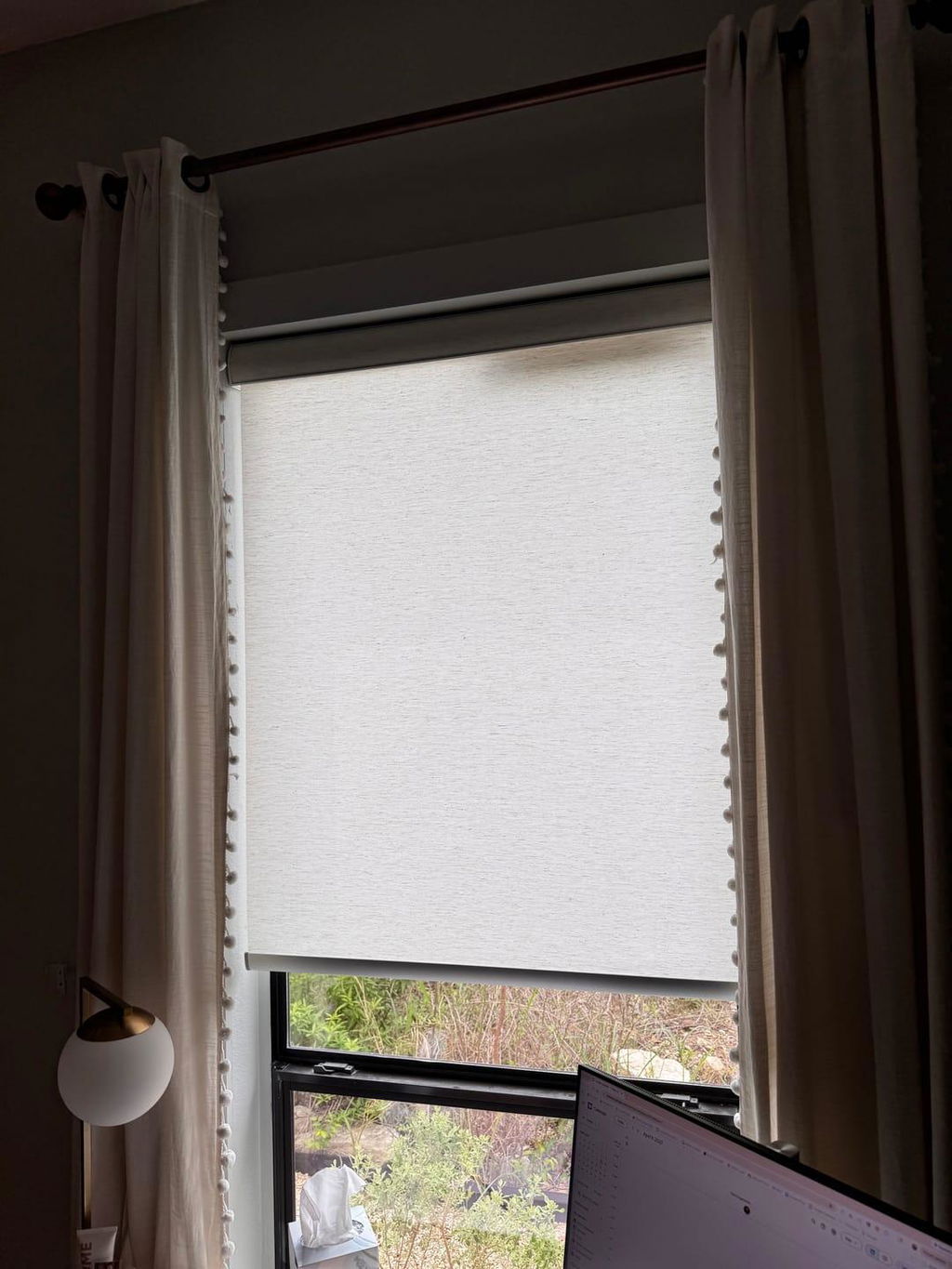
My number one rule for window styling is that functionality should be felt, not seen. I treat the blackout layer as the 'undergarment' of the window. You want it to fit perfectly and do the heavy lifting, but it shouldn't be the star of the show. I always start with an inside-mount Roller Shades base. By mounting the shade inside the window casing, you keep the architectural lines of your trim visible, which keeps the look tailored rather than messy.
Once the blackout layer is in place, you have to soften the edges. I usually go for a heavy linen-blend drape with at least 2.5x fullness. If your window is 40 inches wide, you want at least 100 inches of fabric width. This creates deep, luxurious folds that contrast beautifully with the flat, modern plane of the roller shade. I’ve made the mistake of using thin, unlined cotton panels over a blackout shade before; the sun still bled through the sides of the panels, making the whole setup look like a DIY project gone wrong. Go for weight.
The Magic of Select Blinds Woven Roller Shades
If you aren't a 'curtain person,' there is another way to fix the sterile vibe: the double-shade strategy. This is where I pair a blackout roller with select blinds woven roller shades. The organic texture of a woven wood or a chunky seagrass material brings in a much-needed natural element. It breaks up the monotony of the smooth blackout fabric.
I like to mount the blackout shade closest to the glass and then install a woven wood shade slightly forward. The light filters through the gaps in the woven fibers during the day, giving you that beautiful dappled glow, while the blackout shade sits ready to be pulled down at night. It’s a sophisticated look that feels more like a boutique hotel in Tulum than a roadside motel in the suburbs. The slight imperfections in the grasscloth make the window feel intentional and hand-crafted.
Hiding the Hardware (Because Exposed Rollers Look Unfinished)
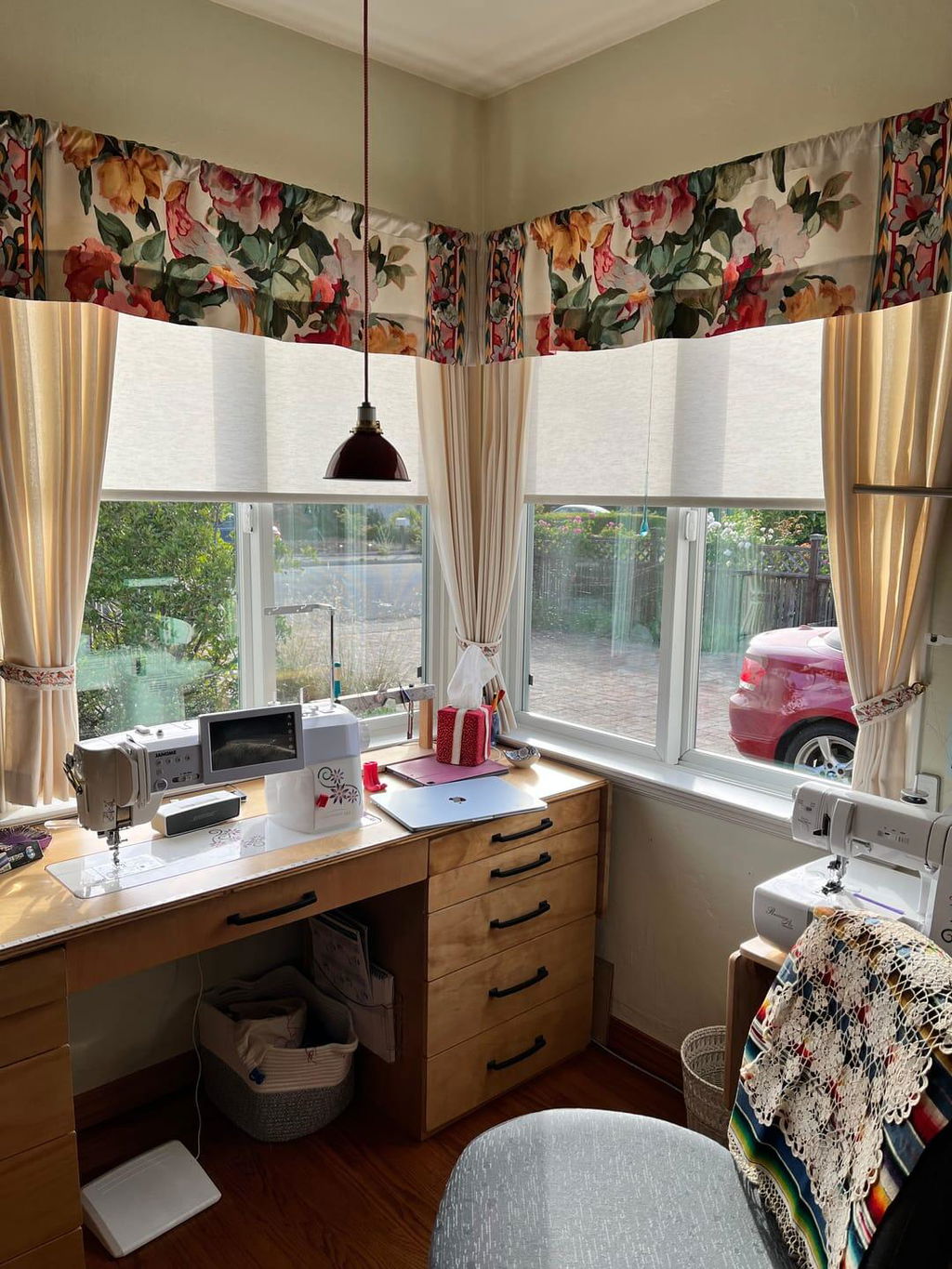
Nothing kills a high-end design faster than seeing a white plastic roll of fabric and a metal bracket staring you in the face. It looks unfinished. When ordering, I always opt for a fabric-wrapped cassette or a square valance. This small upgrade hides the 'guts' of the shade and provides a clean, architectural header. If you are feeling ambitious, you can even build a simple wood pelmet box and paint it the same color as your walls.
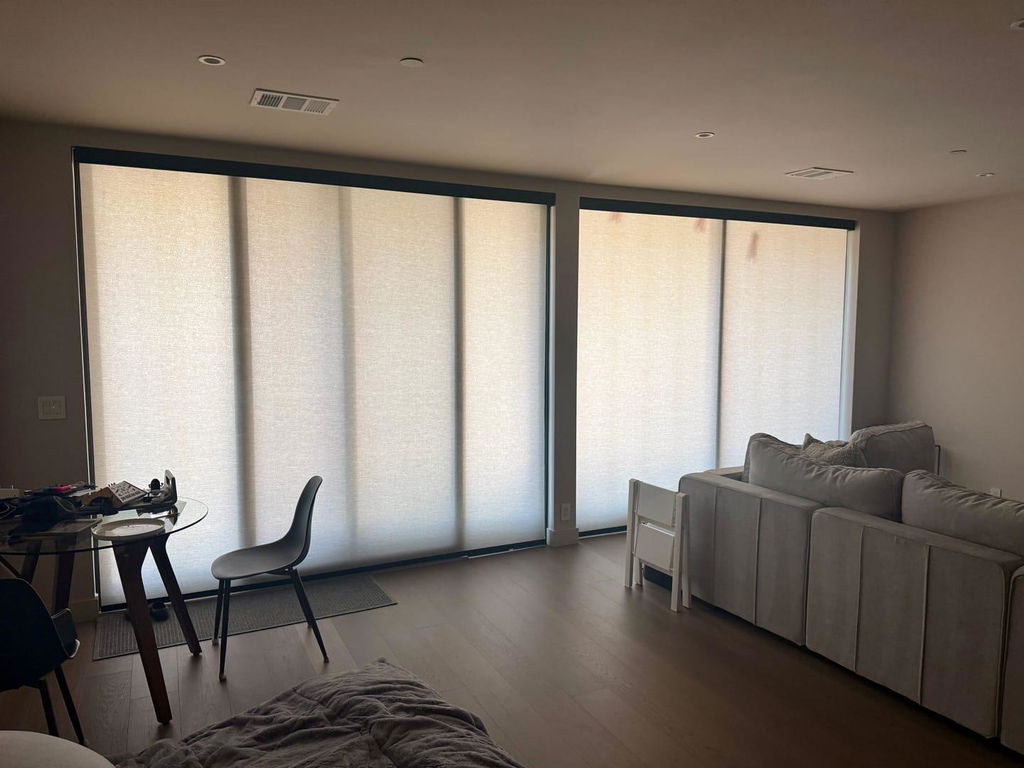
For those who want the ultimate streamlined look, I often recommend the Canisteo Motorized Dual Roller Shades Cordless Custom Double Roller Blinds. This system is a lifesaver because it houses two different rollers—one sheer or woven, one blackout—within a single, sleek headrail. It eliminates the clunky look of two separate mounting brackets. Plus, being able to lower your blackout shades from bed with a remote is a luxury you won't want to live without once you've tried it.
Managing the 'Halo Effect' Without Adding Bulk
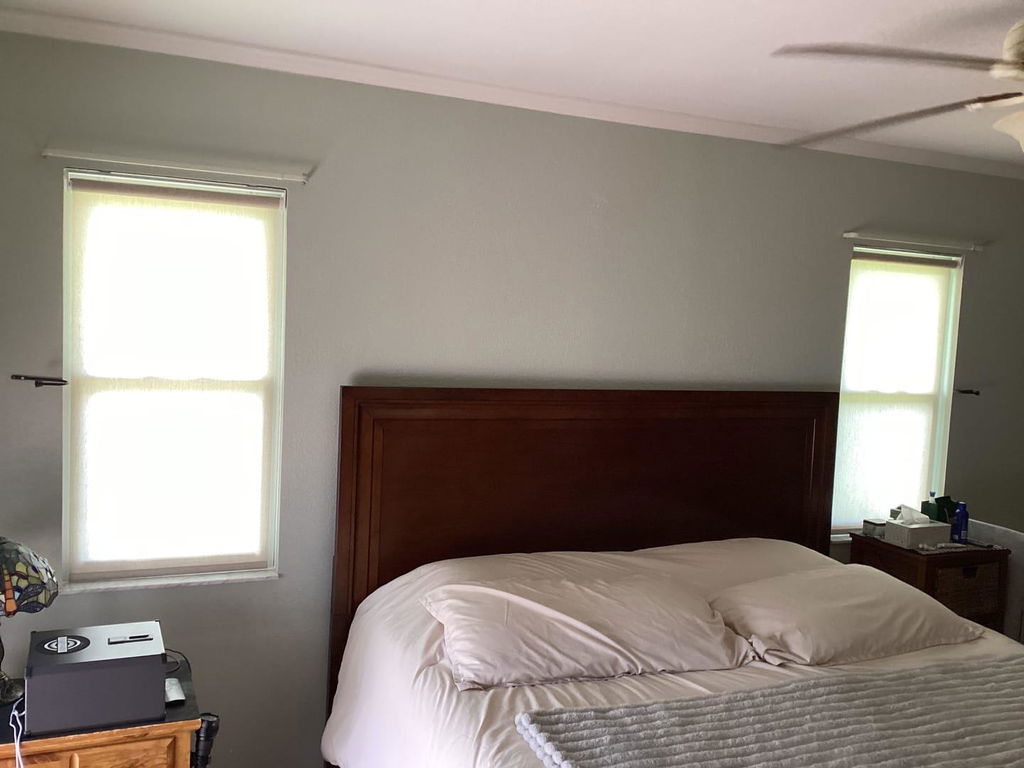
The 'halo effect' is that annoying ring of light that leaks around the edges of an inside-mount shade. Even if you measure to the nearest 1/8th of an inch, there will be a gap. To fix this without resorting to massive, bulky frames, I use light gaps to my advantage. I hang my drapery rods high and wide—usually 6 inches above the frame and 8 to 10 inches past the sides. This ensures the fabric panels cover the light leak entirely.
If you really hate drapes, you can look into side channels—slim tracks that the shade slides into—but these can look a bit industrial for a bedroom. Personally, I prefer the 'over-hang' method. By extending the top treatment or the drapes past the window opening, you trap that light and keep the room pitch black. I once tried to skimp on rod width in a guest room, and my poor sister-in-law was woken up by a sliver of light hitting her right in the eye. I learned my lesson: always over-buy on your rod width.
My Final Take on Sleep-Friendly Aesthetics
You don't have to choose between a Pinterest-worthy bedroom and a solid eight hours of sleep. The secret is treating your blackout shades as a structural element rather than a decorative one. By layering select blinds blackout roller shades with rich textures like linen or woven grasses, you create a space that feels curated and cozy. Don't be afraid to mix your metals or play with different fabric weights. A well-dressed window is like a well-dressed person—it’s all about the layers.
FAQ
Do blackout shades have to be black?
Not at all. In fact, white or light grey blackout shades are often better because they don't absorb as much heat from the sun. The 'blackout' part is a layer of light-blocking film inside the fabric, so the color you see can be whatever fits your decor.
How do I clean roller shades?
Most roller shades just need a quick vacuum with a brush attachment. For stubborn spots, a damp cloth with very mild soap works, but never soak them. If you have woven wood shades, stick to dusting only, as moisture can warp the natural fibers.
Can I install these myself?
Absolutely. If you can use a tape measure and a drill, you can install these. The biggest tip is to double-check your measurements at the top, middle, and bottom of the window, as most frames aren't perfectly square. Use the smallest measurement for an inside mount.