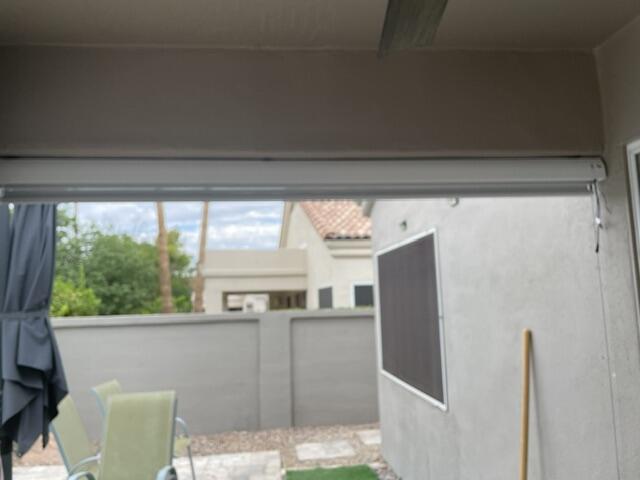
I Finally Splurged on Shade Store Blackout Shades (Here's Why)
I spent years trying to convince myself that a $40 hardware store roller could do the same job as a custom piece. I’d spend hours at 2 AM glaring at the sliver of light stabbing through a gap in the vinyl, or listening to the cheap plastic chain rattle every time a breeze hit the window. It felt like trying to put a tuxedo on a mannequin made of cardboard.
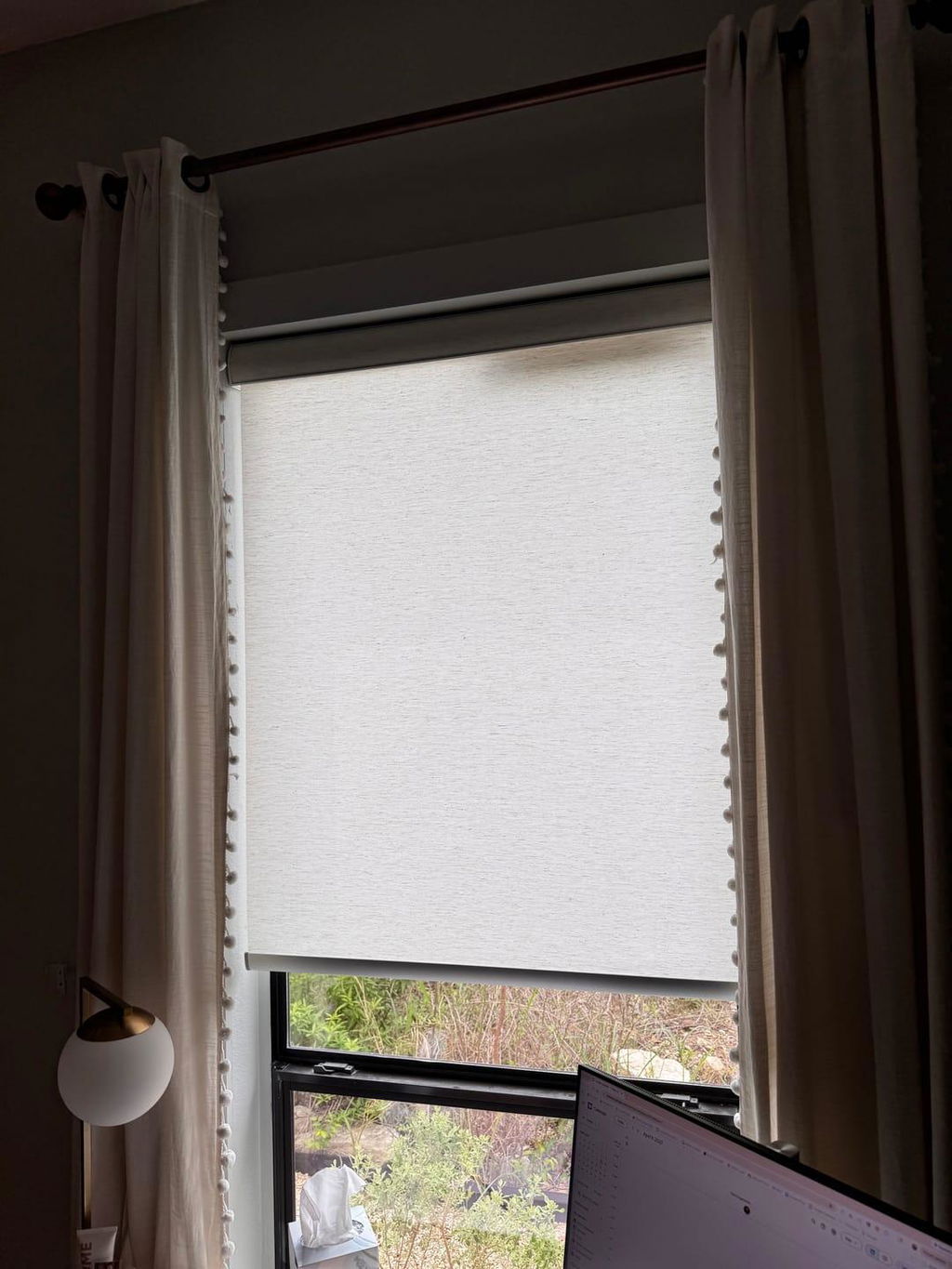
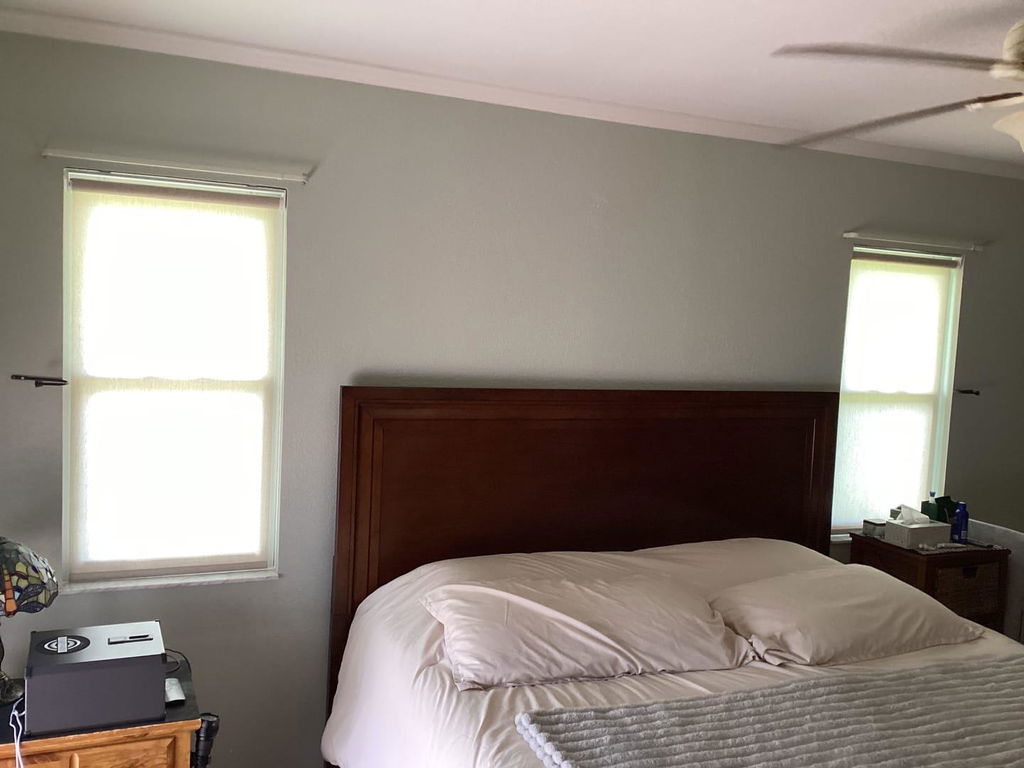
Eventually, the sun-yellowed edges and the constant struggle to get the shade to hang straight broke me. I finally pulled the trigger on shade store blackout shades for my primary bedroom. It wasn't just about the aesthetics; it was about the realization that window treatments are the architecture of a room’s light, and I was building on a shaky foundation.
Quick Takeaways
- Custom weighted hem bars prevent the 'potato chip' curling common in budget vinyl.
- The metal fascia and stainless steel bead chains offer a tactile weight that plastic can't mimic.
- Precision measurements (down to the 1/8 inch) significantly reduce perimeter light bleed.
- A 100% polyester blackout fabric with a matte finish provides a high-end look without the maintenance of silk.
The Breaking Point: Why I Stopped Buying Big Box Blinds
We’ve all been there—standing in the aisle of a home improvement store, trying to find the one box that isn't crushed, hoping the 'cut-to-size' machine is actually calibrated. For a long time, I thought that was just how window treatments worked. But in high-end design, those flimsy rollers become an eyesore the moment you pair them with quality linens or vintage rugs.
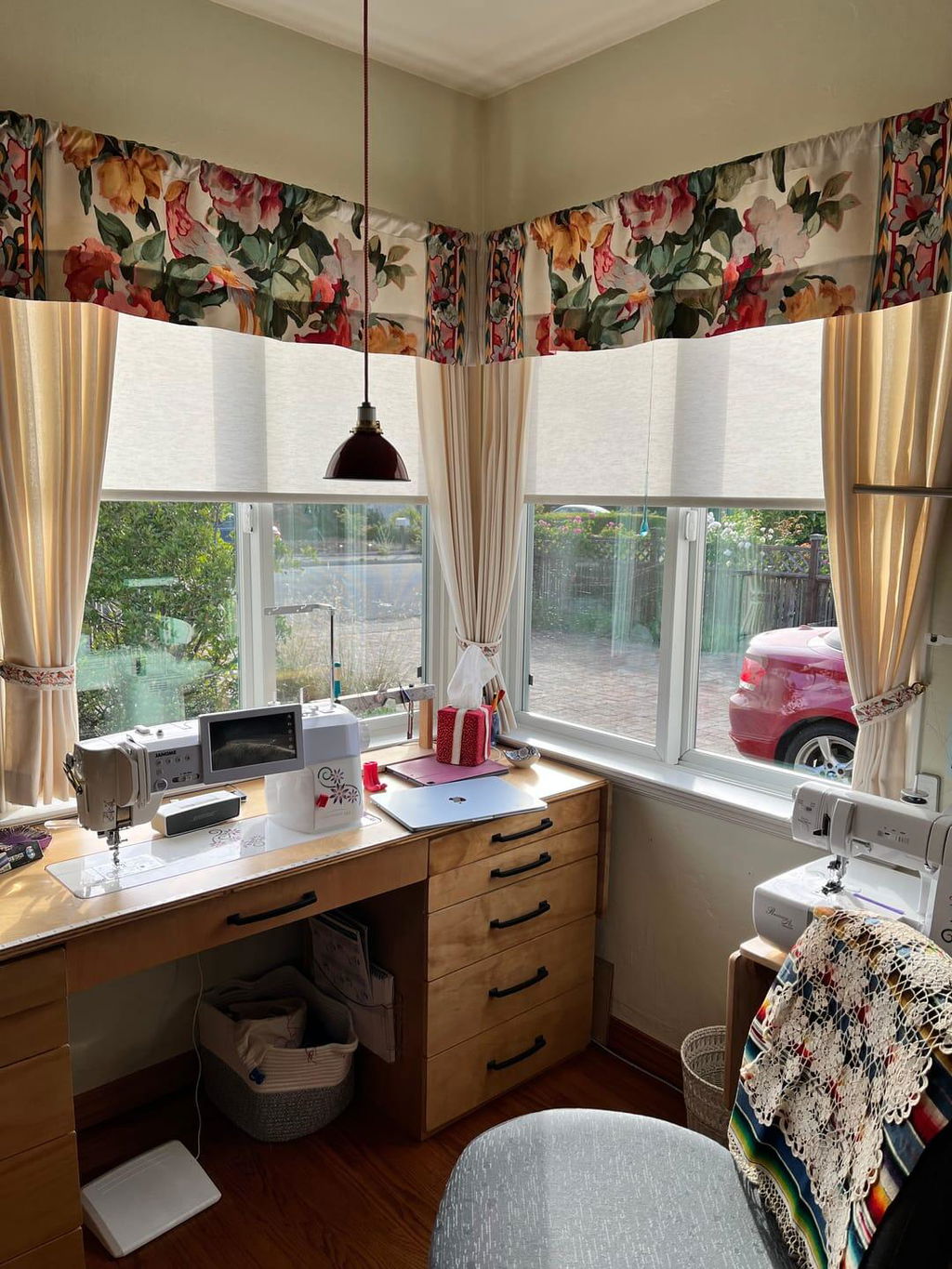
In my guest room, I learned the hard way that a sleek blackout fabric roller shade is far superior to piling on heavy, dusty drapes just to block the light. The budget versions always felt like an afterthought. They’d warp within six months, and the 'blackout' coating would start to flake off like a bad sunburn. Moving to shade store blackout options felt like graduating from a dorm room to a real home.
Unpacking the Custom Price Tag (What Are You Actually Paying For?)
When the installer arrived with my order, the first thing I noticed was the weight. These aren't hollow tubes. The internal rollers are heavy-duty aluminum, designed to hold the tension of thick, multi-layered fabrics without bowing in the middle. If you have a wide window, this is where the cheap stuff fails every single time.
The mechanics are the silent hero here. There’s a specific 'click' and a smooth, dampened resistance when you pull the chain. It doesn't feel like you're fighting the window. Before committing, I spent a lot of time navigating all your shade solutions to see if I could find a middle ground, but the difference in the mounting hardware alone sold me. We're talking solid steel brackets versus the bendable tin you find in the clearance bin.
The Fabric Weight Test: Why These Don't Curl at the Edges
One of my biggest pet peeves is 'edge curl.' You know the look—where the sides of the shade start to roll inward like a dried-up scroll. This happens because cheap vinyl reacts to temperature shifts. On a hot July afternoon, the plastic softens; on a cold winter night, it shrinks. Over time, that memory stays in the material.
With the shade store blackout shades, the fabric is bonded to a blackout liner in a way that maintains its flat profile. They use an internal weighted hem bar—a heavy strip of metal sewn into the bottom pocket—that keeps the fabric under constant, gentle tension. It ensures the shade drops straight every time, looking like a crisp piece of paper rather than a piece of discarded cling wrap.
The Truth About Light Bleed With Luxury Shades
Here is the honest truth: no shade is a magic vacuum that sucks up every photon of light. Because the shade has to sit inside the window frame, there will always be a tiny gap on the sides where the fabric clears the brackets. Even with the tightest tolerances, you’ll see a faint 'halo' of light in the morning.
However, the precision of custom work makes that gap as small as physically possible. If that tiny sliver of light still keeps you up, you’re likely a candidate for installing a blackout shade side track. These are U-shaped channels that the shade actually slides inside of, sealing the edges completely. I didn't go that far for my bedroom, but knowing the option was there for a true theater-dark experience was a relief.
The Final Verdict: When to Splurge and When to Save
Is it worth the money? If it’s a room where you sleep, absolutely. I measured my windows three times before ordering because I was terrified of a $500 mistake. One window was actually 1/4 inch wider at the top than the bottom—a detail a stock shade would never have accounted for, leaving a massive light leak on one side.
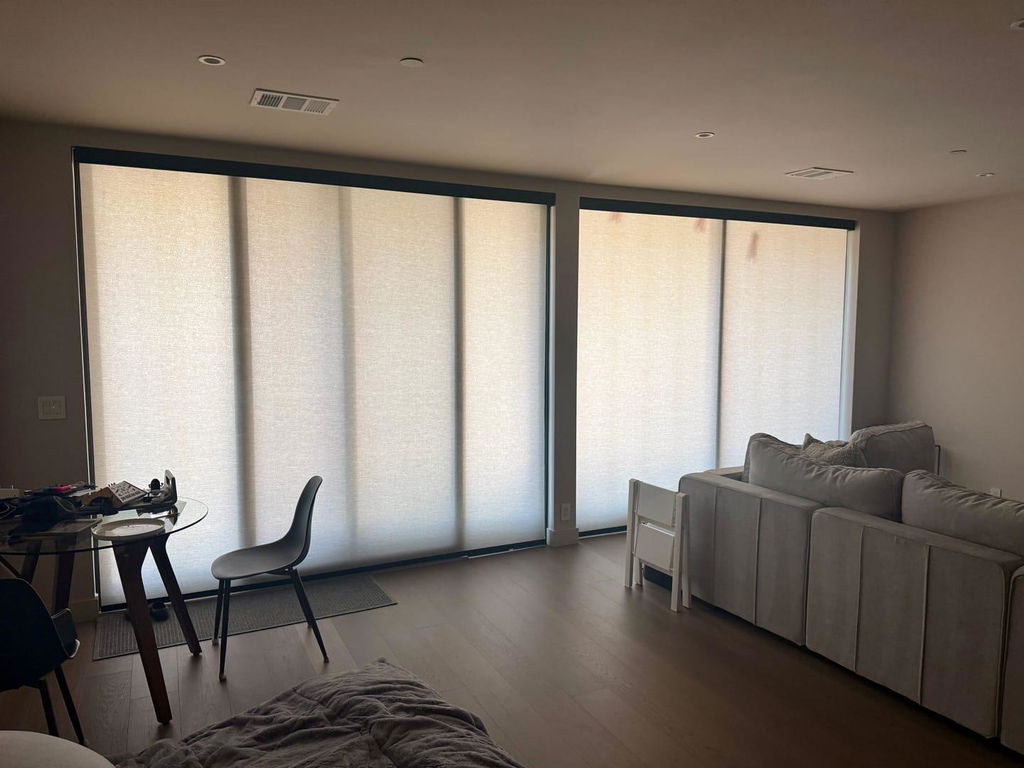
I don't splurge everywhere. In my living room, where I want softened light rather than total darkness, I went with Canisteo motorized zebra shades. They offer a great balance of privacy and style without the extreme cost of a full custom blackout build for every single pane of glass in the house. Save the heavy hitters for the rooms where your sleep depends on it.
FAQ
Do custom blackout shades really block 100% of the light?
The fabric itself blocks 100%, but the unit as a whole usually allows about 1-2% light bleed around the edges. To get to a true 0%, you need side channels or overlapping drapes.
Can I install these myself or do I need a pro?
You can definitely do it yourself if you’re comfortable with a drill and a level. The hardware is straightforward, but because the pieces are heavy, having a second pair of hands helps keep the fascia level while you snap it into the brackets.
How do I clean fabric blackout shades?
Avoid water. A vacuum with a brush attachment is your best friend. For a specific spot, a very lightly damp microfiber cloth works, but don't scrub, or you might disturb the blackout coating on the back.