I Hate Light Bleed, So I Caved to a Blackout Shade Side Track
I remember the Sunday morning I finally snapped. I was buried under three pillows, trying to hide from a sliver of sun that was vibrating against my retina like a neon sign. I had spent a small fortune on custom window treatments, but there it was: the 'halo effect.' No matter how thick the fabric, a blackout shade side track was the only thing that could actually save my sleep cycle.
Quick Takeaways
- Light bleed is a structural gap, not a fabric quality issue.
- Side tracks physically seal the edges where light leaks in.
- Color-matching the hardware to your window trim is the secret to making them 'disappear.'
- Layering soft drapery over the tracks removes the industrial, office-like aesthetic.
The Lie We Tell Ourselves About '100% Blackout'
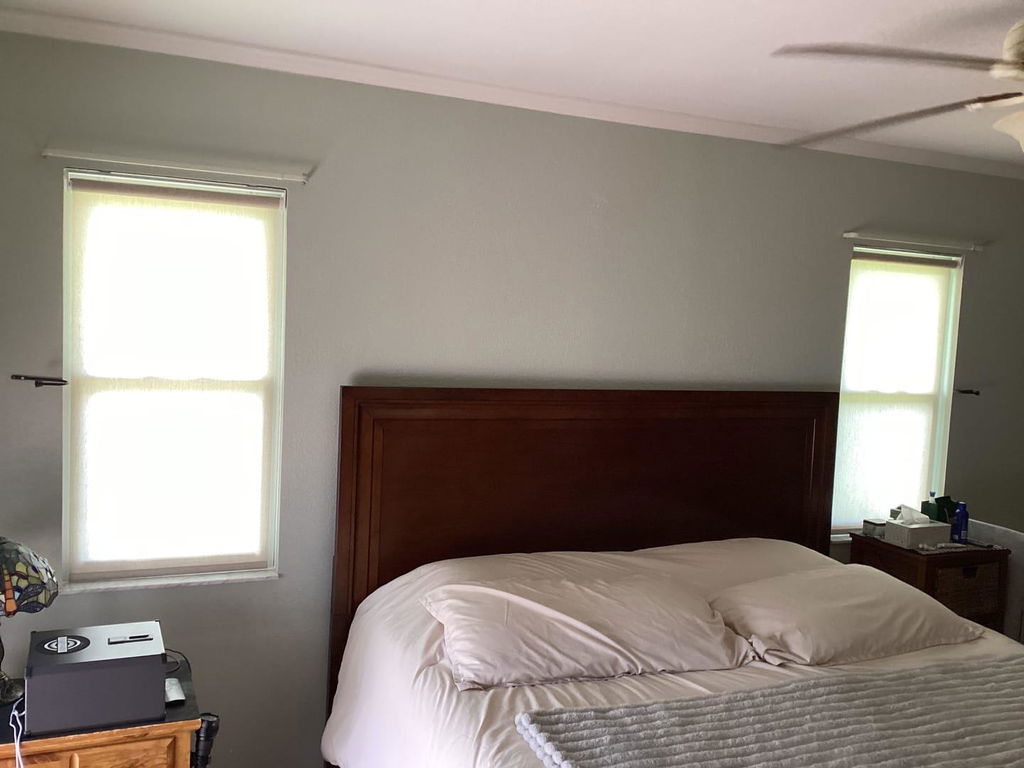
We’ve all been there. You buy the heavy-duty fabric, you check the 'blackout' box on the order form, and you mount the thing inside your window frame. It looks great—until 6:00 AM. Even the most expensive standard sleek roller shades leave a half-inch gap on either side to allow the fabric to move. That gap is a portal for the morning sun to bounce off your white window jambs and illuminate your room like a stadium.
I spent years trying to ignore it. I tried 'light blocking' strips that were basically glorified weather stripping. They peeled off in two months. The truth is, if you want a room that feels like a sensory deprivation tank, you have to address the perimeter. Until you seal those edges, you aren't sleeping in a blackout room; you're sleeping in a room with a very expensive glowing frame.
What Actually Is a Side Track? (And Why You Need One)
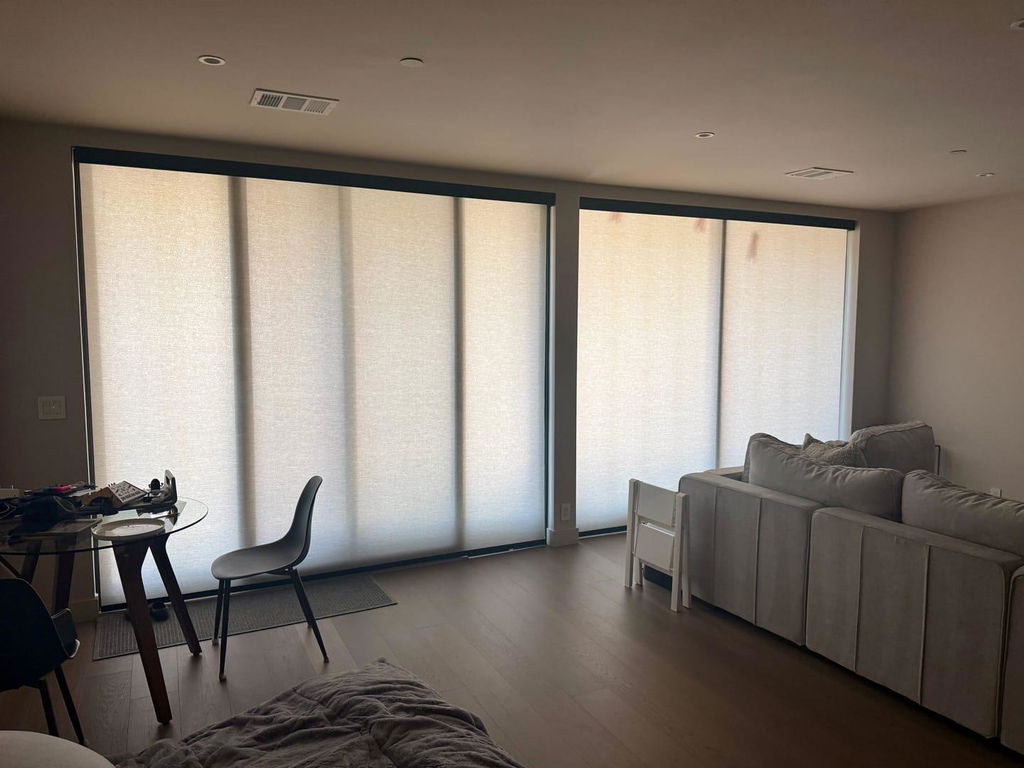
Think of blackout blind side rails as a dedicated lane for your window treatment. Instead of the fabric flapping freely in the breeze, it is tucked into a U-shaped channel mounted to the inside of your window casing. These window shade tracks act as a physical barrier. When you pull the shade down, the fabric stays inside the rail, effectively 'locking' the light out.
Using side tracks for roller blinds isn't just about darkness, though. It also keeps the shade from rattling if you have a window open or a ceiling fan on high. It creates a tension that makes the whole window look more custom and architectural. It’s the difference between a loose sheet of paper and a framed photograph.
Why I Resisted the Hardware for So Long
As a designer, I am allergic to anything that looks like it belongs in a hospital or a mid-level Marriott. For a long time, side track window shades felt too clinical. I was worried that adding two vertical strips of aluminum to my beautiful wood trim would ruin the 'vibe' of my bedroom. I had already made the leap from cheap vinyl to blackout fabric roller blinds, which helped with the texture, but the tracks felt like a bridge too far.
I was terrified of the 'extra' drilling. I was worried about the tracks yellowing over time or looking like a DIY project gone wrong. I wanted my home to feel like a sanctuary, not a laboratory. But after one too many 5:00 AM wake-up calls during a July heatwave, my need for REM sleep finally outweighed my fear of hardware.
Avoiding the Boardroom Vibe
The biggest mistake people make is choosing high-contrast hardware. If you have dark wood trim and you install bright white roller shade side tracks, your window is going to look like a projector screen in a corporate office. It kills the romance of the space. You want the tracks to be an extension of the window frame, not a feature of the room.
My Exact Formula for Hiding the Ugly Rails
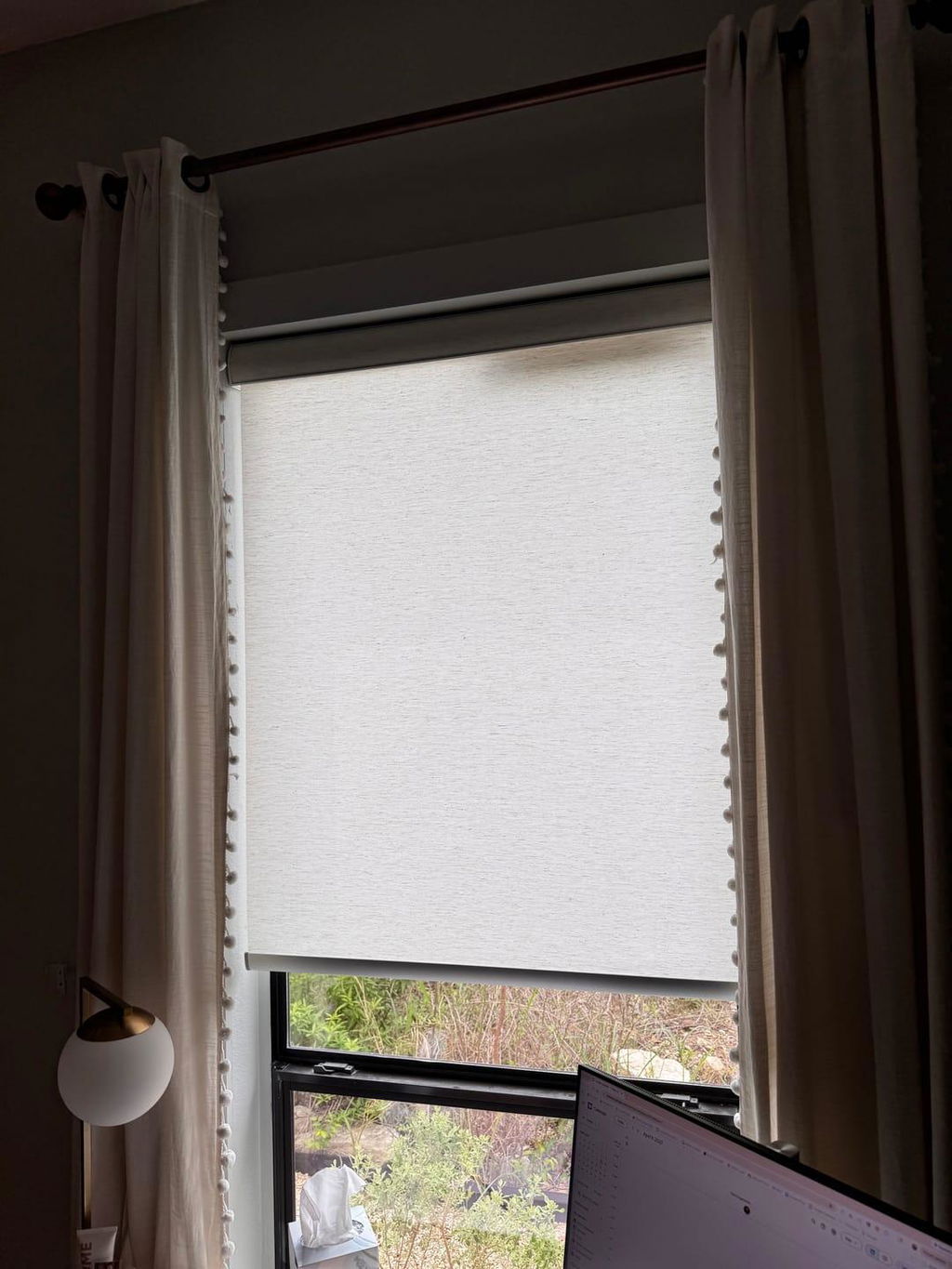
Here is how I finally made blackout blinds with side tracks work without sacrificing the aesthetic. First, I color-matched the tracks. If your trim is 'Simply White,' your tracks better be 'Simply White.' I actually took a piece of the aluminum track to the paint store to ensure the powder coating matched my casing perfectly. When the colors match, the eye just skims over the vertical lines.
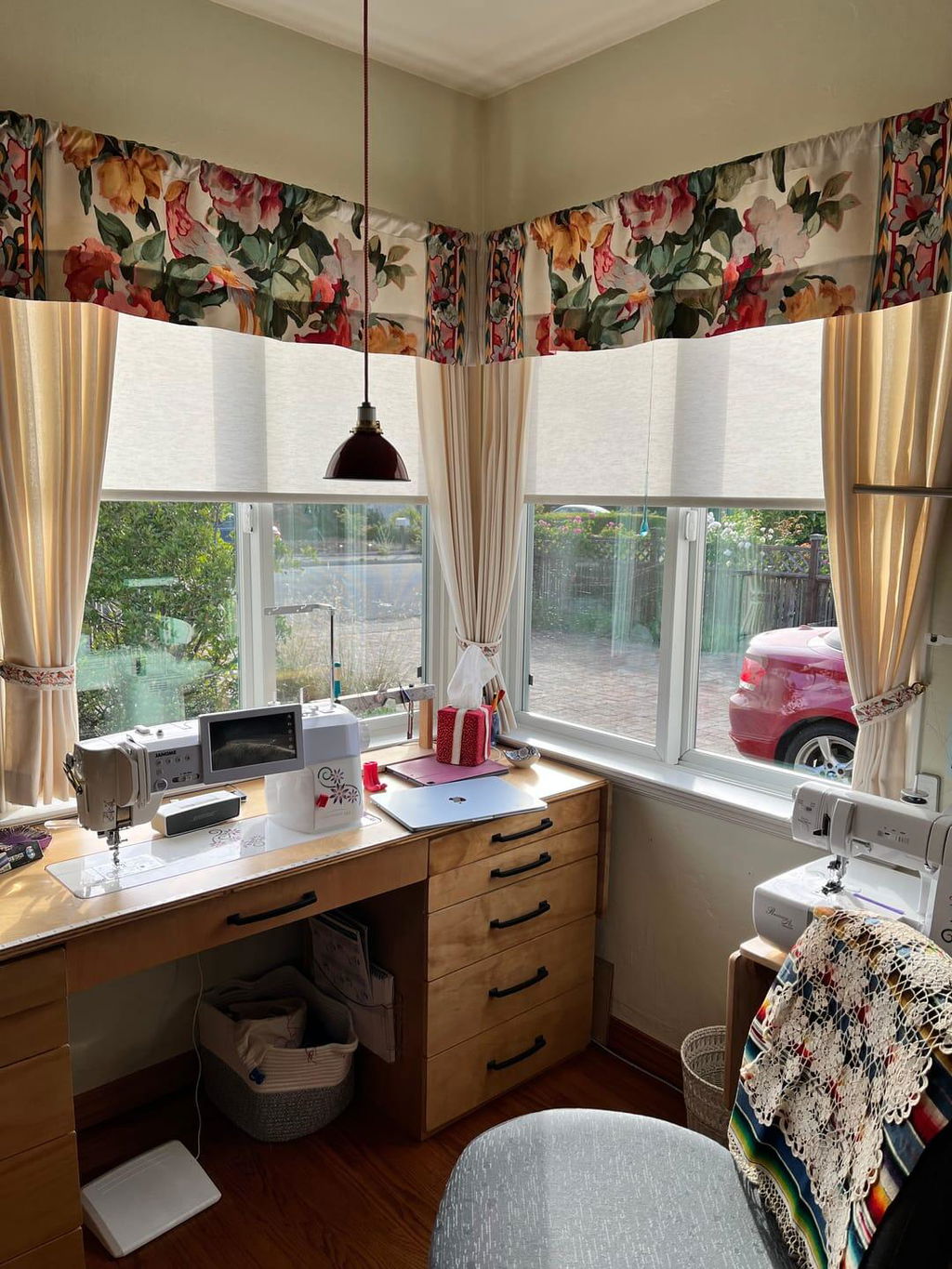
Second, I layered. I installed the total blackout blinds with side tracks deep inside the mount. Then, I hung a pair of heavy, 200 gsm linen drapes on a high-and-wide brass rod. The drapes stay stationary at the sides, completely covering the view of the tracks. If you really want to go for it, motorized blackout luxe shades are the way to go—there is something incredibly satisfying about pressing a button from bed and watching the room go from bright morning to pitch black in ten seconds.
Is the Pitch-Black Sleep Worth the Extra Drilling?
I’ll be honest: I messed up the first track I installed. I didn't account for the slight wonkiness of my 1920s window frame, and the shade caught on the way down. I had to back the screws out, shim the track with a tiny piece of cardboard, and try again. It was a frustrating hour of my life involving a level and a lot of swearing.
But that night? It was worth it. For the first time, I didn't see the streetlights or the early bird neighbors' headlights. If you value your sleep, blackout shades with side tracks are the only real solution. It’s a small visual compromise for a massive lifestyle upgrade. Just remember to match your paint and buy the linen drapes—your eyes (and your interior) will thank you.
FAQ
Can I add side tracks to my existing blinds?
Generally, yes, as long as you have a standard roller shade. You can purchase aftermarket light blocking side tracks for blinds, but make sure your shade fabric is slightly narrower than the window opening so it has room to slide inside the channels.
Do side tracks help with insulation?
Absolutely. Because side track blinds create a tighter seal against the window, they are excellent at stopping drafts in the winter and keeping the heat out in the summer. It’s an energy-efficiency win.
Are they hard to clean?
Not really. I just run a vacuum attachment down the inside of the track once a month to get rid of any dust or spiderwebs. If the shade starts to stick, a tiny bit of silicone spray on a cloth wiped inside the track makes it glide like new.