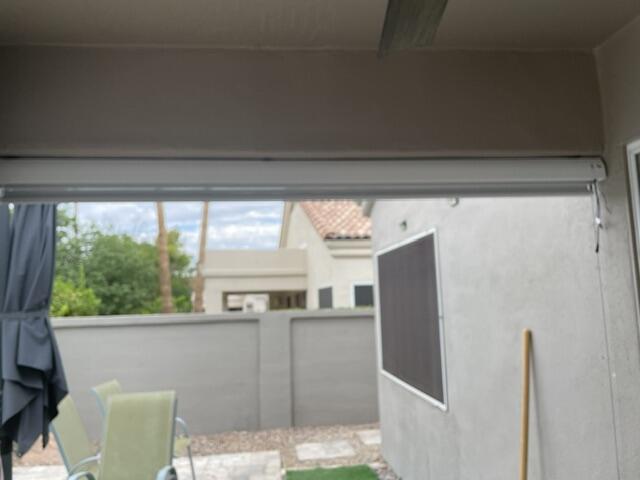
I Ditched My Smart Blinds for a Manual Roller Shade (And I'm Relieved)
It happened on a Tuesday afternoon in the middle of a heatwave. The sun was aggressively colonizing my living room, bouncing off the brass floor lamp and creating a blinding hot spot right on my laptop screen. I did what any modern homeowner would do: I grabbed my phone, opened the app, and waited for the 'Living Room Sunset' scene to trigger. And I waited. The app spun its little digital wheel of death, eventually informing me that my bridge was offline. I spent the next twenty minutes rebooting a router and hunting for a micro-USB cable while the room baked. That was the day I realized my high-tech experiment had failed, and I went back to a manual roller shade.
Quick Takeaways
- Reliability is the ultimate luxury; manual shades never suffer from 'server downtime.'
- Reallocating your budget from motors to textiles allows for much higher-quality, designer fabrics.
- Manual hardware, like stainless steel bead chains, offers a tactile satisfaction tech can't replicate.
- Maintenance is virtually zero—no batteries to charge or firmware to update.
The Day My Smart Home Broke Me
There is a specific kind of rage reserved for objects that are 'smart' but act incredibly stupid. My motorized blinds were supposed to be the crown jewel of my renovation. I imagined them gliding silently in unison every morning. In reality, one would always lag behind the others, or worse, one would simply run out of battery while halfway down, leaving my window looking like a lopsided mess for three days until I found the ladder. When that app failed during the glare-heavy afternoon, I realized I was spending more time managing the technology than I was enjoying the light control.
I took them down that weekend. I replaced them with manual roller blinds, and the relief was instantaneous. There is no 'searching for device.' There is no 'reconnecting to Wi-Fi.' I walk over, I pull the chain, and the shade moves. It takes exactly two seconds. I had traded a complicated, fragile system for a mechanical one that works every single time. Sometimes, the best way to fix a modern problem is to use a solution that was perfected fifty years ago. I no longer have to explain to house guests how to use the 'smart' remote just so they can sleep past 6 AM.
The realization hit me that I had over-engineered a simple task. A window shade is a piece of fabric on a tube. By adding a motor, a battery, a radio receiver, and a cloud-based app, I had introduced four potential points of failure to a device that should be foolproof. My new manual shade doesn't care if the internet is out or if the power grid is struggling. It just works.
Why I Decided to Go Back to Basics
There is a tactile satisfaction in a well-weighted manual shade that a motor simply cannot mimic. When you pull a high-quality chain, you feel the resistance of the fabric and the smooth rotation of the clutch. It grounds you in the physical reality of your home. You aren't just clicking a button; you are adjusting your environment. I’ve found that this small interaction makes me more mindful of the light and the time of day. I’ve even started to specify a manual roller shade in my design projects for clients who are tired of 'tech fatigue.'
We spend our entire lives staring at screens and interacting with invisible signals. Coming home to a space where the mechanics are visible and reliable is a form of mental rest. My manual blinds don't beep at me. They don't send me push notifications reminding me to charge them. They just sit there, looking beautiful, waiting for me to interact with them. It’s a frictionless experience because the friction is purely physical, not digital.
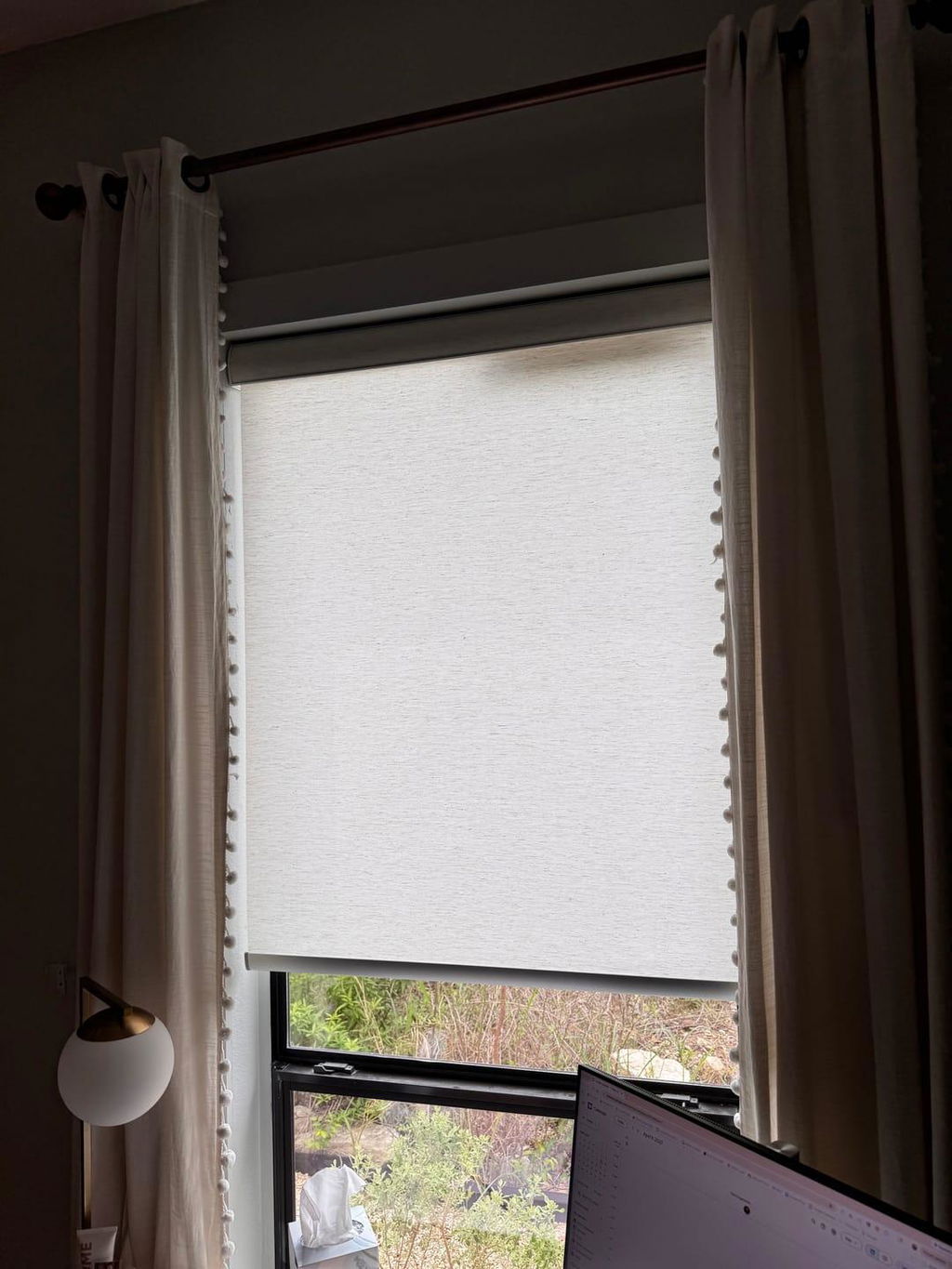
From an architectural standpoint, manual shades also allow for a much slimmer profile. Without a bulky motor housing or a battery pack tucked into the headrail, the shade can sit closer to the glass. This reduces light gaps on the sides—a common gripe with motorized versions. The result is a cleaner, more integrated look that highlights the window's lines rather than the hardware's bulk. It’s a return to form following function, rather than form following a circuit board.
The Cost Shift: Better Fabric Over Batteries
Let’s talk about the 'tech tax.' When you buy a motorized window treatment, a significant portion of your budget—often 40% to 60%—goes toward the motor, the remote, and the smart hub. When I switched back to manual window shades, I took that exact same budget and funneled it into the textile itself. Instead of a basic, thin polyester, I was able to afford high quality roller shades in a heavy, 350 gsm linen-blend weave with a sophisticated slub texture.
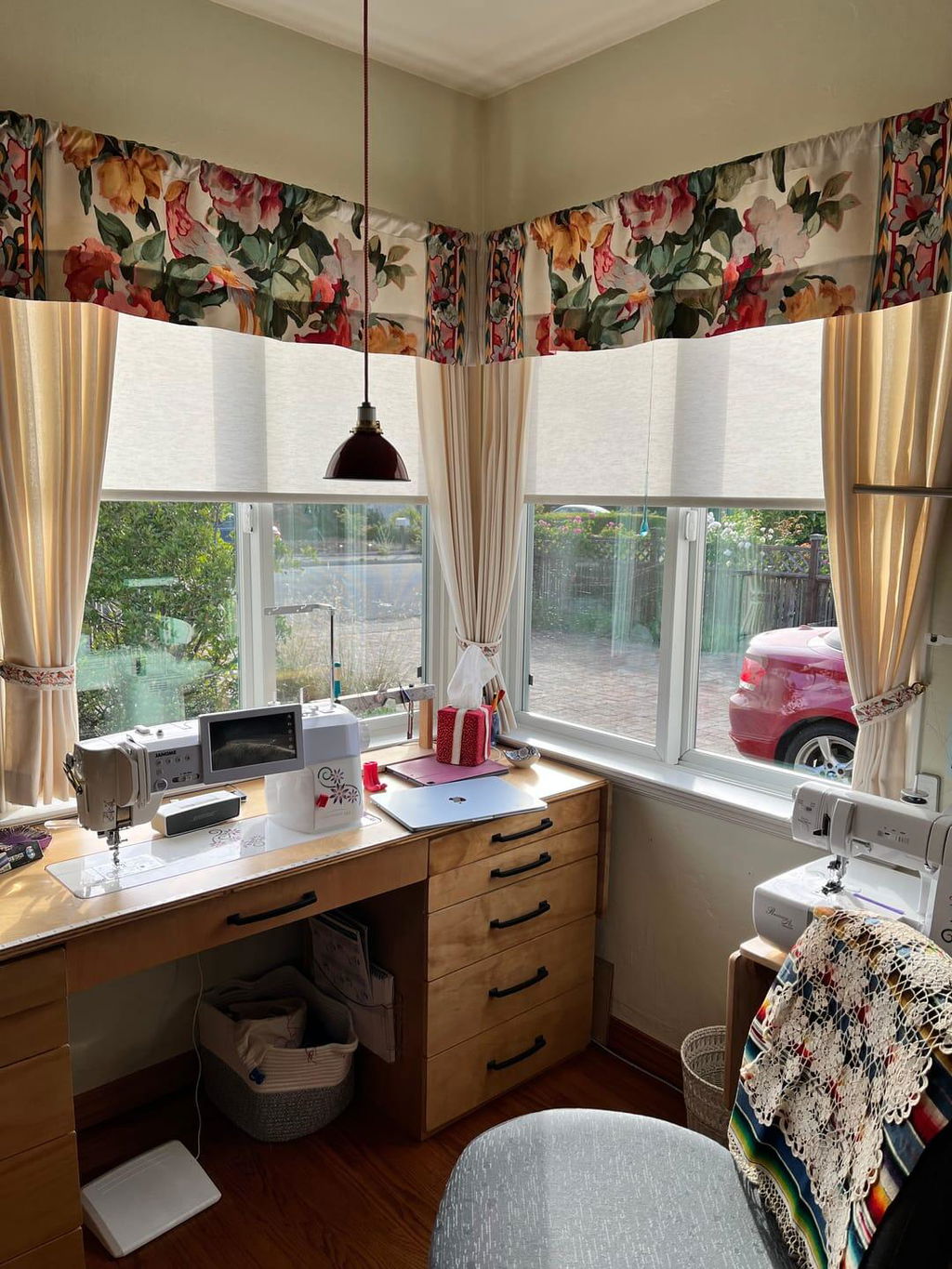
The difference in the room's atmosphere is night and day. The light filters through a premium fabric with a richness that 'tech-first' shades often lack. I chose a 3% openness solar mesh for the south-facing windows, which preserves my view of the garden while cutting the UV rays that were fading my vintage rug. Because I wasn't paying for electronics, I could afford custom finishes like a fabric-wrapped hem bar and a matching cassette that hides the roll entirely. These are the details that make a room feel designed rather than just 'equipped.'
If you are working with a fixed budget, I will always argue that you should spend your money on the thing you see and touch every day—the fabric. A motor will eventually die or become obsolete when the app stops being supported by the manufacturer. A beautiful, heavy-duty fabric on a solid manual clutch will look and function exactly the same way in fifteen years as it does today. It’s a better long-term investment for your home’s value and your own visual enjoyment.
Where Motorized Still Wins (And Where It Doesn't)
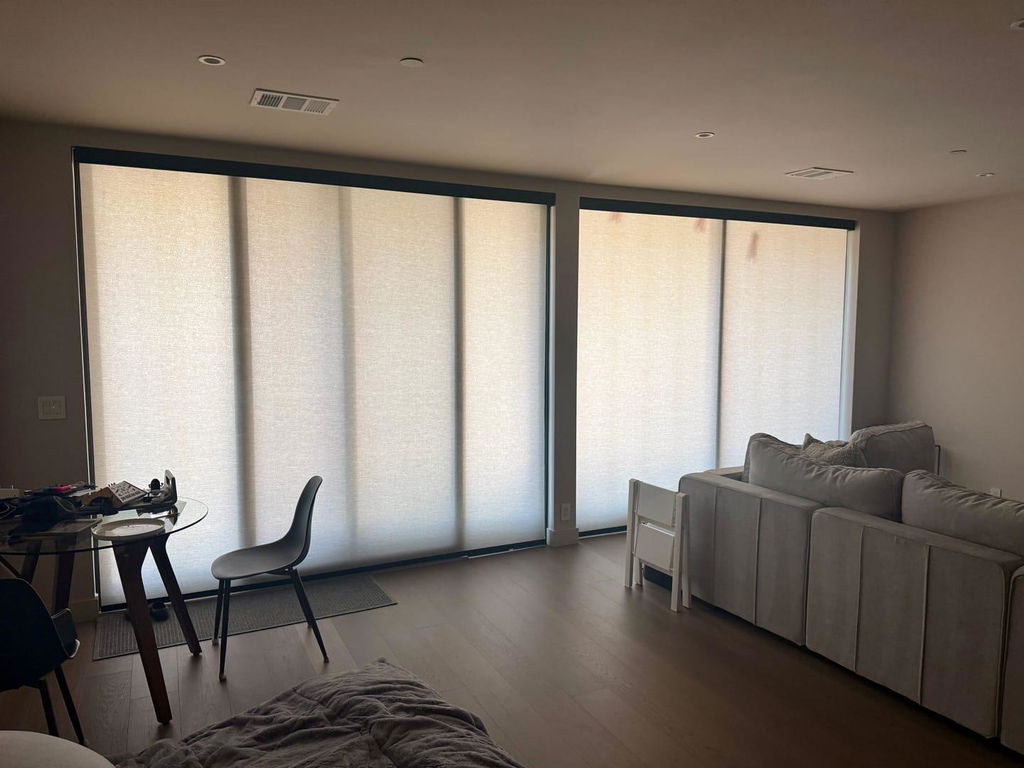
I’m not a total purist. There are absolutely scenarios where automation is the only logical choice. If you have a double-height foyer with a window ten feet above the floor, don't buy a manual shade unless you enjoy living on a ladder. For those unreachable spots, motorized dual roller shades are a godsend. They allow you to toggle between a sheer day layer and a blackout night layer with a single tap, which is genuinely useful in a high-ceilinged master suite.
However, for any window you can reach with your hand, manual solar shades are superior. Think about your kitchen sink or your bedside table. It is actually faster to reach out and pull a cord than it is to unlock a phone, find an app, and wait for the command to travel to the cloud and back. I’ve moved toward a hybrid approach in my house: the high, clerestory windows stay motorized, but the windows I interact with daily have been converted back to manual.
I’ve also found that layered day night shades work beautifully in a manual format. By having two separate chains—one for the sheer and one for the blackout—I have total granular control. I can raise the blackout shade halfway to block the neighbors' view while keeping the top half open for the trees, something that is surprisingly annoying to program into a smart home scene. Manual control gives you the 'in-between' settings that make a home feel lived-in and comfortable.
The One Upgrade Your Analog Shade Actually Needs
If you’re going to embrace the manual shade lifestyle, don’t buy the cheap stuff from a big-box hardware store. The secret to a shade that feels expensive is the hardware. Specifically, you want a heavy-duty, spring-assisted clutch mechanism. This makes even a large, heavy blackout shade feel light as air when you pull it. It prevents that jerky, 'stuck' feeling that defines cheap roller blinds.
The second essential upgrade is the chain. Ditch the white plastic beads that eventually yellow and snap. Opt for a continuous stainless steel or matte black metal bead chain. It adds a lovely weight to the treatment and acts almost like jewelry for your window. If you have kids or pets and want to avoid chains altogether, a high-quality cordless tension system is the way to go. Just ensure it’s a 'slow-rise' mechanism so the shade doesn't snap up and hit the top with a bang.
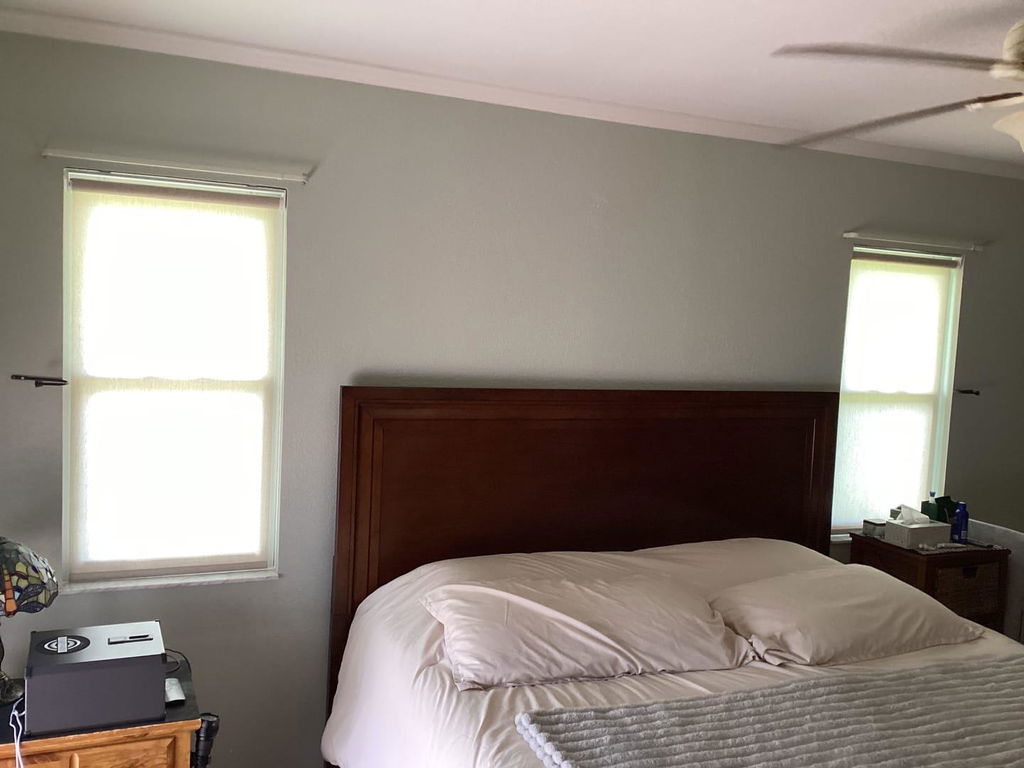
Lastly, pay attention to the mounting. A manual shade looks best when it’s inside-mounted with minimal light gaps. Measure your window frame at the top, middle, and bottom, and use the smallest measurement. This precision ensures that your manual blinds look like they were built into the house, not just slapped on as an afterthought. When the hardware is this simple, the quality of the installation and the materials is what truly shines.
Frequently Asked Questions
Are manual roller shades hard to install?
Not at all. Most manual shades require just two brackets and four screws. Since there’s no wiring or battery pairing involved, you can usually have a whole room done in under thirty minutes. Just make sure your brackets are perfectly level so the fabric rolls up straight.
How do you clean manual window shades?
Because there are no electronics to worry about, you can be a bit more thorough. A vacuum with a brush attachment handles most dust. For spots, a damp microfiber cloth with a tiny bit of mild soap works wonders on most solar and synthetic fabrics. Just let them air dry fully before rolling them back up.
Can I convert my manual shade to motorized later?
It depends on the tube diameter. Many high-end manual shades use a standard 1.5-inch or 2-inch aluminum tube that can be retrofitted with a 'wire-free' motor later if you change your mind. However, you'll usually have to replace the clutch and the end caps, so it’s often cheaper to decide your preference upfront.