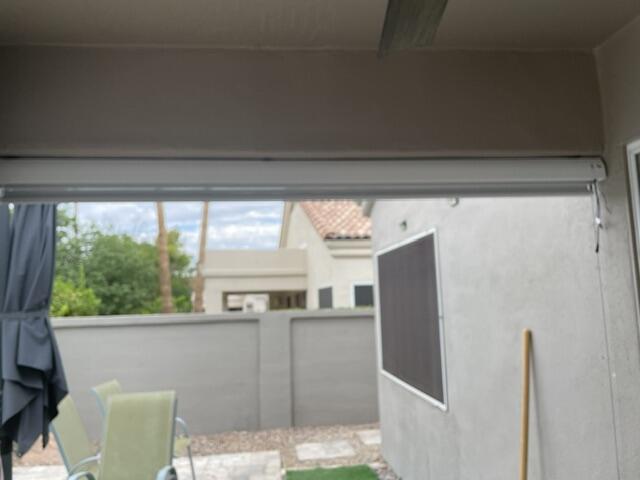
Why I Still Specify a Manual Roller Shade in High-End Homes
I once stood in a client’s $3 million penthouse at sunset, trying to impress them with a voice-activated ‘scene’ I’d spent three hours programming. I gave the command, and... nothing. The hub was blinking red, the Wi-Fi had decided to take a nap, and we sat there squinting against the glare while I frantically poked at an app. That was the day I went back to basics with the manual roller shade.
There is a specific kind of luxury in things that just work every single time you touch them. You don’t need a charging cable, a firmware update, or a steady 5GHz connection to block the sun. You just reach out, pull, and the light changes. It’s tactile, it’s immediate, and it’s remarkably refreshing in a house full of screens.
- Reliability: No batteries to charge or motors to burn out after three years.
- Tactile Control: Micro-adjustments are faster by hand than by app.
- Aesthetics: Modern manual hardware is slim, architectural, and surprisingly high-end.
- Cost-Efficiency: Spend the ‘motor savings’ on a better fabric or custom linen drapes.
The Smart Home Fatigue is Real
We are currently witnessing a quiet rebellion against the ‘everything-is-an-app’ lifestyle. My clients are tired. They have smart fridges that tell them they’re out of milk and smart thermostats that argue with them about the temperature. When they come home, they want a sanctuary, not a tech support ticket.
I’ve started designing ‘dumb’ homes—or at least, homes with analog overrides. A manual shade doesn’t care if your router is acting up. It doesn’t beep at 2 AM because the battery is at 5%. It’s a silent, reliable partner in your interior design that respects your time and your sanity.
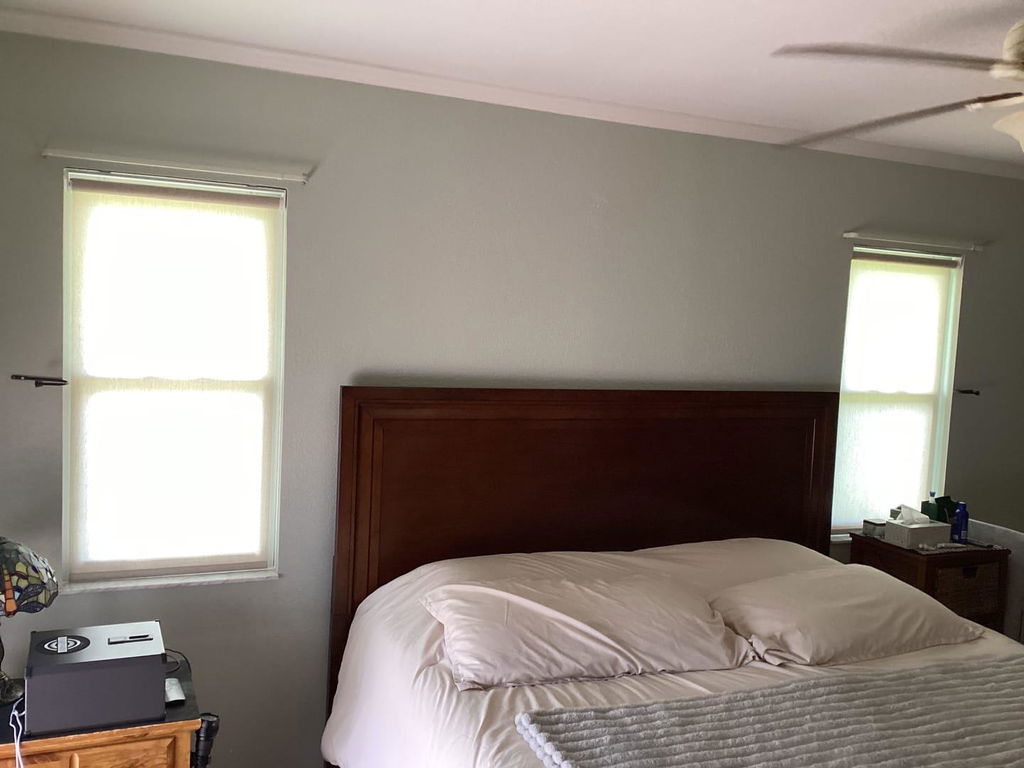
I recently worked on a project where the client had spent thousands on a whole-home automation system. Two years later, they asked me to replace the motorized bedroom blinds with manual window shades. Why? Because they hated the whirring sound of the motor waking them up in the morning. They wanted the silence of a hand-drawn shade.
Why a Manual Roller Shade Doesn't Mean 'Cheap'
Forget those rattling, spring-loaded vinyl sheets from your first apartment that would snap up and spin like a propeller if you let go. Modern manual roller blinds are a completely different species. We’re talking about precision-engineered clutches and heavy-duty aluminum tubes that don’t bow over a 96-inch span.
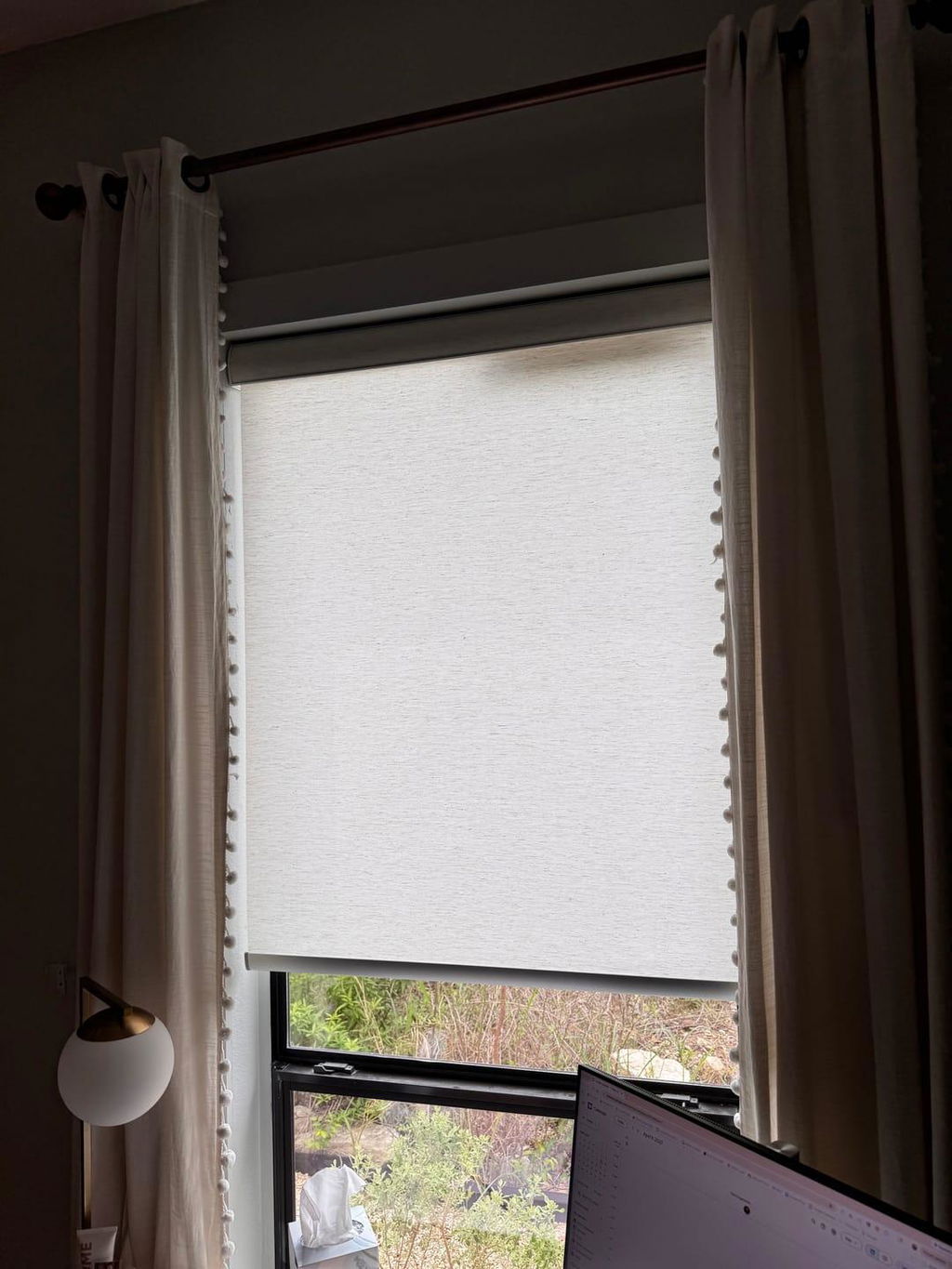
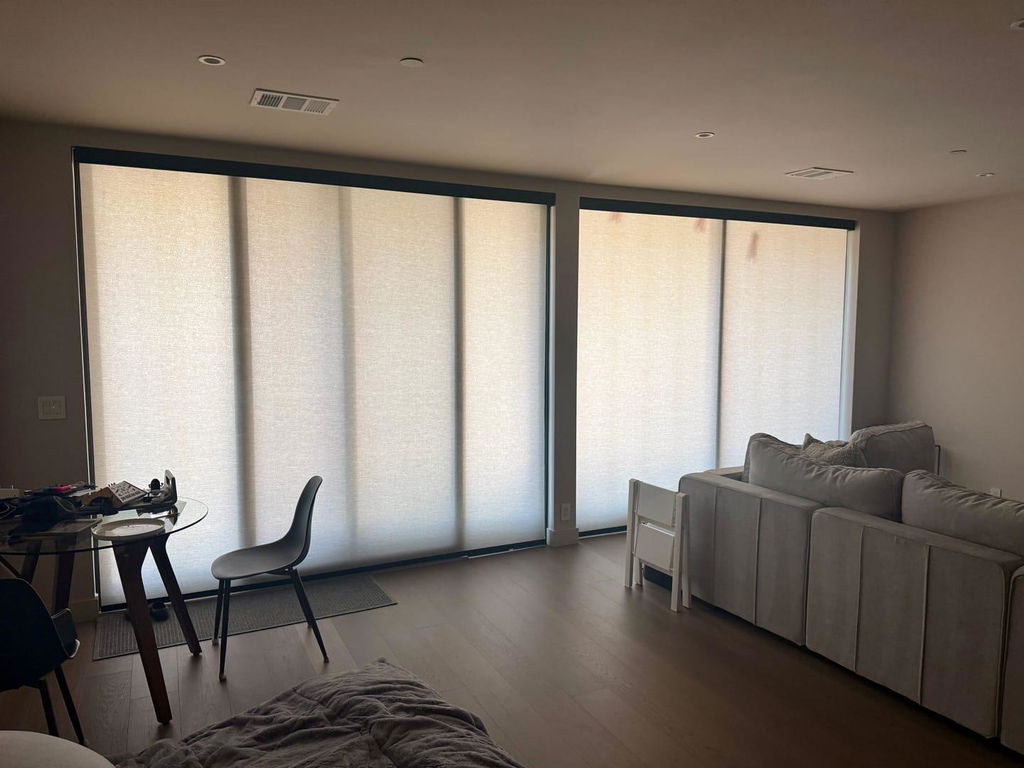
When you browse professional-grade Roller Shades, you see textures that look like expensive grasscloth or fine-spun linen. I often specify a 3% openness solar fabric in a charcoal or deep bronze. It cuts the glare on the TV but keeps the view of the garden crisp. Pair that with a square metal fascia in a matching matte finish, and it looks like part of the window’s architecture rather than an afterthought.
The weight of the bottom hem is the dead giveaway of quality. A high-end manual shade uses a weighted internal hem bar or a wrapped external bar that gives the fabric enough tension to hang perfectly plumb. No curling at the edges, no fluttering in the breeze.
The Battery Anxiety Nobody Warns You About
The marketing for motorized shades always shows a smiling person lounging in bed with a remote. They never show that same person six months later, teetering on a 10-foot ladder with a micro-USB cable because the motor died mid-way up. If you have a double-height foyer, sure, go electric. I’ll even admit that motorized dual roller shades are a lifesaver for those impossible-to-reach transoms.
But for a standard bedroom or living room? A manual blinds setup is superior. There’s no anxiety about whether the shade will actually move when you press the button. You have total agency over your environment. Plus, you avoid the e-waste of lithium batteries and circuit boards that inevitably fail long before the fabric does.
I’ve seen too many high-end motors become obsolete because the manufacturer stopped supporting the app. A manual shade is a 20-year product. A smart shade is a 5-year gadget.
The Satisfying Pull: Continuous Cord Loop vs. Cordless
If you want that ‘designer’ feel, I almost always recommend a continuous metal bead chain. There’s a weight to a stainless steel or brass chain that feels expensive. The geared clutch makes the movement butter-smooth; you can stop the hem exactly where the window sill meets the casing. It’s about that satisfying ‘click-click-click’ as you dial in the light.
For homes with kids or pets, a cordless manual shade is the gold standard. You just grab the bottom rail and lift. The tension systems have improved so much that they no longer feel ‘crunchy’—it’s a silent, controlled glide that stays exactly where you leave it. I usually specify these for nurseries where safety and silence are the two biggest priorities.
Where Manual Solar Shades Make the Most Sense
Kitchens and home offices are the natural habitat for manual solar shades. In an office, the sun moves across your monitors throughout the afternoon. You don’t want to dig for a remote or wait for a slow motor to lower the shade three inches. You want to reach out, give it a tug, and get back to work.
I get asked a lot: Do Solar Roller Shades Always Look Like A Corporate Office? Not if you pick the right weave. Avoid the ‘shiny’ plastic-looking screens. Look for ‘bi-color’ weaves that mix two different thread tones—like a sand and white mix—which gives the fabric depth and a textile-like appearance that softens the room.
In a kitchen, the manual aspect is even better. If you have messy hands from prep work, you can use the back of your hand to nudge a cordless shade up, or a quick pull on a chain is much easier to clean than a high-tech remote control covered in flour.
Layering: The Designer Secret to Finessing the Look
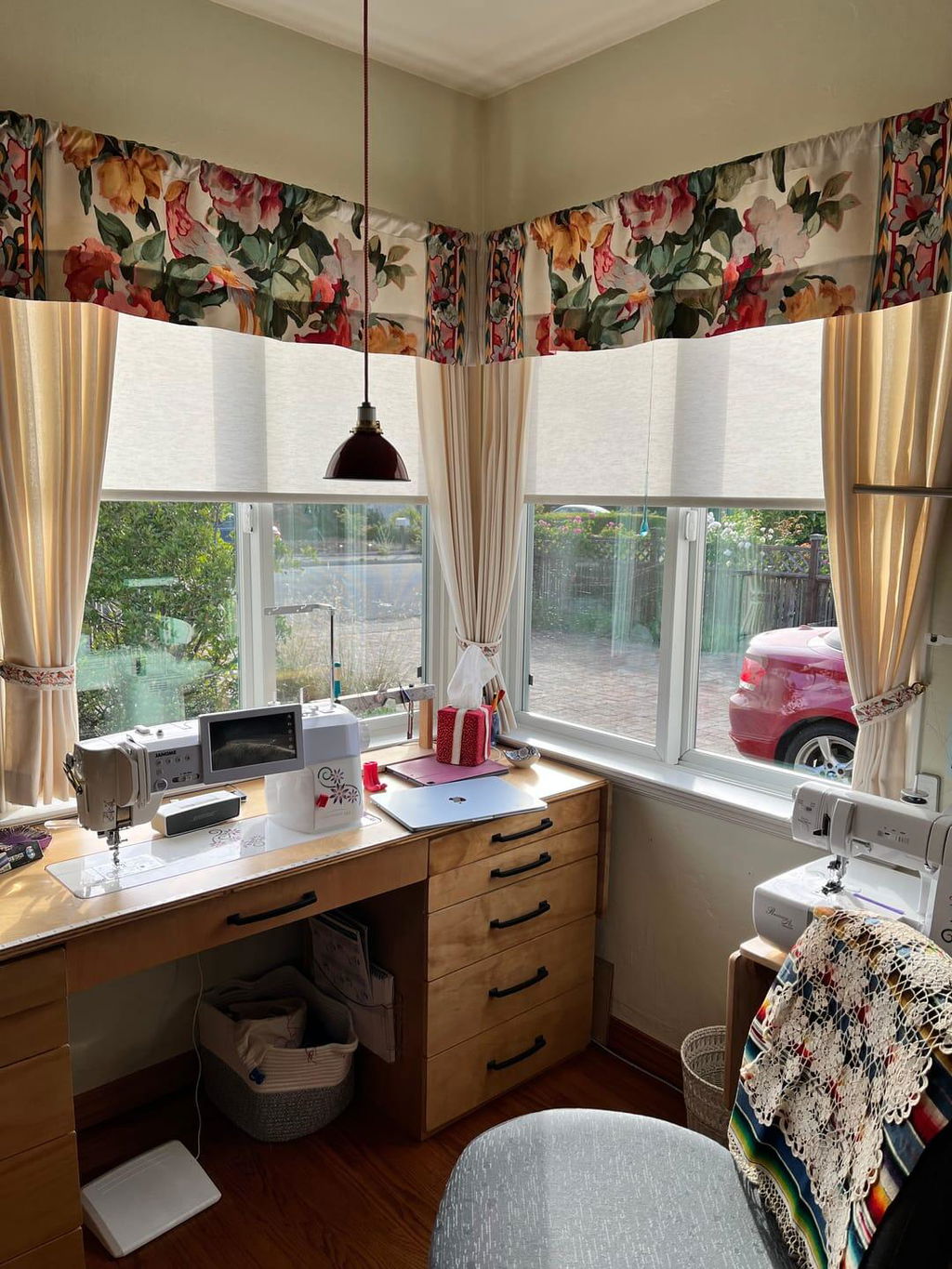
A roller shade on its own can sometimes feel a bit clinical. To make it feel like a ‘designed’ room, I layer them. I’ll mount a manual blinds unit inside the window frame for light control, then hang floor-to-ceiling linen drapes on a French return rod outside the frame. It’s the best of both worlds: the crisp function of the shade and the soft, acoustic-dampening beauty of the fabric.
If you’re tight on space, you can even look into Day Night Shades. These allow you to have a sheer layer for the day and a blackout layer for the night, all within one system. It’s the ultimate ‘set it and forget it’ solution for guest rooms where you want your visitors to actually be able to sleep in without needing a manual for the window treatments.
FAQ
Are manual shades hard to install?
Not at all. Two brackets, four screws, and you’re done. Just make sure you use a level; if the brackets are even a sixteenth of an inch off, the fabric will ‘telescope’ and start fraying against the side of the bracket. I always use my own heavy-duty anchors rather than the plastic ones that come in the box.
What is the best fabric for privacy?
If you want privacy at night with the lights on, you need a ‘blackout’ or ‘opaque’ fabric. Solar shades (even 1%) will still show silhouettes when it’s dark outside and bright inside. I often use a light-filtering fabric that glows during the day but keeps the neighbors from seeing in at night.
Can I clean a manual roller shade?
Most high-quality synthetic rollers can be wiped down with a damp microfiber cloth and a tiny bit of mild dish soap. Just don’t soak them, or you might damage the stiffening agents that keep the fabric flat. For dust, a vacuum with a brush attachment works wonders.