How to Style a Roll Up Reed Shade So It Doesn't Look Like a Tiki Bar
I remember standing in my kitchen after a grueling six-month renovation, staring at my brand-new white subway tile and Honed Carrara marble countertops. It was technically perfect, but it felt like a sterile operating room. The morning light bounced off the hard surfaces with a harshness that made me want to wear sunglasses indoors. I had spent a fortune on 'clean' lines, only to realize I had deleted all the soul from the room. That afternoon, I drove to a local shop and bought a simple, earthy roll up reed shade. The moment I hung it, the room finally exhaled.
Quick Takeaways:
- Always opt for an inside mount to make the shade look like a custom architectural feature.
- Contrast the rough texture of reeds with high-end materials like unlacquered brass or marble.
- Avoid pairing reed shades with tropical prints or wicker to stay away from the 'tiki' aesthetic.
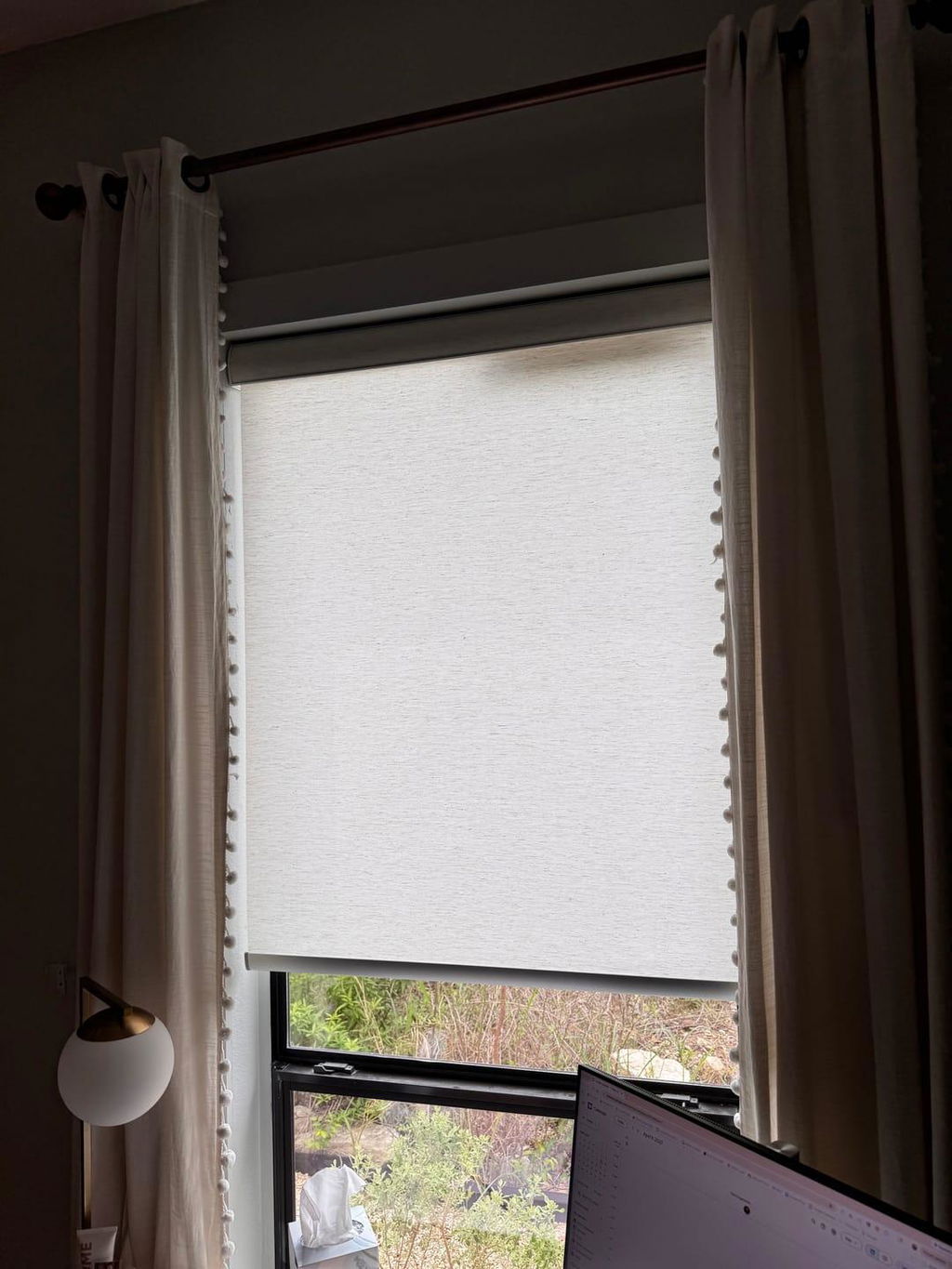
- Layer with 200 gsm linen drapes to soften the window frame and add depth.
- Use a vacuum brush attachment weekly to prevent dust from settling in the weave.
The Organic Modern Secret Weapon
Interior designers are currently obsessed with 'Organic Modern' for a reason: it stops our homes from feeling like cold, digital renderings. When you have a room filled with hard edges—drywall, glass, and polished stone—you need a counterbalance. A reed roll-up shade provides that essential architectural friction. It isn't just a window covering; it is a layer of texture that breaks up the monotony of flat paint.
The beauty of reed roller shades lies in their imperfection. Unlike a synthetic blind, these reeds vary in diameter and hue, ranging from light straw to a deep, toasted amber. When the sun hits them at 4 PM, the light doesn't just enter the room; it filters through the gaps in the weave, creating a dappled, golden glow that makes even the most basic rental apartment feel like a custom-designed sanctuary. It is the cheapest way to add a 'natural' element that feels intentional rather than cluttered.
I often tell people to think of these shades as the 'jute rug' of the window. Just as a natural fiber rug grounds a living room, a reed shade grounds a window. It provides a visual break from the verticality of drapes and the flatness of the wall. It’s that missing tactile element that makes a space feel lived-in and layered.
Why You Keep Associating Them With Cheap Patios
The 'tiki bar' stigma is real, and it usually comes from seeing these shades used incorrectly. We’ve all seen them: flimsy, unlined, sun-bleached reeds hanging crookedly on a screened-in porch, surrounded by dusty rattan furniture and palm-print cushions. That is a theme, not a style. When you use reed roll up blinds in that context, you are leaning into a tropical cliché that feels dated the moment the temperature drops below 70 degrees.
The key is understanding where the material belongs. If you are looking for a utilitarian solution to block rain or heavy wind on a deck, you probably want an exterior PVC roll-up sun shade. Those are built for the elements. Natural reeds, however, belong indoors where they can be protected and elevated. Outside, they rot and turn gray; inside, they age like fine wood, developing a rich patina over time.
To avoid the tiki trap, stay away from the 'all-natural' look. If every piece of furniture in your room is made of bamboo, seagrass, or wicker, a reed shade will be the tipping point into kitsch. You want the shade to be the 'wild' element in a room that is otherwise quite disciplined and modern. It’s about the tension between the raw fiber and your sophisticated surroundings.
The Golden Rule: Contrast is Your Friend
If you want your reed shades to look like they cost five times what you actually paid, you have to pair them with high-contrast materials. I have a rule in my house: if the window treatment is 'rough,' the hardware must be 'refined.' I never use the plastic cleats that come in the box. Instead, I install unlacquered brass hooks or matte black cord wraps. This small swap immediately signals that the shade is a deliberate design choice, not a budget afterthought.
Pair your shades with stark white walls (think Benjamin Moore Simply White) and sleek, modern furniture. I love seeing a reed shade hanging behind a velvet sofa or next to a polished marble fireplace. The roughness of the reed makes the velvet look plushier and the marble look smoother. It’s a symbiotic relationship. If you put a reed shade against shiplap, the whole room feels like a rustic cabin. If you put it against a crisp, clean wall, it looks like a piece of art.
Don't be afraid of dark finishes, either. A deep walnut-stained reed shade against a charcoal gray wall is incredibly moody and sophisticated. The goal is to create a space that feels curated. Avoid 'matchy-matchy' wood tones. If your floors are light oak, go for a slightly darker reed to create a visual boundary. You want the window to pop, not disappear into the wall color.
Inside Mount vs. Outside Mount for Woven Woods
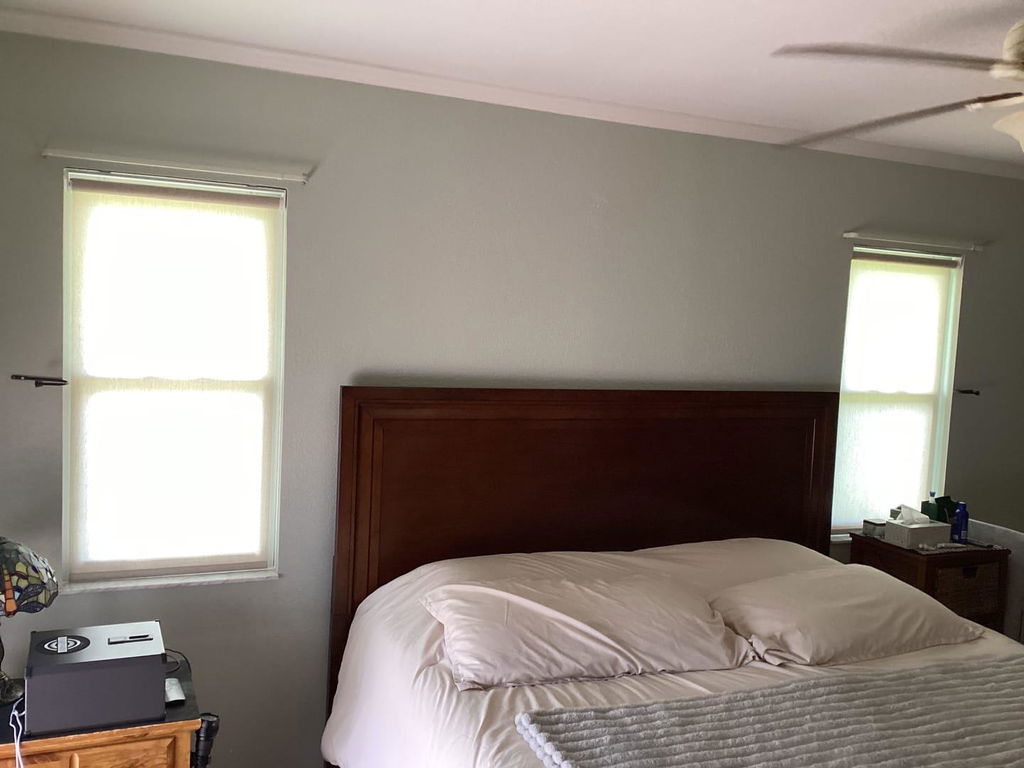
This is where most people fail. For a reed roll-up shade to look high-end, it almost always needs to be an inside mount. This means the shade sits within the window casing, flush with the trim. It creates a clean, integrated look that highlights the window's architecture. When you outside-mount a reed shade, it often looks like a bulky mat tacked onto the wall, which is exactly how you get that 'dorm room' or 'patio' vibe.
When measuring for an inside mount, precision is everything. I measure the width at the top, middle, and bottom of the frame and use the narrowest measurement, subtracting about 1/8 to 1/4 of an inch for clearance. This ensures the shade doesn't rub against the trim but still looks tailored. This level of fit mimics the sleekness of high-end motorized dual roller shades, which are the gold standard for custom window treatments.
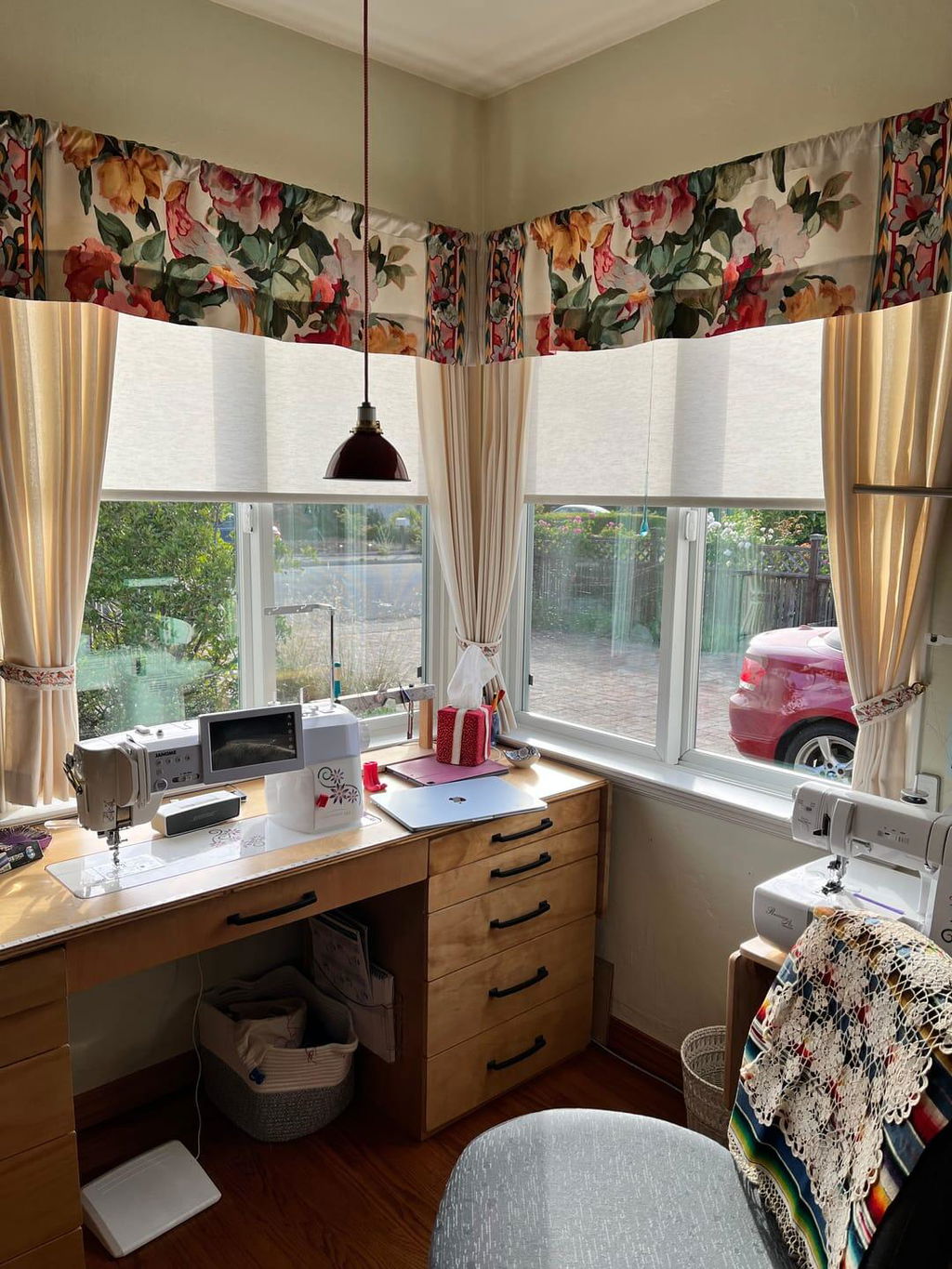
If your windows are too shallow for an inside mount (you usually need at least 2 inches of depth), and you must go with an outside mount, hang the shade high—about 4 to 6 inches above the trim. This creates the illusion of height and makes the 'stack' (the portion of the shade that stays rolled up at the top) look like a decorative valance rather than a mistake. Just make sure the shade is wide enough to cover the trim entirely on both sides.
Layering: When to Add Drapes (And When to Stop)
One of my favorite ways to use reed shades is as a base layer. While they provide great texture, they can sometimes feel a bit 'thin' on their own, especially on large windows. By layering a reed shade under a pair of heavy drapes, you get the best of both worlds: the organic texture of the wood and the soft, acoustic-dampening qualities of fabric. It adds a depth that you just can't get with standard Roller Shades.
I recommend using a high-quality European flax linen for the drapes. Look for something with a 200 gsm weight and aim for 2.5x fullness so the panels look rich and gathered even when closed. A crisp white or a warm oatmeal linen works beautifully. Hang the curtain rod wide—extending 8 to 10 inches past the window frame—so that when the drapes are open, they just frame the reed shade without blocking the light. This 'frame' effect hides the edges of the shade and makes the whole window feel massive and expensive.
The only time to stop layering is if the room is already very small or if the window trim is a work of art in itself. If you have beautiful, thick Victorian molding, let the inside-mounted reed shade stand alone. Don't cover up the craftsmanship with fabric if the wood-on-wood look is already doing the heavy lifting.
How to Keep Natural Reeds Looking Fresh Indoors
Natural materials require a little more love than plastic. Reeds are magnets for dust because of the horizontal gaps in the weave. I make it a habit to run a vacuum with a soft brush attachment over mine once a week. If you let dust sit in those crevices for years, it becomes much harder to remove without damaging the delicate fibers. Never use harsh chemical cleaners; a slightly damp microfiber cloth is all you need for spot cleaning.
In humid areas like bathrooms or kitchens, ventilation is key. While reeds handle some moisture better than solid wood, they can still mildew if the room stays damp. Ensure you have a good exhaust fan running during and after showers. If you take care of them, these shades will last for a decade, slowly darkening into a beautiful, sun-kissed tone that synthetic materials simply can't replicate. If you're ready to explore more ways to dress your windows, check out All Your Shade Solutions for more inspiration.
My Honest Mistake
I once tried to 'save money' by ordering a set of reed shades from a liquidator for my guest room. When they arrived, the reeds were so thin they were practically translucent, and the 'natural' color was a sickly neon green. I tried to live with them for a week, but the room felt like a cheap souvenir shop. I ended up taking them down, staining them myself with a walnut wood finish, and replacing the white nylon cord with a brown leather lace. It took ten hours of work to make a $30 shade look like a $200 one. Lesson learned: quality of the raw reed matters.
Frequently Asked Questions
Are reed shades private at night?
On their own, most reed shades are 'light filtering,' meaning people outside can see blurry shapes and light when your lamps are on. If you need total privacy for a bedroom or bathroom, look for a version with a sewn-in privacy or blackout liner on the back.
Do reed shades shed?
High-quality reed shades shouldn't shed much after the initial installation. You might see a few tiny fibers on the windowsill for the first week, but once they are hung and settled, they stay intact. Avoid pulling on loose strands; just snip them with sharp scissors.
Can I cut reed shades to fit my window?
I wouldn't recommend it. Because the reeds are held together by intricate vertical threads, cutting the sides can cause the whole structure to unravel. It is always worth the extra $20 to $40 to have them custom-cut to your exact window measurements.