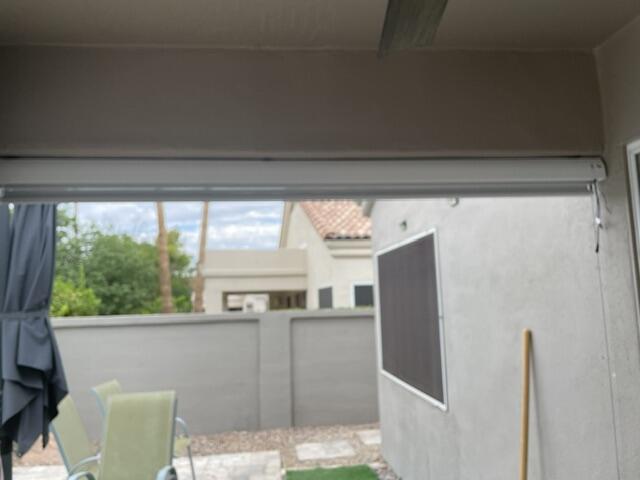
Is an All-Weather Exterior PVC Roll-Up Sun Shade Actually Tacky?
I’ll be the first to admit I can be a bit of a design snob. If a material doesn’t have a natural grain, a weave you can feel, or a hand-forged finish, I usually don't want it anywhere near my property. For years, I watched my expensive teak deck chairs and custom cushions take a beating from the horizontal sleet of November, all because I refused to install what I called 'plastic patio blinds.' I was convinced they would make my home look like a budget roadside diner in the off-season.
But then came the winter of the Great Mildew, where my 'water-resistant' covers failed and my beautiful outdoor rug turned into a science experiment. I had to swallow my pride and look for a real solution. That’s when I discovered that a high-quality all-weather exterior pvc roll-up sun shade isn't actually a flimsy sheet of Saran wrap—it’s a structured, architectural tool that can actually save your sanity and your furniture.
Quick Takeaways
- Marine-grade PVC (0.5mm or thicker) offers crystal-clear visibility without the 'wrinkle' look of cheap alternatives.
- Track-guided systems prevent the 'sails' effect where blinds flap uncontrollably in the wind.
- Proper mounting—hiding the cassette behind a fascia—is the secret to making vinyl outdoor shades look intentional rather than an afterthought.
- Clear vinyl is perfect for wind and rain protection, but tinted or woven options are better for south-facing patios that get direct, punishing sun.
The Plastic Patio Stigma (Why I Resisted PVC)
We’ve all seen the bad versions. You’re walking past a porch and see yellowing, cracked, and crinkled plastic hanging by a few rusted screws. It’s the visual equivalent of wearing a trash bag as a raincoat. That image is exactly why design lovers avoid pvc outdoor blinds like the plague. We spend thousands on landscaping and outdoor kitchens, so the thought of covering it in 'vinyl' feels like a betrayal of the aesthetic.
The fear is real: will these clear shades for windows make the house look cheap? Will they turn my porch into a humid hotbox? For a long time, I chose the 'aesthetic' route of just letting my furniture suffer, thinking that was the price of good taste. I was wrong. The issue isn't the material itself; it's the quality of the vinyl and the way it's installed. Modern pvc outdoor roller blinds have come a long way from the crunchy, brittle versions of the nineties.
The Breaking Point: When Fabric Shades Failed Me
I tried the fabric route first. I bought heavy-duty canvas panels and even experimented with high-end exterior patio roller blinds made of woven solar mesh. While they were great for a light breeze or a sunny afternoon, they were useless against a real storm. Fabric holds moisture. It gets heavy, it sags, and if it stays wet for more than forty-eight hours, the mold starts its inevitable takeover.
I remember standing on my porch at 2 AM in a bathrobe, trying to zip up fabric panels while the wind whipped them into my face. That was my breaking point. I realized that for serious weather protection—the kind that lets you actually sit outside while it’s pouring—you need something non-porous. You need a heavy duty clear plastic roller blinds system that acts as a literal wall against the elements, not just a filter.
Wait, Is an All-Weather Exterior PVC Roll-Up Sun Shade... Chic?
The turning point for me was seeing a track-guided clear window shade on a modern coastal home. It didn't look like plastic; it looked like glass. When you use a thick, marine-grade outdoor pvc roll up blind, the material is heavy enough to hang perfectly flat. There’s no sagging, no weird reflections, and no 'cheap' sheen. It creates a structured enclosure that mimics the look of a sunroom without the $30,000 price tag of a permanent glass addition.
When these clear roller blinds are pulled down, they disappear into the architecture. You still see your garden, your pool, or your view, but the wind chill is gone. It feels architectural. It feels like you’ve added a transparent skin to your home that protects the interior while keeping the 'outdoor' feeling intact. This is the difference between 'plastic blinds outdoor' and a professional-grade exterior vinyl system.
Flimsy Plastic vs. Heavy Duty Clear Plastic Roller Blinds
If you're shopping at a big-box store for a twenty-dollar outdoor vinyl roll up shade, you’re going to get exactly what you pay for: a headache. Those are usually made of thin, 5-gauge plastic that will crack the first time the temperature drops below freezing. High-end clear plastic roll up patio shades use 20-gauge or even 30-gauge PVC. This stuff is used on yachts; it’s designed to handle salt spray, UV rays, and gale-force winds.
Look for 'polished' clear vinyl. This process removes the imperfections and 'flow lines' in the plastic, giving you that crystal-clear window effect. Also, check the temperature rating. Good outdoor pvc shades are rated for -20°F to 140°F. If the specs don't list a cold-crack rating, run the other way. You want heavy duty clear plastic roller blinds that stay supple, not ones that turn into a brittle sheet of ice in January.
How to Mount Vinyl Outdoor Shades So They Look Expensive
The secret to a high-end look is all in the hardware. Never just screw a vinyl roller shades outdoor unit into your trim and leave the roll exposed. That’s how you get the 'diner' look. Instead, treat the installation with the same care you would for indoor roller shades. Use a matching powder-coated aluminum cassette to hide the roll when it’s up.
I recommend mounting the shades inside the 'jamb' of your porch pillars if possible. This creates a flush, integrated look. If you have to face-mount them, add a custom wood or metal fascia over the top. To really sell the 'sunroom' illusion, I like to hang decorative, sheer outdoor drapery on the corners. The softness of the fabric hides the vertical tracks of the clear blinds, giving you the best of both worlds: the weatherproofing of PVC and the luxury of textiles.
The Glare Factor: When to Choose Tinted Over Clear
One thing nobody tells you about clear window blinds is that they can turn your patio into a literal greenhouse. If your porch faces south and you live in a warm climate, a purely clear blind will trap heat. On a 75-degree day, it might feel like 90 degrees inside your enclosure. This is where you have to decide between visibility and temperature control.
If heat is your main enemy, you might find that outdoor shades 5 openness are a better fit for your needs. However, if you want the 'winter garden' experience where you can sit out in the rain, consider a tinted vinyl. A smoke or bronze tint on your vinyl outdoor roller shades reduces glare and adds a layer of privacy without sacrificing the sleek, modern look of the clear material. It’s like sunglasses for your house.
My Final Verdict on the PVC Porch
I’ve officially retired my design-snob card when it comes to exterior vinyl. My furniture is dry, my porch is usable ten months out of the year instead of four, and honestly? It looks great. By choosing a heavy-duty, track-guided outdoor pvc roll up blind and being obsessive about the mounting details, I’ve created a space that feels intentional and high-end. If you’re tired of chasing wind-blown cushions and scrubbing mildew off your deck, it’s time to embrace the clear solution. It’s not tacky—it’s just smart design.
FAQ
Will clear vinyl shades yellow over time?
Cheap PVC will yellow because it lacks UV stabilizers. However, marine-grade vinyl is treated to resist UV degradation. If you buy a high-quality all-weather exterior pvc roll-up sun shade and give it a quick wipe-down with a specialized vinyl cleaner once a season, it will stay crystal clear for years.
How do I stop my outdoor plastic blinds from flapping?
Don't rely on simple bungee cords at the bottom. The only way to truly secure them is with a side-channel or track-guided system. This locks the edges of the shade into a metal track, preventing the wind from getting behind the material and turning your shade into a sail.
Can I leave my vinyl porch blinds down during a storm?
Yes, if they are high-quality and properly secured. In fact, that's when they do their best work. However, if you're expecting hurricane-force winds or a major blizzard, it’s always safer to roll them up into their cassette to protect the mechanism from extreme pressure.