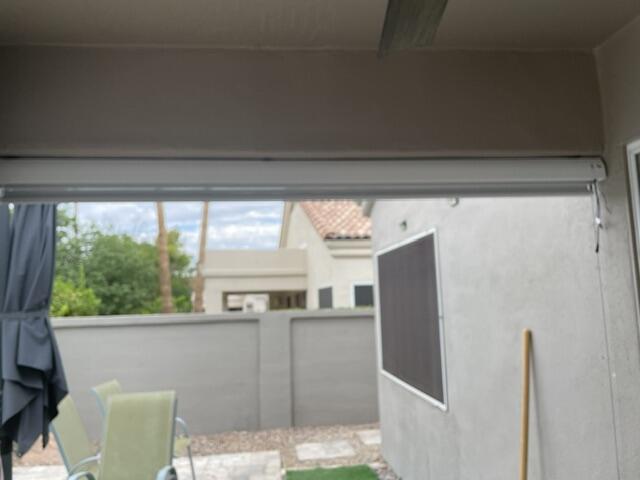
How to Hang Blackout Outdoor Shades Without Creating a Wind Sail
I remember the first time I tried to host a 4 PM happy hour on my west-facing deck. I'd spent a fortune on the teak furniture and those outdoor-safe pillows, but within twenty minutes, my guests were squinting and shielding their eyes with cocktail napkins. That's the moment I realized a standard umbrella is just a band-aid for a much bigger light problem.
Installing blackout outdoor shades isn't just about darkness; it's about reclaiming your outdoor living room from the brutal glare that turns a patio into an oven. It’s the difference between a space you use twice a year and a space that feels like a true extension of your home.
- Choose 100% opaque PVC-coated polyester for total light blockage.
- Always install side cable guides or zip tracks to prevent wind damage.
- Mount the cassette behind a beam or fascia to hide the industrial hardware.
- Layer with soft outdoor sheers to break up the 'bunker' aesthetic.
Why 1% Solar Blinds Won't Save Your West-Facing Patio
Most people start their search looking for solar shades. They see that '1% openness' rating and think it sounds restrictive enough to block the sun. It isn't. On a west-facing patio in July, 1% openness still means 1% of that piercing, blinding UV light is hitting your retinas. It’s the difference between wearing a mesh shirt and a leather jacket.
To truly drop the temperature and kill the glare, you need outdoor blackout blinds. These aren't just tightly woven; they are typically a solid substrate that allows zero light transmission. When you compare these rugged exterior systems to standard indoor Roller Shades, the first thing you'll notice is the sheer heft of the hardware and the density of the fabric.
The Fabric Weight Rule for Exterior Treatments
If the fabric feels like a shower curtain liner, leave it in the box. Thin vinyl is the enemy of good design. It wrinkles, it yellows in the sun, and it makes a frantic 'thwack-thwack' sound the second a breeze picks up. I look for heavy-duty, PVC-coated polyester blends—usually around 500 to 600 gsm.
These blackout patio shades should hang with a certain architectural gravity. You want a material that looks more like a high-end boat cover or a heavy canvas awning. When the shade is down, it should look like a solid wall, not a piece of plastic wrap. This weight doesn't just look better; it stays put when the wind tries to play architect with your deck.
Stopping the Flap: Cable Guides and Zip Tracks
The biggest mistake I see is people hanging a 10-foot wide shade and leaving the bottom bar dangling. Even a 5 mph breeze will turn that blackout outdoor roller shade into a massive wind sail, putting immense pressure on your mounting brackets. I’ve seen brackets ripped clean out of cedar beams because of a sudden gust.
You have two real choices: stainless steel cable guides or zip tracks. Cable guides are the minimalist's dream—two thin wires that run vertically to keep the bottom bar from swinging. However, if you want zero light bleed at the edges, you need a zip track. If you've ever wondered Why Your Blackout Roller Shades Inside Mount Arent Pitch Black, you already know about light gaps; outdoors, those gaps also mean wind can get behind the fabric and turn your shade into a parachute. A zip track locks the fabric into a side channel, making it virtually wind-proof.
Mounting the Cassette So It Doesn't Look Like a Garage Door
Exterior shades come with bulky cassettes. There is no way around it—the motor and the heavy fabric need a home. If you just screw that big metal box to the face of your house, it’s going to look like a commercial loading dock. My trick is to tuck the cassette behind a pergola beam or even build a simple wood fascia board that matches the house trim.
I also highly recommend going motorized. Dragging a manual crank handle out every time the sun shifts is a chore you will eventually stop doing. For semi-enclosed spaces where you want a bit more texture, something like the Canisteo Motorized Zebra Shades 85 Blackout Breeze works beautifully, but for a raw exterior beam, you need a powder-coated aluminum housing that matches your trim perfectly.
Softening the 'Bunker' Look With Outdoor Drapery
A patio fully enclosed by flat, black shades can feel a little sterile. It’s functional, but it lacks soul. To fix this, I always layer. I’ll install the functional blackout shades for the heavy lifting, then hang decorative outdoor curtains at the corners. It’s the same design principle I use indoors.
I've written before about how I Hid Blackout Roller Shades Motorized Behind My Sheer Linen Drapes inside my house, and the logic is identical for the patio. The flowing fabric of the curtains adds movement and romance, while the shades behind them do the actual work of blocking the 5 PM sun. It turns a bunker into a sanctuary.
My Biggest Outdoor Shade Regret
I once tried to save a few hundred dollars by skipping the cable guides on an 8-foot shade. I thought my patio was semi-enclosed and protected. One afternoon thunderstorm later, the shade was wrapped around my gutter and the bottom bar had dented my siding. I spent the next weekend redrilling holes and installing the guides I should have bought in the first place. Don't be me. Secure your shades.
FAQ
Can outdoor blackout shades handle rain?
Yes, if they are made of PVC-coated polyester. They are designed to be hosed off. Just make sure they are fully dry before you roll them back up into the cassette to avoid mildew issues.
Are these shades effective for privacy?
Absolutely. Because they are 100% opaque, they provide total privacy even at night when your patio lights are on. No one is seeing through these materials.
Do they block heat as well as light?
They are significantly better at heat blocking than solar shades. By stopping the sun before it hits your windows or patio floor, you can drop the ambient temperature of the space by 10 to 15 degrees easily.