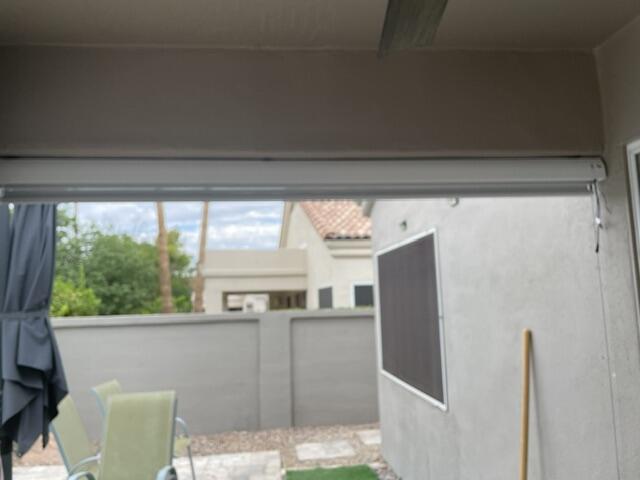
Fading Rugs? Exactly How to Shade Window Glass Without Losing the View
I remember the first time I realized my South-facing windows were a liability. I pulled back a corner of my favorite wool rug to vacuum and found a bright, saturated rectangle of navy blue surrounded by a sea of sun-bleached, dusty teal. It felt like a punch to the gut. Learning how to shade window glass isn't just about decor; it's about saving your investments from a slow-motion sunburn.
Quick Takeaways
- Solar shades with a 3% to 5% openness factor offer the best balance of UV protection and visibility.
- Avoid 'light halos' by opting for an outside mount that overlaps the window frame by at least 2 inches.
- Western-facing rooms need heavy-duty glare reduction to stay usable in the late afternoon.
- Layering a functional shade with a 2.5x fullness linen drape creates a high-end, finished look.
The Panic of the Sun-Bleached Sofa
There is a specific kind of heartbreak that happens when you realize the afternoon light you love is actually eating your furniture. UV rays are relentless. They don't just fade the color out of your velvet sofa; they actually break down the fibers, making them brittle and prone to tearing. I’ve seen $5,000 aniline leather chairs turn from a rich cognac to a sickly pale yellow in under two years.
Hardwood floors aren't safe either. That beautiful white oak you spent a fortune on? It will yellow or 'amber' significantly if it’s constantly baked under unshaded glass. Protecting your home isn't about living in a bunker; it's about controlled filtration. You want to bounce those harsh rays back outside before they hit your floorboards.
Filtering vs. Blocking: Getting the Opacity Right
Most people default to blackout curtains when the sun gets too hot, but that's a mistake for common areas. Unless you’re a vampire, you don't want your living room pitch black at 2 PM. You need to distinguish between light-blocking (blackout) and light-filtering materials. Light filtering allows a soft glow to permeate the room, similar to the light in a professional photo studio.
For rooms that serve multiple purposes, I often suggest Day Night Shades. They allow you to toggle between a sheer, glare-reducing layer during the day and a solid privacy layer at night. It’s the most efficient way to keep the room feeling airy without sacrificing your upholstery to the sun gods. If you go with a single layer, look for a high-quality weave that doesn't look like plastic.
The Openness Factor: Figuring Out How to Shade Window Panes
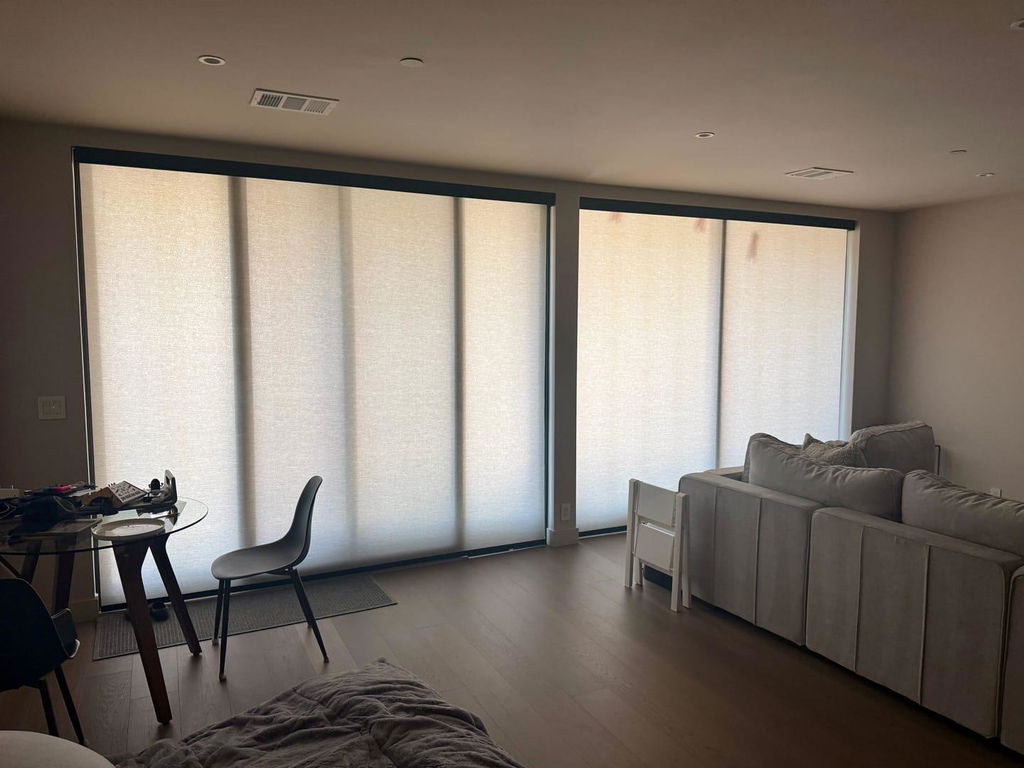
When you start shopping for solar screens, you’ll see 'openness factors' like 1%, 3%, 5%, or 10%. This is the percentage of the fabric that is actually open space. A 1% screen is a tight weave—it blocks 99% of UV rays but makes the outside world look a bit blurry. A 10% screen is very clear, but it lets in more heat and harmful light.
I find that 5% is the sweet spot for most living rooms. It’s enough to stop the squinting but clear enough that you can still see the trees in your backyard. You can explore different densities at All Your Shade Solutions to see which weave works for your specific exposure. Remember, darker fabric colors actually provide better view-through because they absorb light rather than reflecting it back into your eyes.
Dealing with the Glare: How to Shade Windows from Sun
Western exposure is the ultimate boss fight of interior design. Between 4 PM and 7 PM, the sun sits low and hits your TV or computer screen at the perfect angle to make work impossible. If you're struggling with how to shade windows from sun during these peak hours, you need a solution that deploys quickly.
Sometimes you don't have time for a full custom order when a heatwave hits. In those cases, I’ve used temporary solutions like I Needed Privacy Fast: How to Install Tear-to Fit Roller Shade Blinds to bridge the gap. They provide immediate relief from that blinding glare and can be styled to look surprisingly permanent if you mount them carefully within the window casing.
Mounting Mistakes That Let the Light Leak In
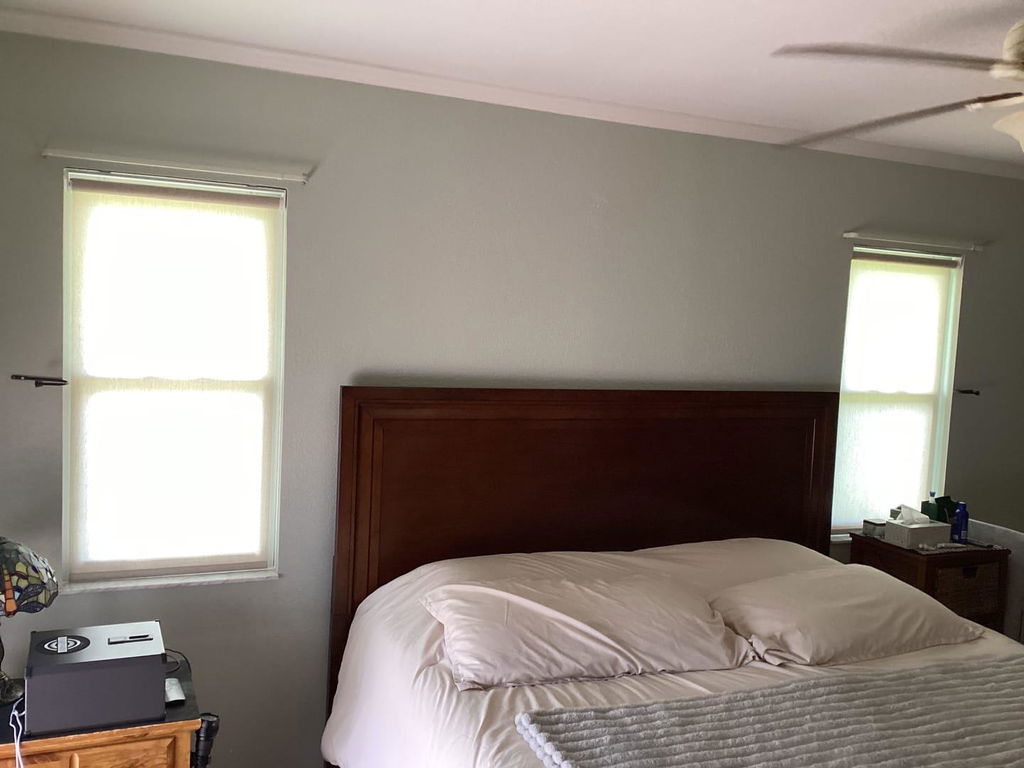
The best fabric in the world won't save your rug if you have massive light gaps. An inside mount looks clean, but it often leaves a 1/2-inch 'light halo' around the edges where the brackets sit. If your goal is maximum UV protection, an outside mount is the way to go. You want the shade to extend at least 2 to 3 inches past the window trim on all sides.
If you are DIY-ing this, don't wing it with the drill. Check out a guide like How To Install Your Shades to ensure your brackets are perfectly level. Even a slight tilt can cause the fabric to 'telescope' or roll unevenly, which eventually frays the edges of the shade. I once rushed a kitchen install and ended up with a shade that rubbed against the bracket every time I raised it—it was shredded within a month.
Layering Like a Pro: Softening the Hard Lines
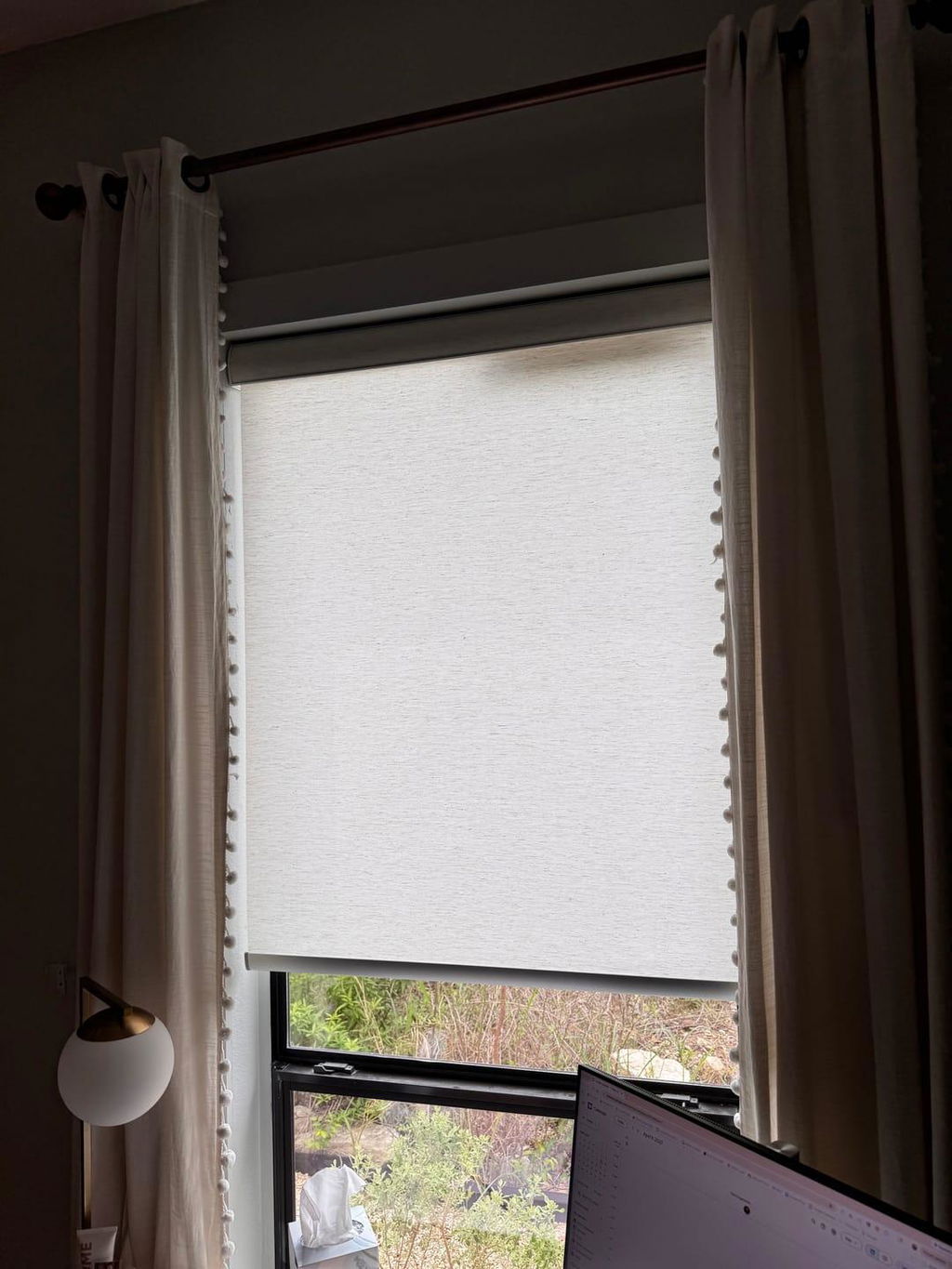
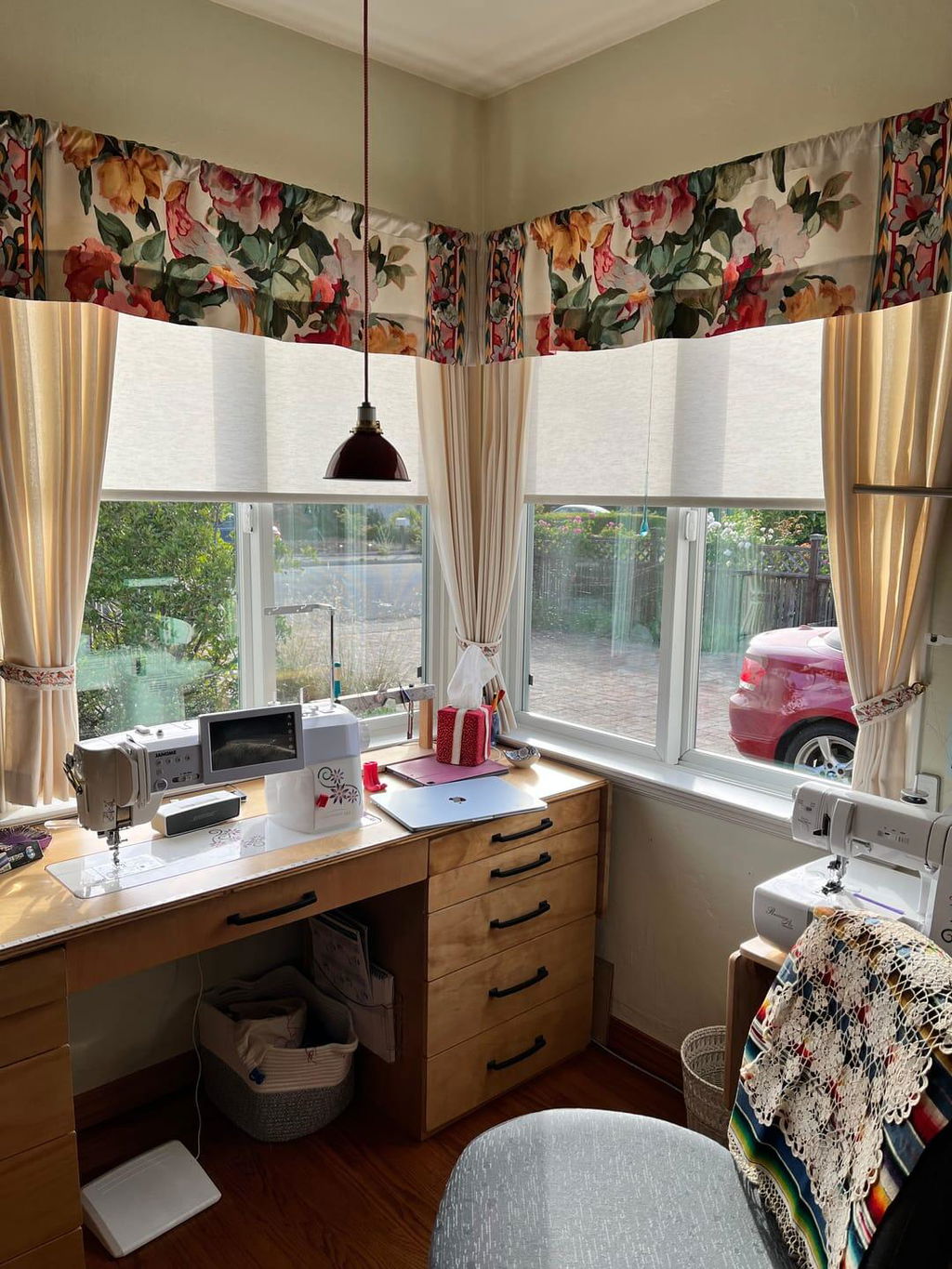
Solar shades are functional, but they can feel a bit clinical if left alone. To make a room feel like a home, I always layer. Use the solar shade as your 'workhorse' against the glass, then hang decorative drapery panels on a sturdy rod above. I like a matte black or antique brass rod set about 4 to 6 inches above the window frame.
For the drapes, aim for a 200-250 gsm linen blend. Unlined linen has a beautiful, organic texture that lets a little light through, which looks stunning when paired with a darker solar shade underneath. It creates depth and makes the window a focal point rather than just a hole in the wall. Just make sure your rod is wide enough so the drapes don't block the glass when they're open.
My Hard-Earned Lesson
I once spent a small fortune on custom 100% silk drapes for a West-facing bedroom. I thought they looked incredibly luxurious. Within one summer, the sun had literally rotted the fabric at the fold lines. I could poke my finger right through the silk. Now, I never hang high-end fabric without a solar shade or a heavy-duty UV lining behind it. It’s a lesson I paid $1,200 to learn, so you don't have to.
FAQ
Will solar shades provide privacy at night?
Not really. If it's dark outside and your lights are on inside, people will be able to see silhouettes and movement. For total nighttime privacy, you'll want to layer them with drapes or choose a dual-shade system.
Can I clean solar shades myself?
Yes. Most are made of a polyester and PVC blend. You can usually just wipe them down with a damp cloth and a mild soap. Unlike linen, they don't shrink or wrinkle, which makes them great for kitchens.
Do solar shades help with electricity bills?
Absolutely. By reflecting heat back outside before it enters the room, they can significantly reduce the load on your AC. In my experience, they can drop the temperature of a sun-drenched room by 5 to 10 degrees.