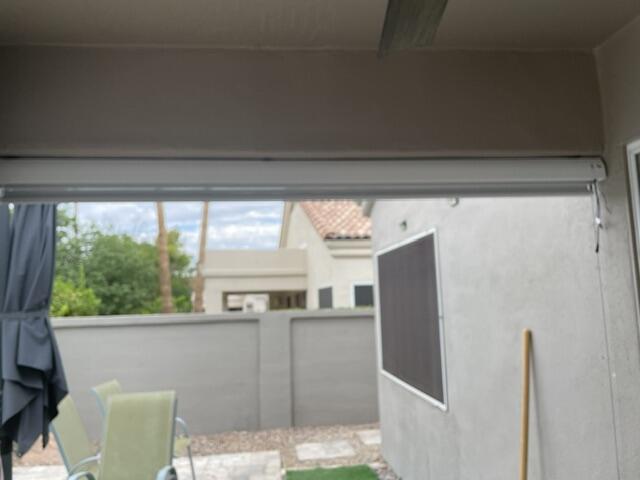
Does a Sheer Outdoor Roller Shade Actually Block the Afternoon Sun?
I remember the first time I sat on my west-facing deck at 4:30 PM in mid-July. I had a chilled glass of Sauvignon Blanc and a new book, but within ten minutes, the glare bouncing off my glass-topped table was blinding, and the temperature had spiked ten degrees. My first instinct was to buy the thickest, heaviest canvas drapes I could find, but the thought of turning my breezy, garden-facing porch into a dark, airless bunker felt like a design crime. I wanted the breeze; I wanted the view of my hydrangeas; I just didn't want the third-degree burns. That is when I started looking into the sheer outdoor roller shade as a middle-ground solution.
- Sheer shades use solar mesh to block heat without killing the view.
- The 'openness factor' determines how much light and air pass through.
- 5% openness is the industry sweet spot for glare reduction.
- UV-blocking fabrics protect expensive patio rugs and teak furniture from fading.
- Proper tensioning is key to preventing the 'sails in the wind' effect.
The Classic Patio Dilemma: View vs. Comfort
We’ve all been there. You spend thousands on a beautiful outdoor living space, only to realize it is unusable for four hours every afternoon. The sun hits that specific angle where it bypasses the roofline, and suddenly you are squinting at your guests. Most people panic-buy heavy vinyl blinds that look like they belong on a loading dock. While those block the sun, they also block every ounce of airflow, turning your porch into a literal oven.
The trick to avoiding that 'closed garage' feeling is choosing a material that breathes. But before you even look at fabric swatches, you have to nail the coverage. I learned the hard way that a shade that is even two inches too narrow creates a 'laser beam' of light that hits you right in the eye. When you are sizing up to a 9 foot outdoor roller shade, you need to account for the mounting brackets to ensure the actual fabric width covers the entire opening. Otherwise, that annoying light gap will haunt your golden hour.
What Exactly Is a Sheer Outdoor Roller Shade?
Do not confuse these with the delicate linen or voile you use in your bedroom. An outdoor sheer is a high-performance beast. Most are crafted from a heavy-duty weave of PVC-coated polyester or high-density polyethylene (HDPE). These materials are designed to sit in the rain, bake in 100-degree heat, and resist the mold that usually claims organic fibers within a single season.
The 'sheer' quality comes from the way these synthetic fibers are woven. Instead of a solid sheet of plastic, it is a mesh. Up close, it looks like a sophisticated screen door; from five feet away, it looks like a high-end textile. It’s this micro-perforation that allows the breeze to move through the fabric so your shade doesn't turn into a sail and rip the brackets out of your header beam during a summer thunderstorm.
Do They Actually Work Against Harsh Glare?
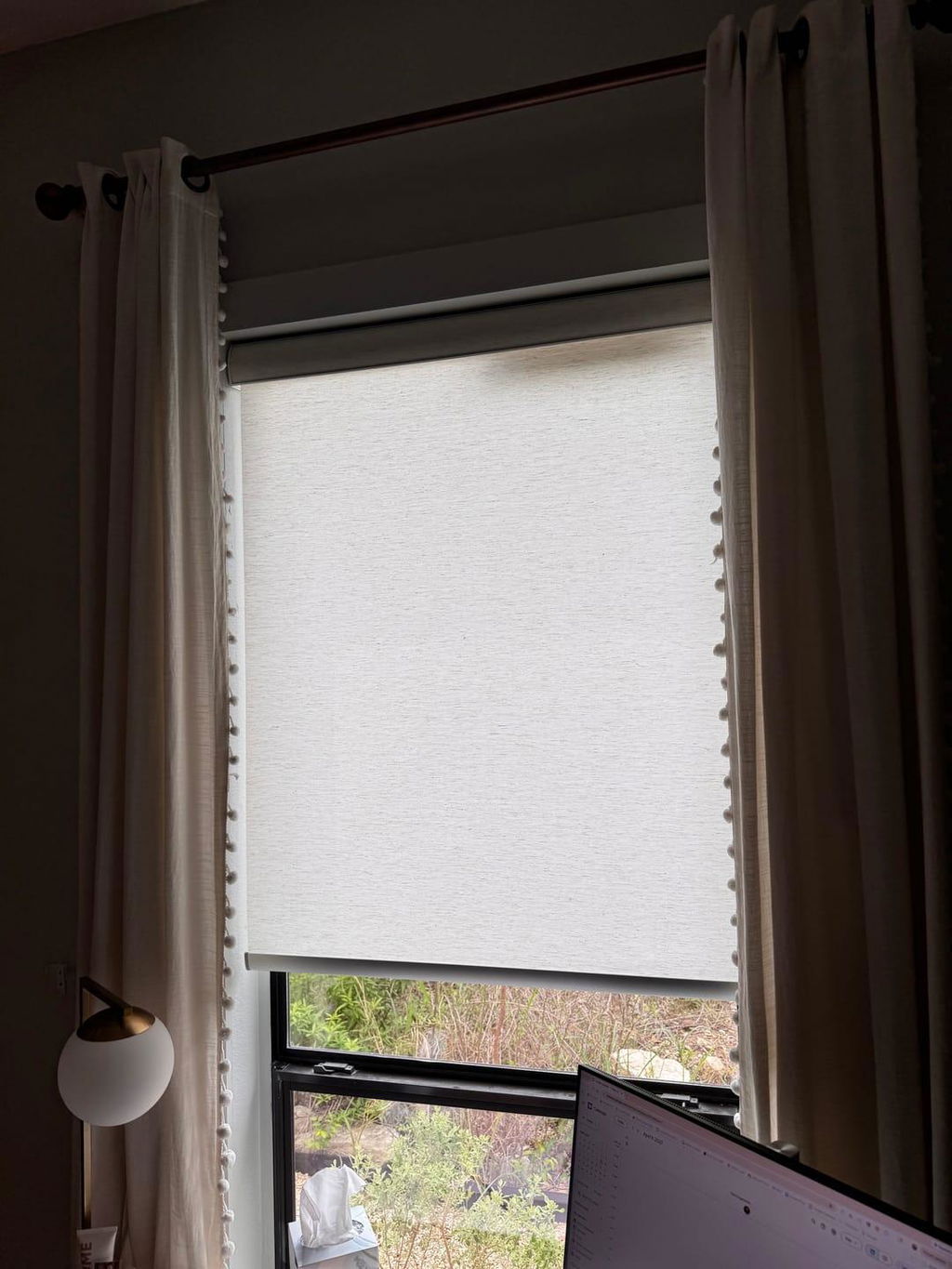
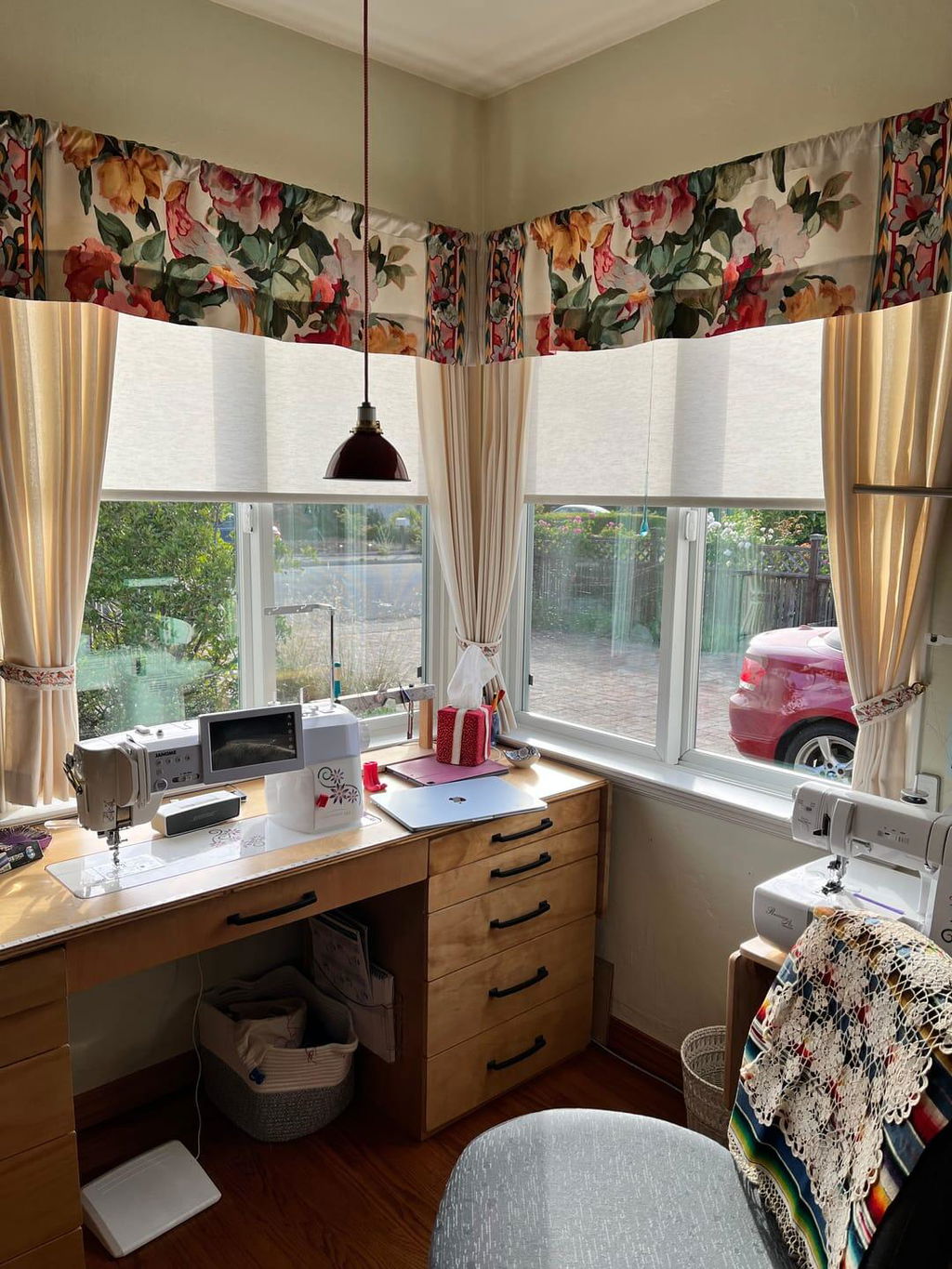
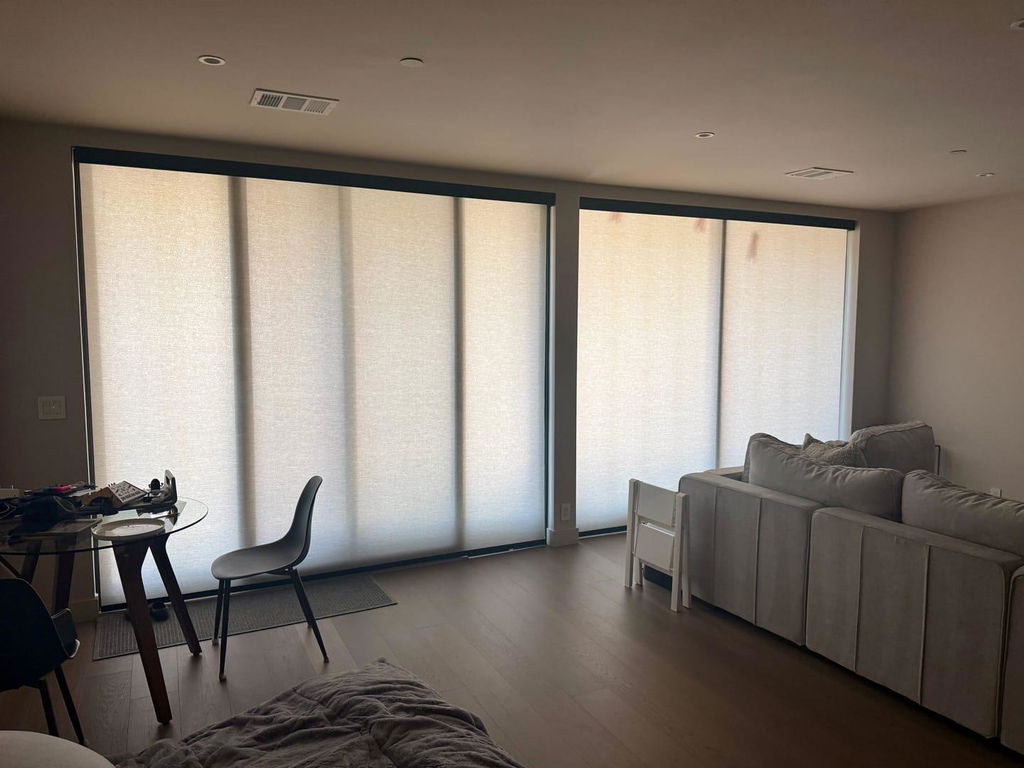
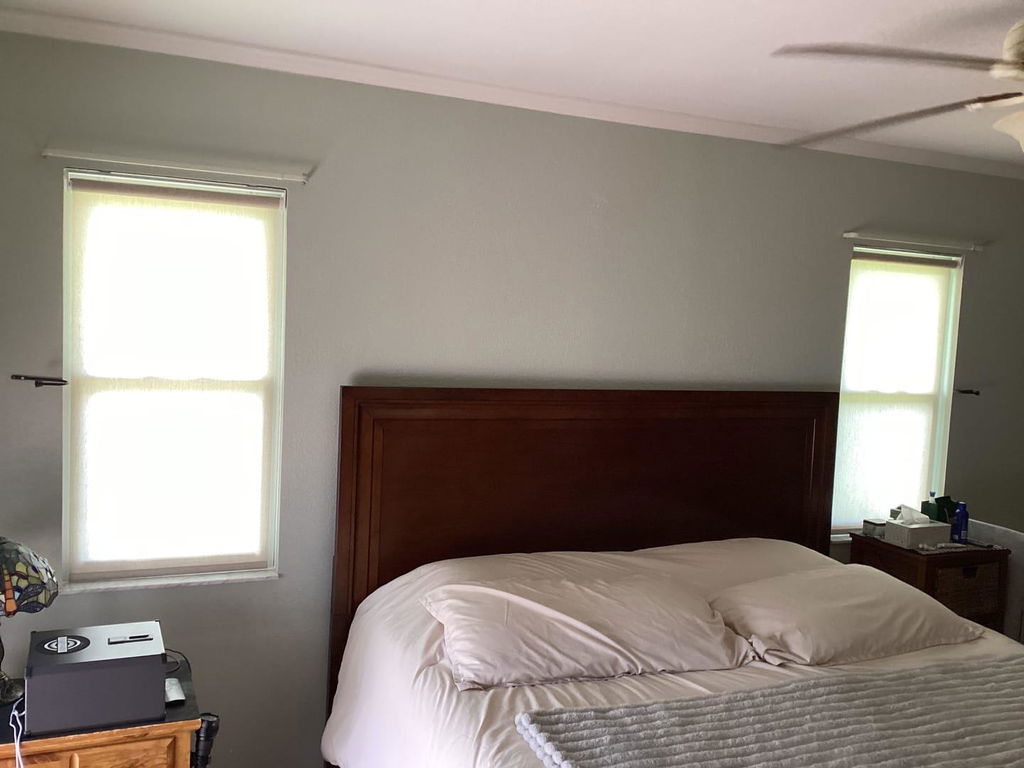
It feels counterintuitive. How can something you can see through actually stop the heat? It comes down to the physics of solar mesh. The best sun blocking outdoor shades work by absorbing and reflecting a massive percentage of solar radiation before it ever hits your skin or your windows. You can actually feel the temperature drop the second you pull them down.
I’ve stood on a porch in Scottsdale where the ambient temperature was 105 degrees. With a high-quality solar shade deployed, the 'felt' temperature in the shade was nearly 15 degrees cooler. You aren't just blocking the light; you are stopping the infrared heat. You still see the silhouette of your trees and the glow of the sunset, but the 'sting' of the sun is gone. It’s like wearing a pair of really expensive sunglasses for your entire house.
The Openness Factor Explained
When you start shopping, you’ll see percentages like 1%, 3%, 5%, and 10%. This is the 'openness factor,' which refers to how much of the weave is actually holes. A 1% weave is very tight; it blocks 99% of UV rays but makes the view look a bit blurry. A 10% weave feels very open and breezy but won't do much for that blinding 5 PM glare.
In my experience, outdoor shades with a 5% openness are the perfect compromise. At 5%, you still have a crisp enough view to see the kids playing in the pool, but you’ve cut enough of the glare to read an iPad screen without turning the brightness to 100%. If you live in a high-altitude area with brutal, thin air, you might want to drop down to 3%, but for most of us, 5% is the magic number.
Why I Prefer Sheer Over Opaque on a Covered Porch
There is an emotional component to design that often gets ignored. We go outside because we want to feel connected to the world. If I wanted to sit in a dark room, I’d stay in the den. The way a sheer shade diffuses light reminds me of how interior sheer shades behave in a high-end hotel suite. It softens the edges of the world.
When the sun hits a sheer mesh, it creates this beautiful, architectural glow. Instead of a hard line of shadow, you get a soft, filtered light that makes everyone’s skin look better. It maintains the 'indoor-outdoor' flow that is the whole point of modern porch design. You get the privacy of a screen without the claustrophobia of a solid wall.
Finding the Right UV Blocking Outdoor Shades for Your Space
Beyond your own comfort, think about your furniture. I once bought a gorgeous navy blue outdoor rug that turned a depressing shade of dusty lavender within three months because I didn't have uv blocking outdoor shades. The sun is a slow-motion bleach. A good solar shade acts as a sunscreen for your investment pieces, blocking up to 95% of those fading rays.
Don't just look at the specs; look at the outdoor shades texture. Some cheap versions have a shiny, plastic-wrap sheen that looks terrible under porch lights. Look for a matte, twill-inspired weave. It gives the shade a fabric-like appearance that mimics high-end upholstery. I always tell people to hold a sample up to the light—if it looks like a trash bag, keep moving. You want something that feels like a technical textile.
The Final Verdict on Sheer Patio Shades
You do not have to choose between roasting and living in a cave. I’ve seen so many homeowners give up on their patios because they thought the only solution was a heavy, motorized vinyl system that cost five figures. The semi sheer outdoor roller shade fix is often the more elegant, breathable, and affordable route.
My one honest warning? Watch your tension. I once left my shades down during a surprise microburst, and because I hadn't secured the bottom bungees properly, the hem bar beat a rhythm against my siding that kept me up all night. Secure your shades, choose a 5% weave, and buy the matte finish. You’ll actually start using your porch again.
FAQ
Can people see through my sheer shades at night?
Yes. Solar shades work on light balance. During the day, it is brighter outside, so you can see out but people can't see in. At night, if you have your porch lights on, the effect reverses. If you need 100% nighttime privacy, you'll need a dual-shade system or an opaque fabric.
Will these shades protect my porch from rain?
They will stop a light mist and keep your furniture from getting soaked in a vertical downpour, but because they are mesh, some moisture will eventually mist through during a heavy storm. They are sun shades first, rain shields second.
How do I clean them?
Forget the dry cleaners. Because they are usually PVC-coated, you can just hose them down with a mild soap solution. I usually do mine twice a year—once in the spring and once before I button things up for winter. Just make sure they are completely dry before you roll them back up to avoid any trapped moisture issues.