Do Window Sun Shades Actually Stop TV Glare During the Day?
I remember sitting on my velvet sofa last July, trying to watch a prestige drama, and seeing nothing but a giant white rectangle of sun reflected on the screen. It is the classic bright-room curse: you pay for the floor-to-ceiling windows, but you can’t actually see your laptop or TV for half the day. I almost bought heavy velvet curtains to kill the light entirely, but I didn’t want to live in a tomb. That is when I finally got serious about window sun shades.
- 3% to 5% openness is the sweet spot for stopping screen glare.
- Darker solar fabrics actually offer better visibility of the outdoors than light ones.
- Avoid blackout fabrics in living areas to prevent a 'cave' feeling.
- Layering is the best way to get daytime glare control and nighttime privacy.
The Glare vs. Cave Dilemma in Bright Rooms
Beautiful, large windows are a double-edged sword. When that 3 PM light hits, your living room becomes a lightbox, and your expensive 4K TV becomes a mirror. I have seen people panic and hang heavy, 300 gsm blackout drapes that stay closed all day. It solves the glare, sure, but you lose the very reason you bought the house in the first place.
A proper window sun cover acts as a filter, not a wall. It is about softening the light so you can see the screen without feeling like you are hiding from the world. You want something that cuts the intensity of the sun protector window while keeping the room feeling airy and alive.
Why 'Blackout' is the Wrong Answer for Your Living Room
Reaching for blackout fabric in a living space is a rookie move. Blackout is for sleeping; in a social space, it feels oppressive and heavy. A sun shield for windows should allow a gentle glow, not total darkness. You want to be able to find your coffee mug without turning on the overhead lights at noon.
If you are struggling with light leaking around the edges of a dedicated media room setup, you are better off installing side light blockers than turning the whole room into a cave. This keeps the light where it belongs—outside—without requiring you to live in a windowless box. Keep the heavy stuff for the bedroom and use a sun shield window treatment for the 'public' parts of the home.
The Magic of the 'Openness Factor' Explained
This is where people get tripped up. Openness factor is just the percentage of the weave that is 'holes.' A 1% shade is very tight; it blocks almost everything but looks like a solid wall of plastic. A 10% shade is basically a screen door—great for airflow, terrible for screen glare.
I usually steer my clients toward 3% or 5%. It is the 'Goldilocks' zone. If you go too tight, you are making that opacity mistake ruining your sun shades for window views, leaving you with a blurry grey mess instead of a view of your landscaping. At 5%, you can still see the silhouette of the trees, but the sun reflector window effect is strong enough to save your TV viewing experience.
Light Colors vs. Dark Colors (It is Not What You Think)
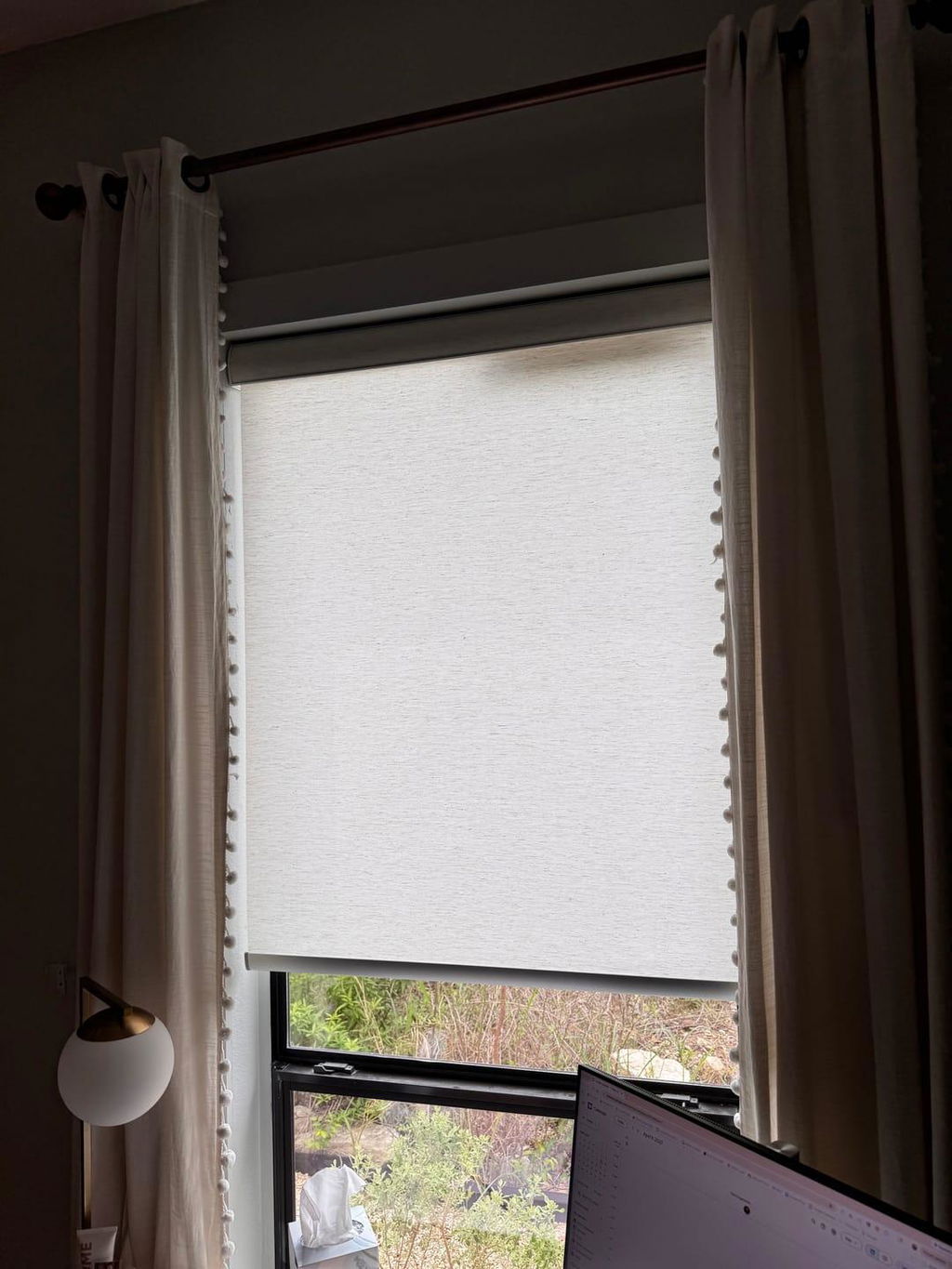
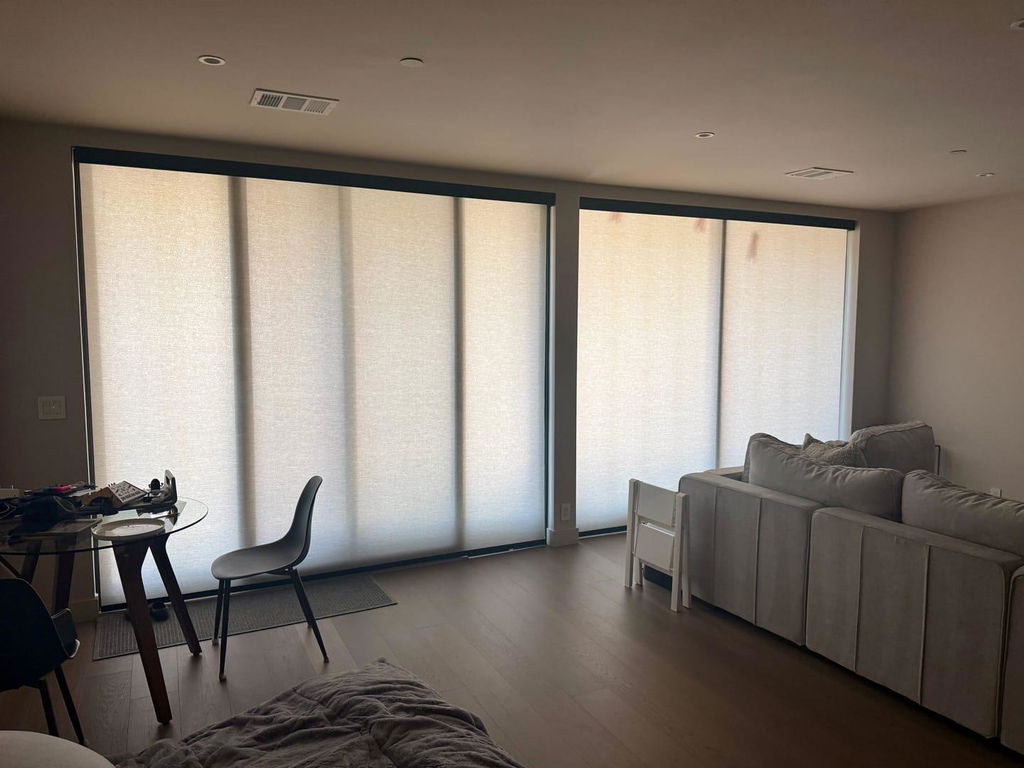
This is the most counterintuitive part of window styling. People think white window shade covers will feel 'airier.' In reality, a white sun shield window acts like a lamp shade—it catches the light and glows, making it much harder to see through. It creates a hazy, washed-out look that can actually be distracting.
A dark charcoal or black fabric actually absorbs the light. Your eyes focus past the dark threads to the view outside. If you are worried about a dark shade looking too industrial, you can make a sun shades window setup actually look like custom decor by choosing a high-end texture like a twill or a basketweave. It performs like a technical fabric but looks like a designer choice.
When to Layer for the Best of Both Worlds
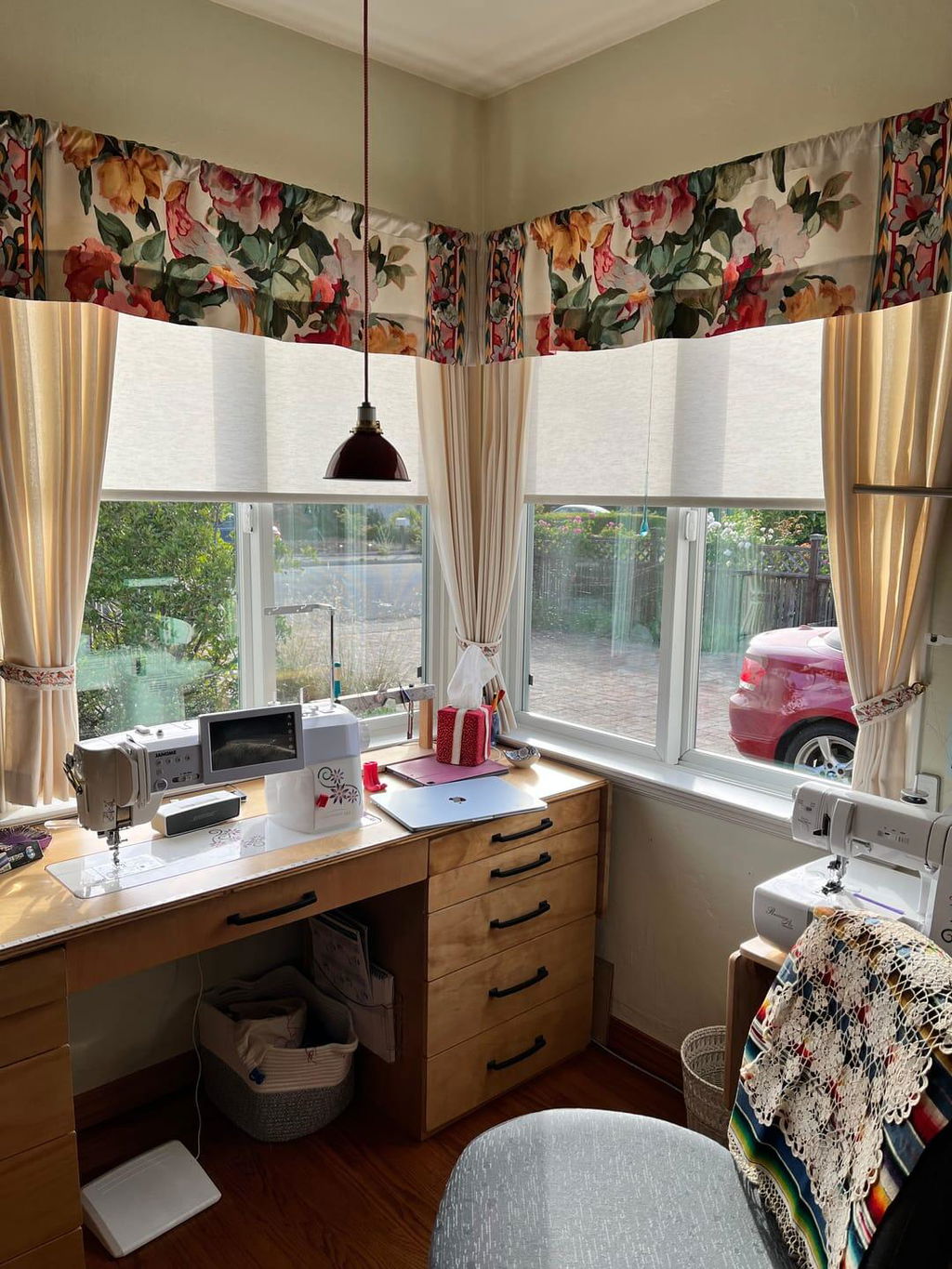
Solar fabrics are amazing, but they have one massive flaw: at night, the effect reverses. If your lights are on inside, people can see right in. I always recommend layering sun shades custom fit to the inside of your window frame with a set of decorative drapes on the outside. This gives you the 'hotel' look with ultimate control.
Or, if you want a cleaner look without the bulk of curtains, look into motorized dual roller shades. These systems house two separate rollers in one sleek cassette—one solar for the day glare and one privacy shade for the night. It is the ultimate flex for a modern living room.
A Quick Pre-Order Checklist for Screen-Heavy Rooms
Before you click 'buy' on those window sun reflector panels, do a glare test. Sit in your usual spot at the time of day when the sun is harshest—usually between 2 PM and 5 PM. Note exactly where the light hits your screen. Is it coming from the top of the window or the sides? This tells you if you need an inside mount or an outside mount to overlap the trim and prevent those annoying light gaps.
My Honest Take
I once installed a 1% charcoal shade in my south-facing home office. I thought I was being smart by blocking maximum heat. Two weeks later, I tore it down. It felt like I was working inside a shipping container. I swapped it for a 5% weave in a bronze-tinted mesh, and suddenly I could see the squirrels in the oak tree again without having to squint at my spreadsheets. Don't over-block; you'll regret it.
FAQ
Do solar shades provide privacy at night?
No. If it is dark outside and your lights are on inside, you are on display. Always layer them with drapes or a secondary privacy shade if you have neighbors close by.
Will a sun protector window treatment stop my furniture from fading?
Yes, they block up to 99% of UV rays, which is the main culprit for ruined rugs and bleached wood floors. It is as much about preservation as it is about glare.
Are dark colors harder to clean?
Actually, they are easier. Darker solar fabrics hide dust and small imperfections much better than white or cream options, which tend to show every speck of debris.