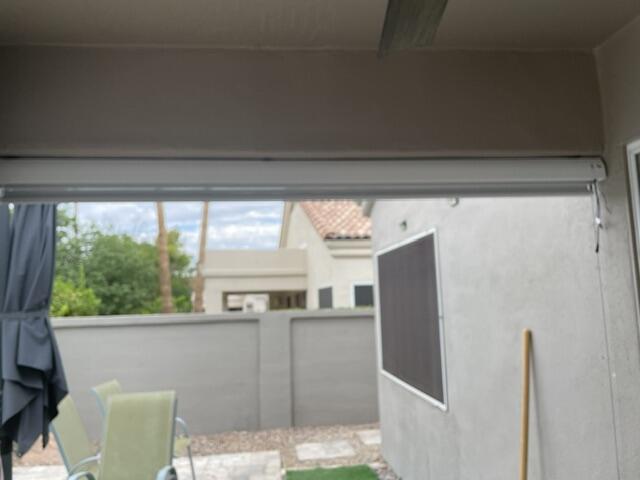
The Opacity Mistake Ruining Your Sun Shades for Window Views
I remember sitting in my first West-facing living room at 4 PM, literally wearing sunglasses inside because the glare bouncing off my coffee table was blinding. I rushed out and bought the thickest sun shades for window frames I could find, thinking more fabric meant more comfort. I was wrong. I ended up sitting in a gloomy, gray bunker while it was eighty degrees and gorgeous outside.
Choosing the right window treatments isn't just about blocking the sun; it is about filtering it so you can actually enjoy your home. If you have ever felt like you had to choose between a cool room and a view of your garden, you have likely fallen victim to the opacity trap. It is the most common mistake I see when homeowners try to install their own sun protectors for windows.
Quick Takeaways
- Openness factor determines how much you can see through the fabric.
- 5% openness is the 'Goldilocks' zone for most living areas.
- Continuous fabrics stop glare better than horizontal slats.
- Dual-roller systems provide the best of both worlds for day and night.
- Color-matching your hardware to your trim makes the shades disappear.
The Big Misconception About Sun Blocking Treatments
Most people approach sun shade windows with a 'scorched earth' policy. They assume that to stop the heat, they have to kill the light. This leads to the purchase of heavy sun covers for windows that make a room feel claustrophobic and artificially lit, even at high noon. You end up living under the hum of overhead LEDs instead of the soft, natural glow that makes a home feel alive.
The reality is that modern sun blinds are engineered to reflect heat-carrying infrared rays while letting visible light pass through. You don't need a blackout curtain to stop your sofa from fading or your AC from working overtime. When you choose the right sun protector for windows, you’re looking for a performance fabric, not just a thick piece of plastic. It is about heat rejection, not just light obstruction.
I have seen beautiful, airy rooms ruined by sun shade window treatments that were way too heavy for the space. The goal is to maintain that connection to the outdoors. You want to see the silhouette of the oak tree in your yard, not a solid wall of beige vinyl. Real interior sun shade design is about finding that balance where the glare is gone, but the soul of the room remains.
Decoding the 'Openness Factor' (1% vs. 5% vs. 10%)
When you start shopping for screen shades for windows, you will see a percentage listed. This is the 'openness factor.' It tells you how tightly the fabric is woven. A 1% weave is incredibly tight. It blocks 99% of UV rays, but it also blocks almost all of your view. From the inside, a 1% interior sun shade can look a bit like a projector screen—flat and opaque.
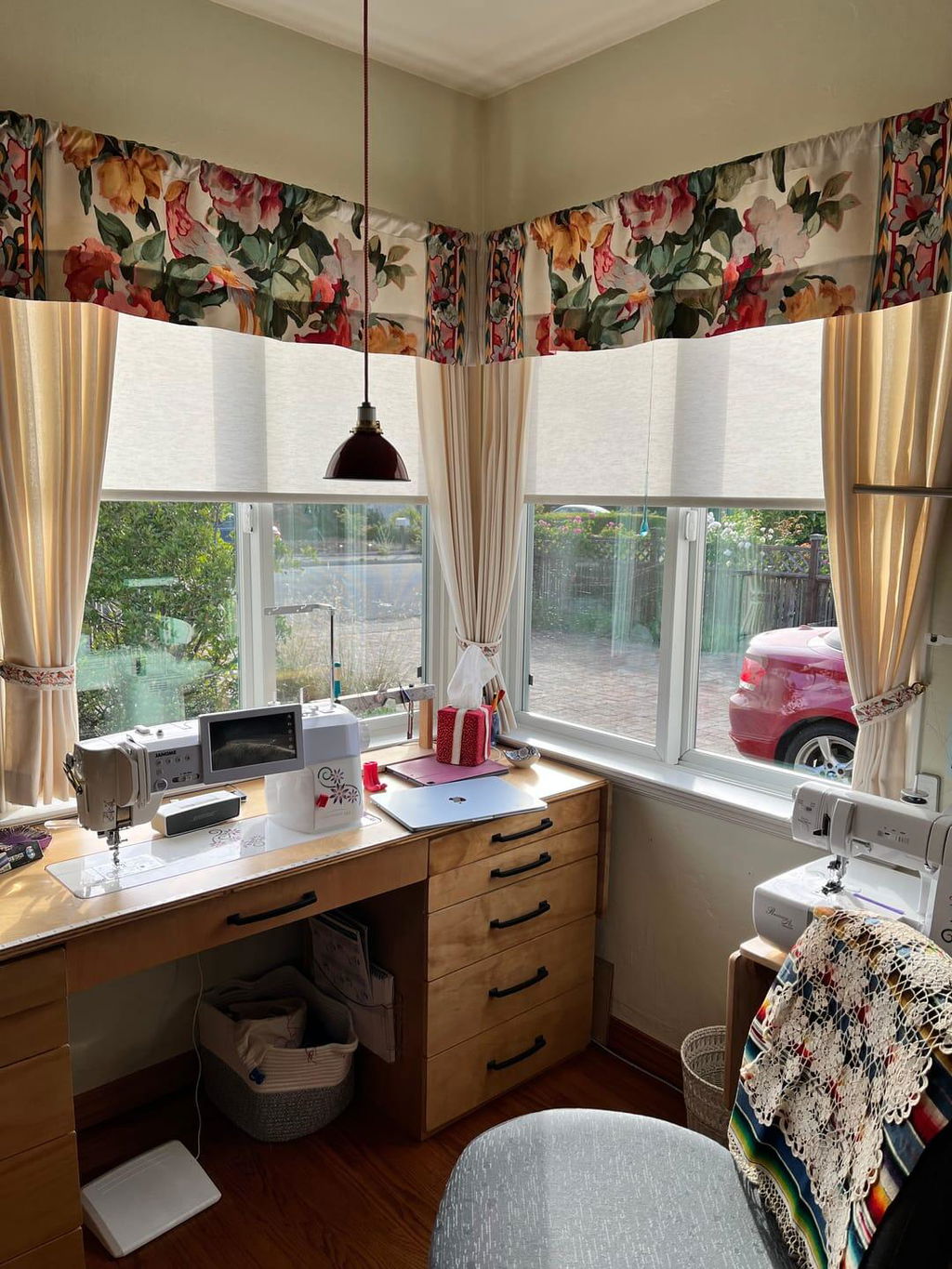
On the other end, a 10% openness factor is like looking through a very fine screen door. It is great if you have a stunning view you can't bear to lose, but it won't do much for that 3 PM glare on your television. In my experience, 5% is the sweet spot for most sun shade blinds for windows. It provides enough 'view-through' to keep you from feeling boxed in while cutting the glare enough to read a book comfortably.
If you are dealing with a brutal Southern exposure, you might drop down to 3%. Anything more than 10% and you are basically just hanging a decorative mesh that won't stop the heat gain. I always tell my clients to hold a sample up to the window at the brightest time of day. If you can't see the shape of the house across the street, the weave is too tight. If you’re still squinting, it’s too loose.
Slats vs. Fabric: Which Actually Stops the Glare?
I have a strong opinion here: for true glare control, continuous fabric wins every single time. Traditional sun blinds for windows with horizontal slats—whether they are wood or faux-wood—create what I call the 'zebra effect.' Even when tilted, light leaks through the gaps, creating distracting stripes of high-contrast light across your floors and screens.
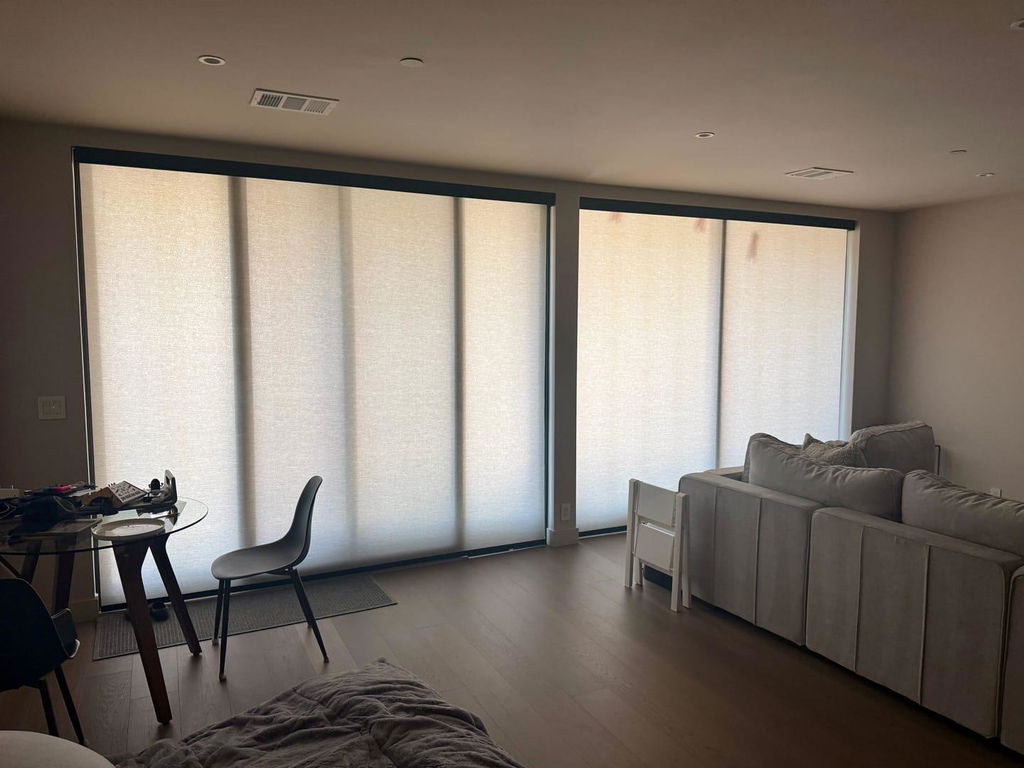
A continuous sunscreen window shade diffuses light evenly across the entire surface. Instead of harsh beams, you get a soft, museum-quality glow. This is especially vital in home offices or media rooms where a single stray beam of light can make a monitor unusable. When finding the best blind shade for window privacy, remember that slats also require constant dusting, whereas a vertical roller shade stays much cleaner over time.
Sunshade blinds made of woven solar fabric also have a much lower profile. When they are up, they disappear into a small roll at the top of the frame. Hard sun blind for window setups always have that bulky stack of slats at the top, which can cut off two or three inches of your window height even when 'open.' In a room with standard 8-foot ceilings, every inch of glass matters.
The Dual-Roller Trick for Day-to-Night Flexibility
The biggest 'gotcha' with solar sunshade window blinds is privacy. Because they are designed for you to see out, people can often see in at night when your lights are on. If you live on a busy street or have close neighbors, a single solar shade isn't going to cut it for your bedroom or bathroom. This is where the dual-roller system becomes a total lifesaver.
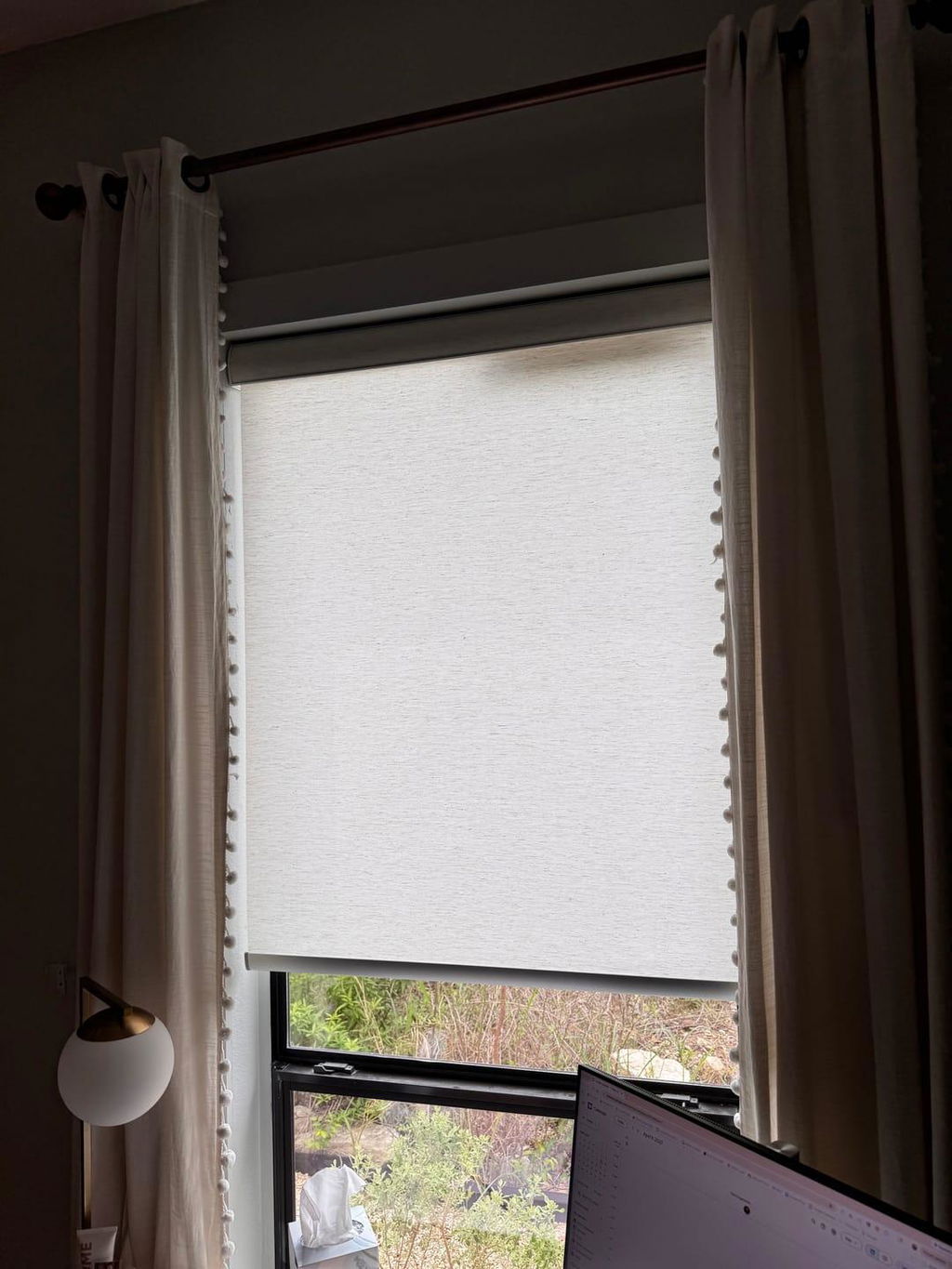
By using 2-in-1 shade designs, you can mount two different fabrics on a single bracket. You have your 5% solar weave for the daytime to handle the heat and glare, and a secondary blackout or privacy fabric that drops down once the sun sets. It is the ultimate functional luxury. I’ve installed custom double roller blinds in dozens of primary suites because people love the ability to wake up to filtered light but sleep in total darkness.
This setup also allows you to play with textures. You can have a very technical, silver-backed solar shade for heat reflection during the day, hidden behind a beautiful, textured linen-look blackout shade for the evening. It solves the 'office building' aesthetic problem by layering a softer, more residential fabric over the high-performance solar screen.
How to Make Your UV Treatments Look Expensive
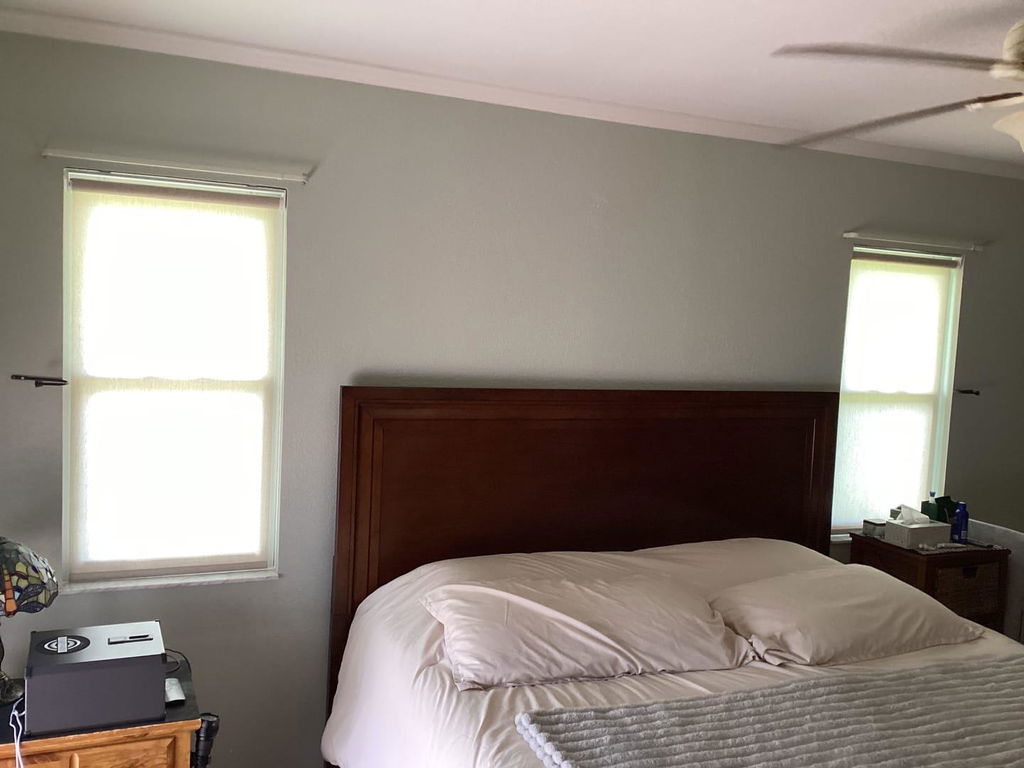
Nothing kills a room’s vibe faster than a sun blind for window frames that looks like it belongs in a dentist’s waiting room. To make these shades look like an intentional design choice, you have to sweat the hardware. Don't just settle for the standard white plastic brackets. Look for metal finishes or, better yet, a matching fascia or 'cassette' that hides the roll entirely.
I always recommend a 'reverse roll' for sunshade blinds. This is where the fabric rolls off the front of the tube rather than the back. It keeps the fabric closer to the room side of the window, hiding the roll itself and providing a much cleaner, more architectural look. If your window trim is white, match the hardware exactly. If you have dark bronze windows, go for a dark bronze headrail. You want the hardware to vanish.
Finally, consider the hem bar. A fabric-wrapped bottom rail looks significantly more high-end than a piece of exposed plastic. It gives the shade enough weight to hang perfectly straight without flapping in the breeze. When you invest in customized shade solutions, you aren't just paying for the fabric; you're paying for the precision that makes the treatment feel built-in rather than tacked on.
My Personal Lesson in Opacity
A few years ago, I installed 1% charcoal shades in my own kitchen. I thought the dark color would look 'moody' and the tight weave would keep the room cool. It was a disaster. Because the weave was so tight, I couldn't see my kids playing in the backyard, and the dark color actually absorbed heat, making the glass feel like an oven. I eventually swapped them for 5% shades in a light gray 'pebble' tone. The difference was night and day—I got my view back, the room felt five degrees cooler, and I stopped feeling like I was living in a basement.
Frequently Asked Questions
Can people see through solar shades at night?
Yes. If your lights are on inside and it is dark outside, solar shades offer very little privacy. Think of them as a 'one-way' mirror that follows the light. During the day, you see out. At night, neighbors see in. That is why I always suggest layering them with drapes or using a dual-roller system.
Do sun shades for window frames actually lower energy bills?
Absolutely. A high-quality solar shade can block up to 95% of solar heat gain. By stopping the heat before it enters the room, your AC doesn't have to work nearly as hard. In a sun-drenched room, you can feel the temperature drop the moment you lower the shades.
What color sun shade is best for glare?
Counter-intuitively, dark colors (like charcoal or bronze) are better for glare and view-through. The dark threads absorb light, which makes it easier for your eyes to focus on the view outside. Light colors (like white or cream) reflect more heat but can be harder to see through because they 'glow' when the sun hits them.