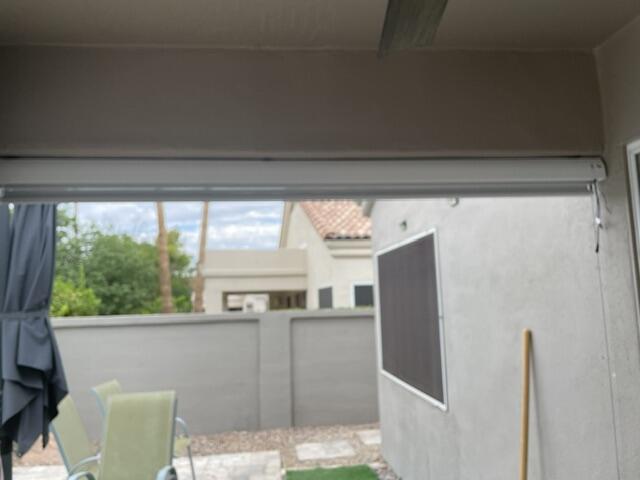
Do See Through Shades Actually Give You Real Daytime Privacy?
I remember the first afternoon in my current place. The light was pouring through the massive south-facing windows, hitting the white oak floors and making the whole room feel like a sanctuary. Then I realized I was making eye contact with a guy walking his Labradoodle on the sidewalk three floors down. The dream of 'open living' quickly turned into a fishbowl nightmare. I didn’t want to live in a cave behind heavy blackout curtains, but I also didn't want to be the neighborhood's free entertainment. That’s when I started my obsession with see through shades.
- Privacy is dictated by the direction of the light, not just the fabric.
- Openness factors (1% to 10%) determine how much of your view you actually keep.
- Standard solar shades provide zero privacy once the sun sets and your interior lights go on.
- Layering with drapes or using dual-roller systems is the only way to get 24/7 protection.
The Magic (and Danger) of Filtering the Light
There is a specific kind of heartbreak that happens when you realize your gorgeous view comes with a side of blinding glare. You want to see the way the wind moves through the trees in your backyard, but you don't want the sun bouncing off your TV screen so hard you have to squint to see Netflix. This is where see through window treatments enter the chat. They are designed to act like sunglasses for your house. They cut the UV rays and the heat, but they keep the landscape visible.
However, there is a psychological threshold we cross when we install see through window blinds. We feel like we are hidden because we can see out so clearly. It’s a bit like wearing a pair of aviators; you feel anonymous. But that feeling can be deceptive. Depending on the weave and the time of day, those shades you can see through might be offering you a lot less protection than you think. I’ve walked past plenty of modern homes at twilight where the owners were clearly enjoying their dinner, blissfully unaware that from the street, they looked like they were on a stage.
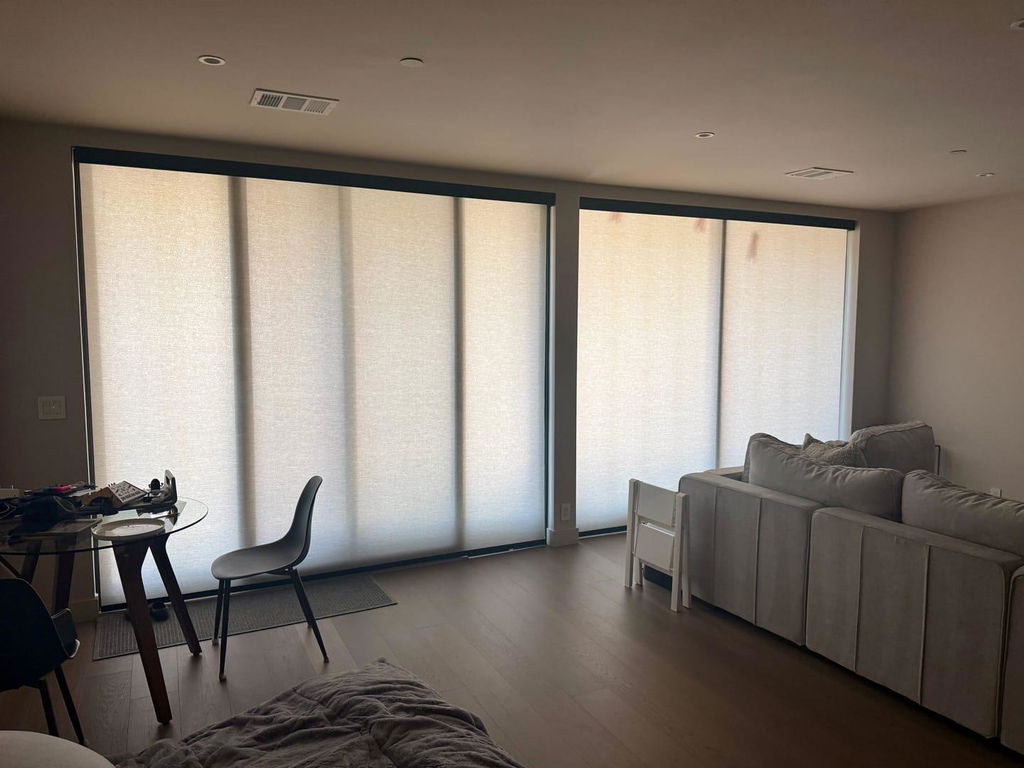
The goal is to find that sweet spot: a see through sun shade that protects your furniture from fading and your eyes from strain, without making you feel like you're living in a glass box. It’s about managing the 'visual weight' of the room. A heavy blind closes a room in, while translucent shades for windows make the walls feel like they’ve pushed outward, expanding your square footage visually even if the physical footprint hasn't changed an inch.
How Daytime Privacy Shades Actually Work
Let’s talk about the physics for a second, because this is where most people get tripped up. The golden rule of see through window coverings is simple: your eyes will always follow the light. During a bright afternoon, there is significantly more light hitting the outside of your window than there is inside your living room. Because of this, the mesh fabric reflects that exterior light, creating a 'shield' effect. You can see out into the bright world, but someone standing on the sidewalk just sees a neutral, slightly reflective surface.
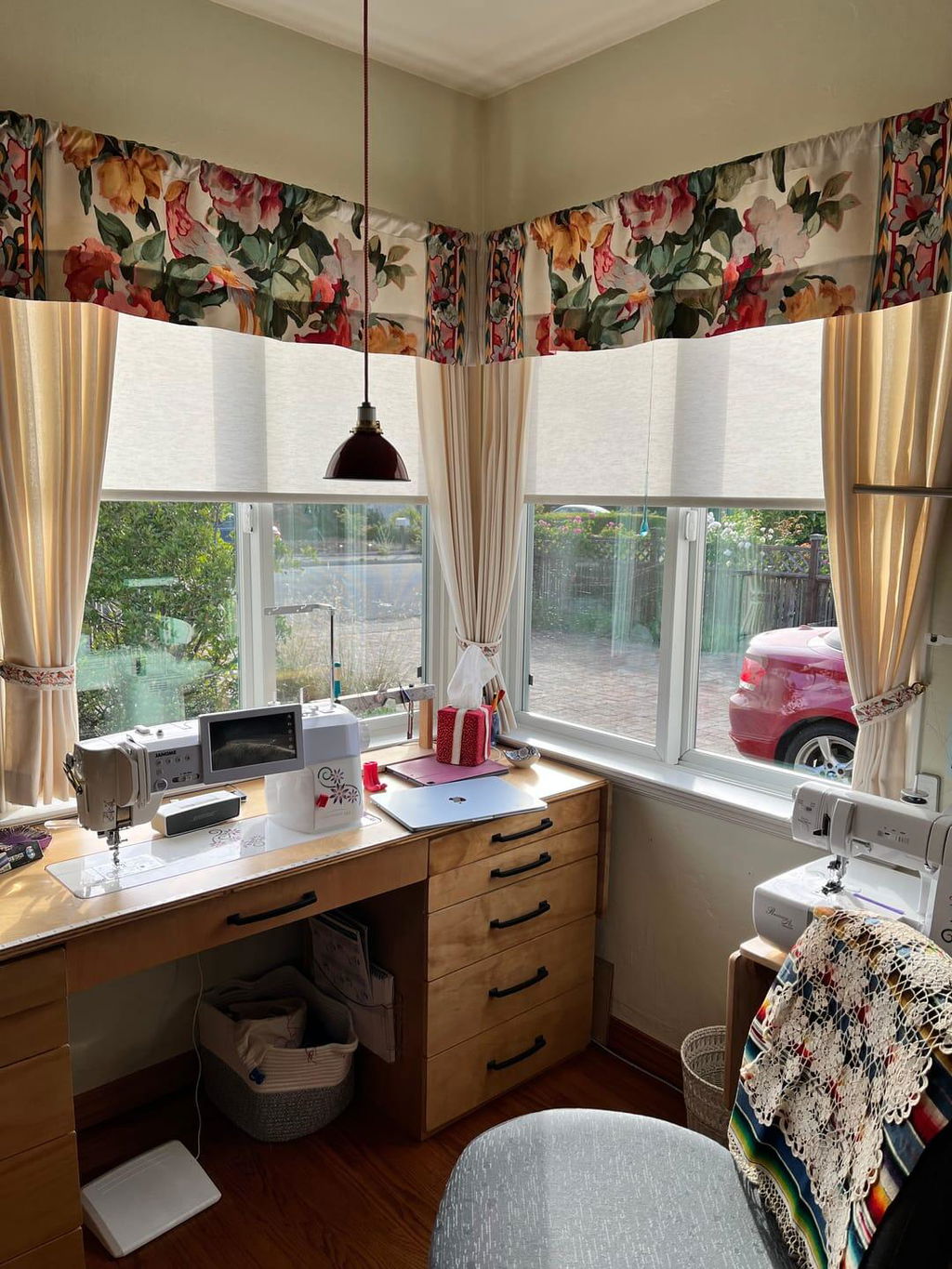
This is why daytime privacy shades are a total win for home offices or kitchens. You get to enjoy the gorgeous sheer shades aesthetic—that soft, diffused glow that makes everything look like it has a high-end filter on it—while knowing that the delivery driver can’t see you in your pajamas. The fabric acts as a one-way mirror, but only as long as the sun is the strongest light source in the equation.
I’ve tested dozens of these, and the clarity is honestly staggering. High-quality see through window blinds use a dark-colored yarn (black or charcoal) because dark colors actually absorb more light and allow for a clearer view than white or cream yarns. It sounds counterintuitive, but if you want the best view of your garden, go with a dark mesh. The lighter colors tend to 'glow' and create more of a hazy, foggy look, which is great for light-filtering but terrible for high-definition views.
The 1% vs. 5% Openness Rule
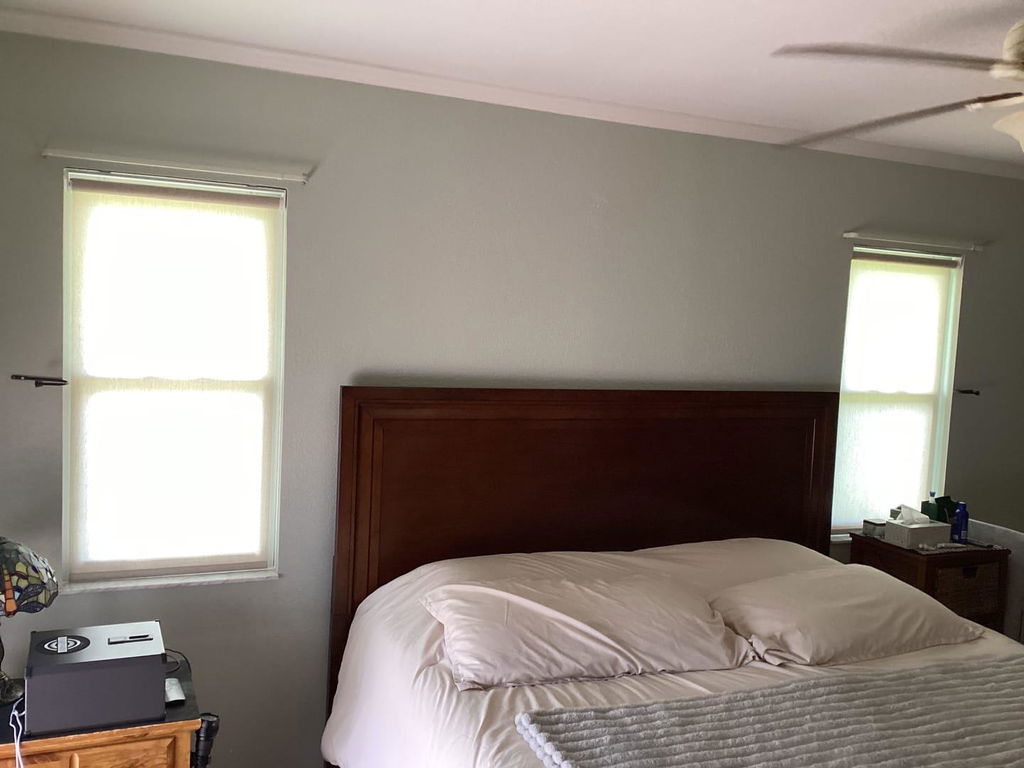
When you are shopping for a see through sun shade, you’ll see a percentage listed. This is the 'openness factor.' It literally means the percentage of the fabric that is made of holes. A 1% openness is a very tight weave. It’s great for south-facing windows where the sun is brutal. You’ll still see shapes and colors outside, but the details will be blurred. This is my go-to for bedrooms where you want a bit more 'visual density.'
A 5% or 10% openness is where you get those crisp, clear views. If you have a beautiful backyard or a city skyline you want to brag about, 5% is the industry standard. It blocks about 95% of UV rays—which is plenty to keep your rug from turning three shades lighter over the summer—but it feels much more open. Just remember: the higher the percentage, the more 'see through' it becomes for people looking in, too. If you go up to 10%, you are essentially hanging a screen door on your window. It looks cool, but your privacy margin is getting razor-thin.
What Happens When the Sun Goes Down?
Here is the part where I have to be the bearer of bad news. The second the sun dips below the horizon and you flick on your overhead lights or that trendy floor lamp, the physics flip. Now, the interior of your home is the brightest spot, and the street is dark. Those blinds that you can see through suddenly become a transparent veil for everyone outside. This is the dreaded 'reverse-privacy' effect.
I cannot stress this enough: see through shades for windows are not a standalone solution for rooms where you need nighttime privacy. If you are getting ready for bed in a room with only a 5% solar shade, please know that your neighbors can see everything at night. It’s not just silhouettes; if the lights are bright enough, they can see the titles on your bookshelf. It is the most common mistake I see in modern interior design—people fall in love with the daytime vibe and forget that they live in a world with 14 hours of darkness in the winter.
Translucent shades for windows are gorgeous, but they are daytime players. If you try to use them as your only window treatment in a ground-floor bathroom or a bedroom, you’re going to have a very awkward encounter with the mailman eventually. You need a plan for when the sun goes down, and that plan almost always involves layering.
Layering is Your Secret Weapon
If you want the view during the day but don't want to be a local exhibit at night, you need a two-layered approach. The most sophisticated way to do this is with motorized dual roller shades. This setup uses a double bracket that holds two separate rolls of fabric. One is your see through shade for the daytime, and the other is a total blackout or privacy fabric for the night. With a remote or a phone app, you can swap them out in seconds. It’s clean, it’s modern, and it doesn't involve bulky curtains.
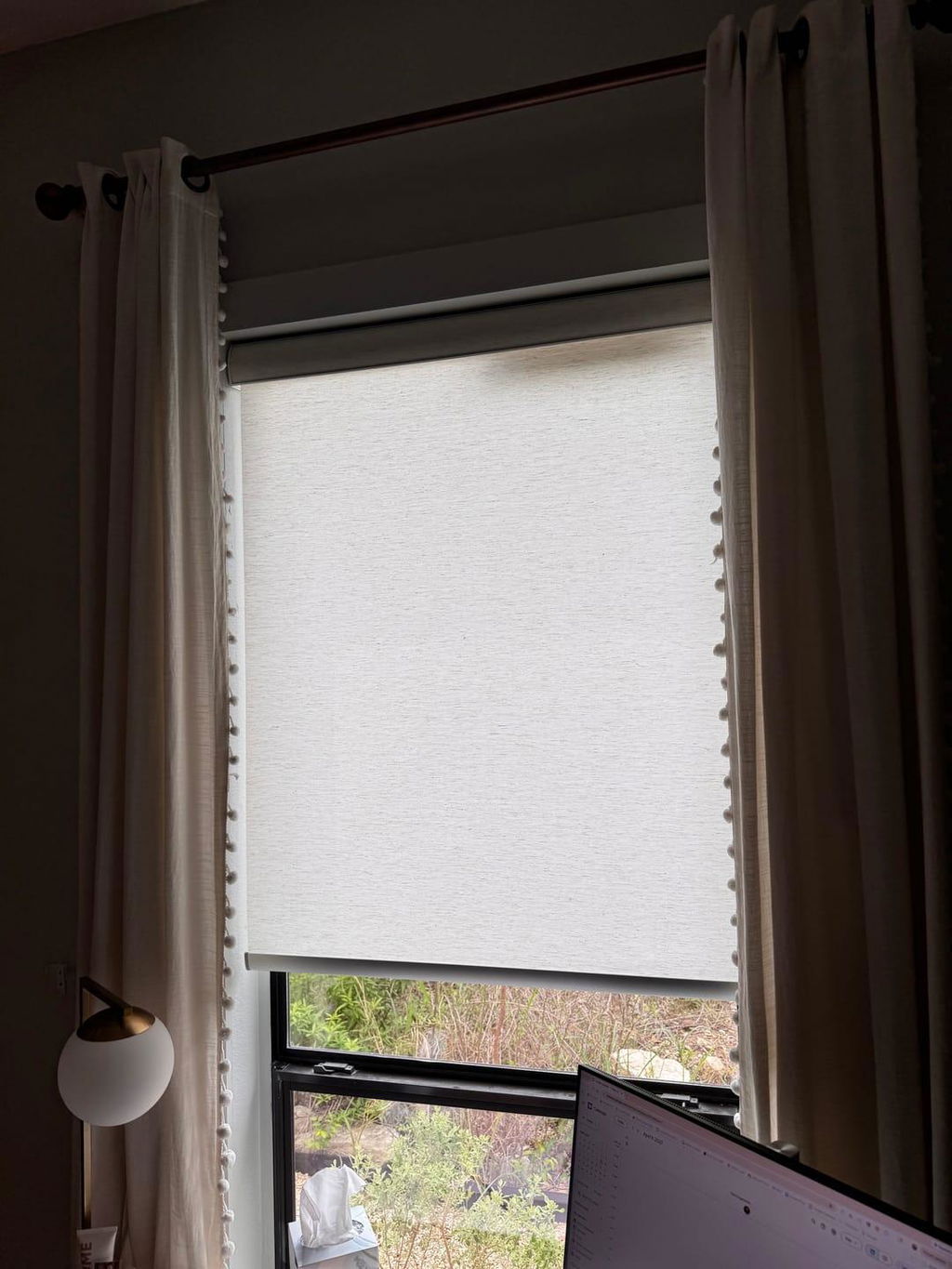
If you prefer a softer, more traditional look, I love pairing a 3% solar shade with heavy linen drapes. I usually spec a 250 gsm linen with a 2.5x fullness. During the day, the drapes stay pulled back to frame the window, and the see through shade does all the heavy lifting. At night, you pull the drapes shut for total seclusion. It adds a layer of texture to the room that a single blind just can't provide. For a more integrated look, versatile day night shades offer a pleated or cellular version that transitions from sheer to solid in one continuous unit.
Don't be afraid of the hardware. A double rod or a deep window casing can handle the bulk. If you're worried about the 'office' look of solar shades, look for fabrics with a 'heathered' texture. Some modern see through window treatments are woven with variegated threads that look like natural grasscloth or fine silk, giving you all the technical benefits of a sun shade with the high-end feel of a custom drapery panel.
Where to Put Them (And Where to Avoid)
Not every window is a candidate for see through window coverings. You have to be strategic. In a living room that overlooks a private, fenced-in backyard? Go for it. High-rise apartments are also the perfect habitat for these; unless someone is flying a drone or working on a crane, you’ve got built-in privacy from the height alone, so you can enjoy the view 24/7. Kitchens are another win—I love being able to see the kids playing outside while I'm at the sink without the glare hitting the granite countertops.
Where should you avoid them? Ground-floor bathrooms are a hard no. Even if you think the 'daytime privacy' is enough, the risk is too high. Ground-floor bedrooms that face a busy street are also a gamble. I once lived in a garden-level studio where I thought a 1% shade was enough. I was wrong. I realized one night that the streetlamp outside was perfectly positioned to backlight me like a shadow puppet. I had to tape newspaper to the glass until my blackout drapes arrived.
FAQ
Can you see through solar shades at night?
Yes, absolutely. If it’s dark outside and light inside, anyone outside can see in. They offer zero nighttime privacy. You’ll need a secondary layer like drapes or a blackout shade for the evening hours.
What is the best openness factor for a view?
If you want to prioritize your view, go with 5% or 10%. If you want to protect your furniture from fading and cut the heat, 1% or 3% is the better choice. Darker colors actually provide a clearer view than lighter colors.
Do see through shades block heat?
Yes, they are incredibly effective at reflecting solar energy. They can significantly lower the temperature in a sun-drenched room, making your AC work a lot less harder during the summer months.