I Love See-Through Blinds, But Your Neighbors Can See Everything
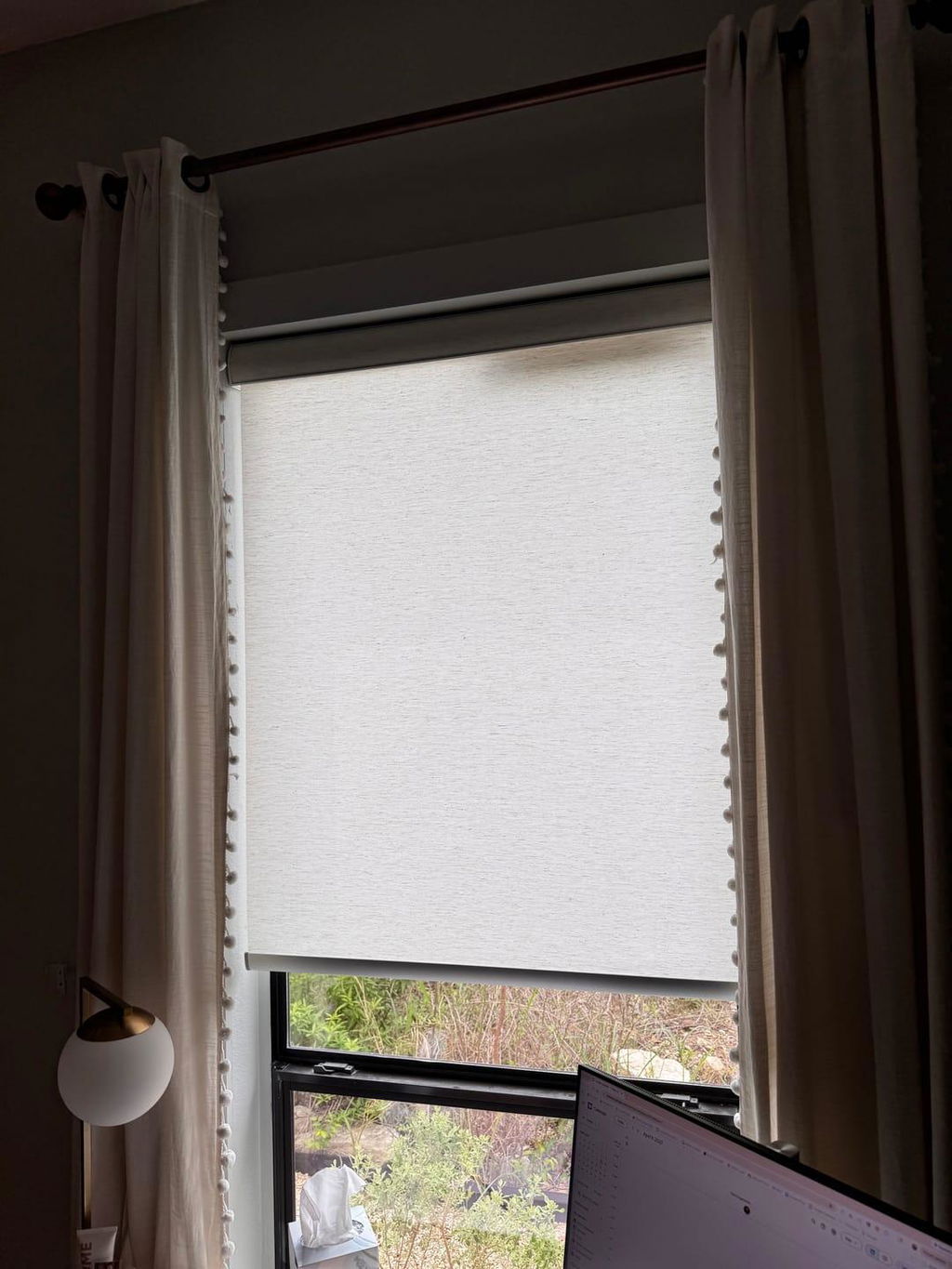
I remember the first time I installed a 3% openness solar shade in my west-facing studio. It was 4 PM in July, and the glare off my monitor was making me squint like a mole. I put up these see-through blinds, and suddenly, the room was washed in this soft, cinematic glow. I could still see the oak tree swaying outside, but the heat stopped punching me in the face.
It felt like a victory until 8 PM that night. I walked out to the curb to take the trash out, looked back at my house, and realized I was providing a high-definition broadcast of my dinner to the entire neighborhood. I could see the label on my wine bottle from the sidewalk. That is the reality of the transparent window shade: it is a one-way mirror that flips the script the second you flip a light switch.
Quick Takeaways
- Daytime privacy is excellent, but nighttime privacy is nonexistent without layers.
- Openness factor (1% to 10%) determines both your view clarity and your UV protection.
- Darker fabric colors actually provide a clearer view through the mesh than lighter colors.
- Always mount these with heavy-duty anchors; even light shades exert significant torque on your trim.
The Magic (and the Trap) of the Transparent Window Shade
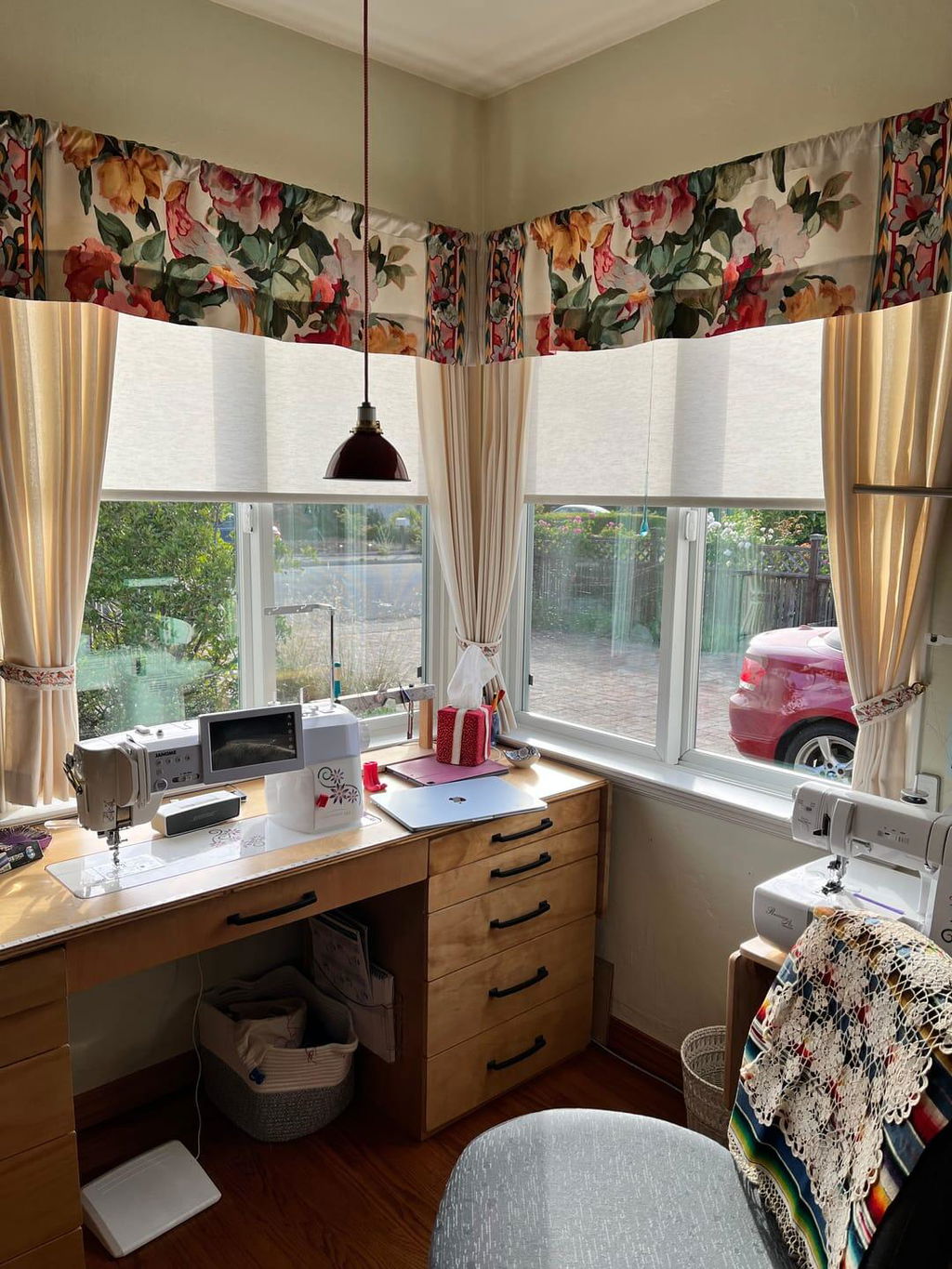
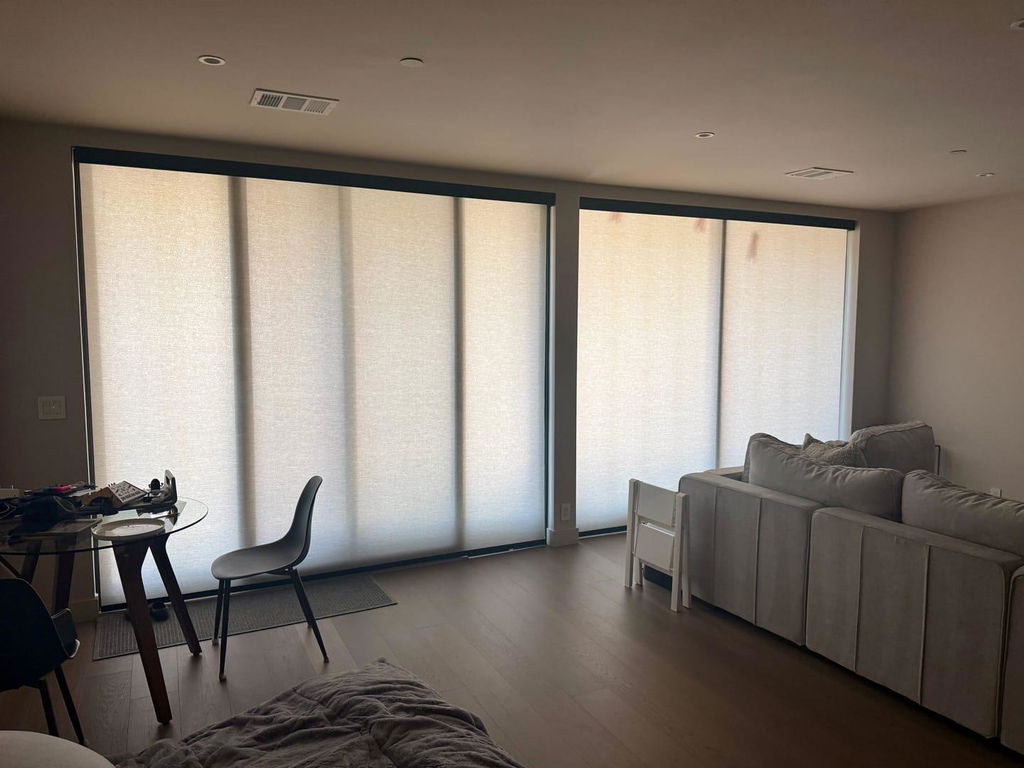
We all want that airy, architectural look. There is something undeniably sophisticated about see through window shades that allow you to maintain a connection with the outdoors while cutting the harsh glare. It stops your furniture from fading and keeps your AC bill from skyrocketing, all while looking like a high-end gallery installation.
When I am browsing a collection of sheer shades, I am looking for that specific weave that feels more like a textile and less like plastic. The trap is thinking that translucent means private. It does not. A shade transparent enough to show you the street is a shade that will show the street your living room.
The 'Fishbowl Effect' Explained (Why You Must Test Them at Night)
The physics of see through roller shades is simple: your eyes follow the light. During the day, the sun is brighter than your floor lamp, so you see out, and people see a reflection or a dark screen. At night, the interior of your home becomes the brightest point. You become the fish in the bowl.
I have seen clients install see thru roller shades in their street-level living rooms and wonder why the neighbors are waving at them during Netflix marathons. If you can see the headlights of a car clearly through your window blinds see through material, those drivers can see your TV. You have to test your samples at night with a flashlight behind them before you commit to a whole house of window shades see through.
Cracking the Code: What Does 'Openness Factor' Actually Mean?
This is where the math happens. A 1% openness factor is a tight weave—great for UV protection and decent privacy. A 10% see thru sun shade is basically a screen door. I usually recommend a 3% or 5% weave for most living spaces. It is the sweet spot where you get that window see through shades effect without feeling like you are sitting behind a solid wall.
Keep in mind that color matters too. A black 5% solar shades see through fabric actually offers a better view of the backyard than a white 5% shade. The dark threads absorb light, while white threads reflect it back into your eyes, creating a hazy fog over the view.
How I Style Window Shades That You Can See Through (Without Compromising Privacy)
My absolute favorite way to use a translucent window shade is as a base layer. Think of it as the underwear of your window treatment. On its own, it is a bit exposed, but when you layer a set of 200 gsm linen drapes over roller shades see through, you get total control. You get the soft filtered light during the day and total blackout privacy at night.
If you hate the look of bulky drapery, look into motorized dual roller shades. This system puts two shades on one bracket: a see through roller window shades layer for the day and an opaque blackout layer for the night. It is the cleanest look you can get, and it saves you from the midnight dash to close the curtains when you realize the lights are on.
Where Translucent Window Shades Belong (And Where They Don't)
I will fight anyone who tries to put window shades that you can see through in a ground-floor bathroom. It is a disaster waiting to happen. However, in a high-rise apartment or a kitchen overlooking a private backyard, they are elite. They keep the space feeling massive because the eye does not stop at the window frame.
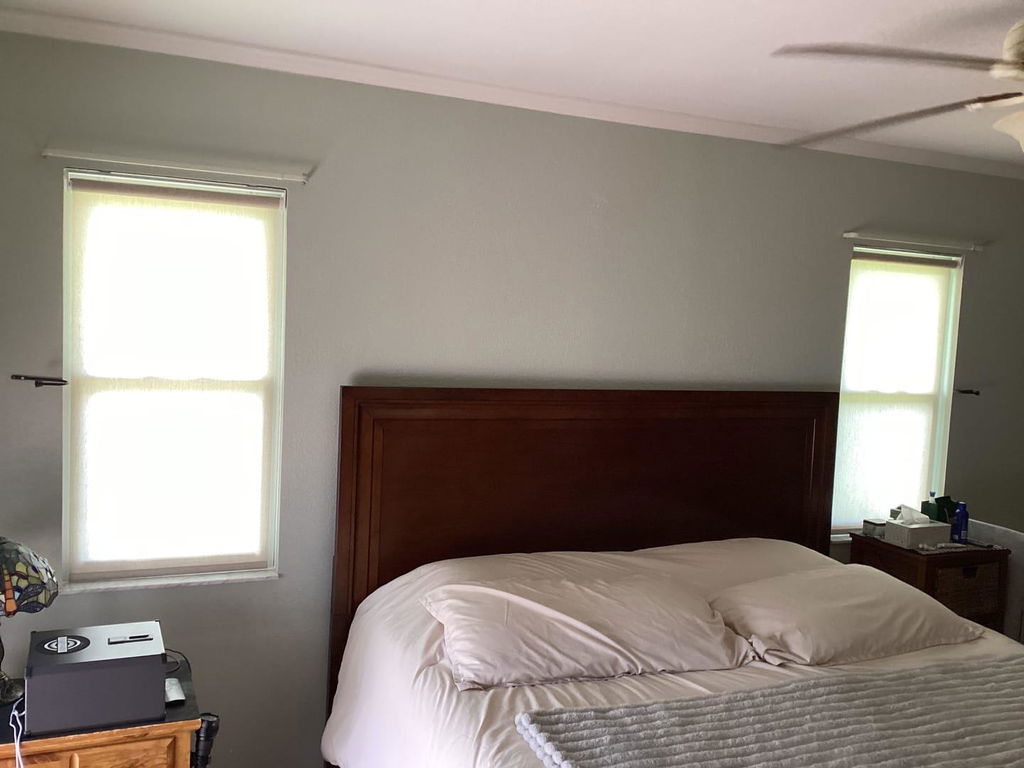
For bedrooms, I always point people toward modern roller shades with a total blackout rating. If you must have the view during the day, use the layering trick I mentioned earlier. There is nothing worse than being woken up at 6 AM by the sun because your privacy shade was actually just a glorified mesh screen.
The Hardware Reality Check: Treat Your Walls With Respect
Finally, let us talk about the install. I once watched a friend try to hang a 72-inch wide solar shade using nothing but the screws that came in the box and a wing and a prayer. Three days later, the whole thing ripped out of the drywall because she did not hit a stud or use proper anchors. When installing window roller shades, you have to realize that the constant pulling and tension adds up.
Use metal toggle bolts if you are not hitting wood. These shades might feel light, but the torque of the spring mechanism is real. Get your level out, mark your holes twice, and drill once. Your window trim will thank you.
FAQ
Can people see through solar shades at night?
Yes. If the lights are on inside, people can see shapes, movement, and often clear details. They are designed for heat and glare control, not total nighttime privacy.
Do see-through blinds block heat?
They do. Even with a 5% or 10% openness, they reflect a significant amount of solar energy. They are one of the best ways to keep a room cool without losing your view.
What is the best color for a clear view?
Counterintuitively, dark colors like charcoal or black provide the clearest view of the outdoors. Light colors tend to reflect light and obscure the details of the landscape.