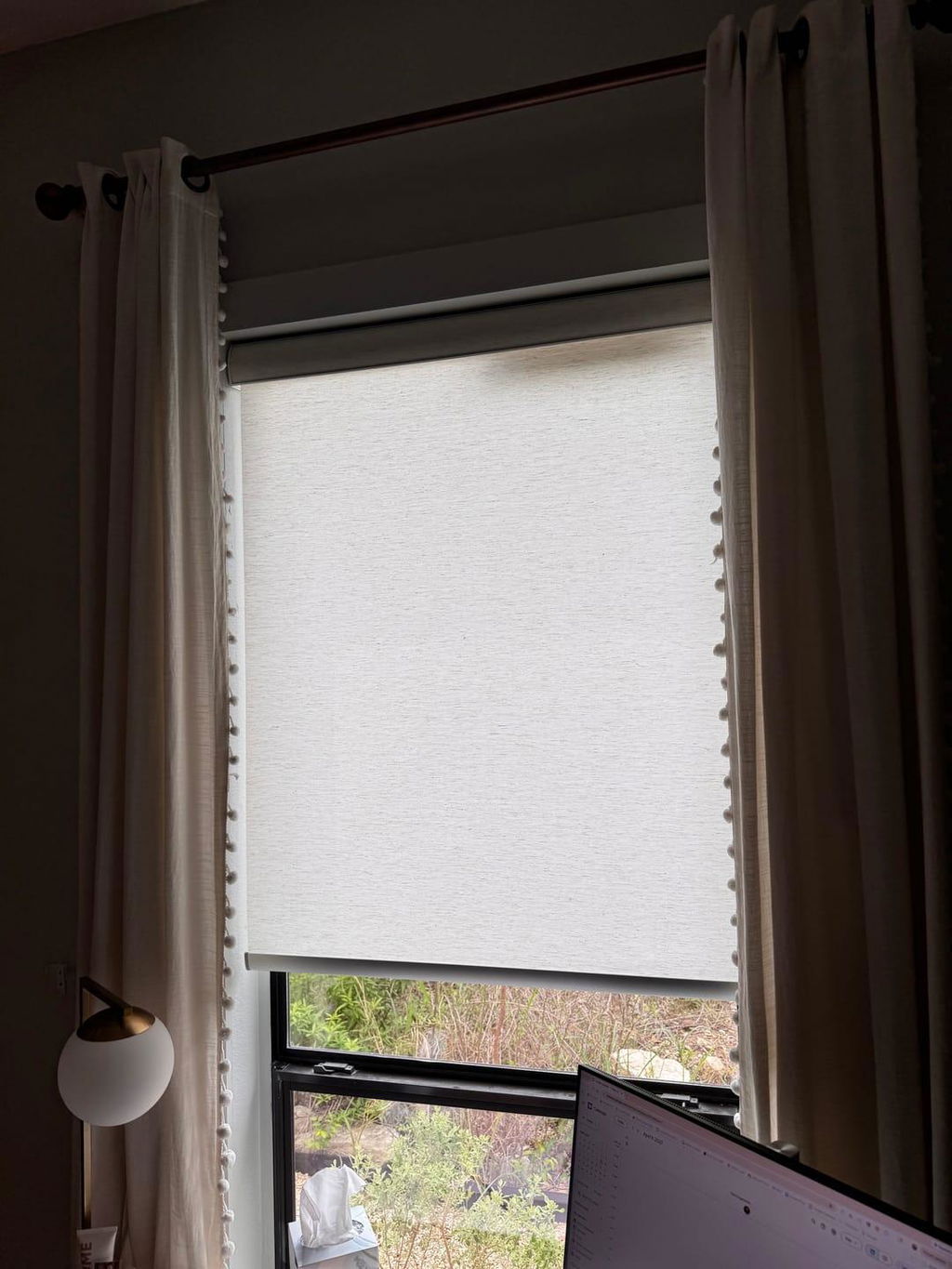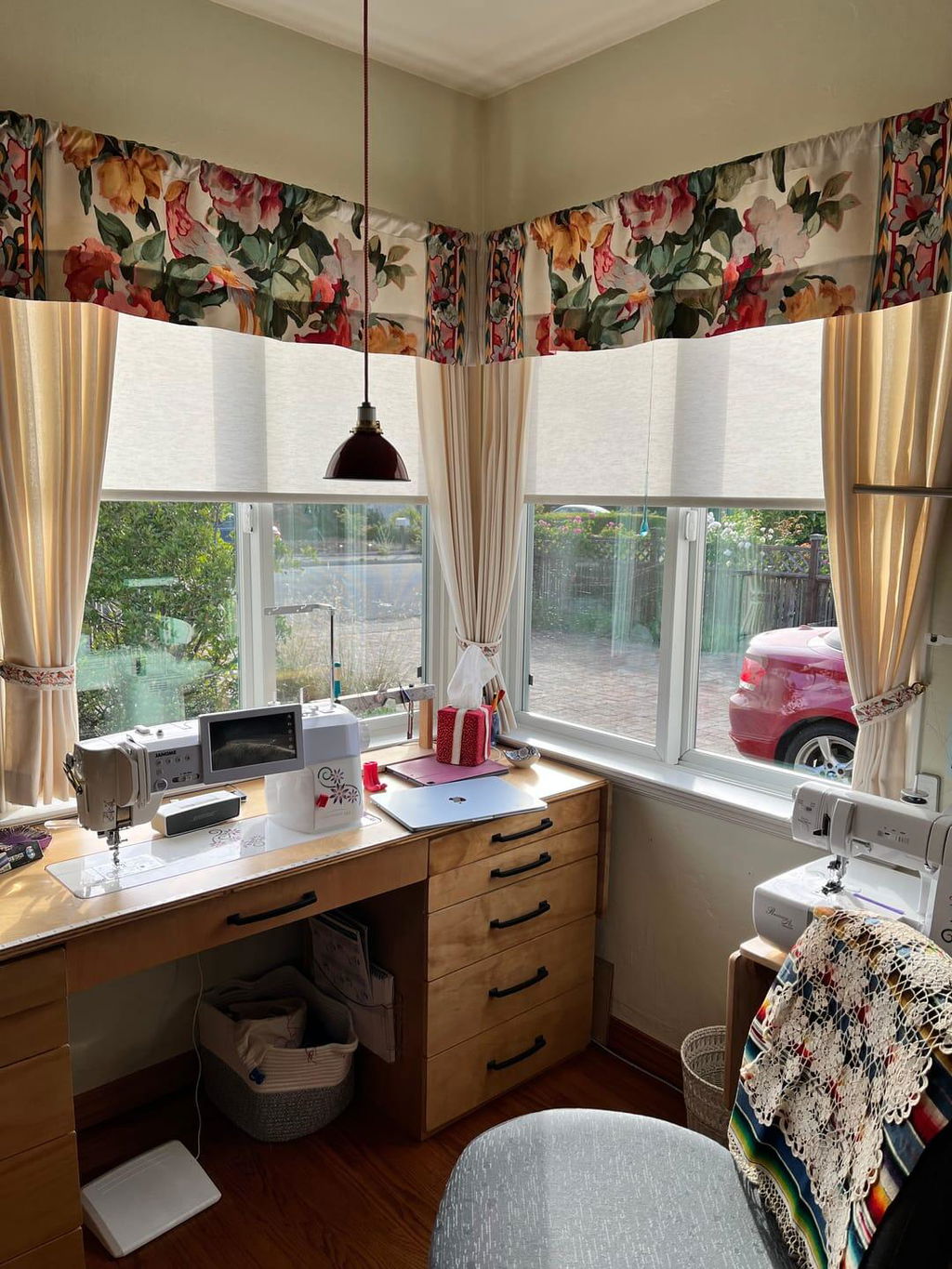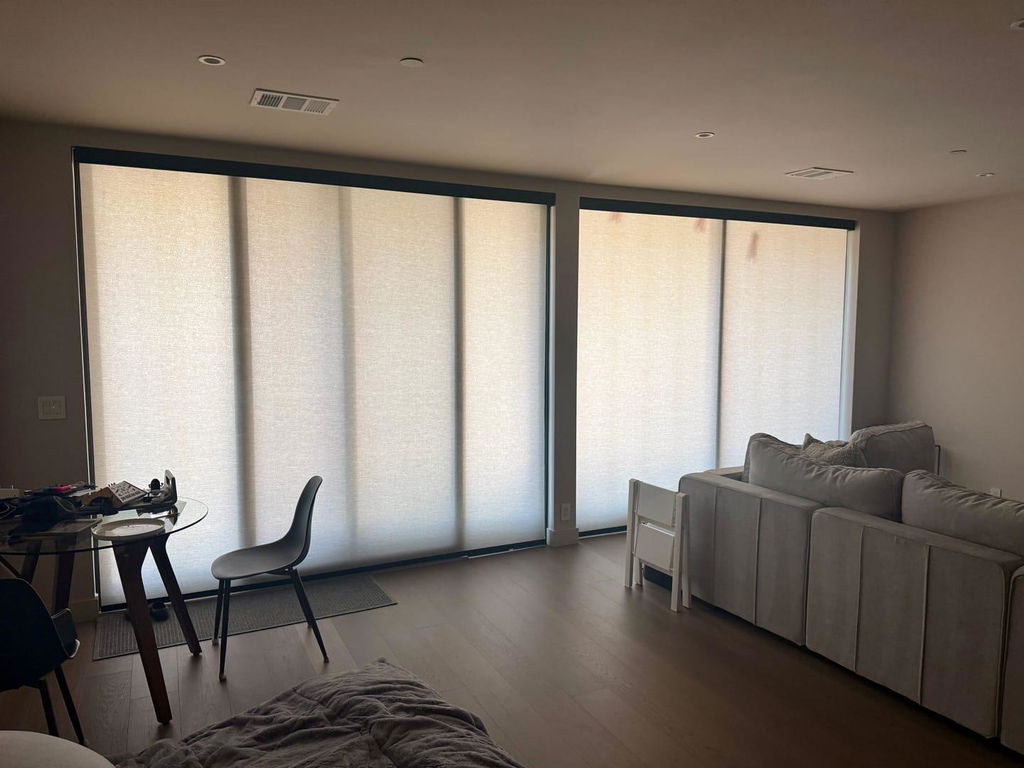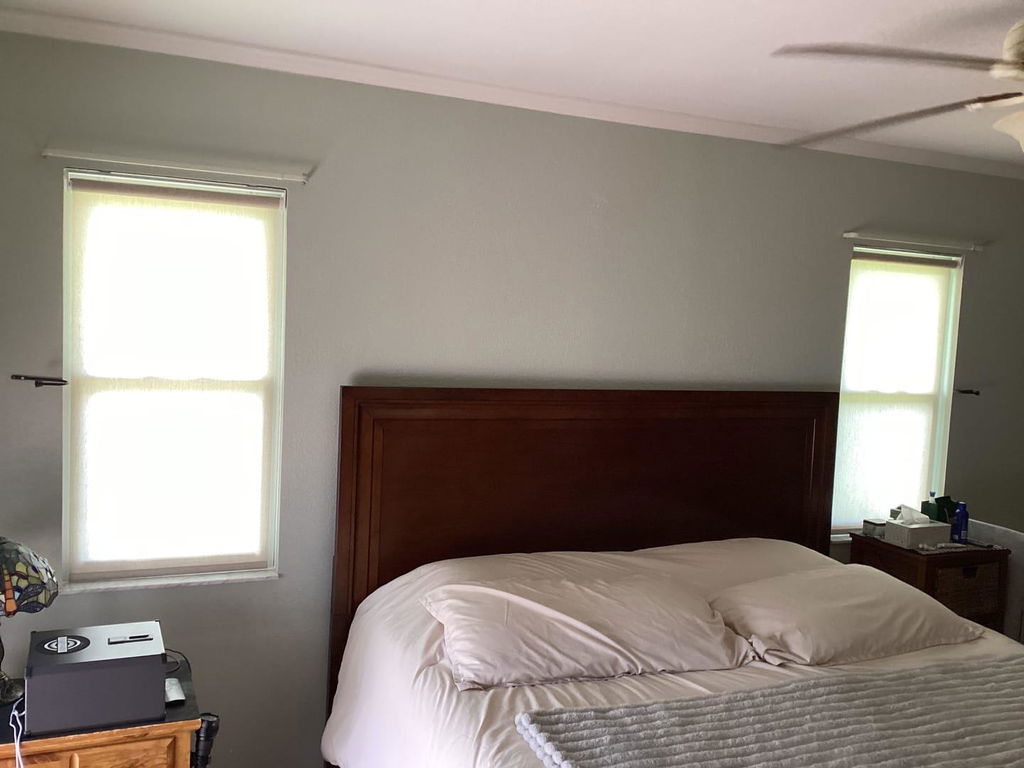
Do Magnets for Roman Shades Actually Hold Up Heavy Linen?
I remember staring at my kitchen window for three months, paralyzed by the thought of cords. My 1920s bungalow has these narrow, awkward windows where a standard cord lock looks like a messy spiderweb of strings. I wanted that crisp, tiered look without the mechanical nightmare, which is how I tumbled down the rabbit hole of magnets for roman shades.
It sounds like a design dream: no cords, no drilling through your headers, just a satisfying 'snap' and your fabric stays put. But as someone who has spent way too much on 300 gsm heavy Belgian linen, I had my doubts. Could a few tiny discs actually fight gravity, or was I setting myself up for a midnight collapse? I tested the viral cordless DIY method to see if a magnetic roman blind could actually handle designer weight.
- Strong neodymium (rare earth) magnets are non-negotiable for anything heavier than a sheer.
- Sewing magnets into hidden pockets prevents them from snapping together and ripping the fabric face.
- Vertical spacing should stay between 6 to 8 inches to ensure the 'stack' looks intentional and tailored.
- Magnets are the ultimate fix for French doors where cords usually clatter against the glass.
The Real Appeal of a Cordless Magnetic Roman Shade
We’ve all been there: you pull the cord on traditional roman shades, and one side goes up faster than the other, leaving your window looking like it’s had one too many martinis. A cordless magnetic roman shade solves the visual noise. It’s about that clean, architectural line that doesn't require a degree in physics to level out every morning.
Beyond the aesthetics, there’s the safety factor. If you have toddlers or a cat that thinks every string is a personal challenge, ditching the cords isn't just a design choice—it's a sanity choice. A magnetic roman blind gives you a sleek, stationary look that you can adjust manually in seconds, providing a child-safe alternative to standard roman blinds with magnets that often feel flimsy.
Fabric Weight Reality Check: Sheers vs. Heavy Lined Drapes
Here is the cold, hard truth: physics doesn't care about your Pinterest board. If you’re trying to DIY a magnetic roman shade with heavy, blackout-lined velvet, standard craft magnets will fail you. I tried this with a 96-inch drop of heavy-duty duck cloth, and the whole thing collapsed into a heap by midnight because the magnets simply couldn't bite through the layers of lining.
For heavy fabrics, you need N52 grade neodymium magnets. These aren't your refrigerator magnets; they have a pull force that can actually pinch your skin if you're not careful. You also have to consider why your cloth roman shades hang stiffly. If the fabric is too rigid, it won't want to fold naturally between the magnet points. You want a fabric with 'memory'—something like a linen-cotton blend that holds a crease rather than fighting against it.
How to Actually Make Cordless Roman Shades With Magnets
If you're diving into a magnetic roman shades diy project, please stop reaching for the fabric glue. Glue dries brittle and eventually pops off when the magnets snap together with force. Instead, sew small, circular pockets into the lining of your shade. This keeps the magnets fixed in place so they don't slide around and ruin your alignment.
Space your magnets every 7 inches vertically. This creates a 3.5-inch fold when the magnets meet. If you space them too far apart, the fabric will sag in the middle, looking more like a sad hammock than a tailored window treatment. For those who aren't ready to break out the sewing machine, I have my cheat code for how to make roman shades easy, but for a truly functional magnetic system, a few reinforcement stitches are worth the effort.
The French Door Hack: Magnets as Bottom Hold-Downs
The most brilliant use for this tech is magnetic roman shades for doors. There is nothing more annoying than the 'clack-clack-clack' of a shade hitting the glass every time you let the dog out at 6 AM. By installing small magnetic catches at the bottom hem and the corresponding spot on the door frame, you lock the shade in place.
Before you worry about the bottom, make sure you know how to install your shades at the top correctly. A magnetic system only works if the top header is perfectly level. If it’s off by even a quarter-inch, your magnetic folds will look crooked across the entire span of the door, and no amount of magnet-fiddling will fix a slanted mounting board.
Can This Method Work for Woven Woods?
I get asked about magnetic bamboo blinds constantly. Honestly? It’s a struggle. Bamboo and natural woven woods are rigid. They don’t 'fold' so much as they 'bend,' and they have a lot of spring-back force. Using magnets on these materials often results in a bulky, awkward stack that refuses to stay closed because the material is trying to straighten itself out.
If you love the texture of woven woods but want the clean functionality of magnets, consider a hybrid. Use a fixed roman shade valance in bamboo at the top for texture, and pair it with a functional magnetic linen shade underneath. It gives you the best of both worlds without the mechanical failure of trying to force wood to act like fabric.
Will magnets damage my fabric?
Not if you encase them. Never let the bare metal touch your fabric directly, as it can snag or leave grey oxidation marks over time. Always sew them into a small pocket of lining material or ribbon.
How many magnets do I need?
For a standard 36-inch wide window, I recommend three magnets per horizontal row—one on each end and one in the center. This prevents the middle of the fabric from dipping and losing that crisp line.
Can I wash magnetic shades?
Technically yes, but I’d hand wash or use a very gentle cycle in a mesh bag. Those magnets will try to stick to the inside of your washing machine drum, which is a terrifying sound you definitely don't want to hear during the spin cycle.