Do $15 Mainstay Roller Shades Actually Work in a Real Living Room?
The 9 PM privacy panic is a specific kind of dread. You’ve just moved in, the boxes are a mountain in the corner, and you realize your street-facing living room is essentially a stage for the entire neighborhood. I didn't have three weeks to wait for custom linens or the budget for a professional installer. I had twenty dollars and a nearby big-box store. That is how I ended up with mainstay roller shades in my cart, skeptical but desperate.
- Price: Unbeatable for temporary or budget-conscious setups.
- Installation: The 'tear-to-fit' tech is surprisingly accurate if you follow the scores.
- Aesthetic: Lean toward 'functional' rather than 'high-end'—layering is your best friend.
- Durability: Great for a year or two, but expect some edge fraying over time.
The Late-Night Privacy Emergency
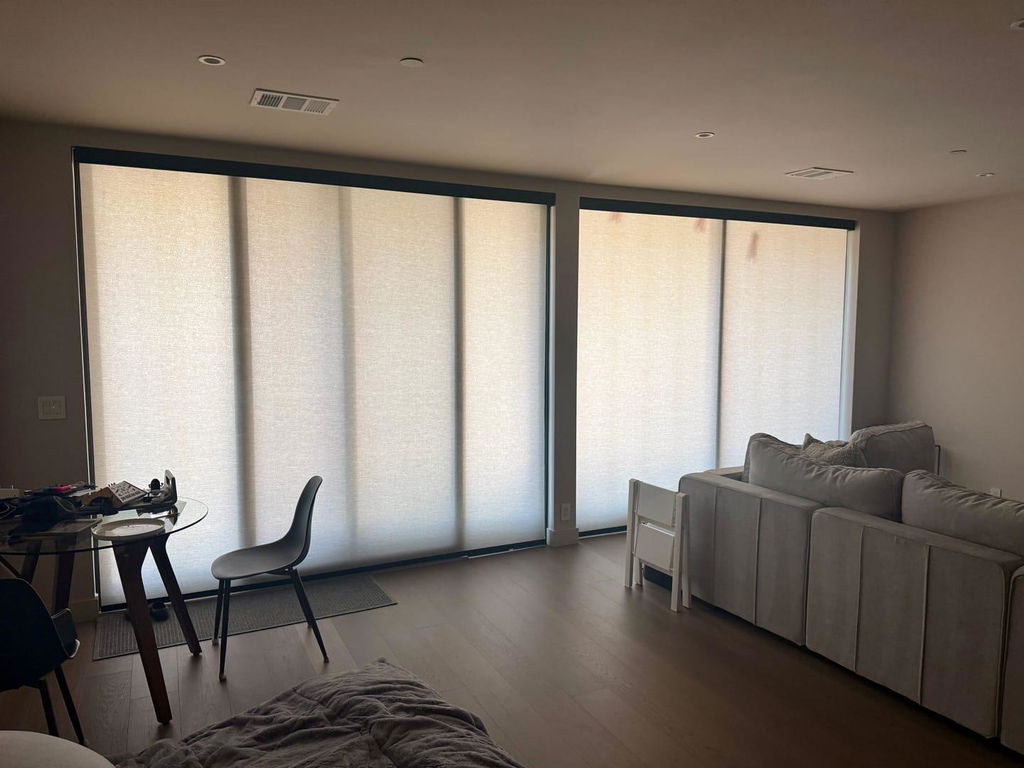
I’ve spent years preaching the gospel of 100% Belgian linen and custom-weighted hems, but design reality often hits you at the most inconvenient times. My new living room has these beautiful, oversized 72-inch windows that look directly onto a busy sidewalk. As soon as the sun went down and I flicked on a lamp, I felt like I was living in a fishbowl. I needed a mainstays roller shade immediately.
I wasn't looking for a forever solution; I just wanted to stop making eye contact with strangers while I ate my takeout. I grabbed the basic white vinyl option. At $15, I figured if it looked terrible, I’d only lost the price of a cocktail. What I didn't expect was the weirdly satisfying process of actually sizing these things to my weird, non-standard window frames.
Wait, You Just Rip It? Explaining the Mechanism
The magic—if you can call it that—of tear to fit window shades is in the pre-scored fabric. Usually, if you buy a cheap shade, you’re either stuck with a size that doesn't fit or you’re hacking at a metal tube with a hacksaw in your garage. This mainstays tear to fit roller shade uses a different approach. The fabric is perforated at 1/4-inch intervals, and the cardboard inner tube is designed to be snapped or cut without heavy machinery.
The tear-to fit roller shade installation is actually quite clever. You measure your window opening, subtract a tiny bit for the brackets, and then find the corresponding score line on the shade. You give it a little snip at the top, and then—this is the nerve-wracking part—you literally pull the excess fabric away. It zips right down the line. It’s a low-tech solution to the high-cost problem of custom widths.
My Unfiltered Mainstays Tear-to-Fit Roller Shade Instructions
Let’s be honest: the mainstays tear-to-fit roller shade instructions included in the box are a bit optimistic. They make it look like a thirty-second job. In reality, you need to be precise. If you rip too fast or at a weird angle, you risk a jagged edge that will haunt your dreams every time the sun hits it. My advice? Use a sharp utility knife to start the tear perfectly on the score line.
The hardware is where you really feel the $15 price point. The brackets are often thin plastic or very lightweight metal. When you install your shades, be careful not to over-torque the screws. I’ve seen these plastic housings crack if the drill is set too high. Also, make sure your brackets are perfectly level; because these are spring-tensioned, any slight tilt will cause the shade to telescope and bunch up on one side when you retract it.
Does the Blackout Tear-to-Fit Roller Shade Actually Block Light?
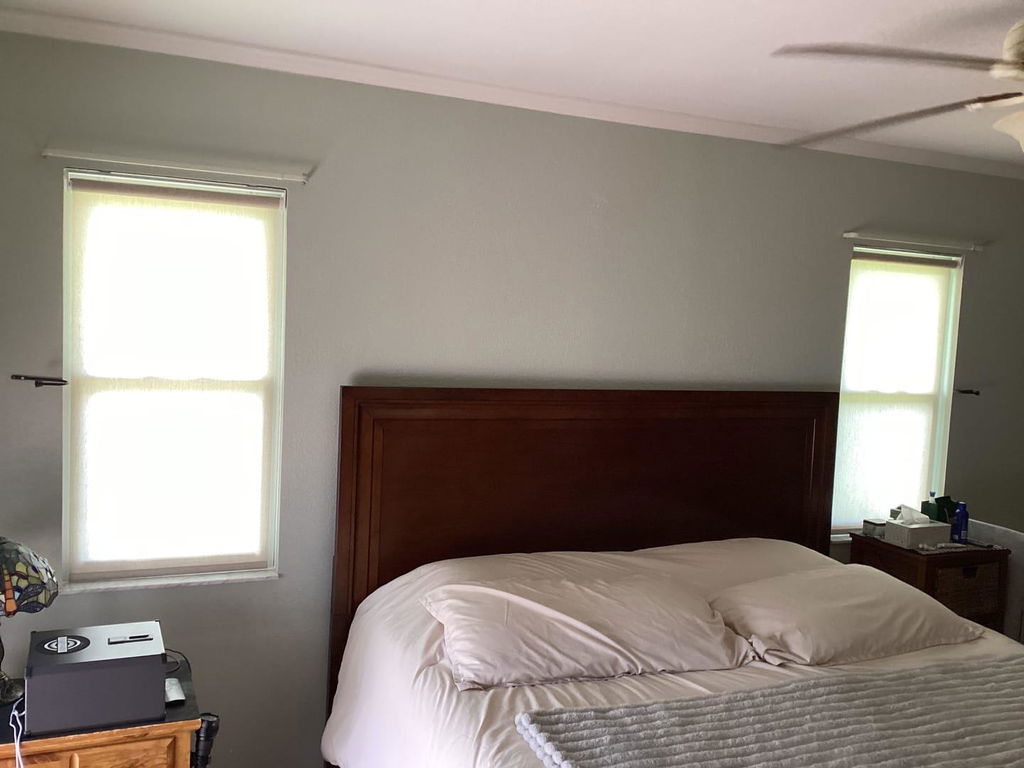
I tested the blackout tear-to-fit roller shade in the bedroom after being impressed by the living room's light-filtering version. The fabric itself is a 100% polyester laminate that is genuinely opaque. If you hold a flashlight behind it, zero light gets through. However, 'blackout' is a generous term when you consider the 'light halo' effect.
Because of the way the tear to fit roller shade mounts—usually inside the window frame—there is an inevitable gap of about half an inch on either side to allow the roller to spin. This means you’ll get bright streaks of morning sun hitting your face. It’s significantly better than nothing, but if you’re a night-shift worker needing total darkness, the rudimentary mounting hardware won't give you that vacuum-sealed light blocking you might be hoping for.
How to Make a Cheap Shade Look Expensive (Hide the Roller)
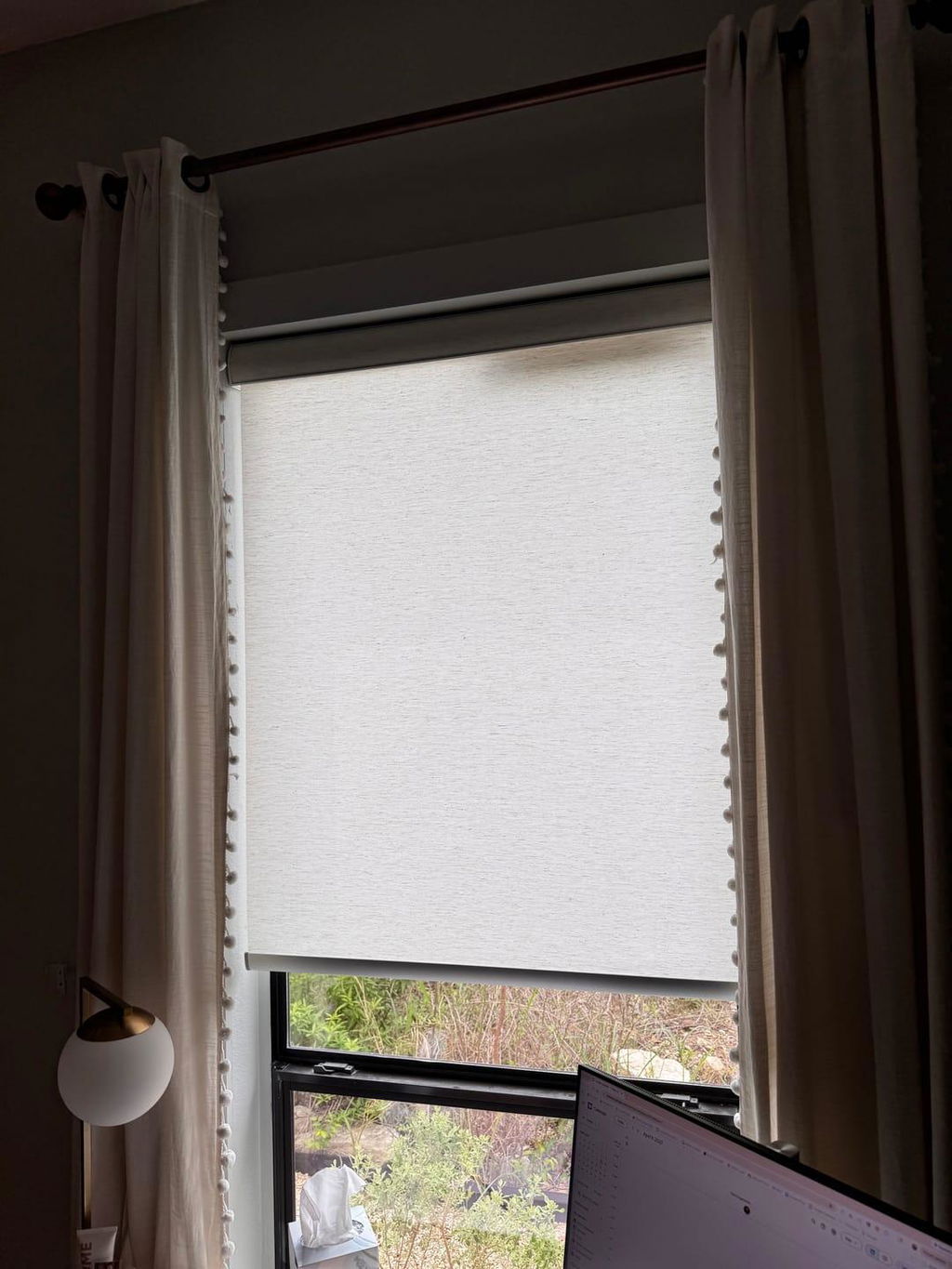
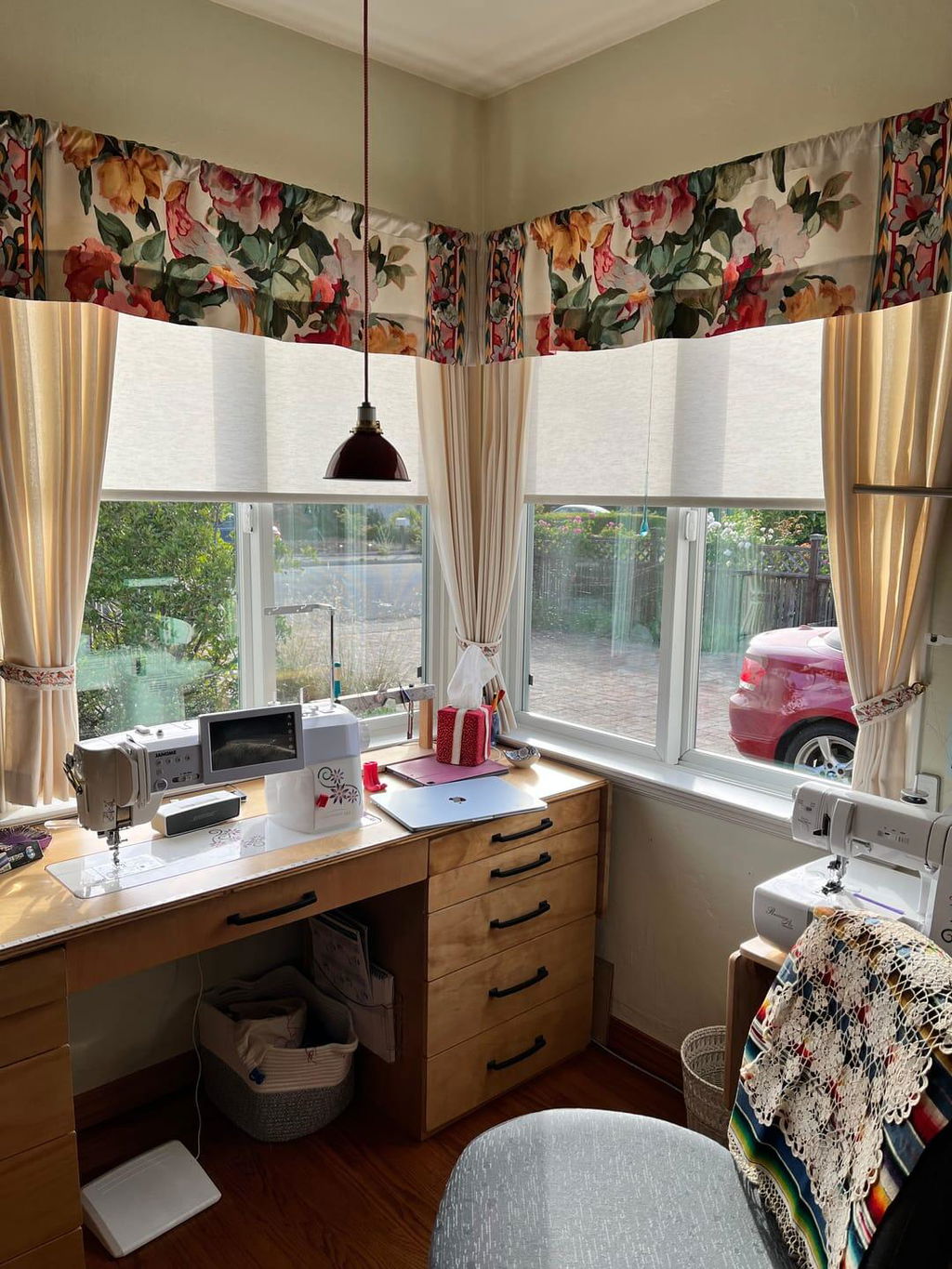
If you leave a mainstays roller shade exposed, it looks like a dorm room. The key to making these work in a grown-up living room is the 'high-low' mix. I use the roller shade for the actual privacy and light control, but I never let it stand alone. I always pair them with a high-quality curtain rod and heavy drapes.
I suggest mounting a sturdy brass or matte black rod about 4 to 6 inches above the window frame. Use a 96-inch curtain so it pools slightly on the floor. By choosing a roller shades option that fits inside the mount, you can hide the plastic brackets and the cardboard tube behind the 'return' of your curtain panel. From the street, you see a clean, uniform white shade. From the inside, you see lush fabric and a hidden, functional layer that cost you almost nothing.
I once styled a guest room using this exact method with roller shades hidden under some 280 gsm velvet panels. Guests actually asked if I had the window treatments custom-made. The secret is that the eye stops at the velvet, and the roller shade just does its job in the background.
When the Honeymoon Ends: Time for a Real Upgrade
After about six months of daily use, you might start to notice the limitations of the budget life. The edges of a mainstays tear to fit roller shade can start to develop tiny 'whiskers' or frays where the fabric was torn. The spring tension can also get a bit finicky—sometimes requiring a few tugs to get it to lock in place. They are brilliant for rentals, first homes, or rooms you don't use every day.
When you’re finally ready to stop faffing with manual pulls and frayed edges, that’s when you graduate to something like motorized dual roller shades. The jump in quality is massive—you get the convenience of a remote and a much cleaner, more durable edge finish. But for that 9 PM emergency or a quick room refresh on a shoestring budget? I’ll still stand by the humble Mainstays rip-and-hang method every time.
Are mainstay roller shades easy to clean?
Yes, because they are usually vinyl or laminated polyester, you can just wipe them down with a damp cloth and a drop of dish soap. Avoid abrasive cleaners, which can scratch the finish and make the 'blackout' layer peel.
Can I install these without a drill?
Technically, no. You need to secure the brackets to the window frame or wall. However, because the shades are so lightweight, you don't need heavy-duty anchors unless your drywall is particularly crumbly.
What if I tear it too short?
Unfortunately, there is no 'un-tearing' a shade. Always measure twice and err on the side of leaving it a 1/4 inch too wide. You can always take an extra strip off, but you can't add it back once it's gone.