Curtains or Roman Shades? Why Your Room's Layout Has the Final Say
I remember standing in my first 'adult' apartment with a pair of 96-inch velvet panels and a sinking feeling in my chest. I had spent weeks obsessing over the perfect shade of moss green, only to realize my beautiful floor-to-ceiling vision was physically impossible because of a clunky iron radiator sitting right under the window. This is the moment most people realize the curtains or roman shades debate isn't actually about what looks better on Pinterest—it's about what your architecture will actually allow.
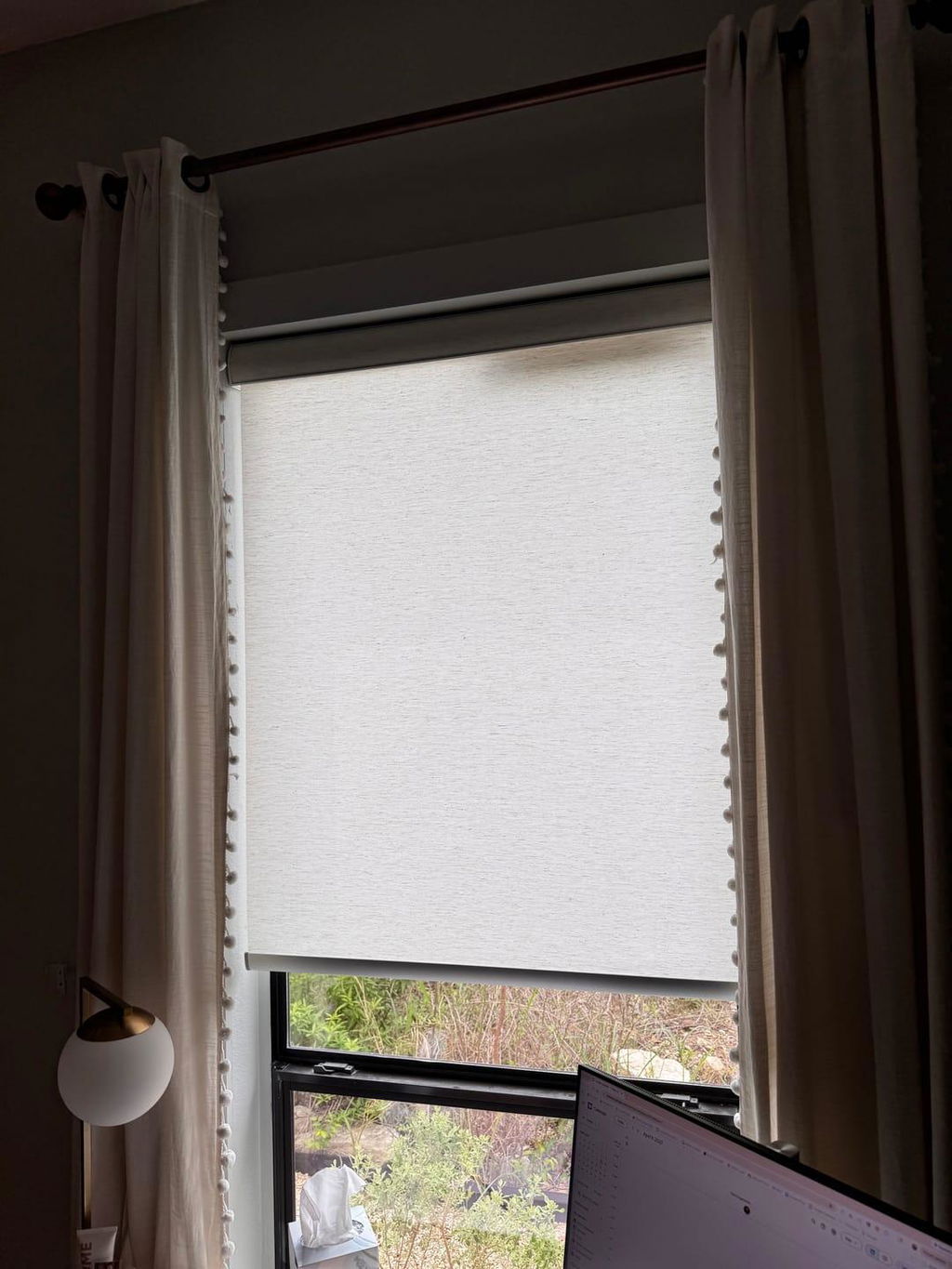
Choosing between roman shades vs curtains usually feels like a style choice, but your floor plan usually makes the decision for you. Whether it is a baseboard heater that threatens to melt your polyester lining or a sofa that needs to sit flush against the wall, the layout of your room is the ultimate designer. Here is how to stop fighting your floor plan and start picking the right textile for the job.
- Floor-length curtains need at least 10 inches of clearance from heaters for safety and airflow.
- Roman shades are the gold standard for windows blocked by desks, beds, or deep window seats.
- Ceiling height can be 'faked' with high-mounted drapes, but awkward dormers require the structure of a shade.
- High-traffic areas like mudrooms are 'no-puddle zones' where long fabric goes to die.
Rule 1: The Radiator and Baseboard Heater Veto
If you have active heating elements under your windows, floor-length drapes aren't just a design faux pas—they are a literal fire hazard and a massive waste of energy. I’ve seen beautiful 300 gsm wool panels scorched because they were trapped against a baseboard heater. Even if you aren't worried about a fire, curtains that cover a heater will trap all that warmth behind the fabric, leaving your room freezing while your window glass stays nice and toasty.
In these scenarios, the architecture has spoken: you need a window treatment that stays within the frame. This is where a tailored shade becomes your best friend. I once tried to force the issue in a drafty Victorian bedroom, thinking I could just 'hem them short.' It looked like the curtains were wearing high-water pants. I eventually realized that Drapes Vs Shades Roman Blinds Fixed My Awkward Radiator Problem because the shade allowed the heat to circulate into the room while still providing that soft, fabric-heavy look I craved.
When you go with a shade over a heater, look for a 'waterfall' fold or a flat roman. It keeps the profile slim and ensures the fabric never touches the heating unit. If you’re worried about drafts, choose a blackout-lined linen. It provides a heavy thermal barrier without the bulk of a full-length drape. Aim for a 2.5x fullness if you choose a relaxed roman style to ensure it doesn't look like a flat sheet of paper when lowered.
Rule 2: Furniture Placement and the 'Trapped Drape' Look
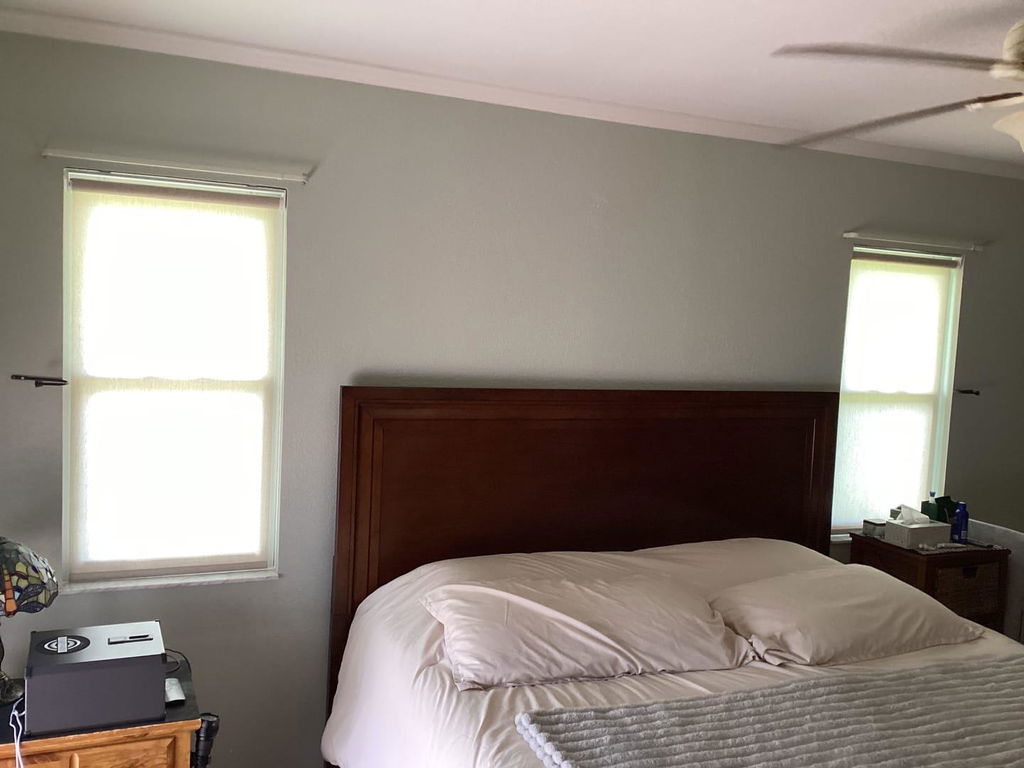
We’ve all tried it: pushing the headboard or the velvet sofa right up against the window, only to have the curtains get crushed into a sad, wrinkled mess behind the cushions. If your furniture needs to be flush against the wall, floor-length curtains will never look right. They’ll either be tucked awkwardly behind the sofa—looking like they’re being swallowed—or they’ll bulge out, preventing your furniture from sitting straight.
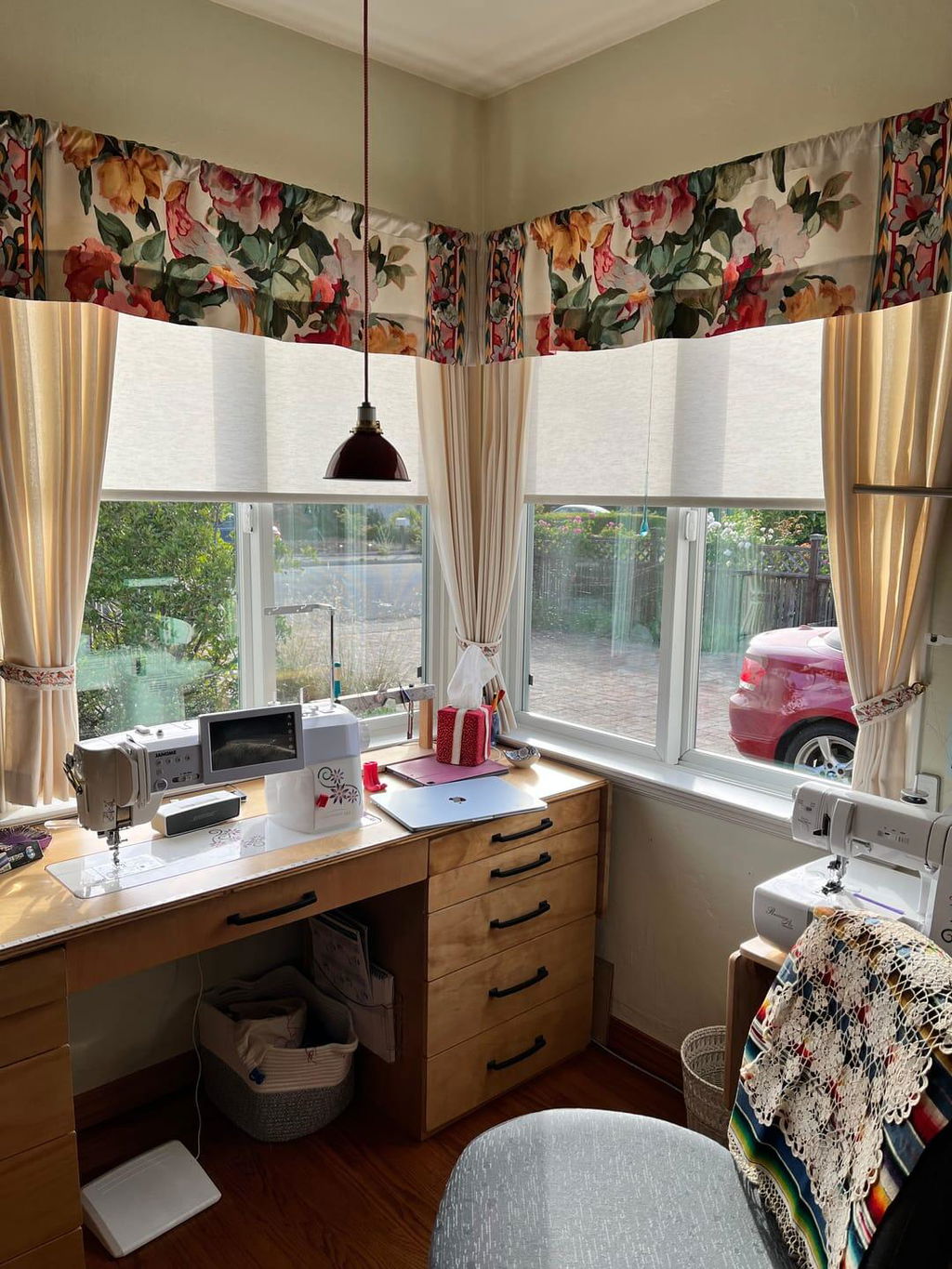
This is the primary reason I steer clients toward Roman Shades for bedrooms and home offices. A desk pushed against a window is a functional dream, but curtains getting caught in the casters of your office chair is a nightmare. A shade allows you to maximize your floor space without sacrificing the 'finished' look of a dressed window. You get the texture of the weave and the softness of the fabric, but it stays neatly tucked away within the window casing.
If you absolutely must have curtains with furniture in front, you need at least 4 to 6 inches of 'breathing room' between the back of the sofa and the wall. Without that gap, the fabric can't hang with the necessary fullness, and you lose the ripple effect that makes drapes look expensive. If you don't have those 6 inches to spare, stick to the shade. A 200 gsm linen blend shade provides enough weight to hang straight without the bulk of a full drapery stack.
Rule 3: Dealing With Weird Ceiling Heights and Proportions
Architecture is rarely perfect. You might have one window that’s 60 inches tall and another in the same room that’s a tiny 24-inch square. Or perhaps you’re dealing with a 7-foot ceiling that makes the room feel cramped. This is where the roman shades vs curtains choice becomes a game of optical illusions. You have to decide if you want to emphasize the window or the height of the wall.
To fake height, nothing beats a floor-to-ceiling drape. Mount your rod 2 inches below the crown molding and let the fabric 'kiss' the floor with a 96 or 108-inch drop. This creates a continuous vertical line that draws the eye upward. However, if you have a sloped ceiling or a dormer window where the wall literally cuts into the window frame, a rod is impossible to mount. In those cases, an inside-mount roman shade is your only path forward. It highlights the window's shape without fighting the ceiling's geometry.
I once worked on a bungalow with 'eyebrow' windows and standard rectangles in the same living room. Putting curtains on both made the room look cluttered and uneven. By using roman shades on the smaller, oddly placed windows and floor-length linen drapes on the main windows, we created a sense of balance. The shades provided the function, while the curtains provided the drama. It is all about using vertical lines to your advantage rather than letting the window size dictate the mood.
Rule 4: High-Traffic Zones and the Puddle Problem
The 'puddle' look—where an extra 2 inches of fabric pools on the floor—is stunning in a formal dining room. It is a disaster in a mudroom, a kitchen, or anywhere a dog lives. I learned this the hard way with a pair of white linen drapes near a patio door. Within a week, the bottom 4 inches were a permanent shade of 'wet Labrador grey.' No amount of professional cleaning could save the hems from the daily traffic of a busy household.
In high-traffic zones, you want your textiles safely out of the splash zone. Roman shades stay at the top of the window during the day, away from muddy paws, vacuum cleaners, and spilled coffee. If you’re styling a kitchen window over a sink, a shade is the only choice. Curtains hanging near a faucet are just begging to soak up dishwater and grease. It’s better to have a clean, functional shade than a beautiful drape that you’re constantly afraid to touch.
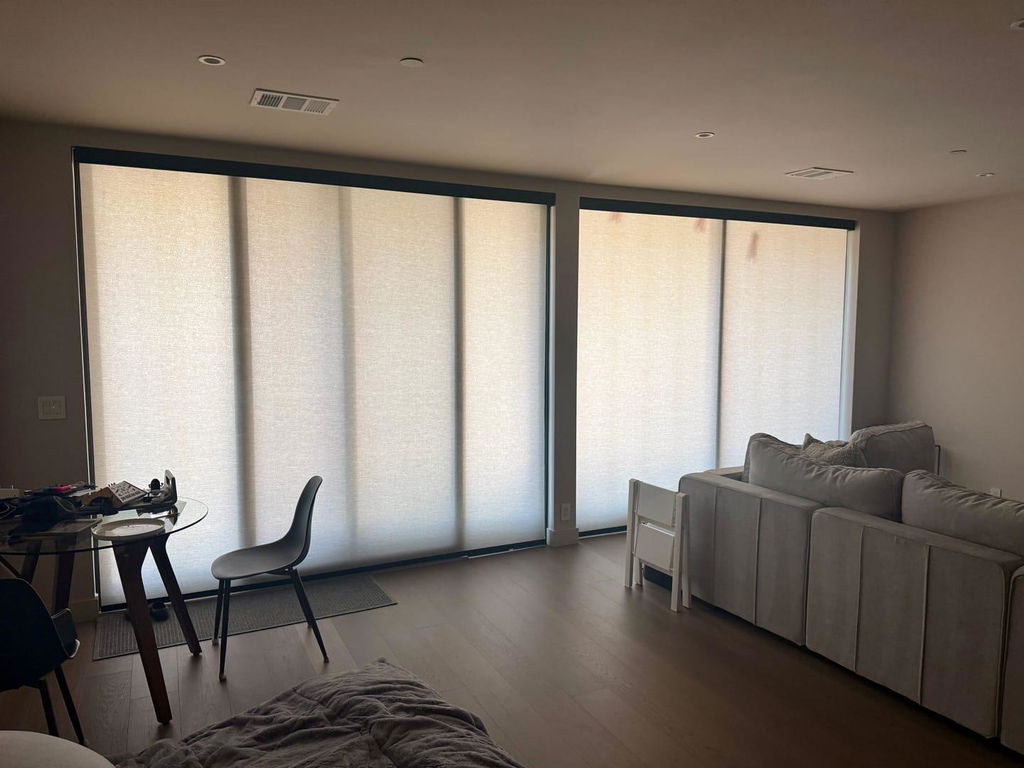
For these areas, I recommend a performance fabric or a heavy-duty polyester blend that can be spot-cleaned easily. Save the delicate silk and the floor-pooling linen for the rooms where people don't wear shoes. If you have a sliding door, consider a one-way draw curtain that stacks entirely to one side, away from the handle, to minimize finger marks on the fabric.
Wait, Can I Do Both? The Art of Layering Without the Bulk
Sometimes you want the architectural cleanliness of a shade but the romantic softness of a curtain. You can absolutely have both, but you have to be smart about the hardware. The most common mistake is trying to mount a bulky curtain rod directly over a chunky outside-mount shade. It ends up looking like your window is wearing a heavy parka. It smothers the light and makes the window feel smaller than it actually is.
The trick is to use an inside-mount roman shade paired with a slim curtain rod mounted high and wide. This gives you the best of both worlds: the light control and privacy of the shade, plus the framing effect of the curtains. Just make sure your curtain rod extends at least 8 to 10 inches past the window frame on each side so the fabric doesn't block the glass when the curtains are open. This 'stack back' space is crucial for keeping the room bright.
If you're ready to try this look, check out my guide on How to Style Roman Shades and Curtains Together (Without the Bulk) for the exact measurements you'll need. Layering is about contrast—try a textured woven wood shade with a smooth cotton drape, or a sheer roman shade under a heavy velvet curtain for a hotel-inspired feel that works in the real world.
Personal Experience: The Linen Lesson
A few years ago, I insisted on 100% Belgian linen curtains for a south-facing sunroom. They looked incredible for exactly one month. Then, the humidity hit. Natural linen is 'alive'—it expands and contracts with the moisture in the air. My perfectly hemmed 'kiss' length turned into a 1-inch gap on dry days and a messy puddle on humid ones. I eventually swapped them for a linen-poly blend that had the same look but stayed the same length year-round. It taught me that while I love natural fibers, sometimes the 'perfect' look requires a bit of synthetic stability to survive the seasons.
FAQ
Are roman shades more expensive than curtains?
Usually, yes. While they use less fabric, roman shades require a lot more labor to construct the internal cord system and ensure the folds are perfectly level. Curtains are often cheaper for the same quality of fabric because the sewing is more straightforward.
Can I use roman shades on a sliding glass door?
I wouldn't. Roman shades on a wide sliding door are heavy to pull up and down every time you want to let the dog out. Stick to curtains or vertical cellular shades for high-use doors to avoid hardware fatigue.
What is the best fabric for roman shades?
Medium-weight fabrics like linen, cotton duck, or light velvets work best. Anything too thick won't fold cleanly, and anything too thin (like a sheer) will show the internal strings and rings, which ruins the clean aesthetic.