How to Style Roman Shades and Curtains Together (Without the Bulk)
I remember staring at my first 'grown-up' living room windows in a drafty 1920s flat. The white walls felt sterile, and the cheap plastic blinds the landlord left behind were doing zero favors for the afternoon light. I realized then that roman shades and curtains together isn't just for high-end boutique hotels; it's the secret to making a room feel like a finished, intentional thought rather than a collection of furniture.
Quick Takeaways
- Always inside-mount your roman shade if you have at least 2 inches of window depth.
- Contrast your textures: pair a structured shade with a soft, flowy drape.
- Choose one 'hero' pattern and keep the other layer solid or subtly textural.
- Mount the curtain rod high and wide to avoid a cramped, 'squinting' window.
Why I Actually Like the Layered Window Look (When It's Done Right)
There is a specific kind of warmth that comes from layering textiles. It’s like wearing a wool coat over a cashmere sweater—it just looks expensive and feels cozy. Beyond the aesthetics, pairing these two treatments is incredibly functional. You get the precise light control of a shade and the sound-dampening, insulating power of a curtain panel.
However, there is a fine line between a rich, bespoke look and a window that looks like it's drowning in fabric. I once layered roman blinds curtains and learned a hard lesson early in my styling career. I tried to force a heavy, outside-mount bamboo shade under thick velvet drapes. The result was a massive protrusion from the wall that looked more like a piece of luggage than a window treatment.
Rule #1: Master the Fabric Weight Ratio
The physics of styling drapes over roman shades comes down to the 'Visual Weight Ratio.' You never want to pair two 'heavy' fabrics. If you have a thick, tapestry-style roman shade, your curtains should be a lightweight 180 gsm linen or a sheer cotton voile. You need that flowy outer layer to soften the rigid structure of the shade.
Conversely, if you’re using a delicate, unlined linen shade, you can get away with a 300 gsm velvet or a heavy wool drape. The goal is a 60/40 balance. When both layers are 100% blackout-lined and stiff, they won’t drape; they’ll just hang there like boards. I always aim for 2.5x fullness on the curtains to ensure they have enough 'ripple' to contrast with the flat surface of the shade.
Rule #2: Don't Compete on Pattern (The Hero vs. Sidekick Dynamic)
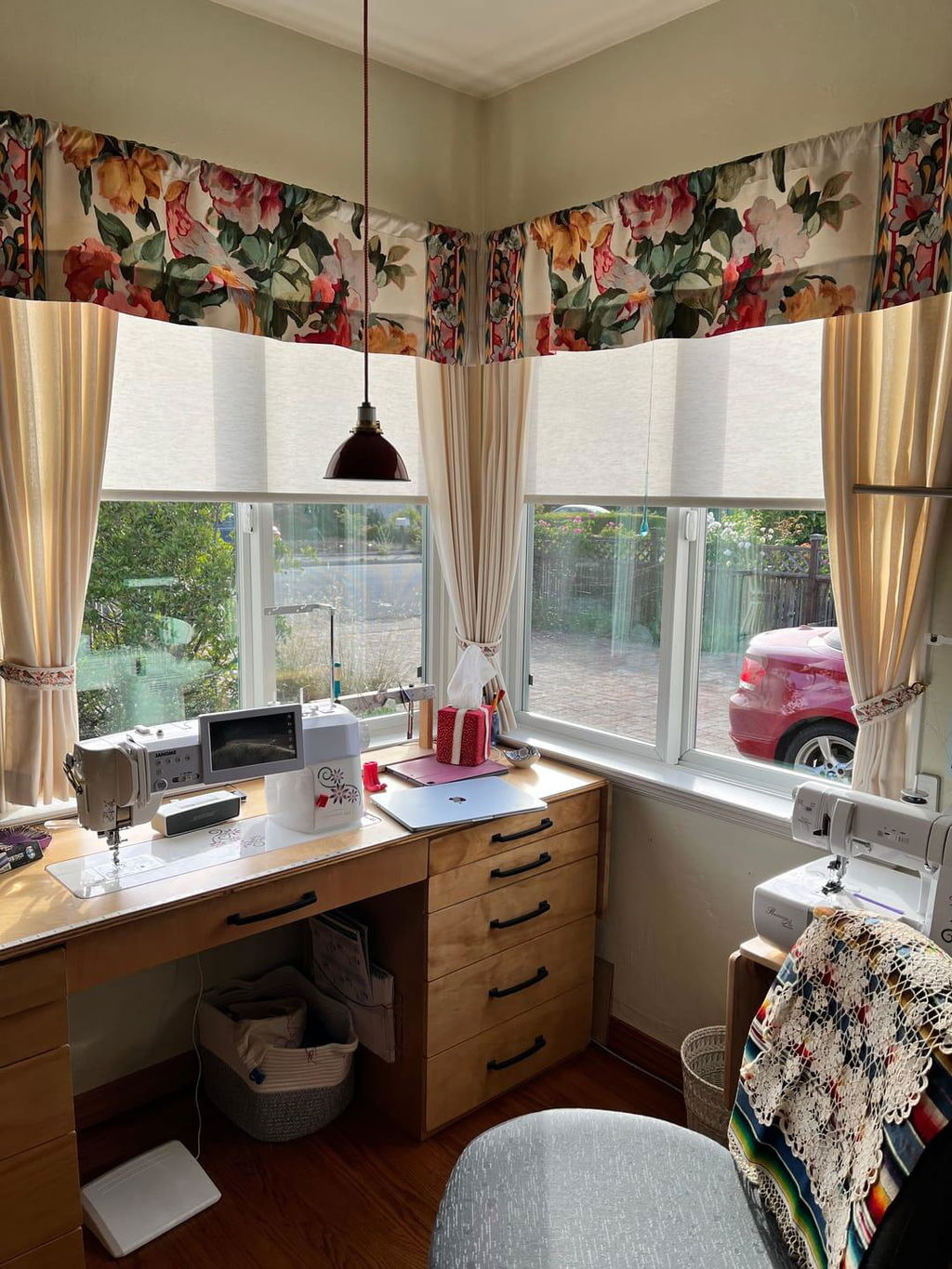
When you’re styling roman blinds and curtains together, you have to decide who the star is. If you’ve fallen in love with a bold, botanical print for your roman shades, your curtains must be the supporting cast. Stick to a solid color that pulls a minor tone from the shade’s pattern.
If you do a pattern on both, the window becomes a vibrating mess of lines and colors. My favorite trick is to use a heavily textured solid—like a chunky jute woven shade—paired with a solid curtain in a contrasting material. It adds depth without the visual noise of a print. Think of it as a 'quiet luxury' approach to windows.
Rule #3: Mind Your Mounting Depth and Hardware Clearance
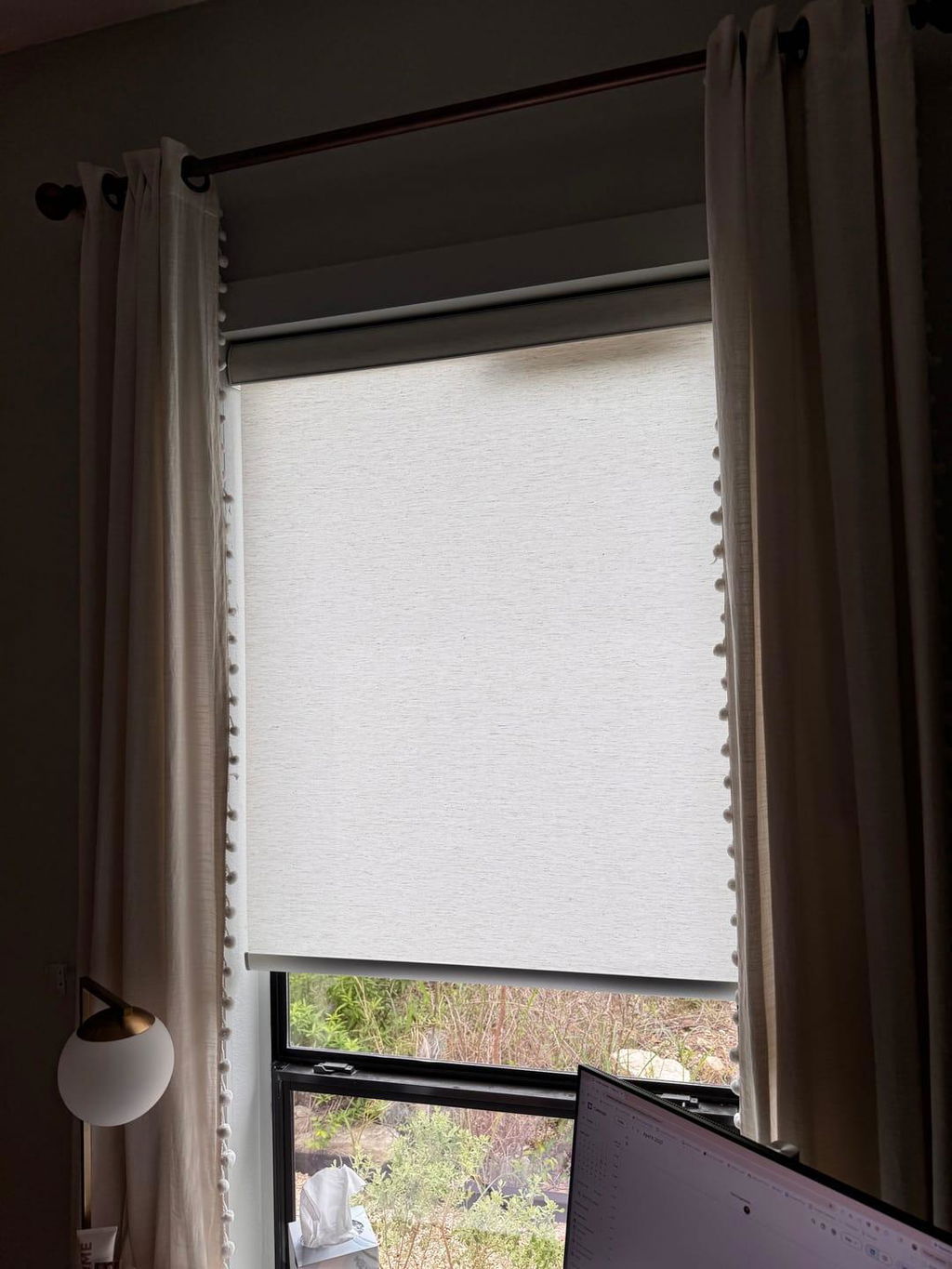
This is where the 'pro' look happens. For layering roman shades with curtains, an inside mount is almost always the better choice. It keeps the shade tucked neatly within the window frame, allowing the curtains to hang flush against the wall. You need about 2 to 3 inches of depth for a clean inside mount.
If your window casing is too shallow and you must outside-mount the shade, you have to be careful with your rod choice. You’ll need 'extra-projection' brackets for your curtain rod—usually 6 inches or more. This ensures the curtains clear the shade's headrail. Without that clearance, the curtains will bulge awkwardly over the top of the shade, which is a dead giveaway of a DIY job gone wrong.
The 3 Exact Combinations I Use in Client Homes
If you're stuck, these are the three 'recipes' I use when I want a fail-proof look. First, the 'Coastal Classic': a natural woven wood shade paired with an airy, off-white linen curtain. It’s textural and light. Second, the 'Hotel Suite': a solid, light-gray blackout roman shade with a white sheer overlay. It’s soft and romantic but functional for sleeping.
Third, the 'Moody Study': a patterned flat-fold roman shade in a dark navy or forest green, framed by heavy, solid velvet drapes. When hanging curtains over roman shades in this setup, I always mount the rod 4-6 inches above the window trim and 8-10 inches past the sides. This 'frames' the shade and makes the window look twice as large as it actually is.
When You Should Probably Just Skip the Drapes
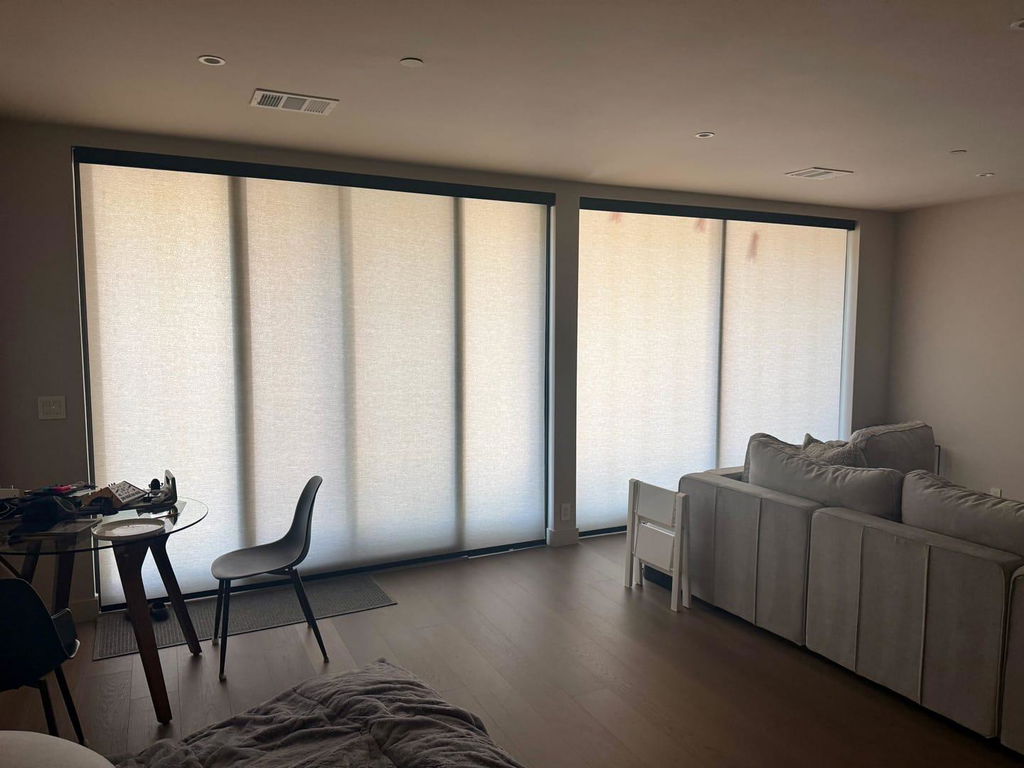
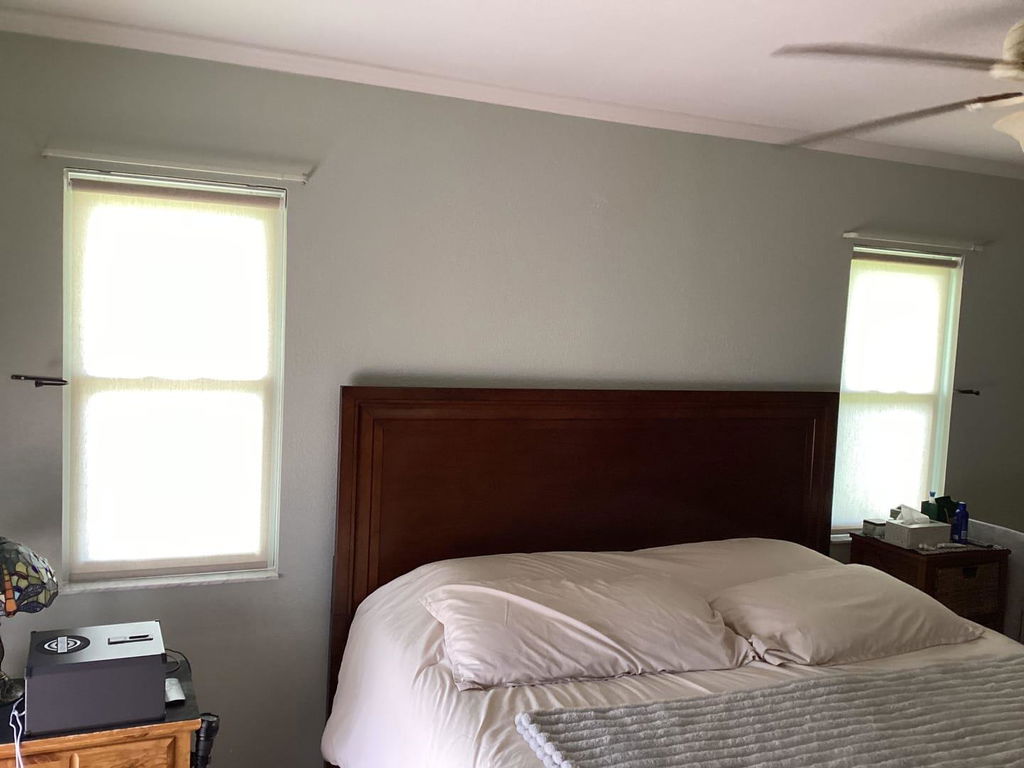
As much as I love layers, sometimes the architecture wins. If you have a radiator directly under the window, long drapes are a fire hazard and a heat-blocker. If you have a deep window seat where people actually sit, floor-length curtains just get bunched up and dirty. I chose roman shades for living room windows over heavy drapes in my own kitchen for this exact reason—between the breakfast nook and the baseboard heaters, drapes would have been a tangled mess.
Personal Experience: The Midnight Re-do
I once spent three hours steaming a set of 96-inch linen panels for a guest room, only to realize I’d mounted the rod too low. Instead of a crisp 'kiss' on the floor, the fabric was pooling like a messy prom dress. I was up until midnight patching drywall and moving the rod up two inches. The lesson? Always measure your drop with the rings attached, because that extra inch of hardware can ruin the entire silhouette.
FAQ
Can you put curtains over roman shades?
Yes, and it is one of the best ways to add insulation. Just ensure the shade is inside-mounted so the curtain rod has plenty of space to breathe.
Should the shade and curtain be the same color?
They don't have to be identical, but they should be in the same family. I like to go one shade darker on the curtains to create a 'frame' effect around the window.
How high should I hang the curtain rod?
Aim for halfway between the top of the window trim and the ceiling. This draws the eye up and prevents the layered look from feeling 'heavy' or 'squat.'