Are Vertical Cellular Blinds the Fix for Freezing Sliding Glass Doors?
I remember sitting on my sofa last January, wrapped in a wool throw, watching my curtains dance. My sliding glass door was essentially a giant ice cube, and the draft was winning. That was the moment I realized my hunt for vertical cellular blinds wasn't just about privacy—it was about survival.
- Unmatched insulation for drafty, oversized glass.
- Minimal 'stack back' preserves your view better than heavy drapes.
- Cordless operation makes them a win for pet owners.
- Layering with linen panels creates a high-end, custom look.
The Giant Sideways Accordion Dilemma
The patio door is often the bane of an interior stylist's existence. It is too wide for standard panels without looking like a bedsheet, and traditional vertical slats feel like a dentist's waiting room. I spent months researching why I finally gave in to vertical blinds for patio sliding doors, specifically the honeycomb variety.
These are not your mother's plastic strips; they are accordion-style fabric pleats that move horizontally. Using accordion blinds for patio doors often feels like a design compromise, but when you are staring down a $400 heating bill, function starts to look very attractive. They bridge the gap between hideous plastic and the astronomical cost of custom floor-to-ceiling drapery.
Why Standard Slats Fail on Massive Glass
Let’s be honest: those 1990s PVC slats are a crime. They clack every time the HVAC kicks on, and those tiny plastic chains at the bottom are a magnet for cat paws and toddler tantrums. I have recommended the only alternative to vertical blinds for sliding patio doors I use to clients who want a cleaner profile without the noise.
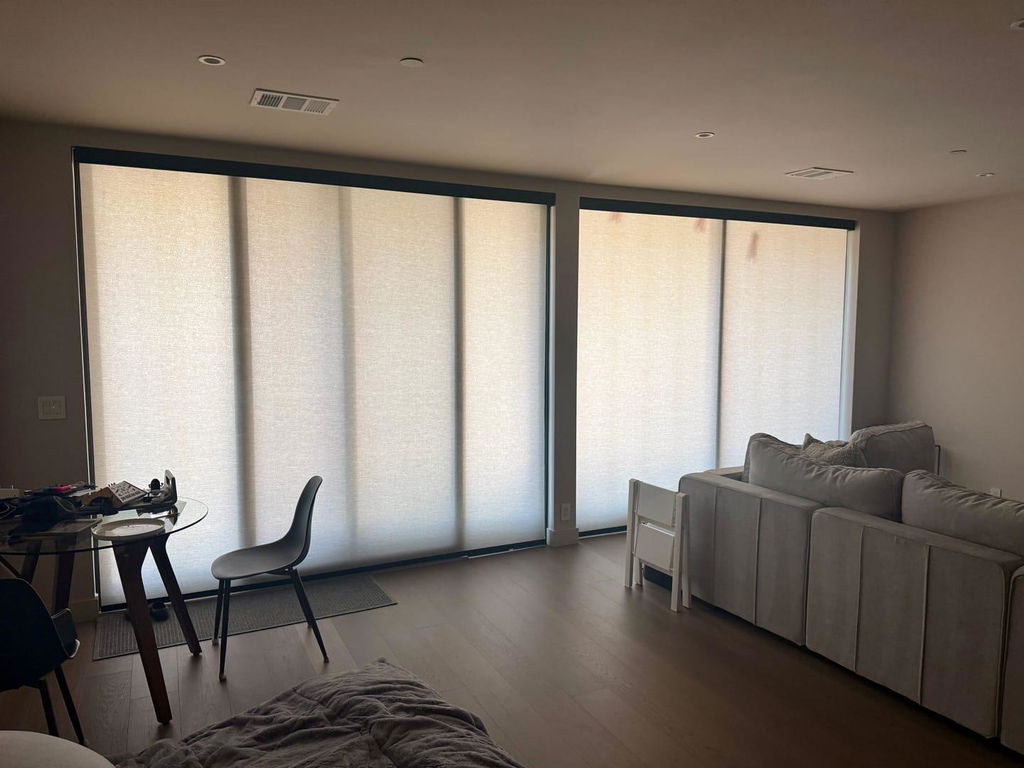
Cellular blinds for sliding doors solve the structural failures of old-school verticals. There is no rattling, just a soft, hushed glide across the track. Because the fabric is a continuous piece, you do not deal with individual slats twisting or falling out of their clips when someone walks through them too quickly.
Do They Actually Look Good in a High-End Room?
Do they look like a giant sideways fan? A little bit. But the 3/4-inch or 9/16-inch pleats on a vertical honeycomb blinds for sliding glass door setup offer a crisp, architectural rhythm. The lines are tight and consistent, which works surprisingly well in a minimalist or mid-century modern space.
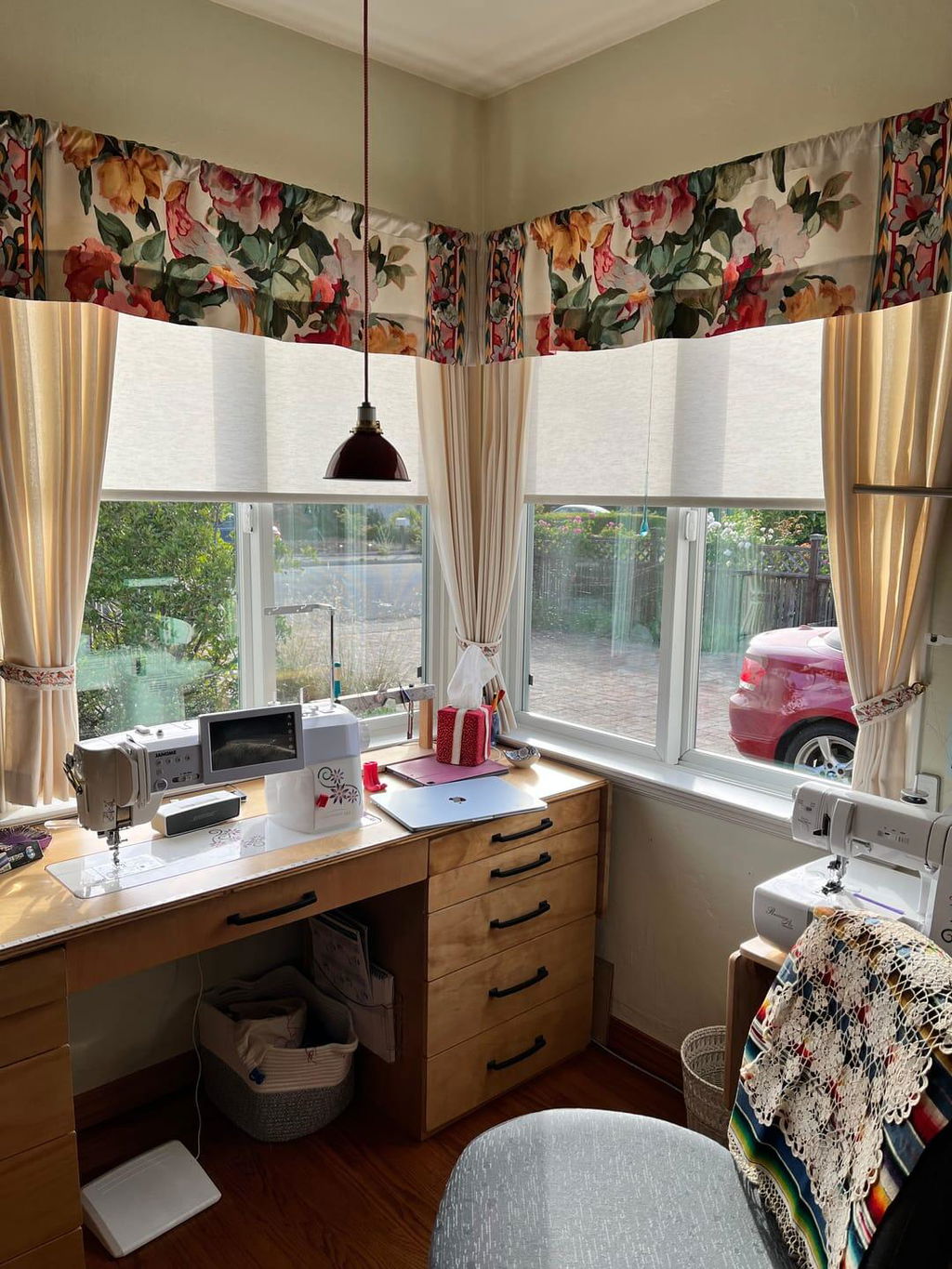
The real win is the stack. While heavy drapes might take up 18 inches of glass when open, vertical honeycomb blinds compress into a few inches. When you transition from insulating cellular shades on your standard windows to a vertical version on the door, the room feels cohesive. You get to keep your view of the garden without a massive wall of fabric blocking the light.
Light Filtering vs. Blackout: Getting the Glow Right
Light filtering cellular patio door blinds create an incredible soft glow—like the whole door is a giant Japanese paper lantern. It is perfect for a living room where you want privacy but do not want to feel like you are living in a cave. The light bounces off the fabric pleats and fills the room with a diffused, amber warmth during the golden hour.
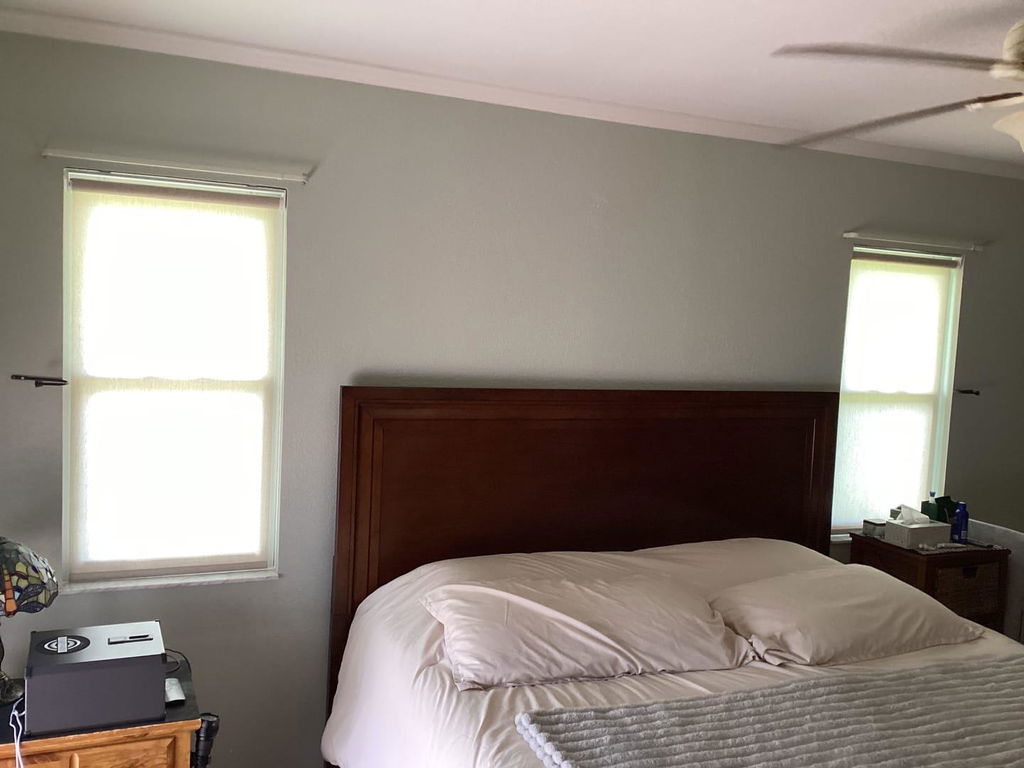
If you are treating a door in a bedroom or media room, go for the blackout vertical cellular shades. These usually have a hidden foil lining inside the cells. Just a warning: the foil makes the fabric slightly stiffer, so it will not have that same 'squishy' softness as the light-filtering versions. It is a trade-off for total darkness.
The Insulation Factor: Battling the Winter Draft
A vertical cellular shade for sliding door use creates a literal air pocket between your room and the glass. The honeycomb shape traps air, which acts as a buffer against the freezing glass. I have stood next to a patio door with 10-degree weather outside; the temperature difference between the bare glass and the closed vertical honeycomb shades for sliding door was nearly 15 degrees.
This is not just marketing speak. It is physics. By covering that massive expanse of glass with trapped air pockets, you are drastically lowering the energy needed to keep your sofa area comfortable. It turns a drafty corner into a usable reading nook again.
My Formula for Layering Over a Sideways Pleated Shade
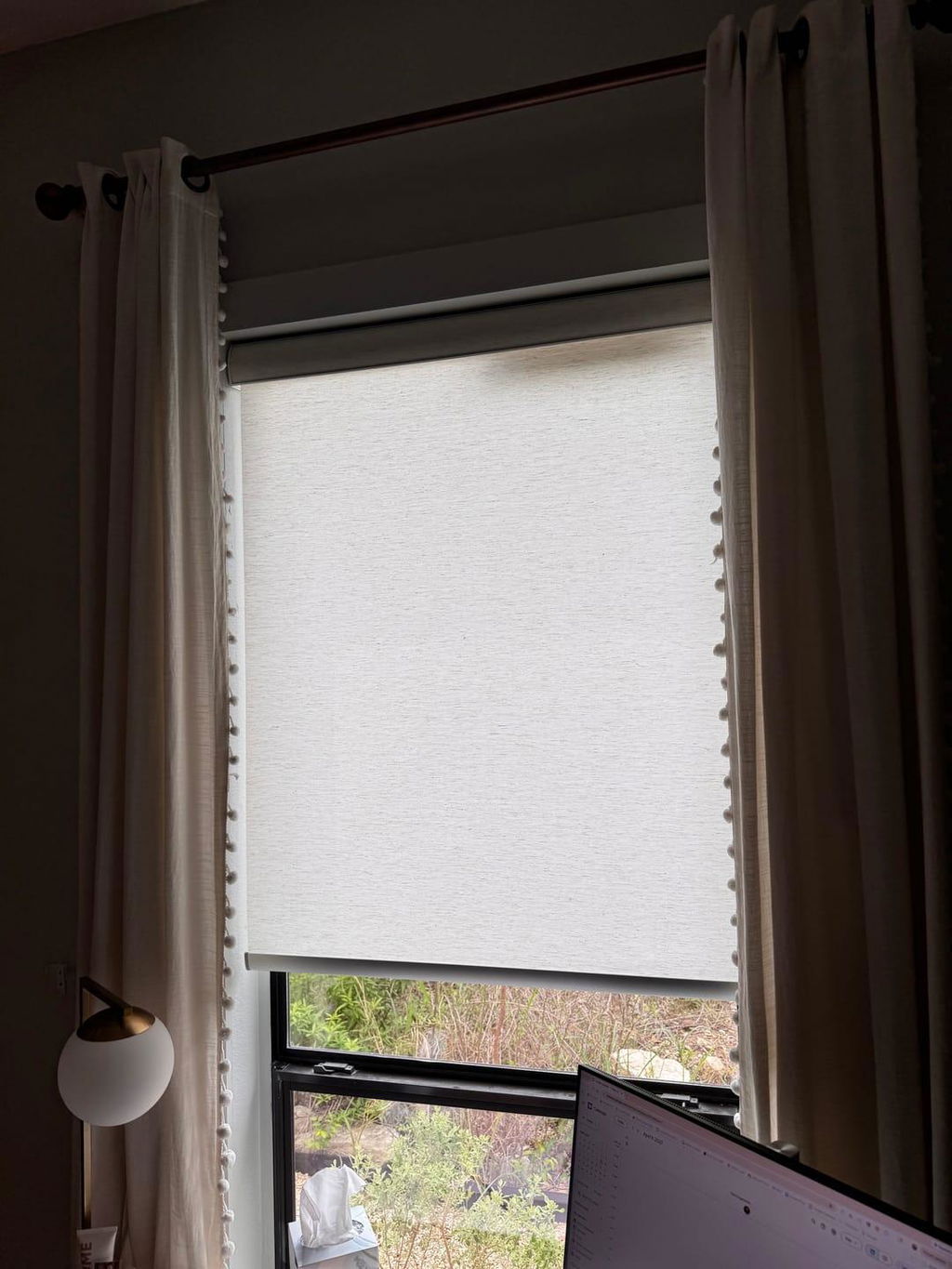
To keep the look from feeling too 'office-like,' I always layer. I mount a matte black or brass rod about 6 inches above the door frame and 10 inches wider on each side. I will hang 100% linen panels—usually a 200 gsm weight—over the vertical cellular blinds for sliding glass doors.
I let the linen have a 1-inch puddle on the floor. This softens the crisp edges of the vertical pleated shades. The blind handles the heavy lifting of light control and insulation, while the linen adds the texture and 'soul' the room needs. It is the ultimate high-low mix for window treatments.
The Final Verdict on Sliding Vertical Cellular Shades
If you have a drafty door and hate the visual clutter of heavy, dust-collecting curtains, these are a win. They belong in high-traffic living rooms and drafty primary suites. I once installed a set that was slightly off-level, and let me tell you, an accordion shade on a tilt is a nightmare to operate. Get your laser level out, take your time with the track, and you will finally stop wearing a parka to watch TV.
FAQ
Can I install these myself?
Yes, but you must use a laser level. If the track is even 1/8th of an inch off, the pleats will not stack straight and will look sloppy when open.
Are they pet-friendly?
They are much better than slats. There are no cords for cats to chew, though a determined dog can still push through the pleats if they are chasing a squirrel.
How do I clean them?
Use the brush attachment on your vacuum once a month. Do not scrub with a wet cloth; you risk crushing the delicate honeycomb shape or staining the fabric.