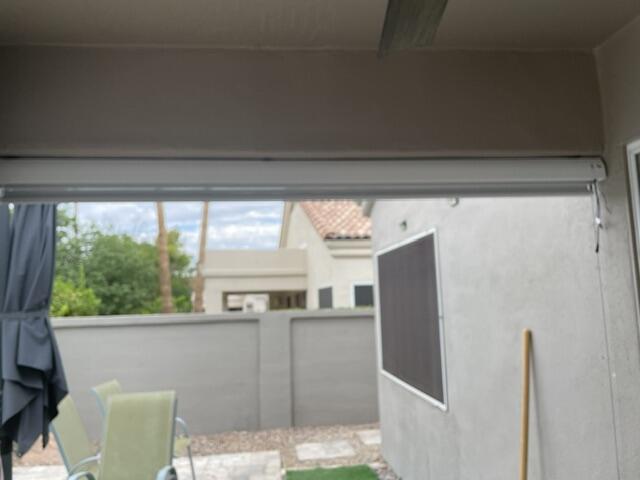
The Only Alternative to Vertical Blinds for Sliding Patio Doors I Use
I remember standing in my first 'grown-up' apartment, staring at a set of yellowing PVC slats that clattered every time the AC kicked on. They looked like they belonged in a 1994 root canal suite, not a home. I tried to live with them for a month, but after the third time a vane popped off its plastic clip because I opened the door too fast, I knew I needed a real alternative to vertical blinds for sliding patio doors.
The struggle with sliding doors is real: you need something that moves horizontally, just like the glass, but you don't want it to look like a commercial utility. I've spent years testing everything from heavy velvet drapes to high-tech tracks to find the sweet spot between 'I can actually get to my grill' and 'this belongs in a magazine.'
- Sliding Track Panels: Best for a minimalist, modern aesthetic with wide fabric spans.
- Vertical Cellular Shades: The top choice for drafty doors and energy efficiency.
- Traversing Drapery: Provides the softest look and hides the door frame entirely.
- Stacking Space: Always measure how much room the treatment takes up when fully open so you don't lose 20% of your view.
Why We All Collectively Hate the Dentist-Office Vibe
Traditional vertical blinds are the design equivalent of a beige cubicle. They are noisy, they break constantly, and they do absolutely nothing for the soul of a room. If you are looking for ideas to replace vertical blinds, you are likely tired of that cheap plastic sheen and the way they tangle in the breeze.
Functionally, they are a nightmare for pet owners. I’ve seen more than one cat weave through those slats and leave them permanently crooked. Beyond the durability issues, they offer zero insulation. If your patio door is a source of winter drafts, those thin PVC strips are basically doing nothing to help your heating bill.
Sliding Track Panels: The Sleek, Architectural Upgrade
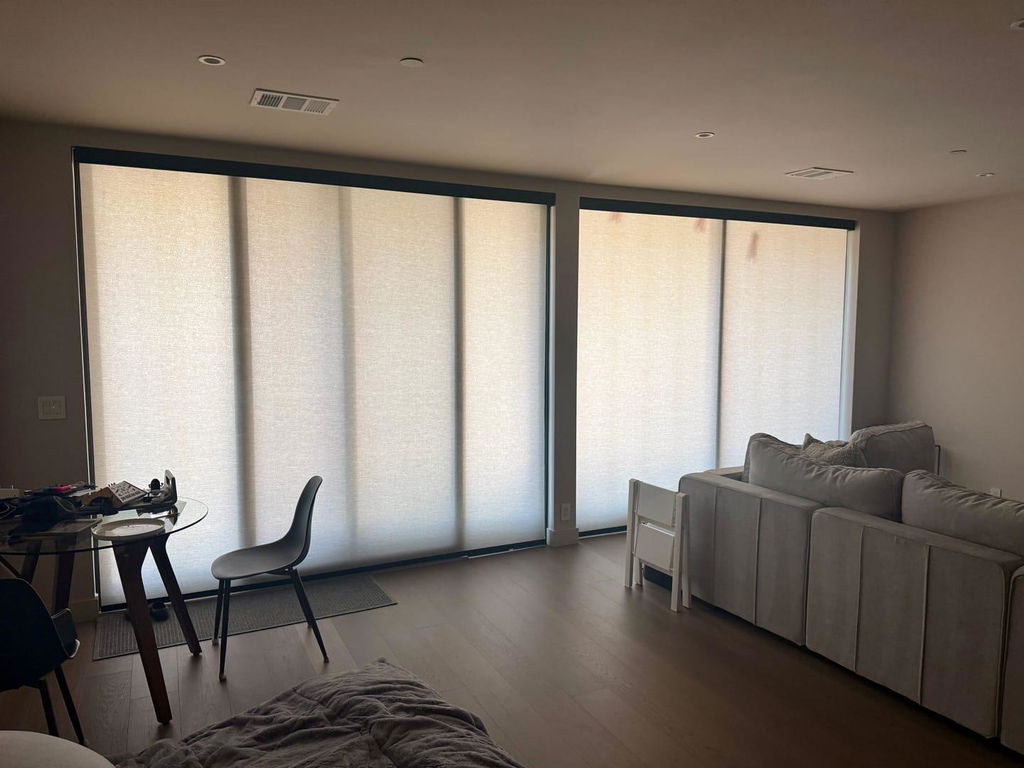
If you love a clean line, sliding track panels (sometimes called panel tracks) are the gold standard. Instead of fifty tiny slats, you have four or five wide panels of fabric—usually 20 to 30 inches wide—that slide behind one another on a slim top rail. It feels architectural rather than cluttered.
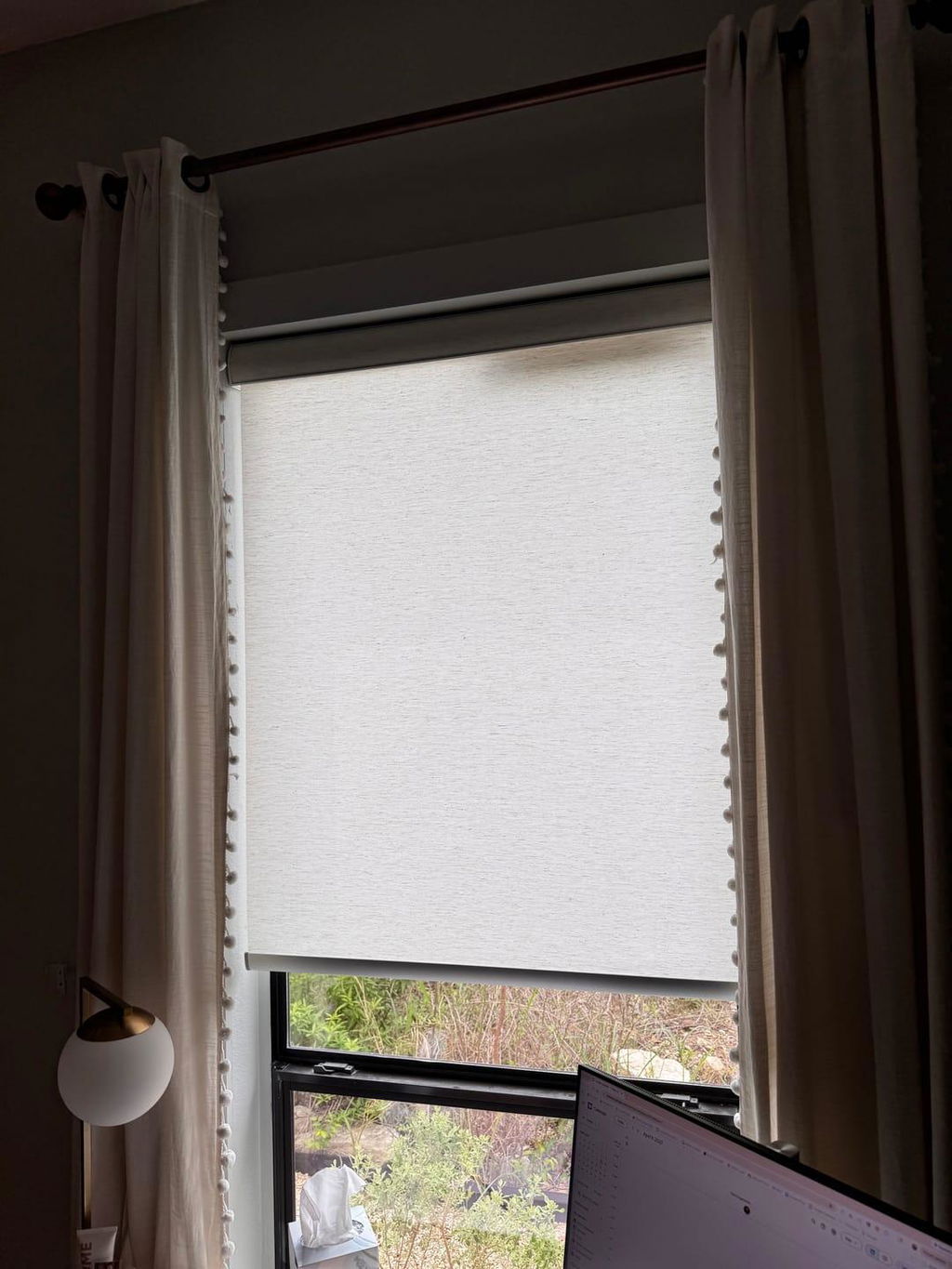
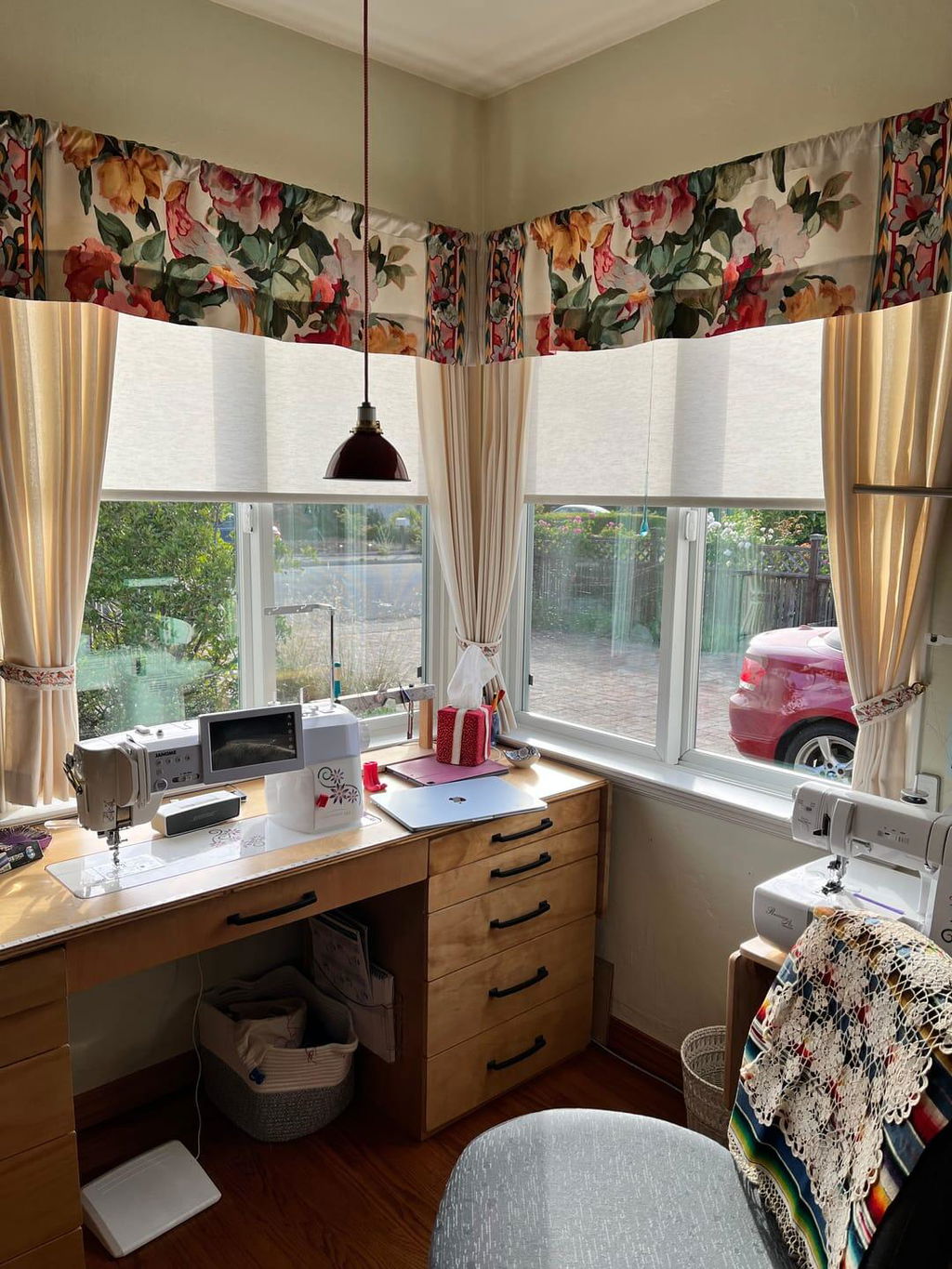
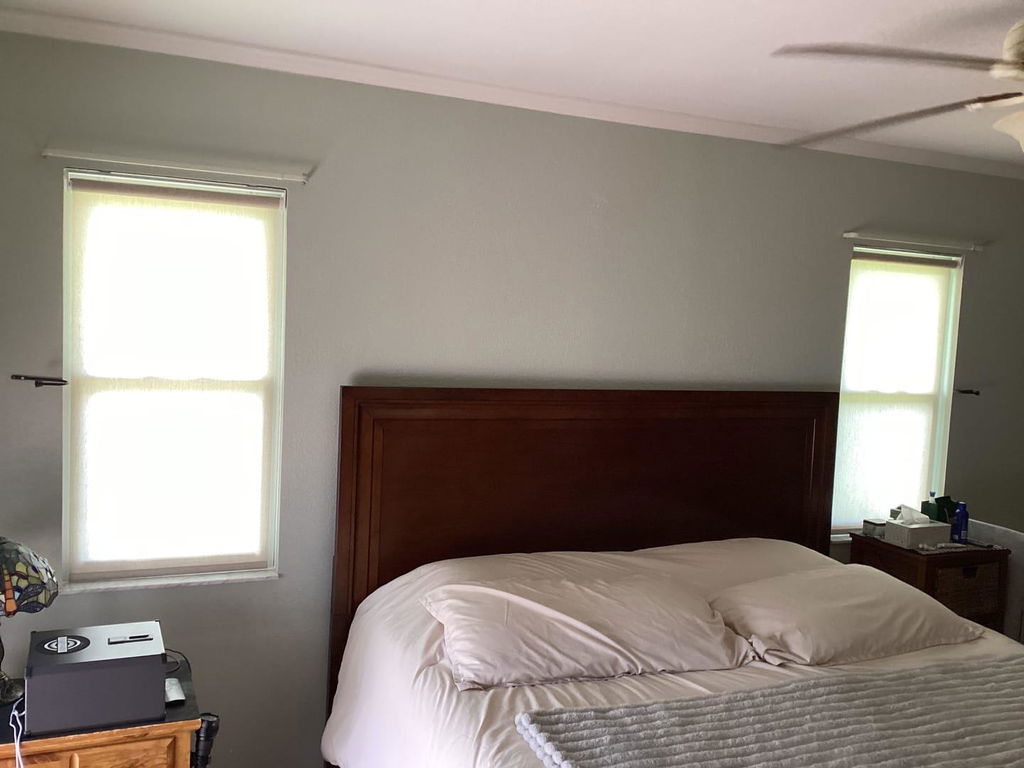
I usually spec a woven wood material or a stiff, 300 gsm solar fabric for these. It gives the door a textured, high-end feel while still being incredibly easy to whip open when you’re carrying a tray of drinks to the patio. If you have standard windows in the same room, you can coordinate the look with Canisteo Motorized Dual Roller Shades to keep the vibe consistent and modern without everything being identical.
Vertical Cellular Shades: The Secret to Surviving Drafty Patios
For my clients in colder climates, I almost always suggest vertical cellular shades. These are essentially honeycomb shades turned on their side. They compress down to a tiny 6-inch stack, meaning they stay out of the way when you want the sun, but provide an incredible R-value when closed. They are a brilliant alternative to sliding door blinds because they trap air in those little hex cells, acting as a thermal barrier.
I recently installed a set of Day Night Shades in a drafty mid-century walk-out, and the homeowners noticed a difference in the room temperature within an hour. They operate with a simple handle—no cords to tangle or chains to pull. It’s a clean, cordless solution that feels very 'now.'
Traversing Drapery: Softening the Hard Glass Lines
Sometimes the best way to fix a sliding door is to hide it. A heavy-duty traverse rod allows you to use real drapery—think a 250 gsm linen blend with a blackout lining—that glides across the span with one hand. This is the ultimate way to make a room feel expensive and cozy.
I recommend a pinch-pleat header for a tailored look. Use a rod that extends at least 8 to 12 inches past the door frame on each side. This allows the fabric to 'stack' on the wall, leaving the glass completely clear when the curtains are open. If you are a renter and can't swap the hardware, you can actually layer curtains over existing verticals to hide the plastic while keeping your security deposit safe.
What I Wish I Knew Before Swapping My Hardware
The biggest mistake people make is ignoring 'stack-back.' That’s the physical space the fabric or panels occupy when they are pushed open. If you have a 72-inch door and your panels take up 15 inches of space, your 'clear' opening is suddenly much smaller. Always check the stacking charts before you buy.
Also, watch your door handle. Some sliding door handles stick out 3 inches from the frame. If you mount your new track too close to the wall, the fabric will snag on the handle every single time. Take the extra ten minutes to measure the projection before correctly installing your new shades. I’ve seen people who didn't plan for this and finally gave in to vertical blinds again out of pure frustration—don't let that be you.
Can I use normal curtain rods for sliding doors?
You can, but I don't recommend it for high-traffic doors. Standard rings will get stuck on the center support bracket. A traverse rod is much better because the carriers move freely across the entire length without hitting brackets.
Which fabric is best for high-sun patio doors?
Go with a high-quality polyester blend or a treated linen. 100% silk or low-grade cotton will sun-bleach and rot within two seasons if you have a south-facing exposure. Look for 'UV resistant' or use a high-quality liner.
How do I clean sliding track panels?
Most can be lightly vacuumed with a brush attachment. If you have kids or dogs, choose a 'wipeable' solar fabric rather than a textured weave, which tends to trap pet hair and dust more easily.