Are the Best Light Filtering Roller Shades Actually Private at Night?
I remember the first night in my last apartment. I had spent the entire afternoon installing what I thought were the best light filtering roller shades on the market—crisp, white, and perfectly minimal. But as soon as I flipped on the floor lamp to read, I realized I was essentially performing a one-woman show for the entire street. From the sidewalk, my living room wasn't a private sanctuary; it was a brightly lit stage where every movement was a crisp, dark silhouette against the fabric.
It is the classic window treatment catch-22. You want that soft, ethereal glow during the day that makes your morning coffee feel like a scene from a Nancy Meyers movie, but you don't want to give the neighbors a front-row seat to your evening skincare routine. Finding the balance between translucent beauty and actual privacy is an art form that comes down to a few technical specs most people overlook until they are standing in their pajamas, making eye contact with a passerby.
Quick Takeaways
- Light filtering shades provide total privacy during the day but can show silhouettes at night.
- The 'openness factor' (1% vs 5%) determines how much detail is visible from the outside.
- White shades can shift color temperature depending on your interior lighting.
- Cordless mechanisms are essential for a clean, modern look and better safety.
- Layering is the only 100% foolproof way to guarantee nighttime privacy with light-filtering fabrics.
The Great Privacy Panic: Do They Actually Hide Anything?
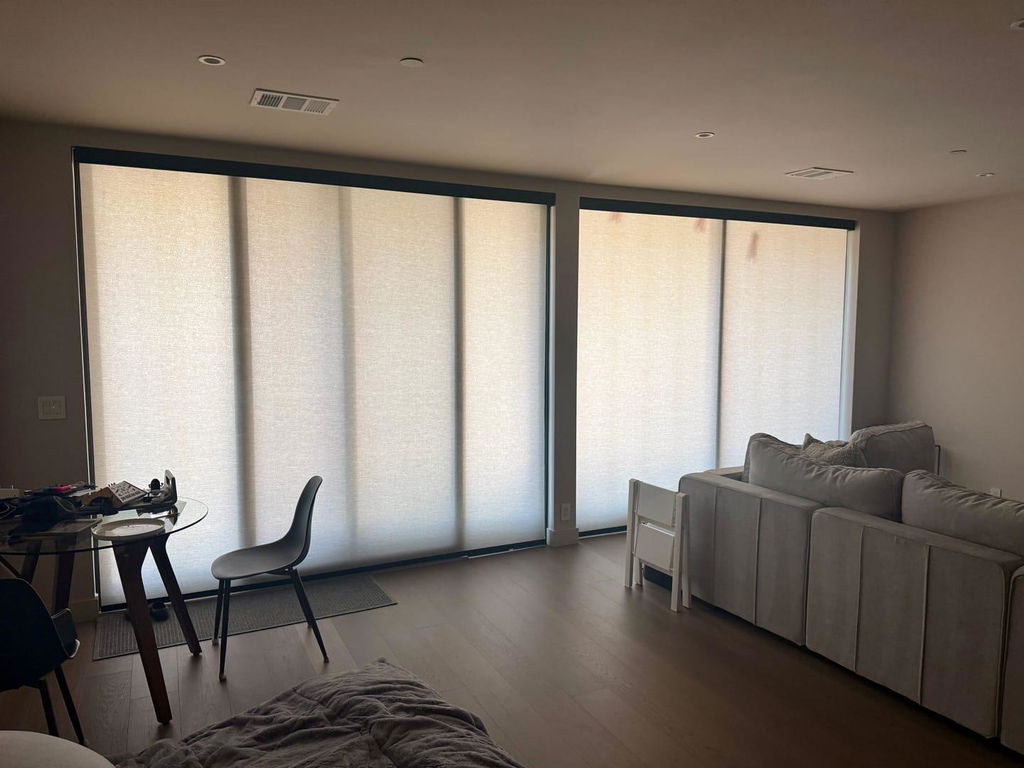
Let's talk about the 'silhouette effect.' It is the physics of light contrast. During the day, the sun is significantly brighter than your interior lamps. This means you can see out, but people can't see in—the fabric acts like a one-way mirror. But at 7:00 PM in November, that script flips. When your interior lights are on and it is pitch black outside, the shade becomes a backlit screen. If you are standing three feet from the window, anyone outside can see exactly what you are doing.
I have tested dozens of these, and the reality is that 'light filtering' does not mean 'opaque.' If you choose a shades filter with a looser weave, you aren't just letting in light; you are letting in eyes. To test this before you commit, take a sample of the fabric, hold it up to a lamp in a dark room, and have someone stand on the other side. If you can see the shape of their hand or the color of their shirt, that is exactly what the neighbors will see.
For high-traffic areas like a street-facing living room or a bathroom, you have to be strategic. You aren't necessarily looking for blackout, but you are looking for a tighter weave. A high-quality 250 gsm polyester-screen blend will diffuse light enough that a person inside just looks like a vague, unidentifiable blur rather than a sharp shadow. It's the difference between 'someone is home' and 'someone is eating a bowl of cereal in their robe.'
Finding the Sweet Spot Between Glow and Glare
When you go to select light filtering roller shades, you will see a percentage—usually 1%, 3%, 5%, or 10%. This is the 'openness factor.' A 10% openness is basically a screen door; it is great for a sunroom where you want to keep the view but stop the heat. But for a bedroom? Absolutely not. I always recommend a 1% or 3% openness for residential windows where privacy matters.
South-facing windows are the biggest challenge. They get that brutal, direct afternoon sun that can wash out your TV screen and bake your furniture. In my own studio, I use light filtering roller shades for windows that face the afternoon sun because they cut the glare without making the room feel like a cave. A 1% openness factor is the sweet spot here. It keeps the room bright but stops the squinting.
If you go too open, you lose the UV protection. If you go too tight, you lose the view. I prefer a 3% weave for most 'public' rooms like kitchens and dining areas. It allows you to see the shapes of the trees outside while providing enough density to feel secure. It is about managing the light, not just blocking it.
The White Shade Warning (And Why I Still Use Them)
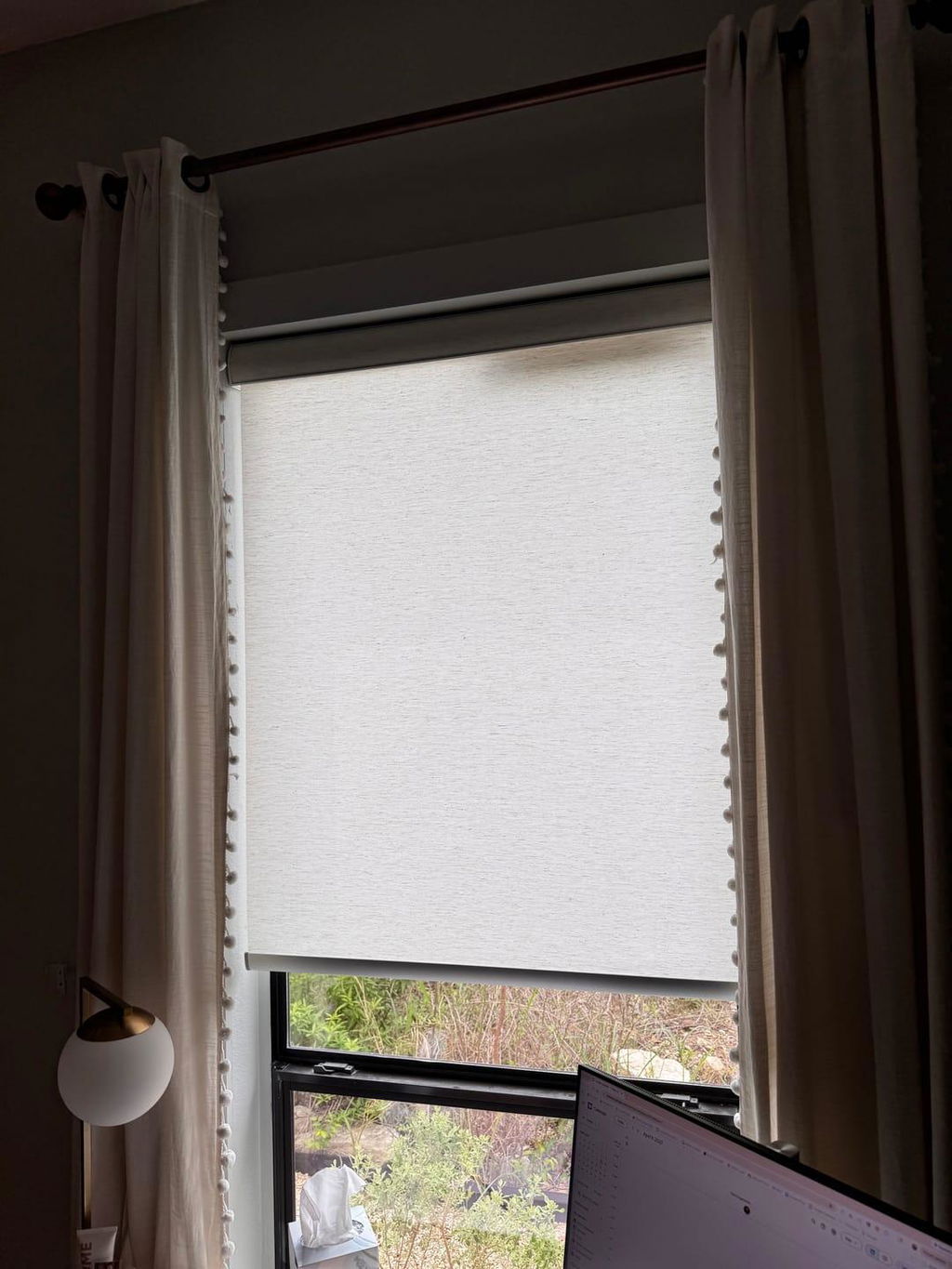
There is nothing quite like white light filtering shades to make a room feel larger. They act like a giant softbox for your interior. However, white is a chameleon. I once installed a set of white roller shades light filtering panels in a room with 2700K 'warm' LED bulbs. During the day, they were a perfect gallery white. At night, they looked like old parchment paper.
The sun's temperature changes throughout the day, and your fabric will react to it. A cool-toned white shade can look blue in the morning, while a creamier white can make the room look yellow if it picks up the wrong undertones from your floor or furniture. I always tell clients to tape their fabric samples to the window for 24 hours. Watch how the color shifts at 10 AM, 4 PM, and 9 PM under your actual light bulbs.
Despite the color-matching headache, I still swear by white. It reflects the most light back into a dark room and keeps the window from feeling like a 'black hole' at night. Just be sure to choose a 'Cool White' if you have grey walls and a 'Warm White' or 'Chalk' if you have wood floors and brass accents.
Ditching the Strings: Why Cordless is Non-Negotiable
If you are still looking at light filtering roll up shades with those plastic beaded chains or—heaven forbid—the old-school spring-loaded rollers that snap up and hit the header, please stop. The hardware is 50% of the experience. Modern cordless light filtering roller shades are the only way to go. They offer a tension-based system where you just grab the bottom rail and pull. No tangles, no safety hazards for kids or pets, and no ugly strings dangling in your peripheral vision.
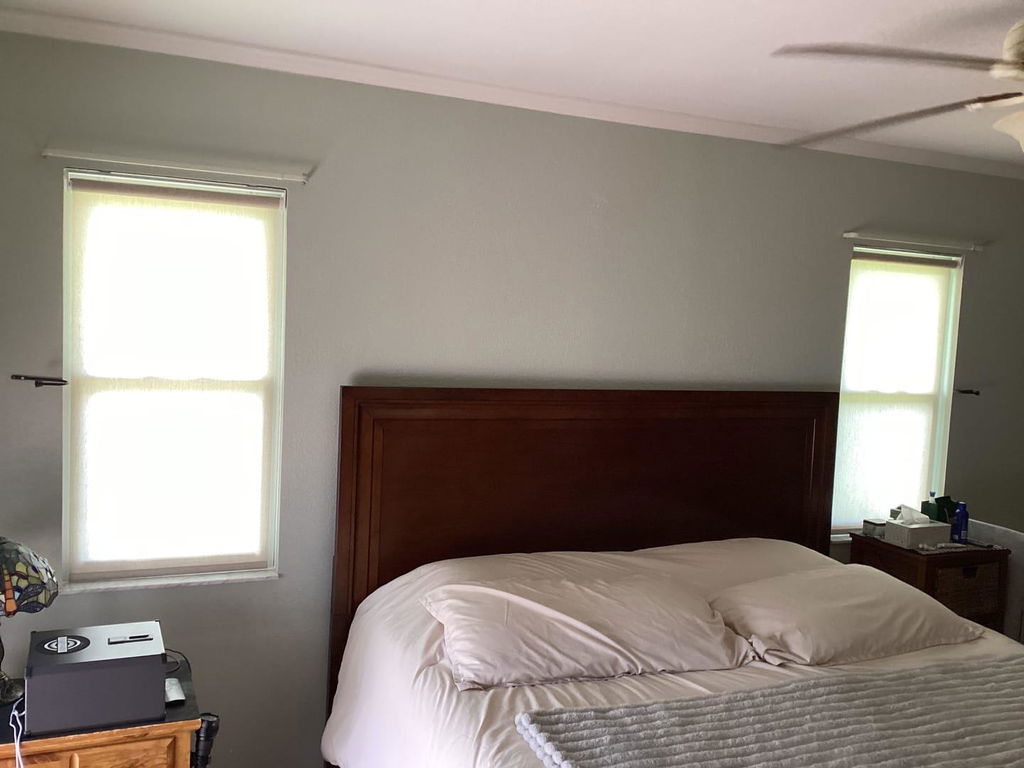
The aesthetic difference is massive. When you install modern roller shades, the profile is so slim that they almost disappear into the window frame. I recently redid a mid-century ranch where we used inside-mount cordless shades. Because there were no cords, the clean lines of the mahogany window trim stayed front and center. It looked like a custom architectural feature rather than an afterthought from a big-box store.
Beyond looks, cordless mechanisms are just more reliable. Those old chains eventually break or the plastic connectors snap. A high-quality cordless tensioner feels heavy and smooth. It stays exactly where you put it, which is crucial when you want to leave the shades 'half-mast' to show off a window box while still blocking the direct sun.
How I Fix the Nighttime Privacy Problem
If you are truly worried about the silhouette effect, you don't have to give up on light filtering fabrics. You just need a strategy. My favorite solution is a dual-roller system. These use a double bracket that holds two separate shades. You put a light-filtering shade in the front for daytime use and a blackout shade behind it for nighttime. It is the gold standard for bedrooms.
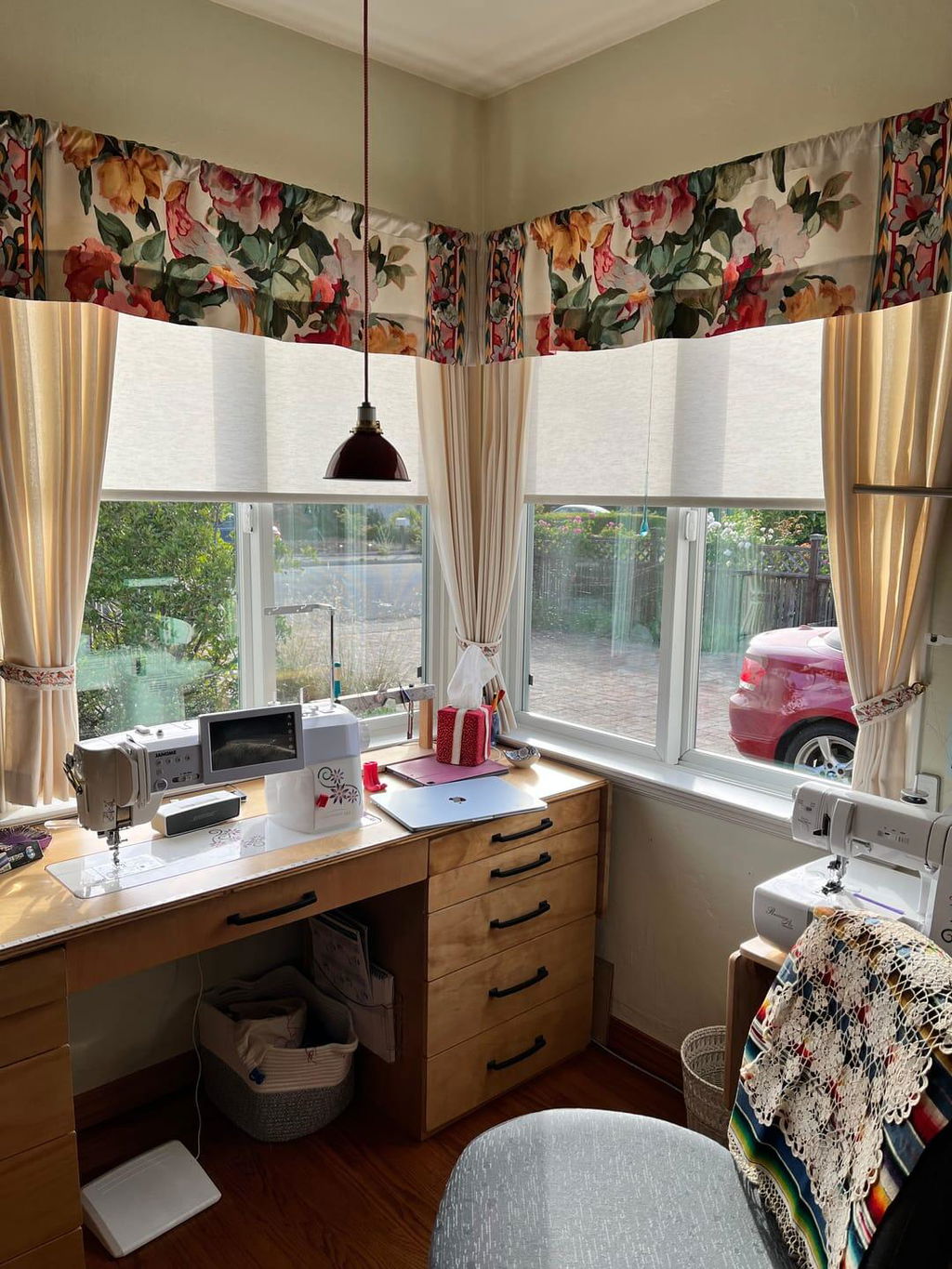
Another option is to look into day night shades which are designed specifically to transition between these needs. But if you want a more 'designer' look, I always suggest layering. I’ll hang a sleek roller shade inside the window frame for light control and then mount a pair of heavy linen drapes on a rod outside the frame. During the day, the drapes stay open, and the roller shade does the work. At night, you pull the drapes shut for total privacy and warmth.
I learned this the hard way after a 'measuring mishap' in my first house. I ordered shades that were a half-inch too narrow, leaving a tiny 'light gap' on either side. At night, it looked like a laser beam of light was shooting out of my house. Layering drapes over those gaps saved the room (and my sanity). It adds texture, improves acoustics, and finally solves that 'fishbowl' feeling for good.
FAQ
Can people see through light filtering shades at night?
Yes, to an extent. If your lights are on inside and it is dark outside, people will be able to see shapes and silhouettes. The closer you are to the window, the clearer the silhouette will be. If privacy is a major concern, choose a 1% openness factor or layer with drapes.
What is the difference between 1% and 5% openness?
The percentage refers to how much light (and view) passes through the weave. 1% is a very tight weave with high privacy and high UV protection. 5% is more common and allows for a better view of the outdoors but offers less privacy at night.
Are cordless roller shades hard to install?
Not at all. Most use a simple two-bracket system. The key is making sure your window frame has enough 'depth' (usually at least 2 inches) for an inside mount. If not, you can easily do an outside mount on the trim or wall.
Do white roller shades turn yellow over time?
High-quality polyester light-filtering fabrics are generally UV-stabilized, so they won't 'tan' or turn yellow from the sun. However, they can look yellow if they reflect warm interior lights or if they collect dust. Regular dusting with a vacuum attachment keeps them bright.