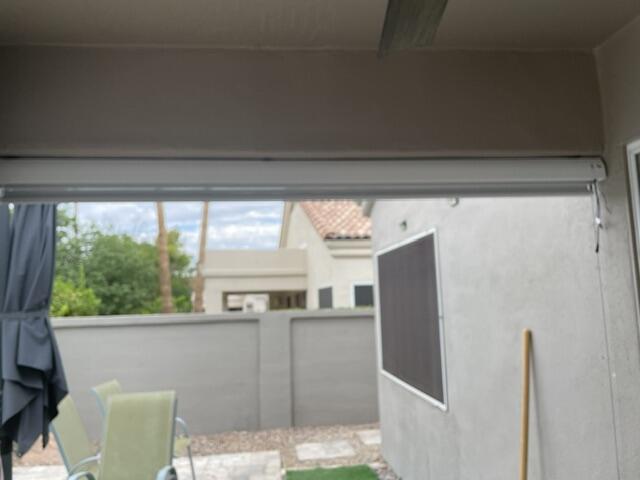
Are Shade Store Blackout Shades Actually Worth the Custom Price Tag?
I’ve spent a decade hacking window treatments. I’ve pinned, steamed, and even used iron-on hem tape in a rental at 2 AM to get that 'perfect' drape. But there comes a point in every adult’s life where you realize that a 'good enough' blackout solution is actually just a very expensive way to still be awake at sunrise. After years of piecing together budget hardware, making the jump to custom was a revelation for a recent primary suite project and I finally splurged on Shade Store.
If you are staring at a quote for shade store blackout shades and wondering if you could just buy three pairs of velvet curtains instead, you aren’t alone. The price gap between 'ready-made' and 'custom-measured' is a chasm. But when it comes to the difference between a dark room and a truly blacked-out cave, those extra dollars are doing a lot of heavy lifting behind the scenes.
Quick Takeaways
- Custom measurements reduce the 'light halo' effect that ruins off-the-shelf shades.
- The fabric weight of shade store blackout options is significantly heavier than big-box alternatives.
- Flush mounting is only possible when the roller mechanism is designed for your specific window depth.
- Motorization and high-end clutches offer a tactile smoothness you won't find at a hardware store.
The Custom Window Treatment Dilemma: To Hack or to Buy?
We’ve all been there. You find a beautiful 96-inch linen panel at a discount store, you buy the blackout liners separately, and you spend a Saturday wrestling with drapery hooks. It looks great in a photo. But then 6 AM hits, and the light leaks through the top, the sides, and the middle where the panels don’t quite meet. It’s frustrating.
In a primary bedroom, sleep quality is the one thing you shouldn’t compromise on. When I finally decided to look into the shade store blackout shades, I was looking for more than just a pretty fabric. I wanted a solution that felt integrated into the architecture of the room, not something tacked onto the trim as an afterthought. It’s about that crisp, built-in look that only comes from a factory-cut tolerance.
What Exactly Are You Paying For With The Shade Store?
The first thing you notice isn't the look—it's the weight. A standard roller shade from a home improvement store feels like a sheet of stiff paper. The Shade Store’s blackout materials, particularly their woven collections, feel like actual textiles. They have a 300-400 gsm feel that hangs with authority. There is no curling at the edges, which is the hallmark of cheap, thin vinyl.
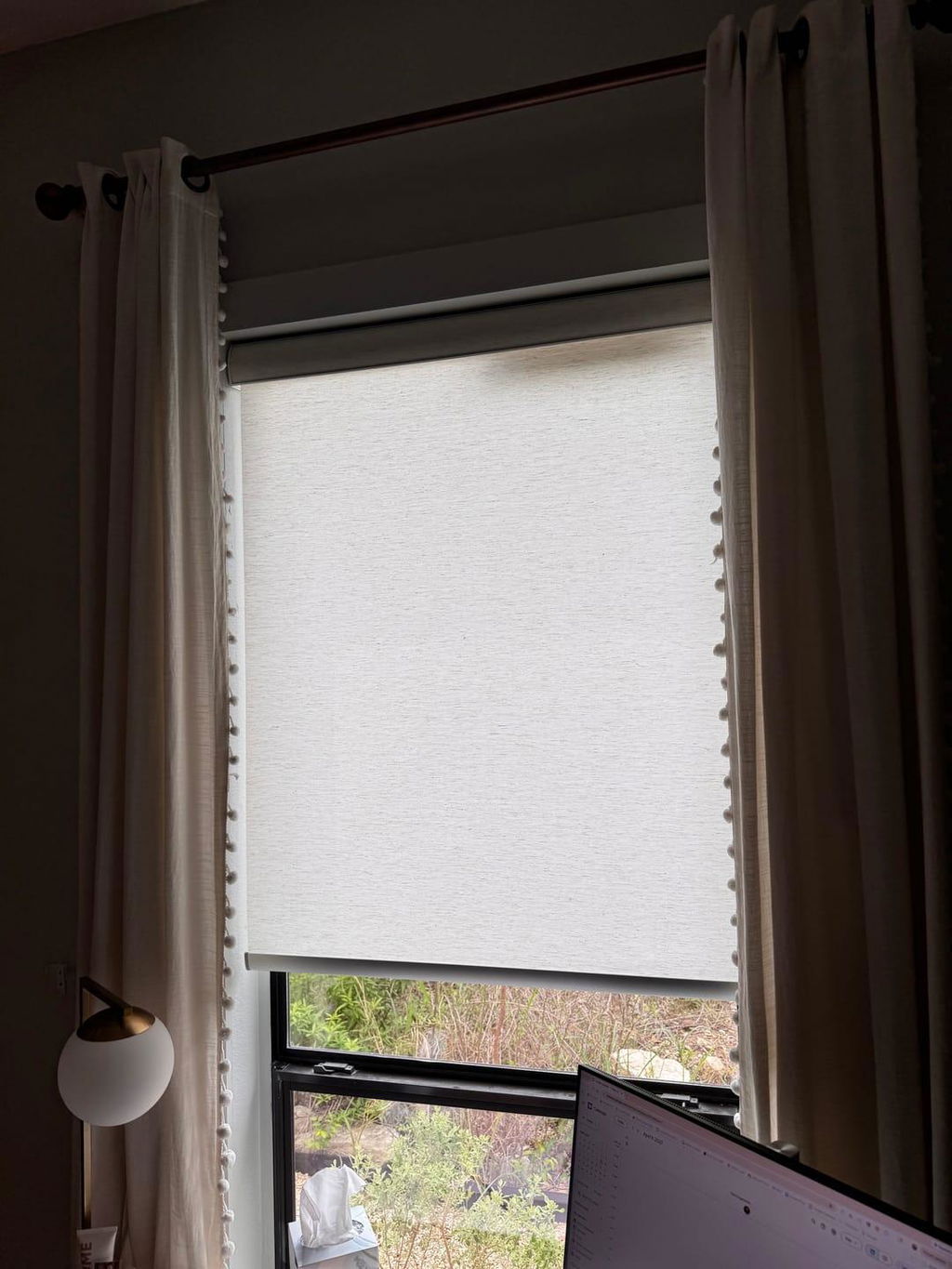
Then there’s the hardware. Most budget rollers stick out an inch or more from the wall because the brackets are generic. This creates a massive gap. The Shade Store’s mechanisms are slimmed down and engineered to sit flush. When you pull the metal beaded chain, the movement is fluid. There’s no jerky resistance or that 'clack-clack-clack' sound that wakes up your partner on a Saturday morning.
The Dreaded Light Gap: How Precise Tolerances Save Your Sleep
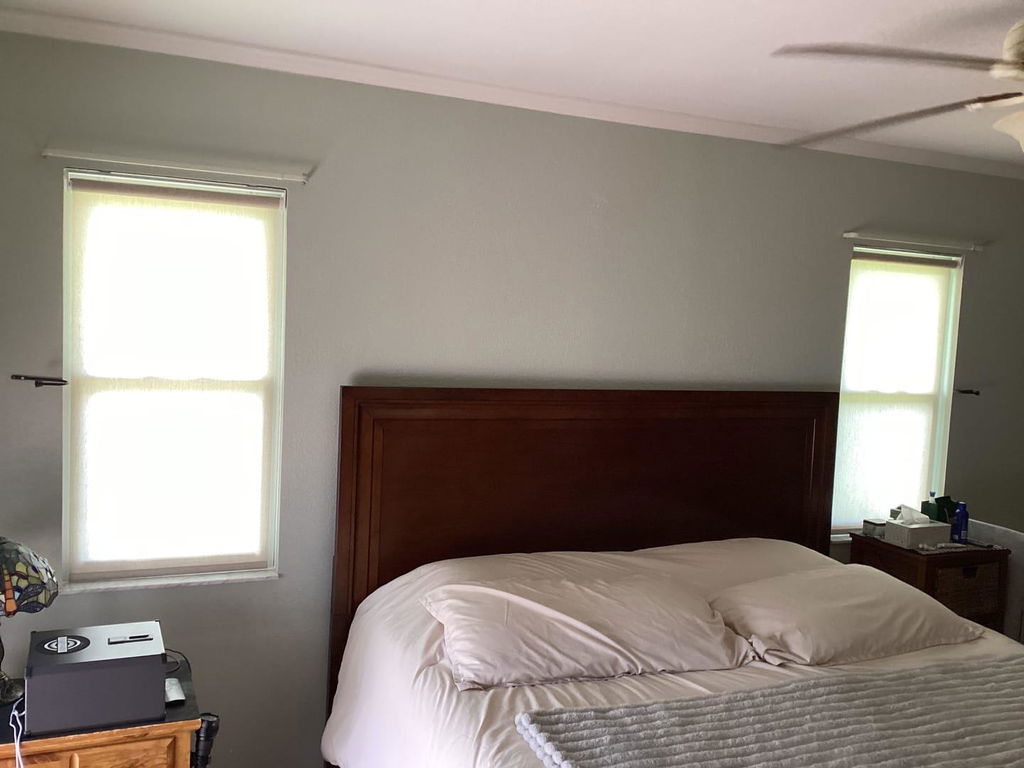
If you choose an inside mount, precision is everything. An off-the-shelf blind is usually sold in 2-inch increments. If your window is 34.5 inches wide, you buy the 34-inch blind and end up with a half-inch gap of pure sunlight on either side. That’s a one-inch halo of morning light that hits you right in the face when you're trying to sleep in.
With shade store blackout treatments, the factory tolerances are down to the eighth of an inch. They measure the top, middle, and bottom of your window casing because your house isn't square. I’ve used the best blackout shade Amazon sells for guest rooms, and they’re fine when 'mostly dark' is the goal. But for a room where you need total darkness to function, that custom fit is the only way to kill the light leak.
When to Fake It (And When You Absolutely Shouldn't)
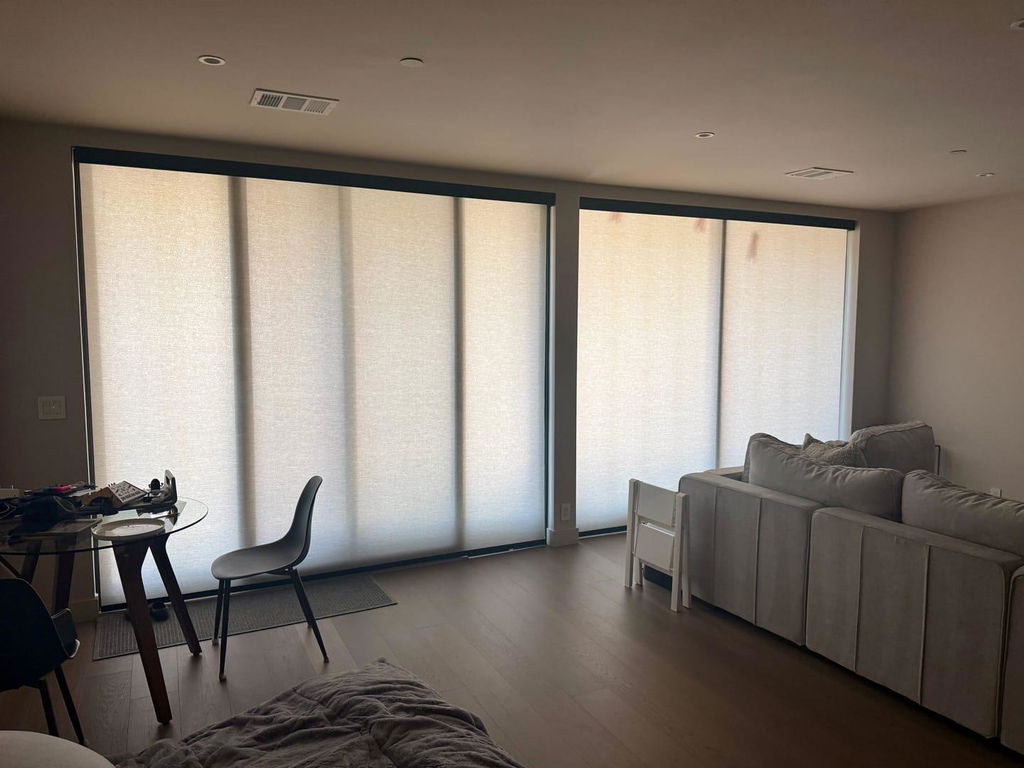
I am a huge advocate for budget-friendly design in the right places. In a dining room or a home office, you can absolutely get away with layered retail drapes. You don’t need 100% light blockage to eat pasta or hop on a Zoom call. In those spaces, I often suggest something like Canisteo Motorized Zebra Shades if you want a modern look with flexible light control without the traditional flat roller vibe.
However, the nursery and the primary bedroom are non-negotiable. If you are dealing with a street lamp right outside your window, the 'DIY hack' will eventually fail you. You’ll end up spending more money trying to fix the gaps with ugly foam tape than you would have spent just buying the right shade the first time. Allocate your budget where the function matters most.
Final Verdict: Should You Wait for the Custom Lead Time?
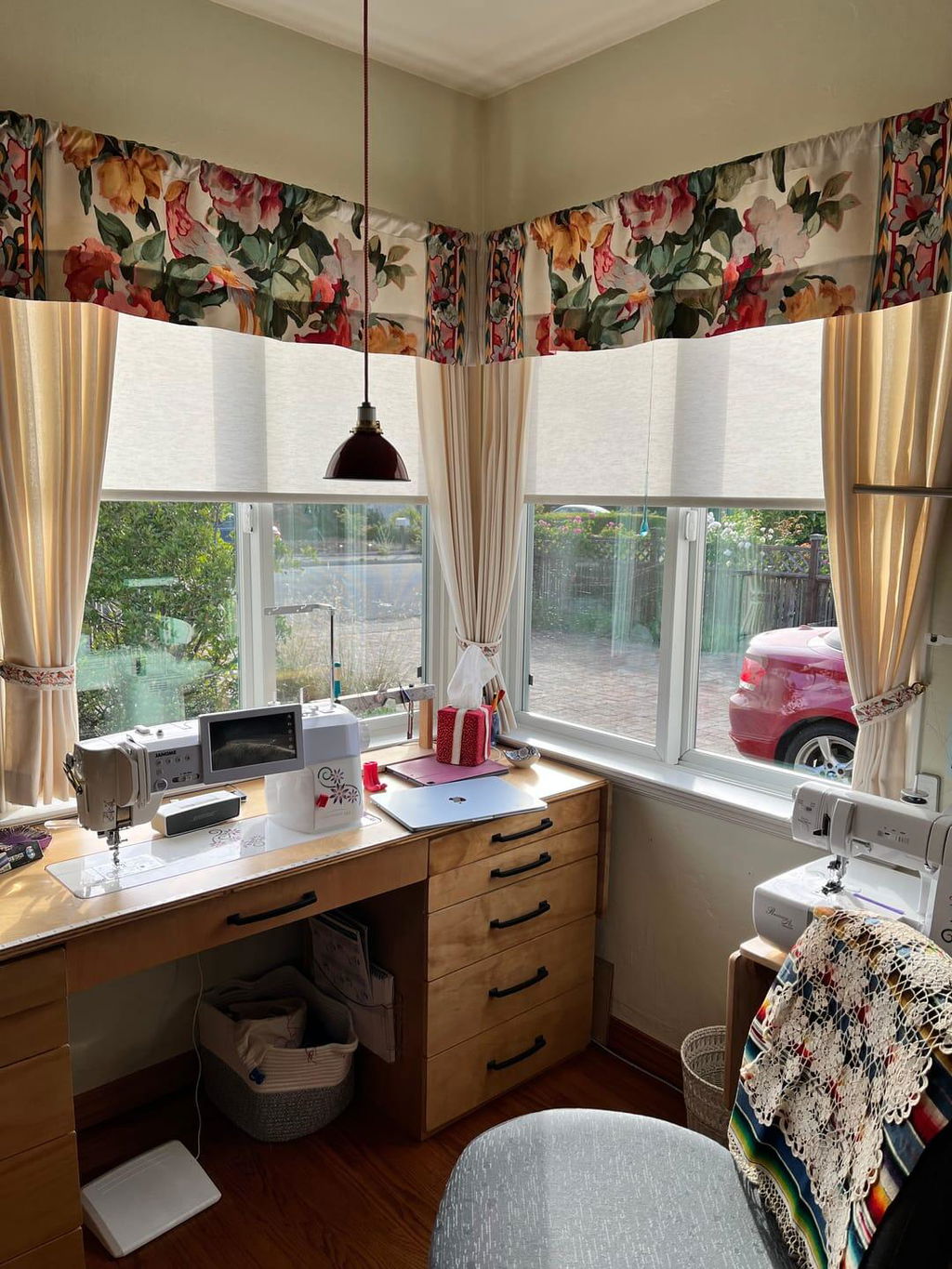
The three-to-five-week wait for custom shades is a test of patience. But once they are installed, the difference is immediate. To keep the room from feeling too 'clinical' with just a roller shade, I always recommend layering. Hang a sheer linen curtain on a thin brass rod in front of the blackout roll. It softens the edges and gives you that architectural finish while the shade does the heavy lifting.
If you're still on the fence about which style works for your specific windows, take a look at all your shade solutions to see how different opacities play in different light. For me, the investment in sleep was worth every penny of that custom price tag. You can't put a price on not being woken up by a sliver of sun at 5:45 AM.
Personal Experience: The Midnight Measuring Fail
I once tried to save $400 by measuring a set of 'custom-ish' shades myself for a client's guest house. I measured the width at the top but forgot that the old plaster walls tapered in by nearly half an inch at the bottom. The shades arrived, looked beautiful, and then physically wouldn't roll down past the halfway point. I ended up eating the cost of the replacement. Now, I pay for the professional measure-and-install service. It’s the best insurance policy you can buy.
FAQ
Do custom blackout shades really block 100% of light?
The fabric itself blocks 100%, but light can still 'bleed' around the edges. A custom fit minimizes this to almost nothing, whereas a DIY shade will always have a noticeable gap that requires extra side channels to fix.
Can I install Shade Store shades myself?
You can, but I don't recommend it if your windows are large or your walls are old plaster. Professional installers handle the level and the tension so the shade doesn't track crookedly over time.
Are motorized blackout shades worth it?
If your windows are behind a bed or a bathtub where reaching is a struggle, yes. If you can easily reach the window, the manual metal chain is perfectly fine and saves you a few hundred dollars per window for other decor.