Are See Through Sun Shades for Windows Private at Night?
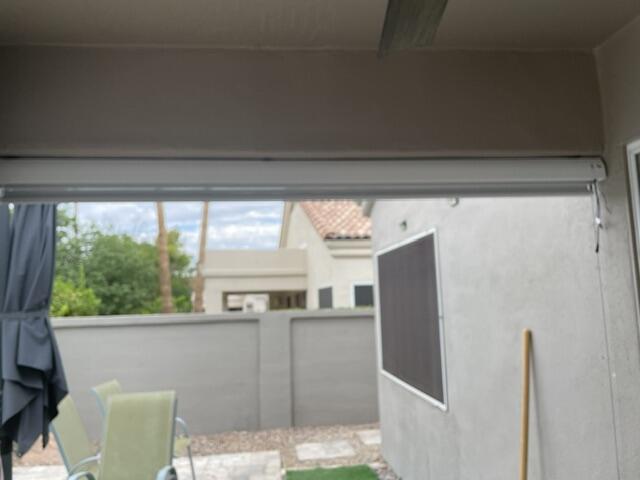
I remember the first time I installed a see through sun shades for windows setup in a client's sun-drenched breakfast nook. It was a crisp October afternoon, and the light was hitting the table at that perfect, golden 4 PM angle—the kind that usually blinds you while you're trying to read. Once we snapped those charcoal solar screens into their brackets, the glare vanished, but the view of the turning maple trees stayed crystal clear. It felt like magic.
But then evening rolled around. As soon as we flicked on the overhead pendant light, the 'magic' reversed. From the sidewalk, the kitchen looked like a lit-up stage, and my client was the unintended star of the show. It’s the classic solar shade dilemma: you want the view, but you don't want to be the neighborhood's evening entertainment.
- Solar shades offer excellent daytime privacy by reflecting exterior light.
- At night, the privacy flips—if your lights are on, people can see inside.
- Openness factors (1% to 10%) determine how much of the 'fishbowl' effect you'll experience.
- Layering with drapes or using a dual-shade system is the best way to secure nighttime privacy.
The 'Two-Way Mirror' Illusion of Solar Weaves
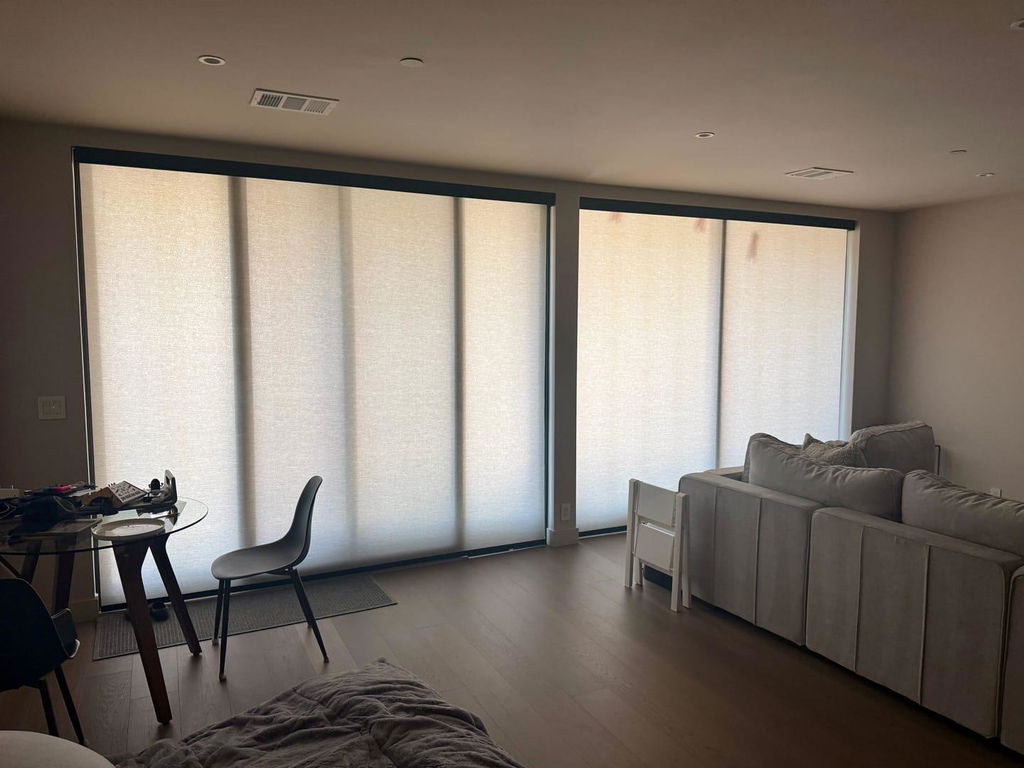
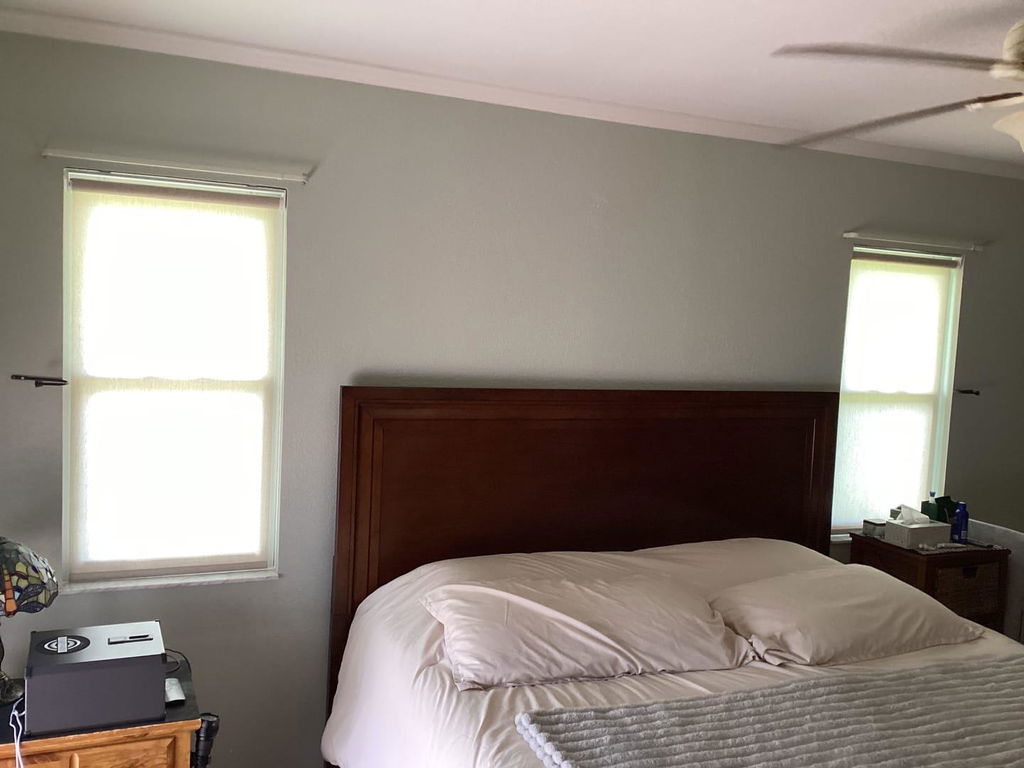
The physics of a see through shade screen is actually pretty simple, though it feels like high-tech wizardry when you first hang them. These shades work on the principle of light balance. During the day, the sun is significantly brighter than the lamps inside your home. The fabric reflects that heavy exterior light, making it difficult for anyone outside to peer through the mesh.
From your perspective inside, you’re looking from a darker environment toward a brighter one, which allows your eyes to see right through the weave to the street or backyard. It provides a sense of real daytime privacy that feels secure while you're sipping your morning coffee. However, that security is entirely dependent on the sun staying up. The moment the light levels equalize or flip, the 'mirror' effect disappears.
What Happens When the Sun Goes Down?
Here is the reality check: at 8 PM, when you turn on your floor lamps and the sun has dipped below the horizon, your windows become transparent. Because the interior of your home is now the brightest light source, the see through solar shades for windows act like a thin veil rather than a solid barrier. If you’re standing in a brightly lit living room, a person walking their dog outside will be able to see your furniture, your TV screen, and—most importantly—you.
I’ve seen many homeowners make the mistake of assuming a darker fabric color provides more night privacy. In truth, dark colors actually provide a clearer view out because they absorb more light and reduce glare, which unfortunately means they can also be easier to see through from the outside when backlit. It’s a literal fishbowl effect that catches people off guard during their first week in a new space.
How I Layer See Through Sun Shades for Windows
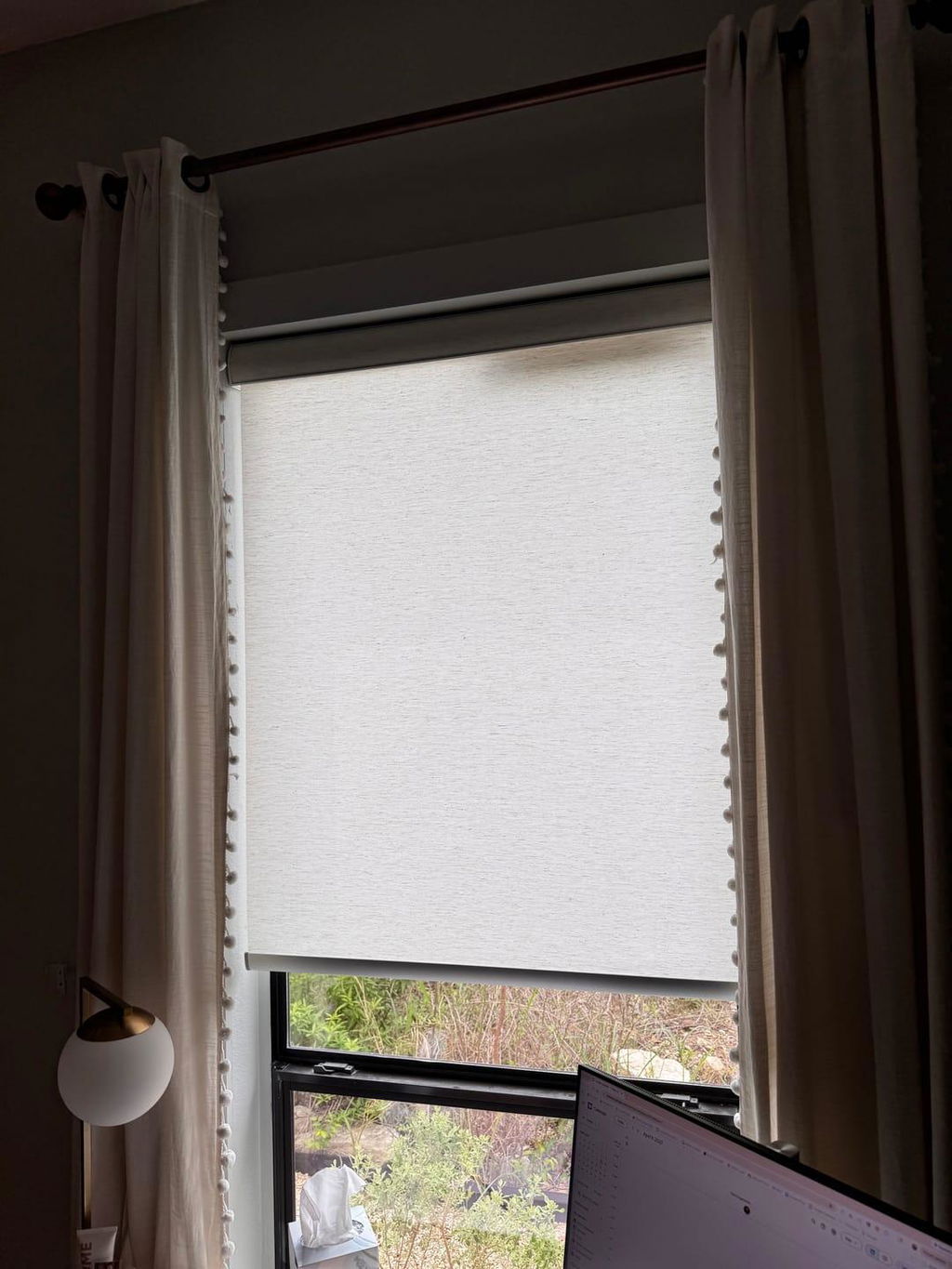
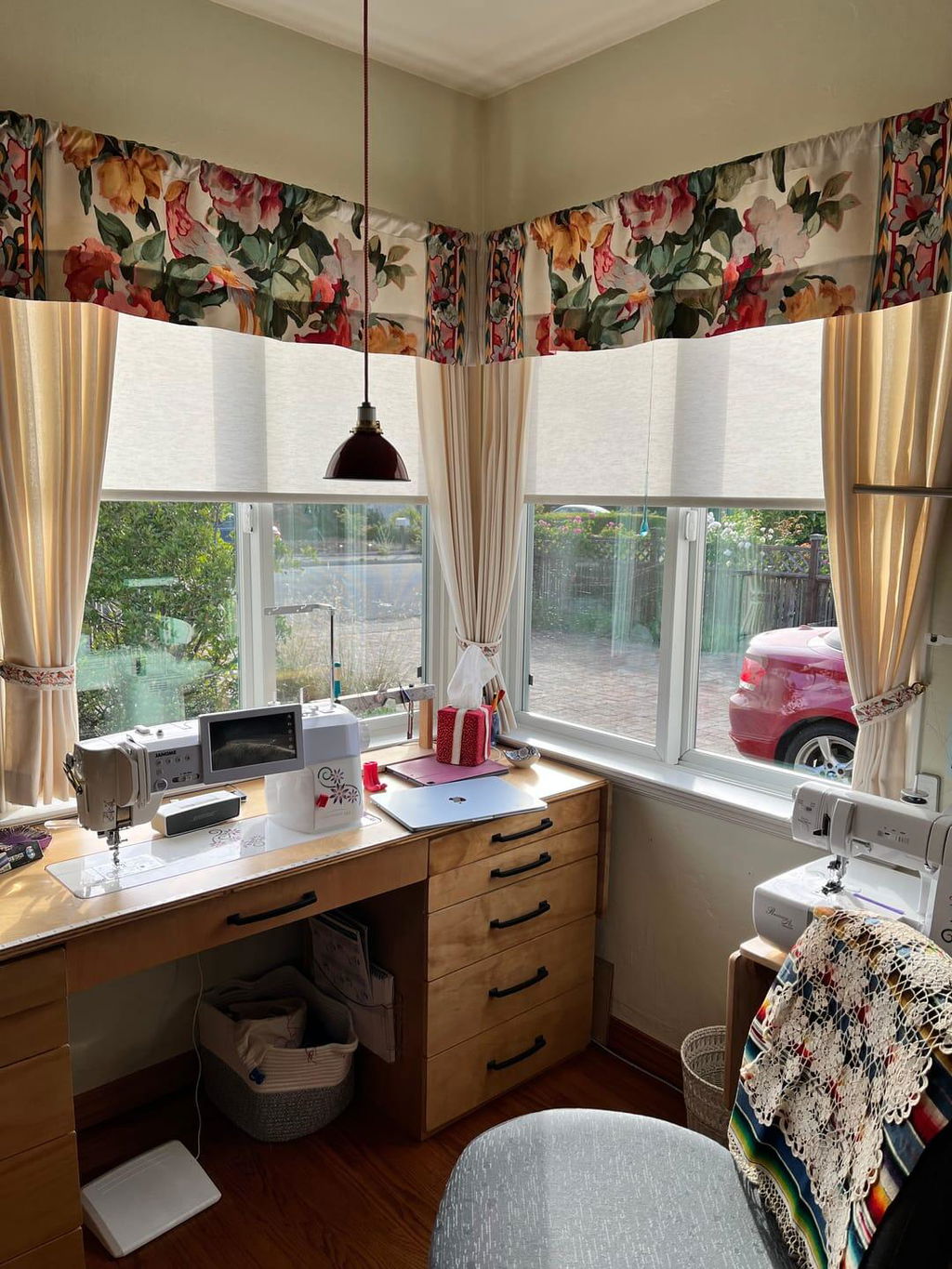
When I’m styling a room that needs to be functional 24/7, I never rely on a solar shade alone. My go-to move is layering. I’ll install the solar shade inside the window frame for that sleek, architectural look during the day. Then, I’ll mount a sturdy curtain rod about 4 to 6 inches above the trim, extending it 8 inches past the frame on each side. This allows for heavy, 250 gsm linen drapes to frame the window without blocking the glass when open.
When compared to standard roller shades, solar weaves are much thinner, making them the perfect base layer. At night, you simply pull the drapes closed. This gives you the best of both worlds: the heat protection and view-preservation of the solar screen during the day, and the cozy, light-blocking security of fabric at night. I usually recommend a 2.5x fullness for the drapes so they look lush and intentional, not like an afterthought.
Choosing the Right Openness Factor for Your View
Openness factor is just a fancy way of saying how tight the weave is. A 1% openness is a very tight weave—it blocks 99% of UV rays and offers the most privacy, but your view of the outside will be a bit blurry. A 10% openness is much looser; it’s fantastic for seeing the crisp details of your landscaping, but it offers almost zero privacy the second the sun starts to set.
For most of my projects, I find that outdoor shades 5 openness provide the perfect middle ground. It’s the 'Goldilocks' zone where you still get a sharp view of the horizon, but the fabric is dense enough to cut the heat significantly. Just remember: the higher the percentage, the more 'see-through' the shade becomes at night. If you live on a busy street, stick to 1% or 3% if you aren't planning on adding curtains.
The Dual-Treatment Hack for High-Traffic Streets
If you hate the look of drapes but live in a high-traffic area, the double-bracket system is your best friend. This setup allows you to mount two separate rollers on a single bracket. You put the see through solar shades for windows on the 'front' position for daytime use and a blackout or light-filtering fabric on the 'back' position for the evening.
It’s a clean, modern solution that avoids the 'dust-collector' reputation of heavy curtains. Some manufacturers even offer day night shades as a pre-assembled unit, which saves you the headache of trying to align two different DIY brackets. I used this in a downtown loft last year where the windows were 10 feet tall; it kept the industrial vibe intact while ensuring the neighbors in the building across the street weren't watching my client eat dinner every night.
The Only Rooms Where You Don't Need a Backup Plan
There are rare occasions where you can skip the layers. If you’re on the 15th floor of a high-rise and your windows face nothing but the open sky or a distant skyline, you’re probably safe. Likewise, if your back sunroom faces a dense forest or a 10-foot privacy fence with no neighbors in sight, a single solar shade is a perfectly fine choice. In these spots, you can enjoy the minimalist look without the 'who is watching me' anxiety.
FAQ
Can people see through solar shades at night?
Yes. If your lights are on inside and it is dark outside, the fabric becomes transparent. People on the street will be able to see shapes, movement, and often clear details inside your home.
Do solar shades provide 100% UV protection?
Not 100%, but close. Depending on the openness factor, they can block between 90% and 99% of harmful UV rays, which is essential for protecting your hardwood floors and velvet sofas from fading.
Which is better: light or dark solar shades?
Darker fabrics actually provide a better view of the outside because they reduce glare more effectively. However, lighter colors are better at reflecting heat away from the window, making them slightly more energy-efficient in hot climates.