Your White Blinds for Sliding Doors Don't Have to Look Cheap
I remember walking into my first 'grown-up' apartment and staring at the sliding patio door with a mix of exhaustion and dread. It was covered in those standard, yellowing plastic slats that clattered every time the AC kicked on. I wanted the utility of white blinds for sliding doors, but I was terrified of the 'landlord special' aesthetic that usually comes with them.
- Choose matte finishes over high-gloss PVC to avoid a plastic look.
- Opt for wider vanes (4.5 inches or more) for architectural scale.
- Layer with linen drapes to hide mechanical tracks and soften the room.
- Consider dual-roller or sheer systems for a more modern silhouette.
The 'Builder-Grade' Trap We All Fall Into
Glossy white plastic is the enemy of a sophisticated room. It catches the light in a harsh, fluorescent way that makes even expensive furniture look like a temporary fix. There is something about that specific 'rental white' sheen that screams content mill furniture and lack of intent. I once styled a high-end living room where the owner had spent thousands on a velvet sofa but kept the original, shiny white patio door blinds. The result? The whole room felt like a waiting room.
The issue is that white, as a color, highlights every flaw in a cheap material. When you use a thin, glossy slat, you see every dent and every speck of dust. It was only after I finally gave in to vertical blinds made of high-quality composite that I realized the problem wasn't the blinds themselves—it was the material. You need something with weight and a flat finish to make the light work for you, not against you.
Swapping Glossy Plastic for Matte Textures
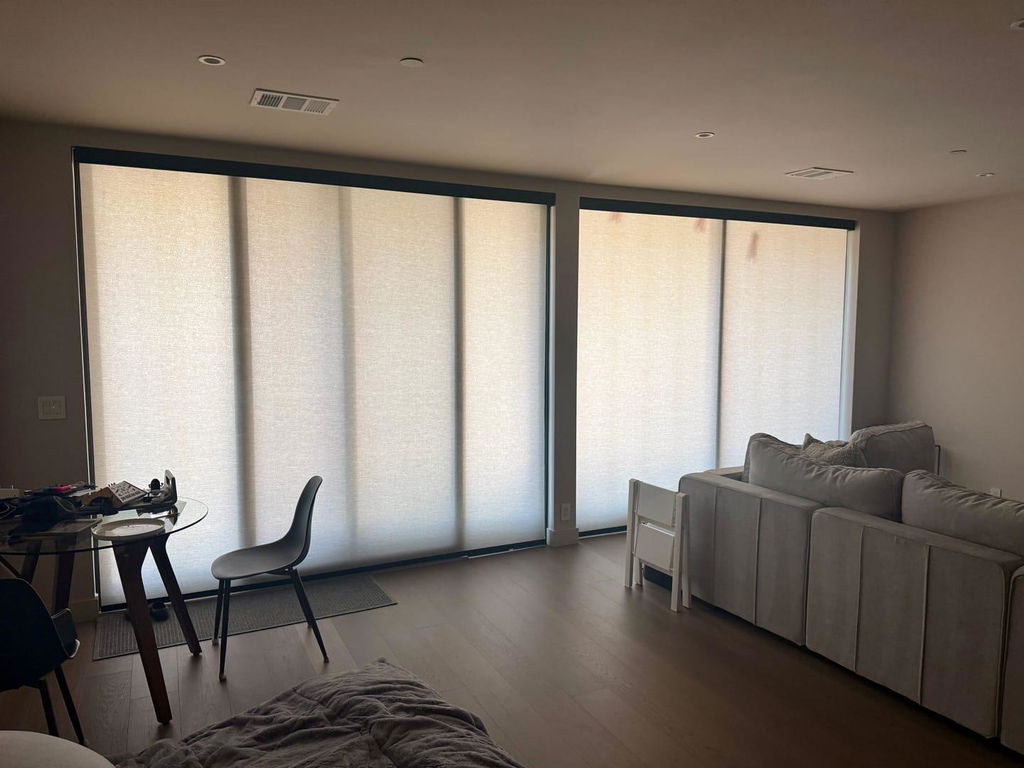
Light interaction is everything in interior design. A matte finish absorbs light, creating a soft, diffused glow that makes white blinds for sliding glass doors feel like a part of the architecture rather than an afterthought. I always look for a sand-blasted composite or a heavy-duty fabric vane with a 300 gsm weight. These materials don't just look better; they feel better when you touch them to slide them aside for your morning coffee on the deck.
Textured fabrics are my go-to for adding soul to a modern room. A subtle linen-weave texture in a crisp white provides a 'quiet luxury' vibe that plastic can never replicate. It turns the window into a soft wall of light. If you are worried about durability, modern composites offer that same flat, architectural look but can be wiped down with a damp microfiber cloth in seconds—perfect for homes with dogs or kids who think every window is a canvas.
Vane Width Is Everything for Architectural Scale
Scale is the secret sauce that separates a DIY job from a professional styling project. Standard 3.5-inch slats look spindly and busy on a wide sliding door. They create too many vertical lines, which can make a room feel frantic. If you move up to a 4.5 or 5-inch vane, the proportions change completely. These wider panels start to mimic the look of plantation shutters or even structural columns.
When you use wider vanes for your white blinds for sliding doors, you are leaning into the verticality of the room. It draws the eye up to the ceiling, making the space feel taller. I recently installed a 5-inch matte white system in a coastal cottage, and the way those wide vanes stacked against the wall looked like intentional wood paneling. It’s a small shift in measurement that makes a massive impact on how 'expensive' the room feels.
Layering: The Trick to Softening the Edges
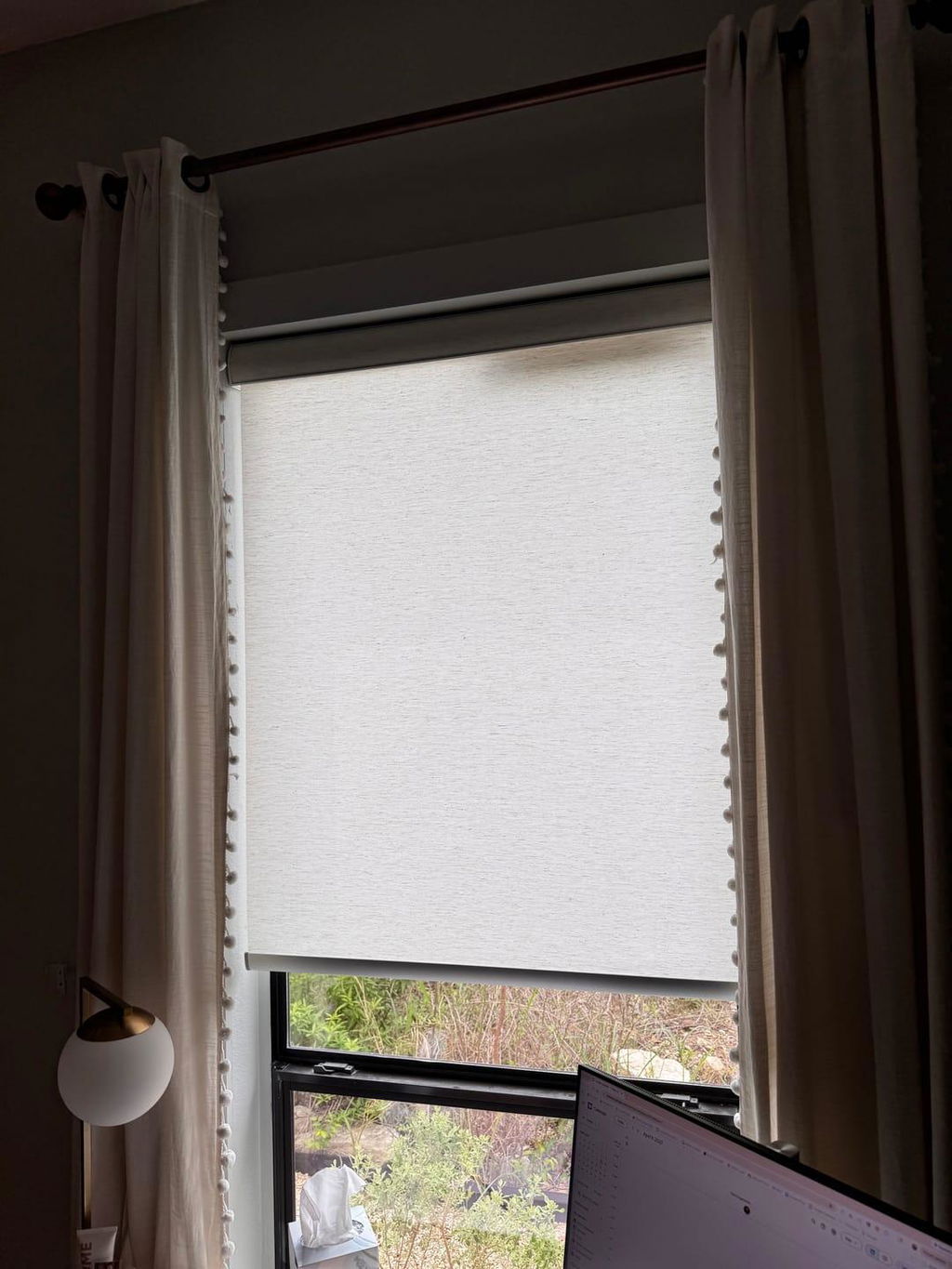
If you want to hide the 'mechanical' look of a blind system, you have to layer. Even the most beautiful track is still a piece of hardware. I like to mount a matte black or antique brass rod about 6 inches above the blind track and 8 inches wider than the door frame on each side. This allows you to hang curtains for sliding glass doors that frame the white blinds perfectly.
Use a 100% linen or a heavy linen-blend drape with a 2.5x fullness. When the blinds are closed for privacy, the soft fabric of the drapes hides the ends of the track and the stack of vanes. It creates a layered, hotel-suite look that is both functional and incredibly soft. I once made the mistake of using a thin, sheer curtain for this, and the hardware poked through like a sore thumb. Stick to something with enough weight to hold its own against the structure of the blinds.
My Go-To Modern White Blind Alternatives
Sometimes the best way to get the look of white blinds for sliding glass doors is to look at modern hybrids. I have become a huge fan of Day Night Shades for clients who want the crispness of white but hate the traditional vertical slat look. They offer a honeycomb-style insulation with a sheer layer that filters the afternoon sun into a dreamy, golden haze.
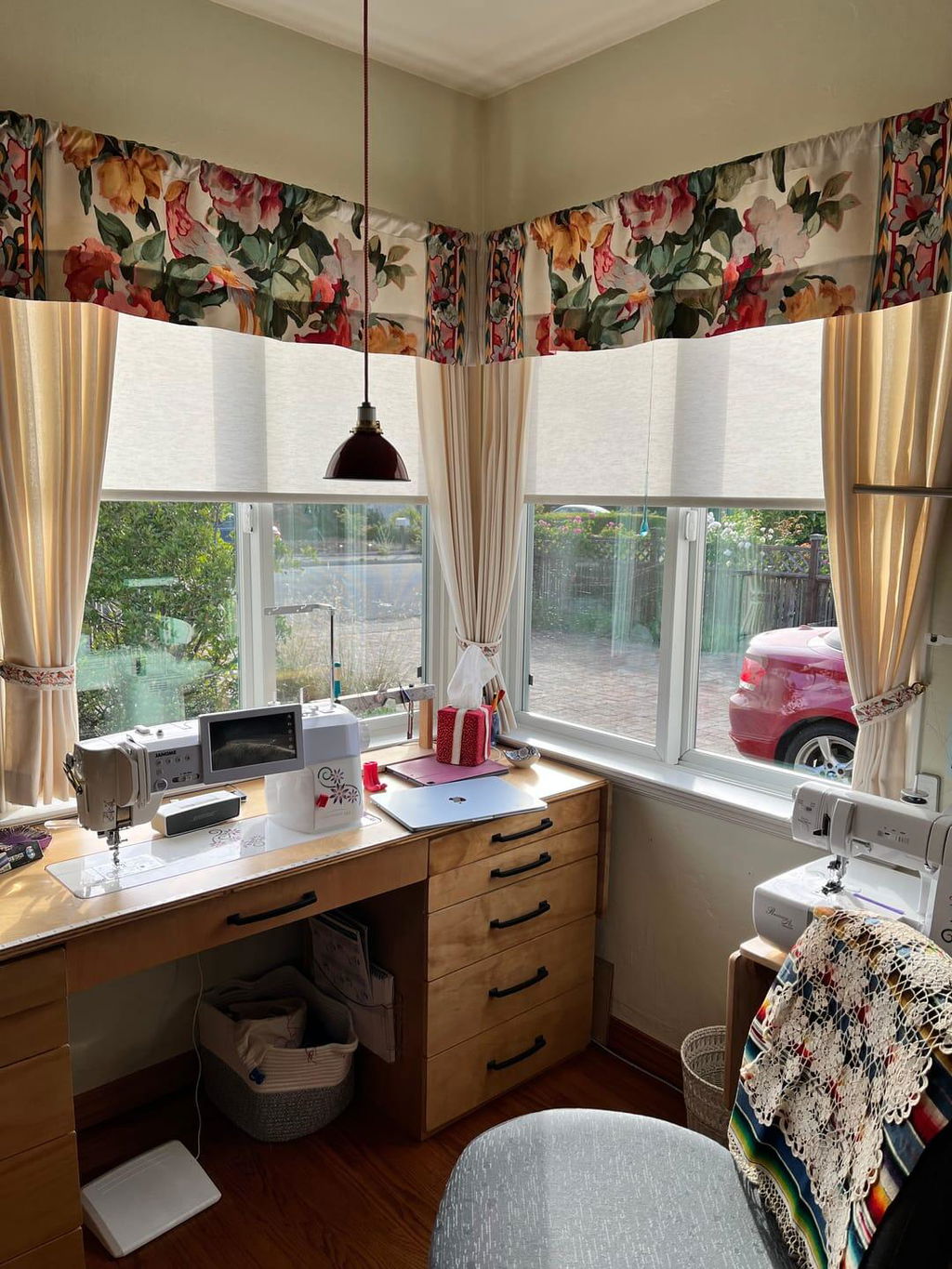
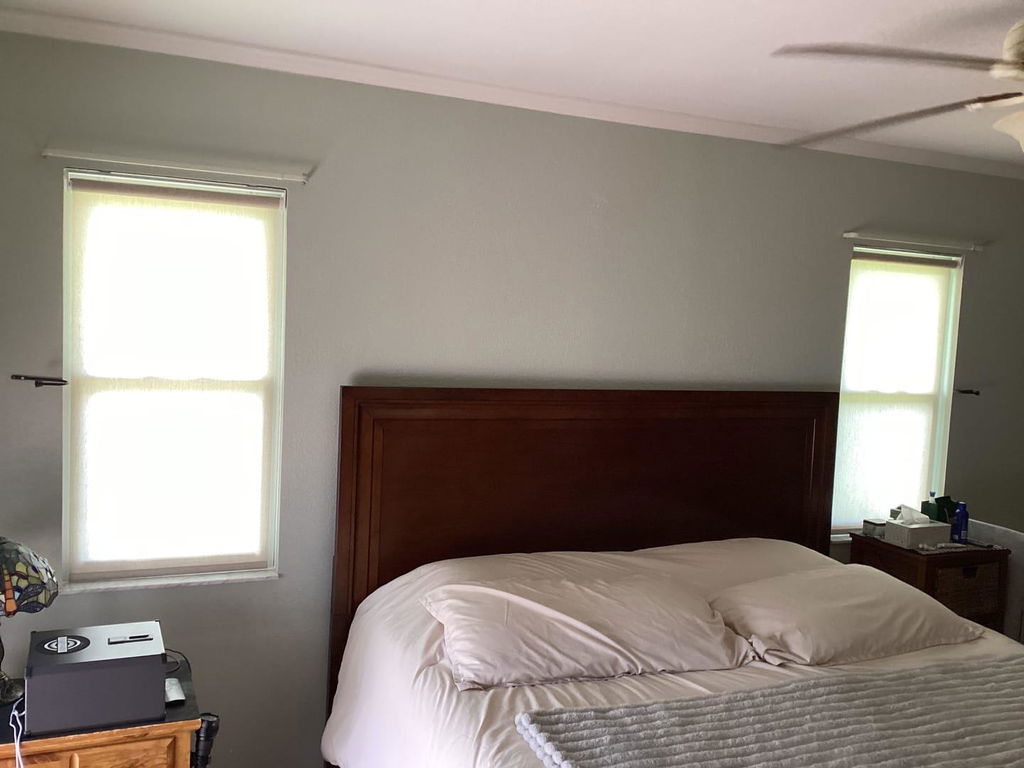
For ultra-minimalist spaces, I suggest custom double roller blinds. You get one sheer white layer for daytime glare reduction and one solid white block-out layer for movie nights. Because they are cordless and motorized, you lose all that 'clunky' visual noise of chains and wands. I installed these in my own guest room last year, and while I initially measured the bracket depth wrong (always double-check your clearance!), once they were in, they looked like part of the window frame itself.
Are white blinds hard to keep clean?
Not if you choose the right material. High-quality matte composites or UV-treated fabrics only need a quick dusting once a month. Avoid the cheap PVC that develops static and literally sucks hair and dust toward it.
Will white blinds turn yellow over time?
Only if they aren't UV-stabilized. Cheap 'big box' blinds will yellow within two years of direct sun exposure. Always check the specs for UV resistance to keep that gallery-white look long-term.
Can I install these over a sliding door myself?
You can, but use a laser level. Because sliding doors are so wide, even a 1/4-inch tilt at the start of the track will result in a massive gap at the other end. Mark your holes, drill once, and always use heavy-duty anchors if you aren't hitting a stud.