Your White Blackout Shade Doesn't Have to Look Like Plastic
I remember the first time I tried to brighten a nursery with a white blackout shade. I spent three hours leveling the brackets and obsessing over the tension, only to step back and realize my window looked like a 1990s high school math classroom. It was cold, blue-ish, and had the unmistakable sheen of a vinyl tablecloth. It didn't feel like a home; it felt like a medical suite.
We have all been there—the desperate search for that crisp, clean aesthetic that actually lets you sleep past 6:00 AM. The good news is that you don't have to choose between a dark room and a beautiful one. You just have to know which manufacturing red flags to avoid and how to demand more from your textiles.
Quick Takeaways
- Avoid flat vinyl; look for 300+ gsm fabrics with a visible weave like linen or canvas.
- Always opt for a fabric-wrapped cassette to hide the industrial-looking roller tube.
- White fabrics reflect light bleed, so inside-mount measurements must be precise to the 1/8th inch.
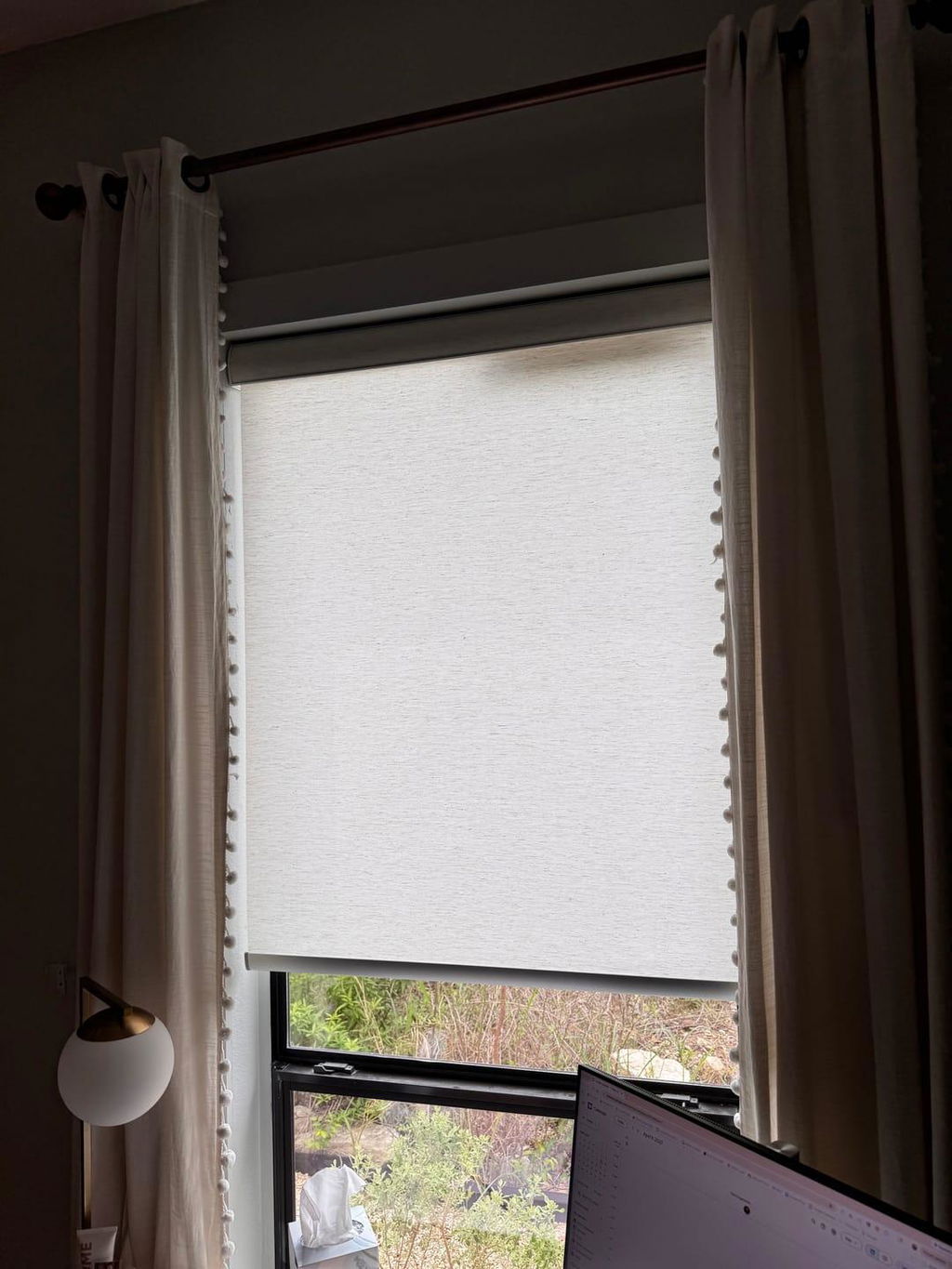
- Layering a white shade behind drapes creates an architectural look that softens the room.
The 'Projector Screen' Curse (And How to Avoid It)
The physics of light-blocking is the enemy of the color white. To make a fabric truly opaque, manufacturers usually have to sandwich a layer of black film or heavy rubberized coating between the layers. In cheap versions, this results in a stiff, 'crackly' material that refuses to hang straight. This is why getting roller blinds white blackout right is so difficult; if the coating is too thin, it leaks light; if it is too thick, it looks like a projector screen.
When you are shopping, look for 'four-pass' blackout tech. This means the fabric has been treated multiple times with thin layers rather than one heavy glob of plastic. It keeps the fabric supple. If the sample feels like something you could use as a tarp for a leaky roof, put it back. You want something that drapes with a bit of weight but still feels like a textile to the touch.
Texture is Non-Negotiable for White Fabrics
Flat, smooth white is a mistake. In a room with natural light, a perfectly smooth white surface has no depth, making it look cheap and synthetic. Instead, look for white blackout roller shades that feature a subtle slub or a linen-look weave. Even a tiny bit of grain catches the light and creates micro-shadows, which tells the eye 'this is a high-end fabric.'
I personally lean toward a 'chalk white' or 'oatmeal white' with a cross-hatch texture. It breaks up the 'office supply' vibe. When you browse premium roller shades, check the weight specs. You are looking for a weave that looks intentional. If the fabric is too thin, the white can actually look grey when the sun hits the back of it because the black inner-lining starts to ghost through.
Please Hide the Roll (Why Cassettes Matter Here)
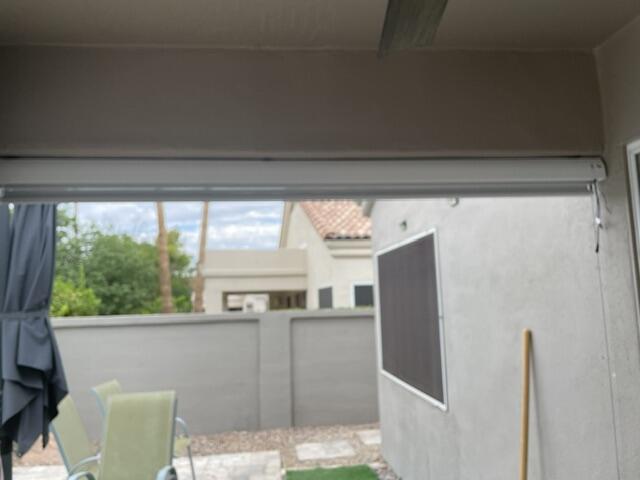
An exposed white roller shade blackout setup is a missed opportunity. Without a cover, you’re looking at the aluminum tube, the mounting brackets, and the 'wrong' side of the fabric as it peels off the roll. In a white-on-white room, these mechanical bits stand out like a sore thumb. They look unfinished and utilitarian.
Specify a matching fascia or, even better, a fabric-wrapped cassette. This is a sleek header box that hides the roll entirely. When the shade is up, it looks like a clean architectural beam at the top of your window. When it's down, the fabric emerges from a hidden slot, giving it a much more bespoke, 'built-in' feel that mimics the look of expensive hotel suites.
Softening the Edges: The Stylist's Layering Trick
While a white roller shade blackout is great for function, a flat panel of white can feel a bit 'hard' in a cozy bedroom. My favorite trick is to use the roller shade as the workhorse and add drapes as the jewelry. Mount your white shade inside the window frame for that clean, recessed look, then hang a pair of floor-to-ceiling linen curtains on a brass or matte black rod.
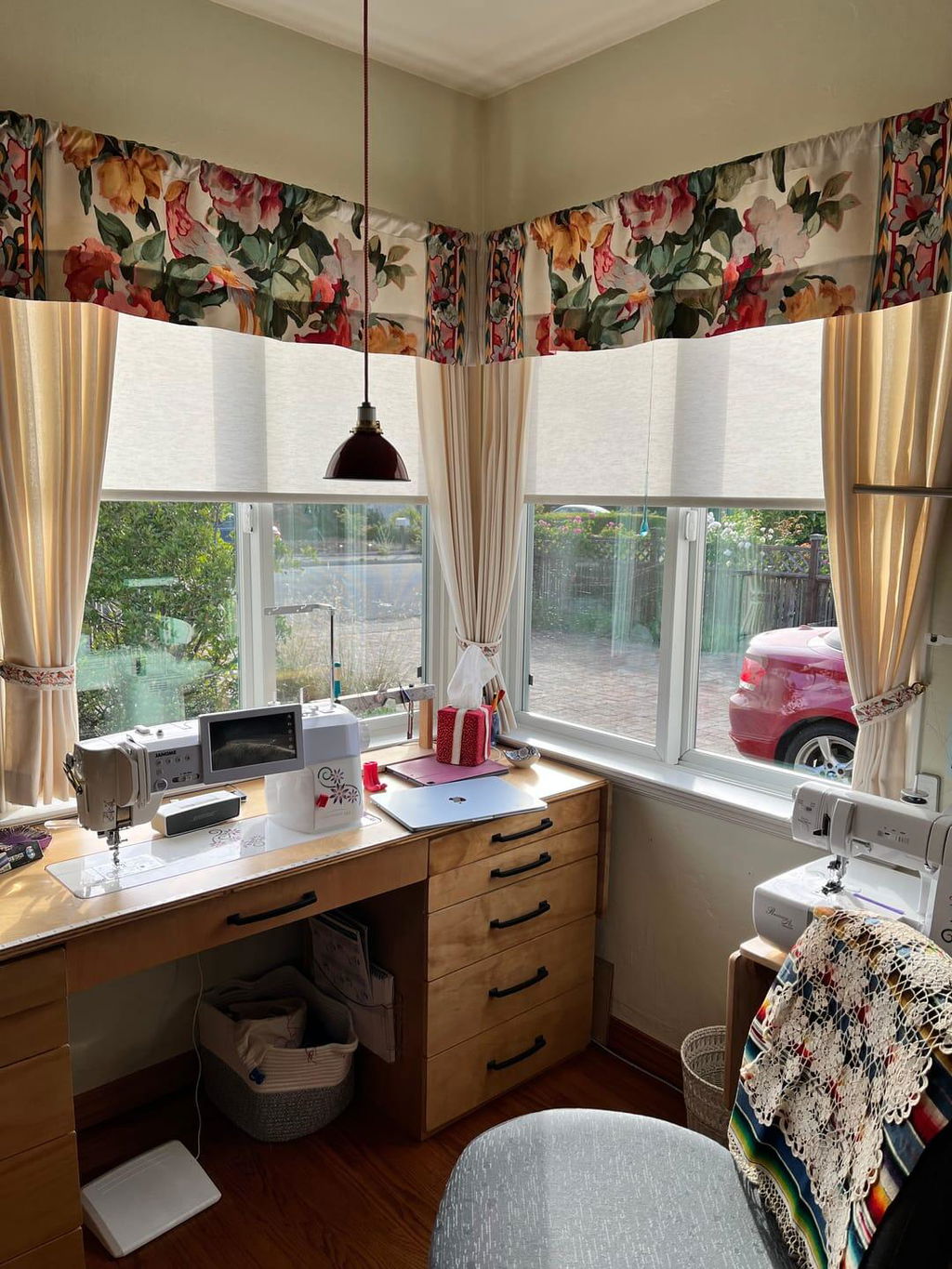
This creates a beautiful depth. You get the 100% light-blocking power of the shade at night, but during the day, you have the softness of the fabric framing the window. You can even put a blackout roller shade behind blinds or existing sheers if you aren't ready to commit to a full drapery overhaul. It’s about layering textures so the room feels curated rather than just 'covered.'
The Light Gap Looks Harsher on White (Here's the Fix)
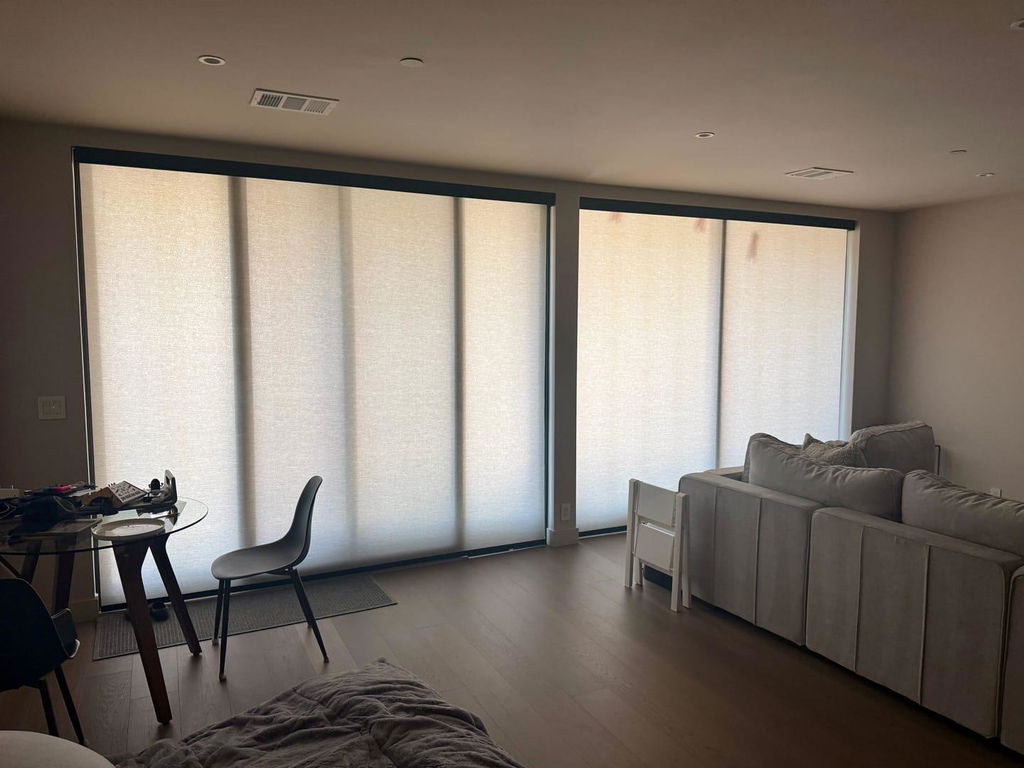
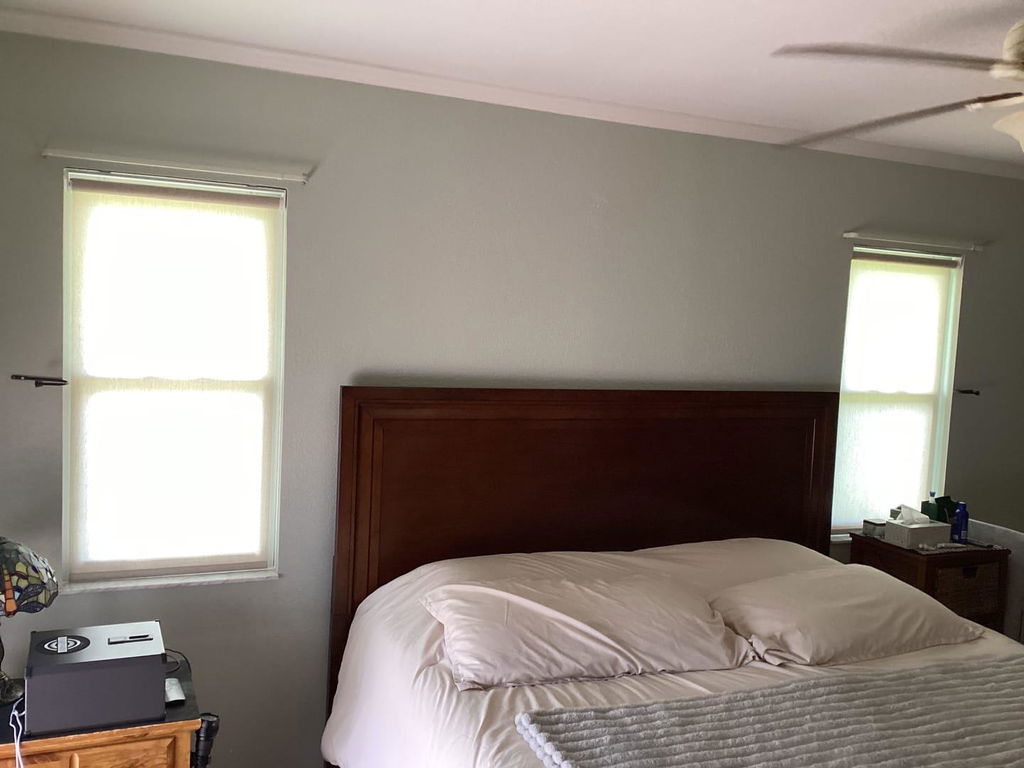
Here is a weird quirk of interior design: light gaps actually look more distracting on a white blackout roller shade than on a dark navy one. Because the white fabric is so bright, the slivers of yellow sun peeking through the sides create a high-contrast 'halo' that can be blinding. It ruins the 'blackout' promise and looks messy.
To fix this, you have two real options. First, be obsessive about your measurements. Measure the top, middle, and bottom of the window width and use the smallest number. If you have a large gap, consider an outside mount that extends 3 inches past the trim on each side. If you are a true light-sensitive sleeper, look into side channels—slim U-shaped tracks that the shade slides into, physically sealing off the edges from any light leakage.
My Midnight Measurement Disaster
I once ordered a custom white blackout shade for a guest room, convinced I could 'eyeball' the width. It arrived a quarter-inch too wide. I spent three hours at midnight with a hacksaw, trying to trim the aluminum header without shredding the fabric. It was a disaster. I ended up with a jagged edge and a shade that didn't roll straight. The lesson? Buy the right size the first time, and never trust your 'eyeball' when it comes to inside-mount treatments. Precision is the difference between a 'DIY' look and a designer finish.
FAQ
Do white blackout shades actually block 100% of the light?
Yes, as long as the fabric is rated 'blackout' and not 'room darkening.' The fabric itself will stop all light, but you will still get 'light bleed' around the edges unless you use an outside mount or side channels.
Will a white shade look grey when the sun hits it?
Cheaper shades with a thin white layer over a black core can look slightly dingy or grey in direct sunlight. High-quality shades use multiple layers of white coating to ensure the fabric stays crisp and bright even when it's working hard to block the sun.
Can I clean white roller shades?
Most are made from synthetic blends that are very durable. You can lightly dust them with a microfiber cloth or use a damp sponge for spots. Just avoid harsh chemicals that could strip the blackout coating on the back.