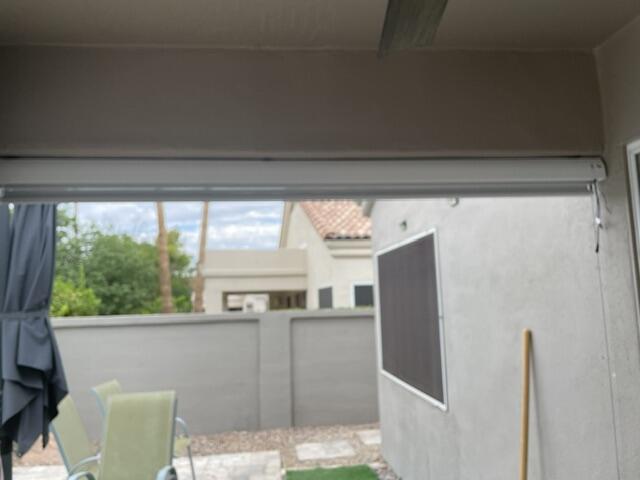
Your Room Is Baking: Why I Swear by Sunshine Shades at 3 PM
I remember sitting on my sofa last July, trying to read a book, and feeling like a rotisserie chicken. The sun was hitting my south-facing window at that brutal 3 PM angle, turning my velvet pillows into heat sinks. I realized then that my heavy velvet drapes were either 'on' or 'off'—I was either living in a cave or squinting through a migraine-inducing glare. That’s when I finally caved and looked into sunshine shades.
- South-facing windows need diffusion, not just blockage, to prevent furniture fading.
- Openness factors (1% to 5%) determine how much of the view you keep while killing the glare.
- Dual rollers are the secret to solving the 'fishbowl' feeling when the sun goes down.
- Always test fabric samples at both 10 AM and 4 PM before committing to a full install.
The 3 PM Bake: Why Standard Blinds Fail the Sun Test
Standard blinds are often the first thing we buy, and usually the first thing we regret. When you have a south or west-facing room, the sun doesn't just sit there; it migrates. It crawls across your floor, baking your rug and turning your TV screen into a mirror. Most cheap sunshine blinds or those thin metallic films you see online don't actually solve the problem—they just bounce the light in weird, aggressive ways that make the room feel like a hospital waiting room.
I’ve seen too many homeowners try to fight the heat with basic horizontal slats. All you get is a 'zebra stripe' tan on your hardwood floors and a room that feels busy and cluttered. You need a solution that softens the light, turning that harsh 3 PM laser beam into a soft, gallery-style glow. That is where high-quality sunshine window treatments come into play.
What Makes a 'Sunshine Shade' Different?
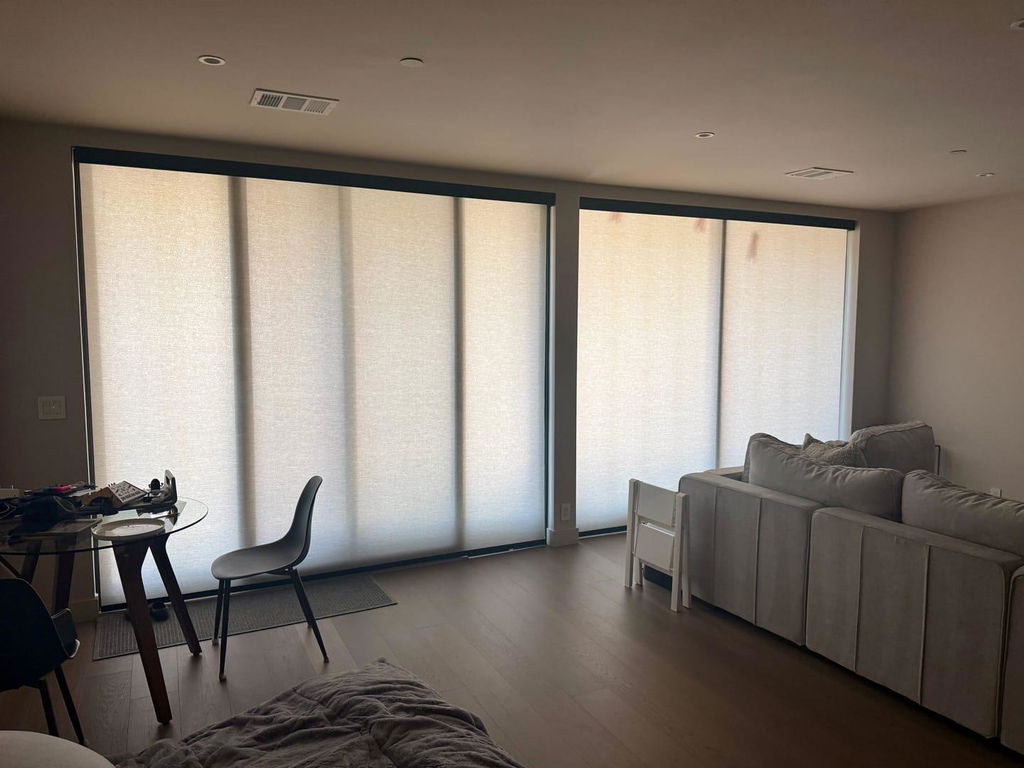
When I talk to clients about sunshine shading solutions, I always bring up 'openness factors.' Think of this as the SPF for your windows. A 1% openness is a very tight weave—perfect if you have a home office where screen glare is the enemy. A 5% weave is much looser; it acts like a pair of high-end sunglasses, letting you see the trees and the street while blocking the heat. It’s about maintaining a connection to the outside world without the literal headache.
The material itself is usually a polyester or fiberglass yarn coated in PVC, which sounds industrial, but the modern textures look remarkably like high-end linen. When you browse all your shade solutions, look for materials that have a bit of weight to them. You want a shade that hangs straight without curling at the edges like a piece of cheap paper.
The Dual Roller Trick for Sun and Privacy
Here is the reality: a solar shade that works beautifully at 2 PM will leave you completely exposed at 8 PM. If your lights are on inside and it’s dark outside, those sunshine window treatments become transparent. You’re essentially living in a shadow box for the neighbors. This is why I almost always specify a dual-roller setup.
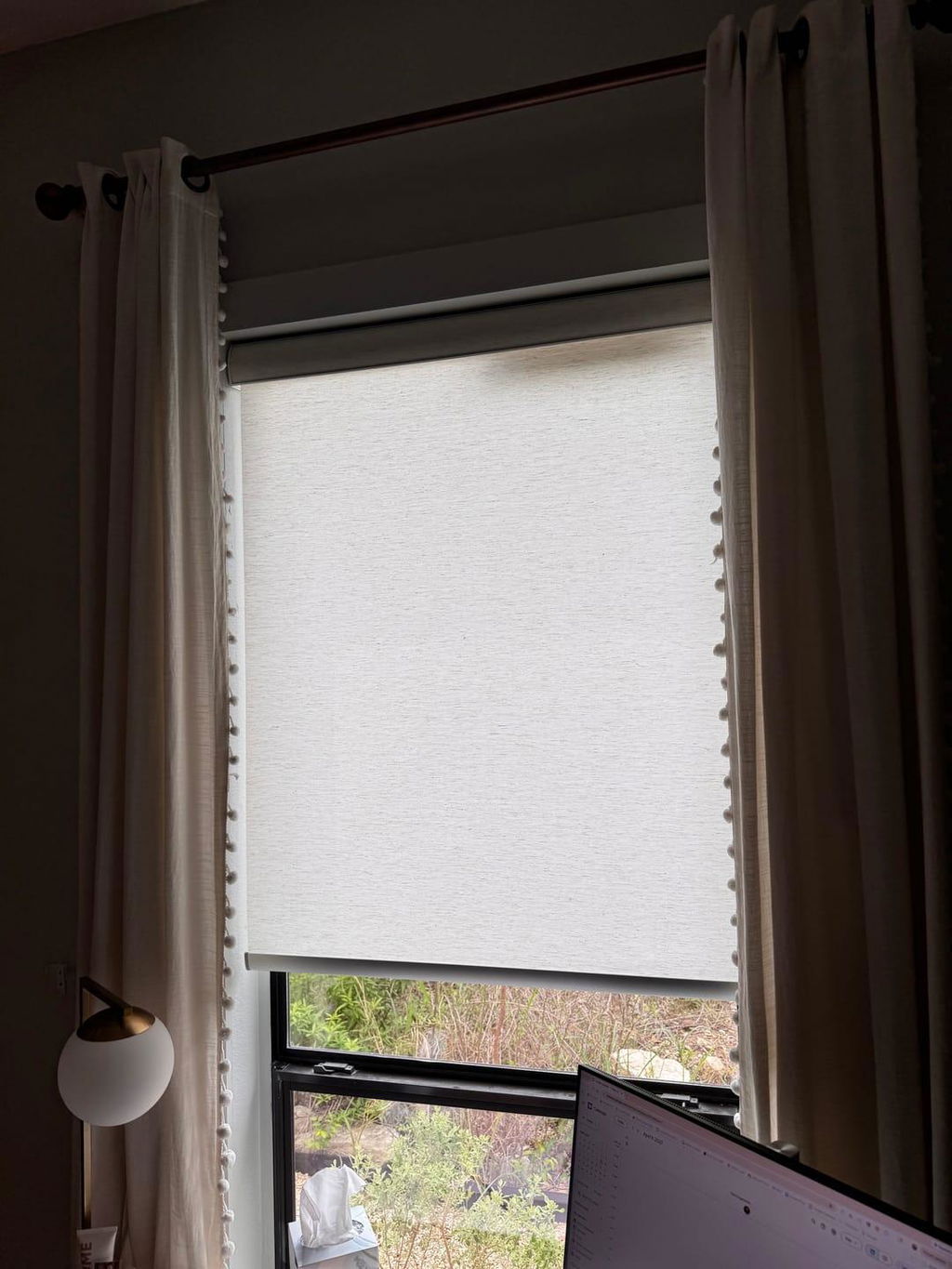
By using Day Night Shades, you get two shades on a single bracket. The front layer is your solar sunshine shade that manages the afternoon heat, and the back layer is a solid blackout or privacy fabric. It’s a slim profile that fits inside most standard window casings—usually requiring about 3 to 4 inches of depth. It gives you total control without the bulk of heavy headers or multiple rods.
Why I Stopped Fighting the Light With Heavy Drapes
I used to think that the only way to make a room look 'finished' was to hang 10-pound velvet drapes with 2.5x fullness. But in a sun-drenched room, those drapes just end up looking like heavy, dusty blankets. They also hide the architectural lines of your windows. Choosing sunshine blinds and shutters allows the window frame to actually be part of the design.
I recently worked on a project where we pulled down some old, yellowing Roman shades and replaced them with decorative window shades in a subtle charcoal weave. The room immediately felt taller. Because the shades sit tight to the glass, the ceiling felt higher and the whole space felt awake rather than weighed down by fabric.
My Checklist Before Hitting the Shade Shop
Before you run to the nearest sunshine shade shop, you need to do your homework. First, track the sun for a full Saturday. Mark the spot on the wall where the light is most intense. If that spot is your favorite reading chair, you need a lower openness factor. If it's just hitting the floor, you can go lighter.
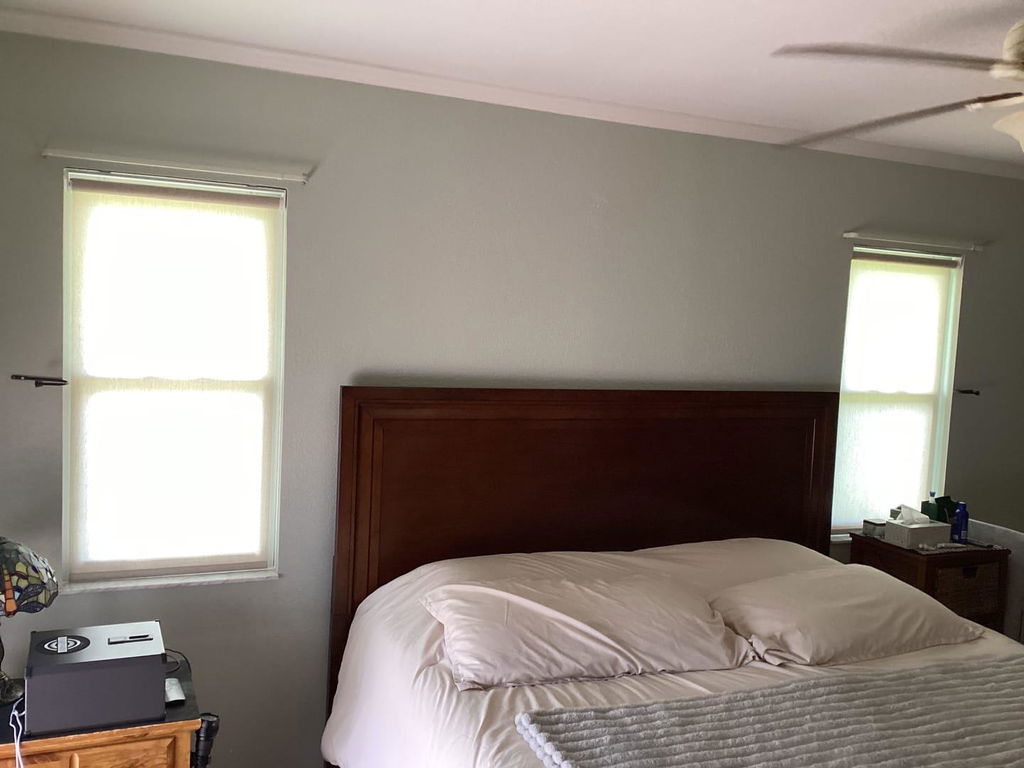
Second, don't feel like every window in the house has to be identical. Your south-facing kitchen needs serious heat management, but your north-facing dining room might just need a light sheer. Whether your window blinds and treatments actually need to match is a personal choice, but I usually recommend keeping the street-facing side consistent and letting the backyard-facing rooms vary based on their light needs.
Personal Experience: The Great Fading Disaster
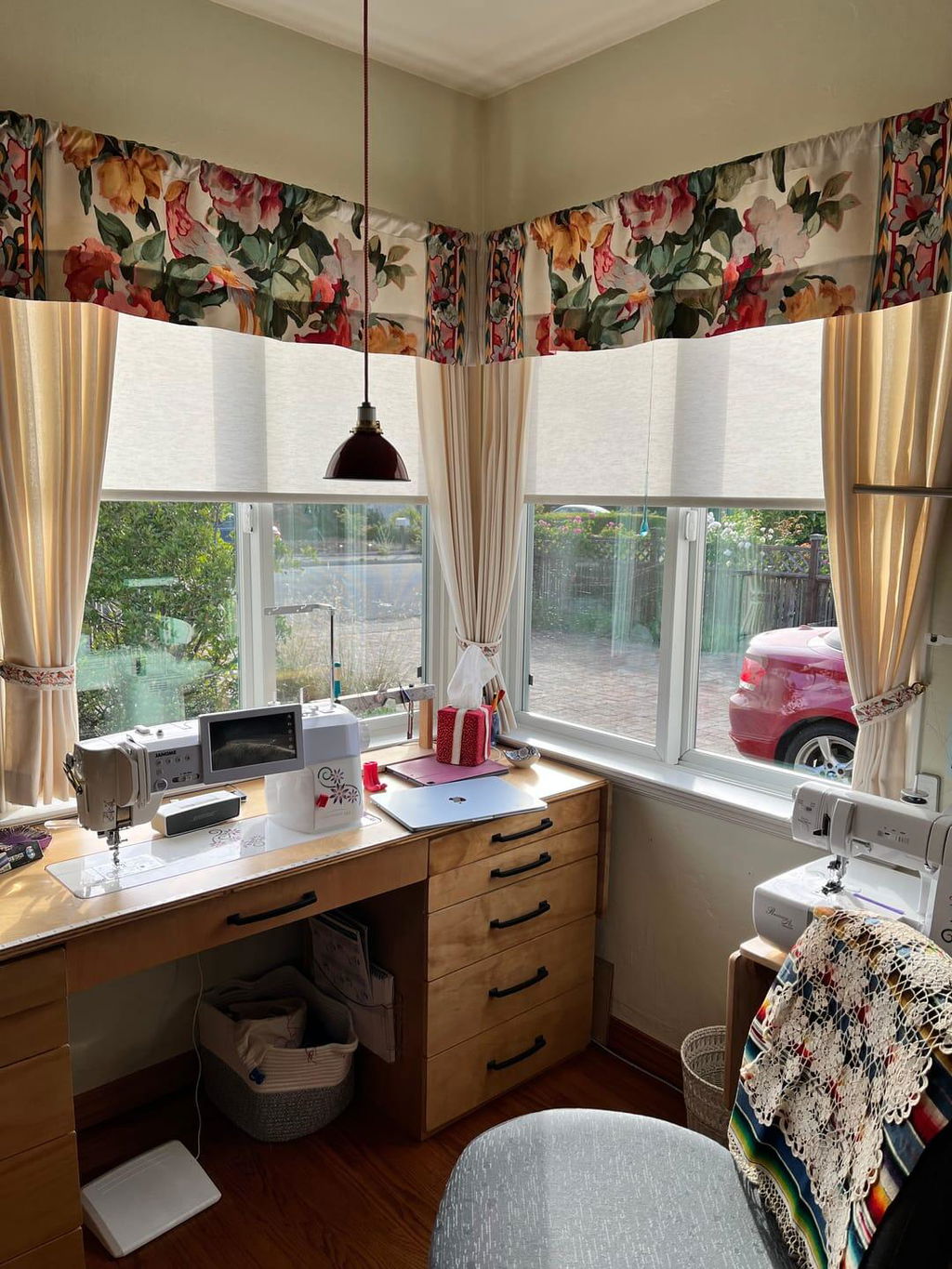
I once spent a small fortune on custom silk-blend curtains for a west-facing sunroom. I was so focused on the color—a perfect terracotta—that I ignored the sun's trajectory. Within one summer, the leading edges of the fabric had faded to a dusty, sickly peach. It was a $1,200 mistake. Now, I never hang decorative fabric in a high-sun area without a solar shade behind it to act as a UV shield. It’s the only way to protect your investment.
Frequently Asked Questions
Can people see through sunshine shades at night?
Yes, if you only have a solar shade. The 'openness' that lets you see out during the day works in reverse at night. If privacy is a concern, always layer them with a secondary roller or a privacy drape.
Do solar shades actually lower the temperature?
Significantly. By reflecting or absorbing the solar energy before it enters the room, you can drop the surface temperature of your furniture and floors by several degrees, which takes the strain off your AC.
How do I clean them?
Most sunshine shades are incredibly low-maintenance. A quick vacuum with a brush attachment once a month is usually enough. For spots, a damp cloth with mild soap works, as the PVC coating makes them much more durable than traditional fabric shades.