Your Outdoor Shade Curtain Is Flapping (And Snagging on the Furniture)
I remember the first time I tried to recreate that Mediterranean villa look on my 10-by-12 concrete slab. I bought these wispy, sheer panels that looked divine for exactly three minutes—until a 5 mph breeze turned them into aggressive whips that knocked over my Sauvignon Blanc and tangled in the spider plants. Choosing a high-quality outdoor shade curtain isn't just about the vibe; it's a lesson in physics and fabric weight.
We spend so much time obsessing over the indoor-outdoor flow, but we often forget that the 'outdoor' part involves wind, UV rays, and actual dirt. If you want that soft, billowing effect without the chaos, you have to stop treating your patio like a living room and start treating it like a shipyard.
Quick Takeaways
- Choose fabrics with a weight of at least 250 GSM (grams per square meter) to prevent excessive flapping.
- Opt for stainless steel grommets over tab tops to allow the fabric to slide freely during gusts.
- Never puddle outdoor curtains; keep them a crisp 1/2 inch off the deck to avoid mold and snagging.
- Use zinc-coated or stainless steel chain weights in the bottom hem for extra stability.
The Romantic Illusion of the Breezy Patio
We've all pinned those images: floor-to-ceiling white drapes glowing in the golden hour. It’s the dream of a seamless transition where I matched my outdoor shade to my interior palette to make the porch feel like an extension of the sofa. But in reality, lightweight fabrics are a liability. When you use thin polyester, you aren't getting a breeze; you're getting a sail.
The goal is a controlled movement. You want the fabric to acknowledge the wind without trying to escape the rod. This requires a deliberate choice in 'fullness'—aim for 2 to 2.5 times the width of the space you’re covering. Anything less looks skimpy and cheap; anything more becomes a heavy wall of fabric that catches too much air. It’s a delicate balance between aesthetic softness and structural integrity.
Weight Matters: Why Flimsy Fabrics Are a Backyard Disaster
If you’re shopping for sun shade outdoor curtains, ignore anything that feels like a bedsheet. You need a higher denier. I typically look for solution-dyed acrylics, like Sunbrella or high-end Olefin. These aren't just coated in color; the fibers are dyed all the way through, meaning they won't fade into a sad, dusty grey after one August in the sun.
A 200 to 300 GSM fabric has the 'thud' factor. When you drop the hem, it should hang straight. This weight is what differentiates outdoor patio shade curtains from their flimsy indoor cousins. Heavier fabric also provides better thermal insulation, actually dropping the temperature on your skin by several degrees when you're sitting behind them during a 3 PM heatwave.
The Hardware Hack: Grommets vs. Tab Tops
I have a visceral reaction to tab-top curtains outdoors. They look charming in a cottage, but the friction of fabric-on-metal means they get stuck constantly. When a sudden squall hits, you want to be able to whip those curtains shut (or open) in seconds. Outdoor shade curtains for patio use should almost always feature large, 1.5-inch stainless steel grommets.
Stainless steel is non-negotiable. I’ve seen 'rust-resistant' coated iron rods bleed orange streaks down expensive cream linen in a single season. Grommets allow the fabric to compress into tight, neat folds when open, which is essential for preserving your view. If the fabric can't move fluidly on the rod, the wind will simply rip the brackets out of your pergola beam.
My Trick for Hems That Don't Turn Into Whips
Here is my hill to die on: do not puddle your patio shade curtains. Indoors, a two-inch puddle is luxurious. Outdoors, it is a collection site for dead leaves, dampness, and those tiny sticks that hitch a ride on the dog. I hem mine to sit exactly a half-inch above the ground. It looks sharper and stays cleaner.
To keep them from slapping your guests in the face, you need hidden weights. I don't mean those tiny plastic-covered lead squares—they aren't heavy enough. I buy stainless steel drapery chain and sew it directly into the bottom hem. It provides a uniform weight across the entire width of the panel. If you’re in a high-wind canyon, use a discrete bungee cord system tied to a small eye-bolt at the base of your deck posts.
Balcony vs. Pergola: Changing Your Mounting Strategy
The architecture of your space dictates the hardware. If you're installing sun shade curtains for balcony railings, a traditional rod often feels too bulky. I prefer a stainless steel tension wire system. It’s low-profile and keeps the focus on the view while still giving you the privacy you need from the neighbors across the way.
For a heavy pergola or a covered porch, you can go bigger. This is where outdoor awning curtains come into play. You can mount heavy-duty tracks directly into the overhead joists. This 'ceiling mount' approach makes the space feel significantly taller. I once hung a 108-inch drop on a low-slung porch and it completely changed the proportions of the house, making the ceiling feel like it had gained a foot of height.
When to Layer or Pivot Completely
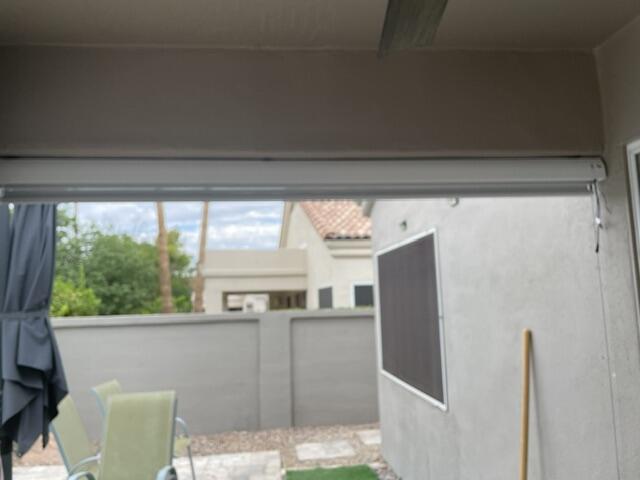
Sometimes, the wind wins. If you live on a bluff or a high-rise where the gusts are relentless, loose fabric panels might not be the move. In those cases, I recommend a hybrid approach: mixing outdoor curtains and blinds. You keep the soft, decorative curtain panels stationary at the ends for that 'finished' look, but you use a weighted roller shade for the actual sun blocking.
I’ve seen many people struggle with outdoor patio shade curtains in wind tunnels until they finally swapped flapping gazebo curtains for something more rigid. There is no shame in admiting that a loose panel is too much maintenance for your specific climate. Sometimes a heavy-duty solar screen is the only way to save your sanity and your stemware.
Personal Experience: The Great Sail of 2019
I once spent a fortune on these gorgeous, unweighted linen-look panels for a client's coastal deck. I ignored my own rule about weights because she wanted them to look 'ethereal.' Two weeks later, a thunderstorm rolled in. Those panels didn't just flap; they acted like a massive spinnaker sail. They actually managed to drag a wrought-iron side table three feet across the deck before the rod finally gave way. I spent my Saturday morning remounting hardware and sewing 15 pounds of steel chain into the hems. Lesson learned: physics doesn't care about your Pinterest board.
Frequently Asked Questions
How do I keep my outdoor curtains from blowing?
Use heavy-duty stainless steel chain weights in the bottom hem and ensure you have enough 'fullness' (fabric width) so the wind can pass through the folds rather than hitting a flat surface. For extreme wind, use tie-backs anchored to your deck posts.
Can I leave outdoor shade curtains out all winter?
If they are made of solution-dyed acrylic, they can handle the moisture, but I don't recommend it. Snow and ice can weigh down the rods and cause sagging. I always take mine down, wash them with mild soap, and store them once the temperature stays below 40 degrees.
What is the best fabric for sun protection?
Look for fabrics with a high UV rating. Darker colors block more light but can absorb more heat, while lighter colors reflect heat but might allow more glare. A mid-tone grey or tan in a 250+ GSM weight is usually the sweet spot for both shade and comfort.