Your Linen Blinds Are Sagging: The Case for Polyester Roller Shades
I spent three thousand dollars on custom Belgian linen Romans for a client's sunroom once. By the time the humidity hit 80% in July, those shades didn't look 'relaxed'—they looked exhausted. The edges curled, the centers sagged, and the once-sharp folds became a wrinkled mess. This is why I've stopped apologizing for recommending polyester roller shades.
Quick Takeaways
- Natural fibers like linen and cotton stretch over time, leading to the dreaded 'smile' sag.
- Polyester is heat-set during manufacturing, ensuring it stays perfectly flat and square.
- Synthetic fabrics are hydrophobic, meaning they won't shrink or expand when the weather changes.
- Modern matte weaves mimic the look of high-end textiles without the maintenance headache.
The Dirty Secret About 100% Linen Window Treatments
We've all been sold the dream of 'organic luxury.' We want that 200 gsm linen weave that filters the light into a soft, hazy amber. But here is the reality: linen is a living fiber. It moves. It breathes. And on a window, it sags. When you contrast the floppy nature of traditional drapery fabrics with the structural requirements of modern roller shades, the organic stuff falls short.
The most common complaint I hear from clients who insisted on natural fibers is the 'smile effect.' This is when the center of the shade begins to dip while the sides stay fixed to the brackets. It happens because the weight of the bottom rail pulls on the loose weave of the fabric. Within six months, your expensive custom shades look like a sad hammock. It’s not a 'vibe'; it’s a structural failure.
Why Polyester Roller Shades Actually Hold Their Shape
Polyester is the structural engineer of the window world. Unlike organic fibers that are spun and woven with inherent irregularities, polyester fibers are extruded for consistency and then heat-set. This process gives the fabric 'memory.' When I spec polyester roller blinds for a minimalist project, I know those lines will stay as crisp as the day they were installed.
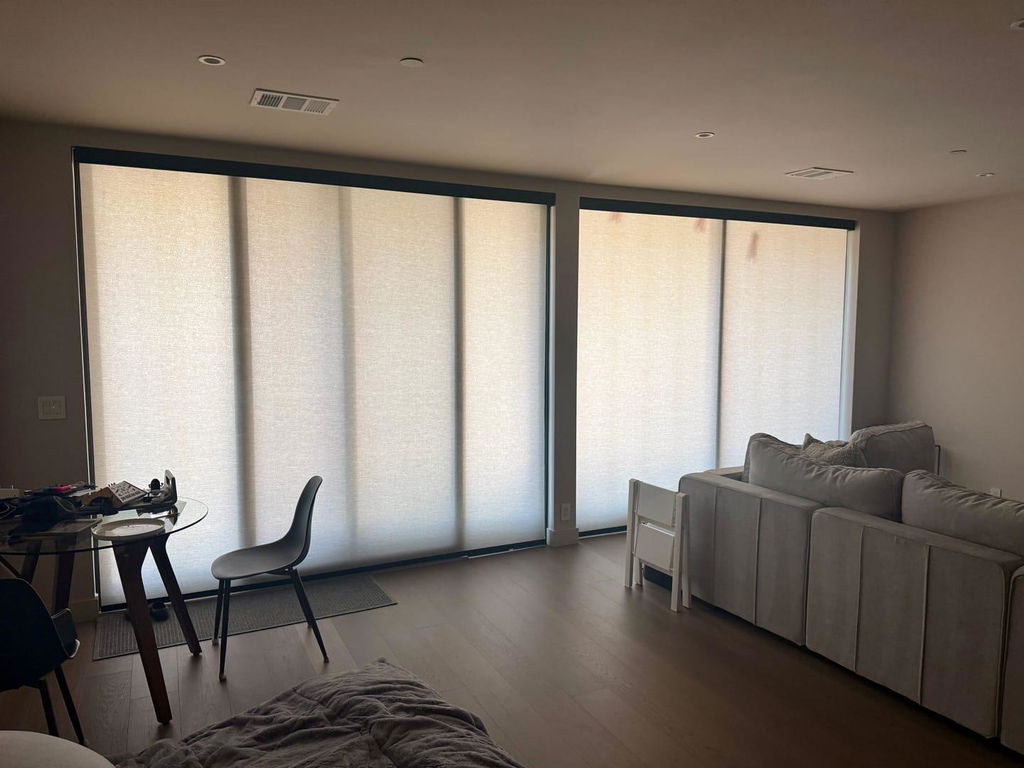
For a recent loft project with 12-foot ceilings, we needed a 144-inch drop. If we had used a heavy cotton blend, the sheer weight would have distorted the fabric within weeks. By choosing a high-performance synthetic, we maintained that sharp, architectural profile that makes a room feel finished. It's about precision. You want the shade to look like a part of the wall, not a piece of laundry hanging in the window.
The Humidity Test: Polyester Window Blinds vs. Cotton
If you live anywhere with a real summer, you know that humidity ruins everything. Cotton and linen are essentially sponges; they absorb moisture from the air and physically expand. Then, when the heater kicks on in November, they dry out and shrink. This constant see-sawing is what causes seams to pucker and hems to go crooked.
Polyester window blinds are hydrophobic. They don't care about your humidifier or a rainy Tuesday. Because the fibers don't absorb water, they don't change size. This stability is why I always steer clients toward synthetics for kitchens and bathrooms where steam is a daily occurrence. You won't find yourself re-leveling your shades every time the seasons change.
Zero Telescoping and Fraying Edges
One of the most annoying things that can happen to a roller shade is telescoping—that's when the fabric starts to roll off to one side and hits the bracket. This usually happens because the fabric isn't perfectly square or has stretched unevenly. Because polyester blinds are so dimensionally stable, they roll straight every single time.
Furthermore, the edges of synthetic shades are often ultrasonic cut or heat-sealed. This prevents the fraying that plague natural blends. I once had to replace an entire set of 'linen-look' cotton shades because the constant rubbing against the mounting brackets turned the edges into a fuzzy mess. With a stiffened polyester, the edge remains clean and sharp, even with daily use.
How to Style Polyester Roller Blinds Without Them Looking 'Plastic'
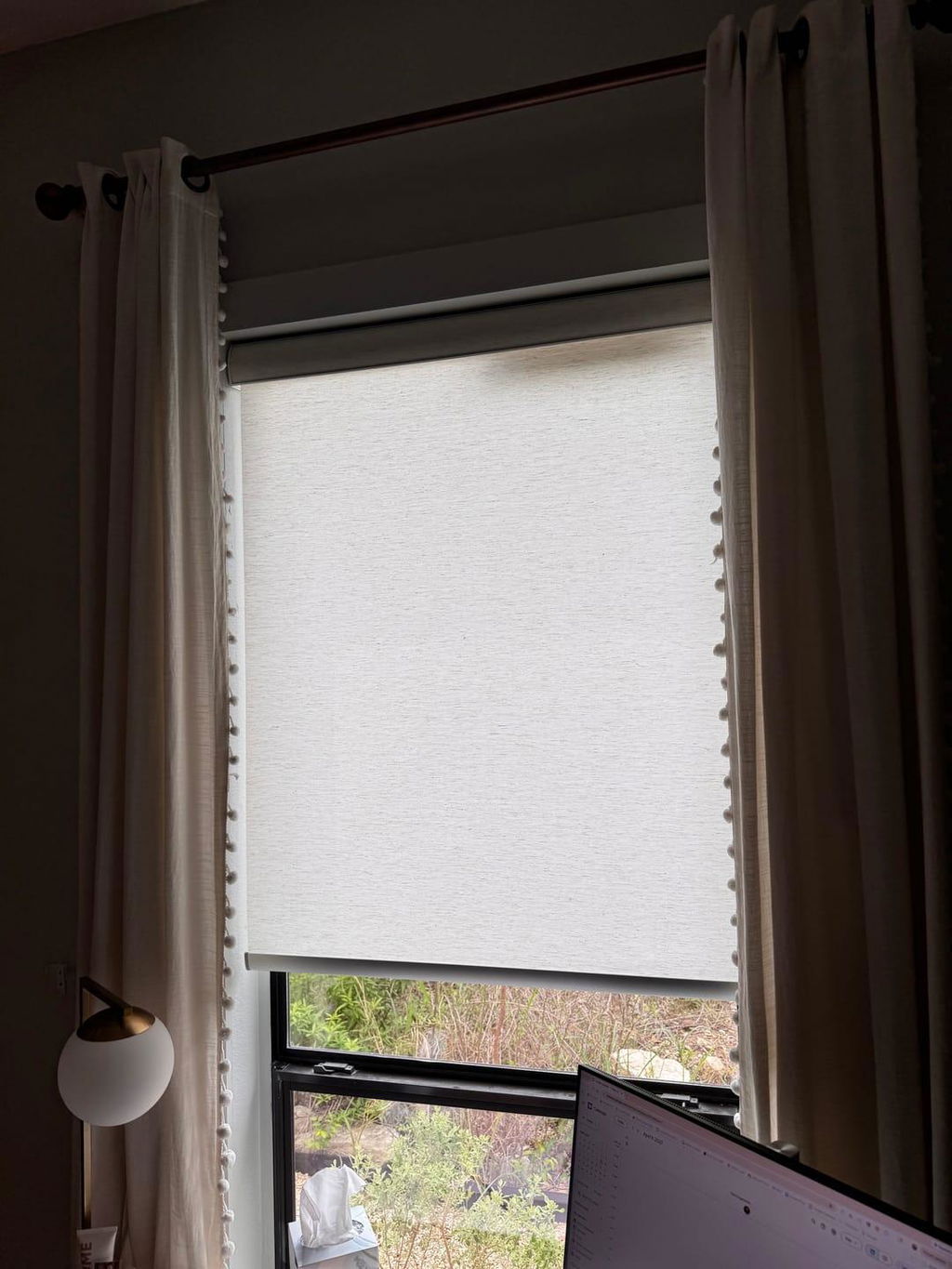
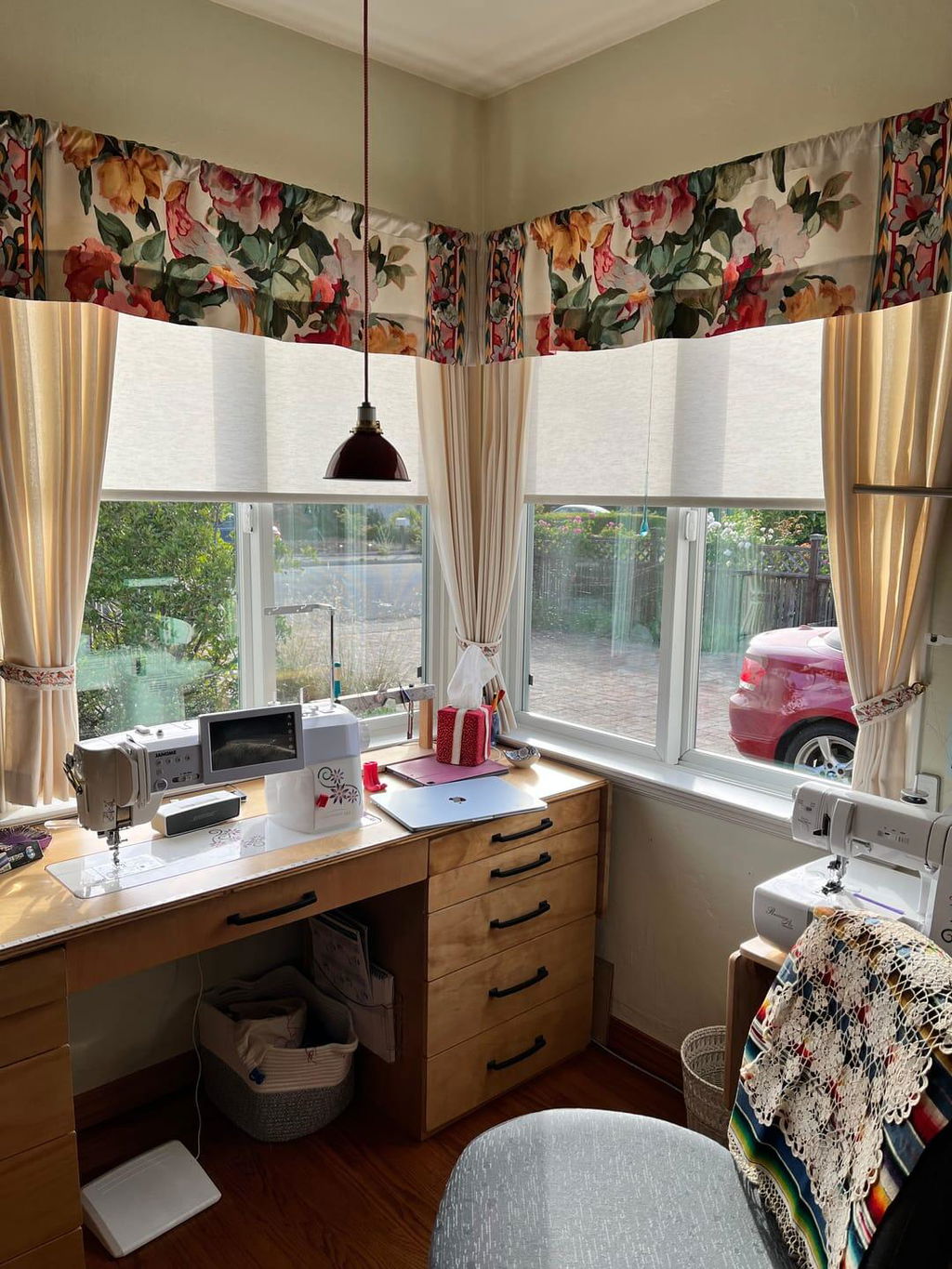
The biggest fear people have with synthetics is that 'office park' look. I get it. To avoid the plastic sheen, look for matte weaves with a variegated thread color. A 'heathered' gray or a 'slubby' white polyester can fool even the most snobbish design eye. It gives you the visual texture of a natural textile with the performance of a powerhouse synthetic.
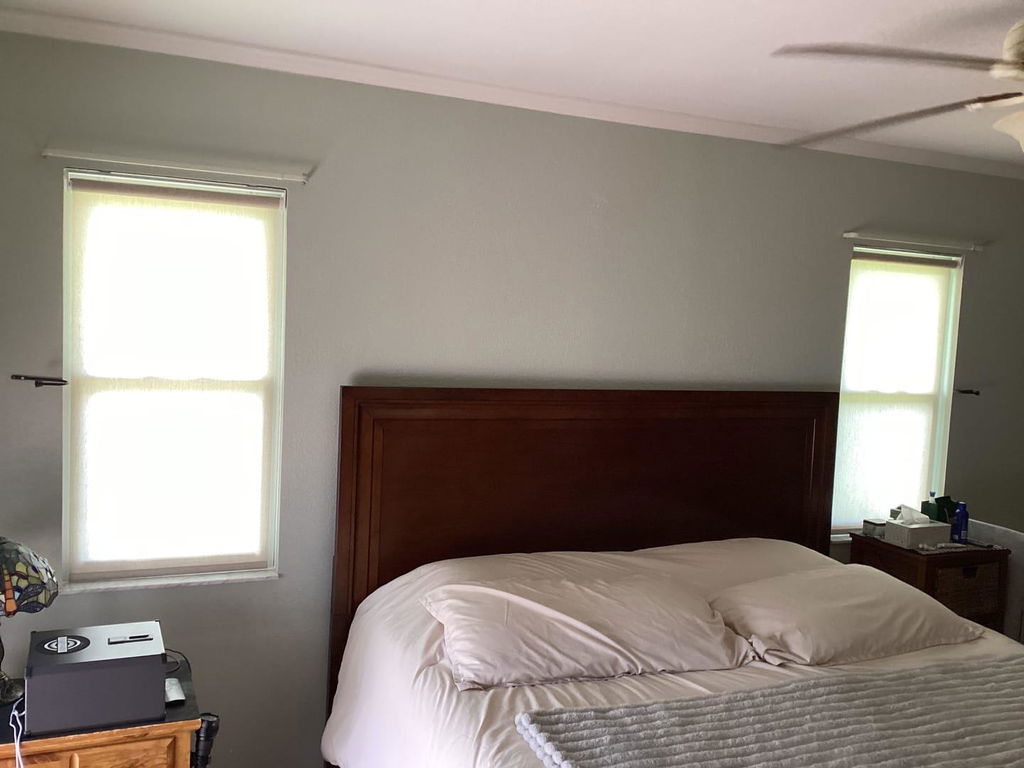
Mounting is the other half of the battle. I almost always recommend inside mount roller blinds to maximize that architectural look. When the shade is recessed within the window frame, the focus is on the clean lines and the light control, not the fabric composition. It makes the window treatment feel like a built-in feature rather than an afterthought.
My Go-To Upgrades for Polyester Blinds
If you want to take your windows to the next level, lean into the tech. Because polyester is so thin and lightweight compared to heavy drapes, it’s the perfect candidate for automation. I love specifying motorized dual roller shades. You can have a 5% openness solar screen for the day and a solid blackout layer for the night, all tucked into a single, sleek system.
If a dual-bracket system feels too bulky for your window depth, look into day night shades. The slim profile of polyester allows these fabrics to roll up into incredibly small, unobtrusive cassettes. It’s the ultimate solution for those who want total light control without the visual clutter of heavy curtains. Stop fighting with your fabric and start choosing materials that actually work for your lifestyle.
FAQ
Do polyester shades look cheap?
Only if you buy the low-end vinyl versions. High-quality polyester weaves are designed to mimic the look of linen, silk, and grasscloth. Look for 'matte' or 'textured' in the description to avoid any unwanted shine.
Are they hard to keep clean?
Quite the opposite. While linen requires professional cleaning or careful steaming, most polyester shades can be wiped down with a damp cloth and a mild detergent. They are incredibly resilient against dust and stains.
Will they yellow in the sun?
Polyester is far more UV-resistant than natural fibers. While everything eventually fades in direct sunlight, synthetics hold their color much longer than cotton or silk, which can become brittle and yellowed after just a few seasons.