Your Home Depot Blinds Look Off Because You Skipped This Step
I remember staring at a bare window in my first apartment for three months because I was too intimidated by the measuring tape. When I finally walked into the orange-hued aisles, I realized that home depot blinds are the ultimate 'choose your own adventure' for adults. It is either a budget-saving victory or a sixty-dollar mistake that leaves you with a gap big enough for the neighbors to watch your midnight snack habits.
Quick Takeaways
- Always subtract 1/2 inch from your window width for an inside mount to avoid a jammed headrail.
- Faux wood is a non-negotiable for kitchens and bathrooms to prevent warping.
- The in-store cutting machine is accurate, but it cannot fix a bad measurement you took at home.
- Layering drapes over big box blinds hides the industrial-looking plastic hardware.
The Aisle of Overwhelm (And Where to Start)
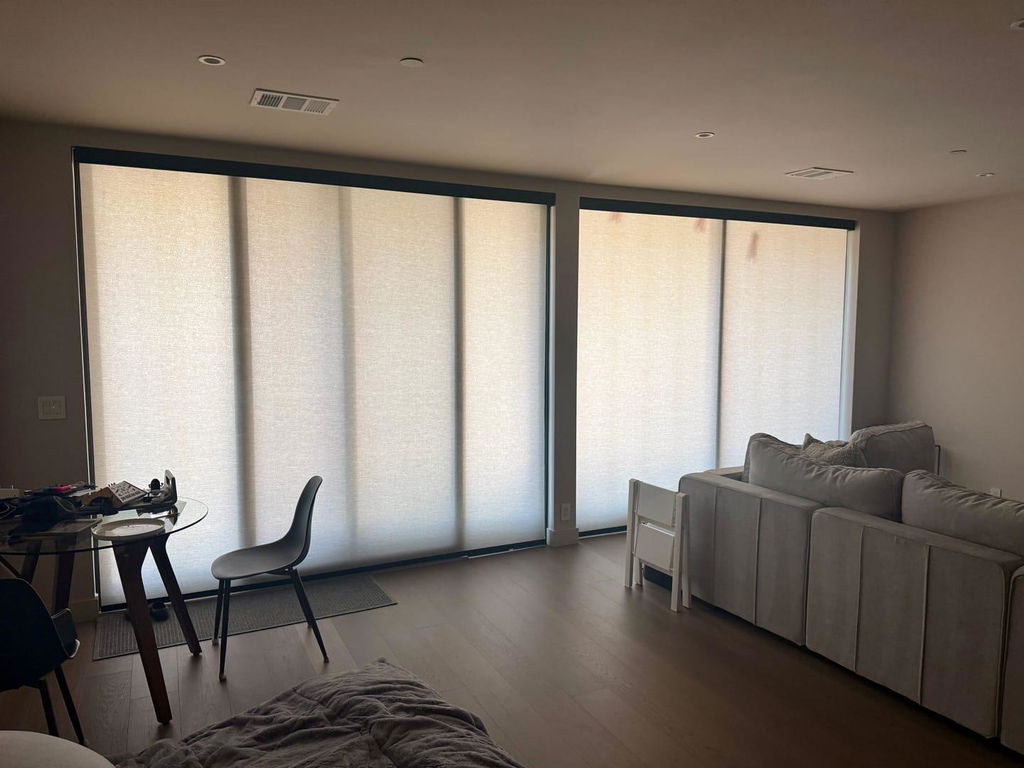
People always ask me, 'does home depot sell blinds that actually look custom?' The answer is a resounding yes, but you have to know where to look. There is a massive gulf between the special-order catalogs—where you wait three weeks for a specific 2.5-inch slat—and the ready made blinds home depot stocks on the floor.
The off-the-shelf options are usually lighter, with plastic components that can feel a bit 'landlord special' if you are not careful. If you want that high-end weight, look for the 'premium' labels. They use a higher grade of PVC or real basswood that does not rattle every time a breeze hits the window. The hardware is usually the weak point, so I often swap out the included plastic brackets for heavy-duty metal ones I find in the hardware aisle.
The Sizing Trap: Decoding the Cut-to-Size Machine
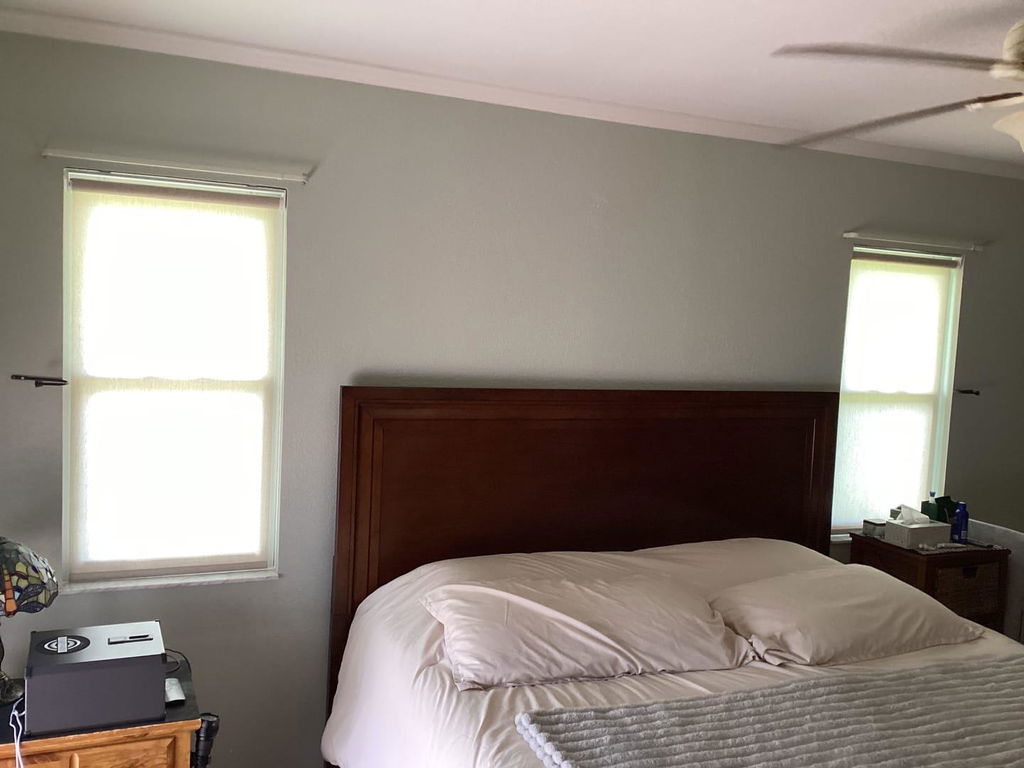
Let's talk about the ilm blinds home depot cutting process. It feels like magic, but it is where most DIYers fail. You bring in your window measurement, say 34.5 inches, and the associate trims the blind home depot offers to that width. But here is the kicker: the home depot window blinds sizes listed on the box are often the 'nominal' size.
If you do not account for the inside mount deduction, you will be jamming that headrail in with a hammer. I always measure the top, middle, and bottom of the window frame. Use the smallest of those three numbers. Then, tell the associate that number. Do not try to do the math for them in your head; the machine usually handles the 1/2-inch clearance, but you need to verify if the box you grabbed is already 'true-to-size' or requires a manual deduction.
Surviving the Splash Zones: Kitchens and Baths
For home depot kitchen blinds, skip the real wood. I have seen beautiful basswood warp into a Pringles chip shape after six months of sitting over a steaming pasta pot. Stick to faux wood or moisture-resistant Roller Shades. They wipe down in seconds when the bacon grease starts flying and they do not absorb odors like fabric or porous wood.
The same rules apply to home depot bathroom blinds. Between the shower steam and the lack of ventilation in most older homes, a standard mini-blind will rust or mildew within a season. I prefer a sleek cellular shade here—they provide total privacy while still letting that soft morning light hit the vanity mirror, and the synthetic fibers handle the humidity without sagging.
The 1-Inch Trick for Shallow Window Casings
If you live in a house with shallow 1-inch casings, a standard 2-inch blind will stick out past the trim. It creates this awkward profile that screams 'afterthought.' It is an aesthetic nightmare that makes a room feel cluttered and unfinished. My secret fix is hunting down the 1 Inch Wood Blinds Home Depot Keeps in Stock.
These narrower slats sit flush inside the frame, even in older homes with thin moldings. It gives you that built-in, architecturally intentional look. If you can't find them on the shelf, check the end-caps. They are often tucked away because everyone gravitates toward the chunky 2-inch slats, but the 1-inch profile is much more forgiving for tight spaces.
Layering: The Secret to Hiding the Big Box Hardware
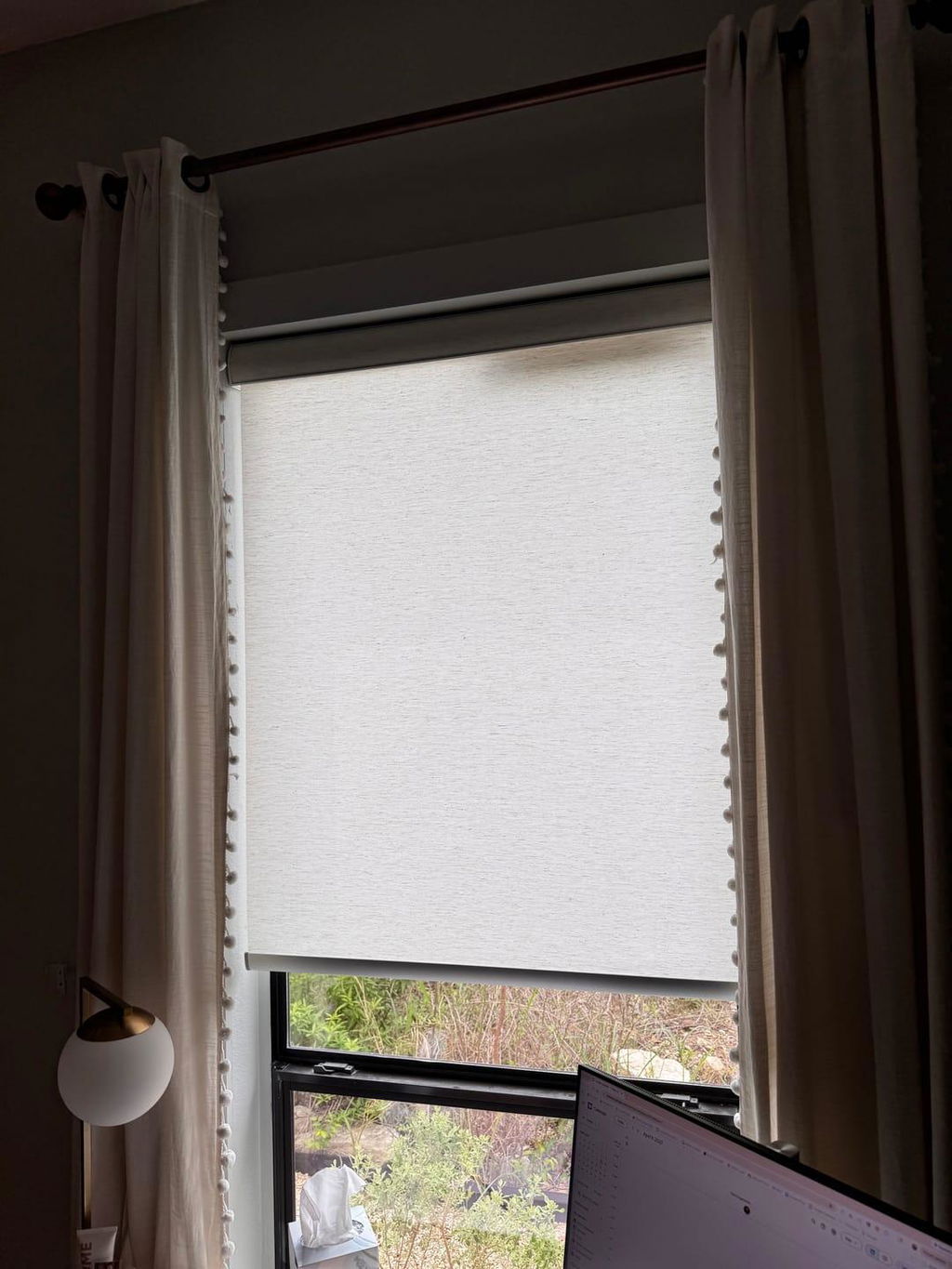
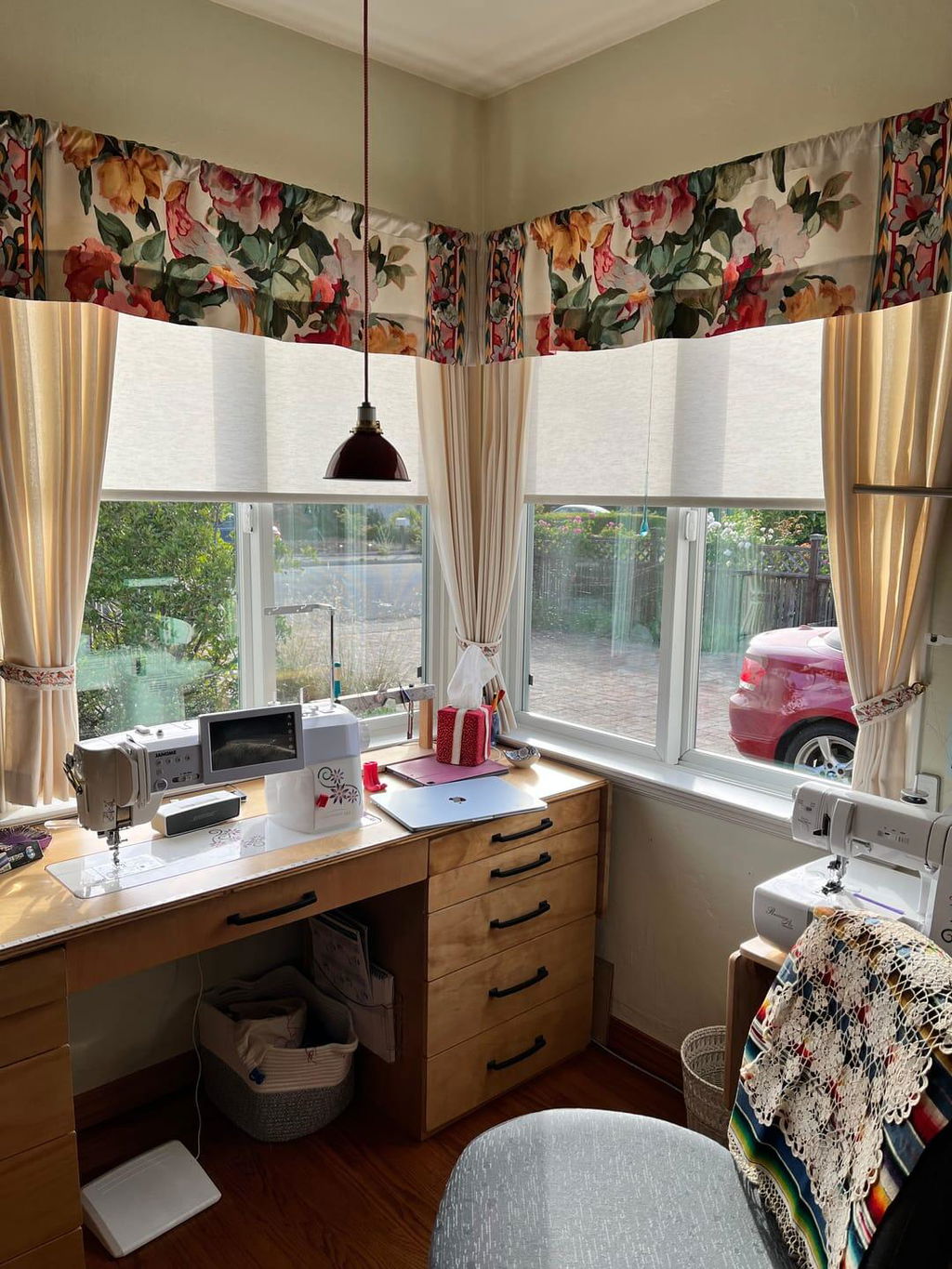
The dead giveaway of the home depot blinds for windows is the chunky, plastic headrail. It is functional, but it is not exactly a work of art. To fix this, I always layer. Mount your window blinds home depot style for light control, then hang a linen-blend drapery panel on a rod set 6 inches above the frame.
This hides the plastic header and adds the texture that a flat blind lacks. If the standard options feel too 'office-y' for your bedroom, I suggest looking into Day Night Shades. They offer a sheer layer for the day and a blackout layer for the night, providing a level of versatility you usually only find in custom designer showrooms.
My Mid-Renovation Disaster
I once spent four hours installing a set of 'easy-clip' shades in a guest room, only to realize I had mounted the brackets upside down. The whole thing crashed onto the nightstand at 2 AM when my sister-in-law tried to close them. I learned two things that night: always use your own heavy-duty drywall anchors instead of the flimsy ones in the box, and never trust a 'no-drill' claim if you want the blinds to stay up for more than a week.
Frequently Asked Questions
Can Home Depot cut blinds I bought somewhere else?
Usually, no. Their machines are calibrated for the specific headrails and slat materials they stock. Bringing in an outside brand is a quick way to break their blade and your blinds.
What is the best way to clean faux wood blinds?
Forget the fancy sprays. Use a microfiber cloth dampened with warm water and a drop of dish soap. Close the slats flat, wipe down, then flip them and wipe the other side. Simple is better.
Should I choose inside or outside mount?
Inside mount is the gold standard for a clean, modern look. Only choose outside mount if your window casing is too shallow to hold a bracket or if the window itself is incredibly ugly and you want to hide the frame entirely.